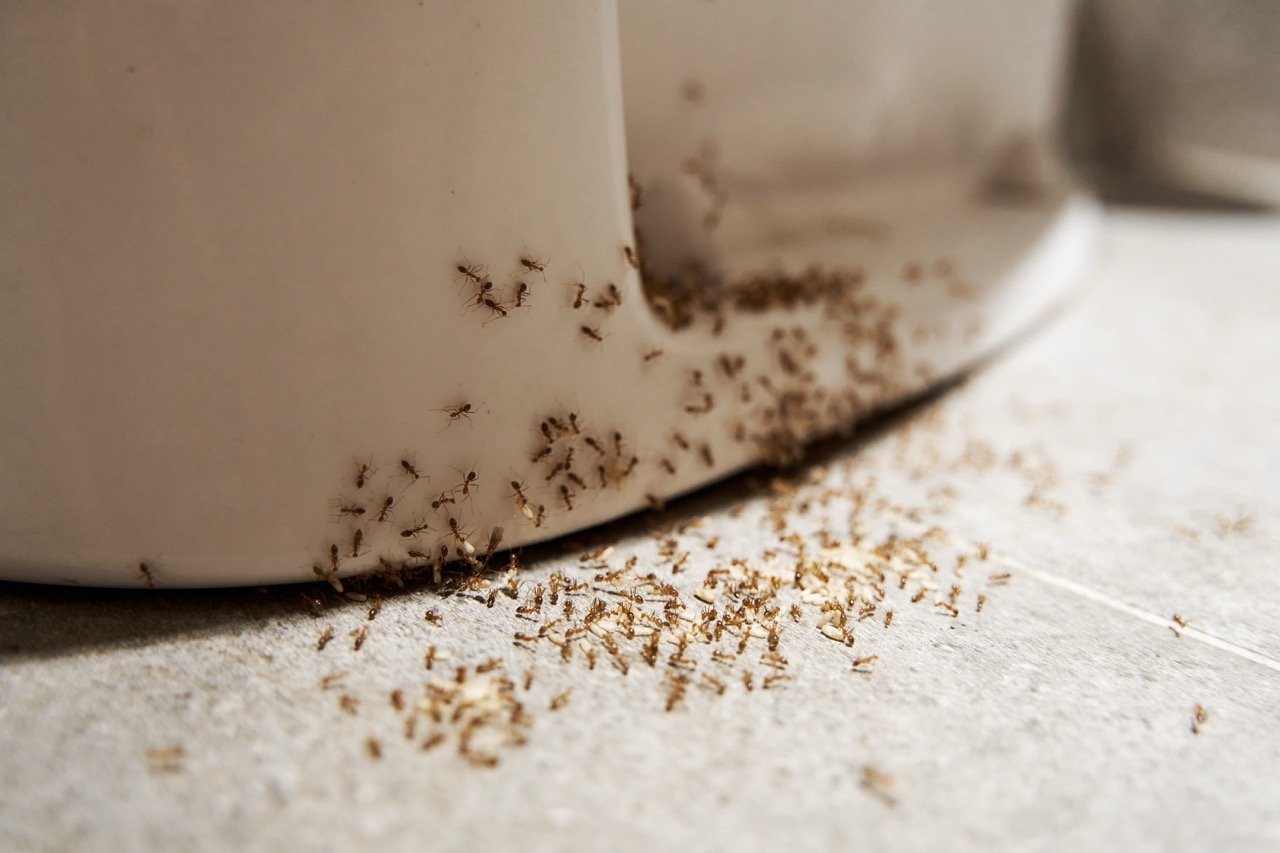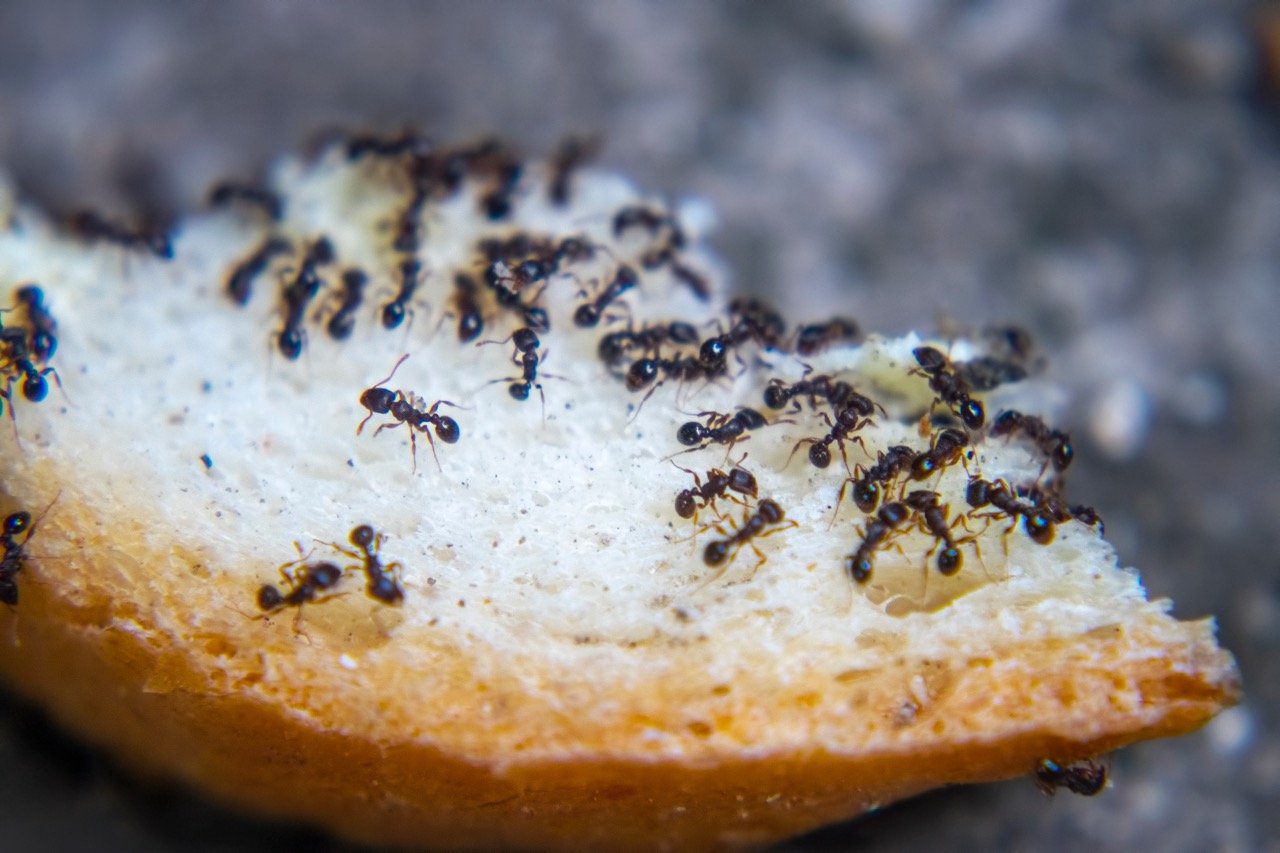
When ants appear in the kitchen, the explanation may seem obvious. Food crumbs, sugar, grease, and pantry products can all attract foraging ants.
But the bathroom?
Finding ants around a sink, bathtub, shower, or toilet can be confusing because these rooms usually don’t contain the food sources homeowners associate with ant problems.
In many cases, however, food isn’t the only resource ants are looking for.
Water, moisture, shelter, and access to protected spaces can make bathrooms attractive to certain ants. Small openings around plumbing and walls may also provide convenient pathways into the room.
For Florida homeowners, where warm and humid conditions can support ant activity for much of the year, discovering ants in the bathroom isn’t necessarily unusual.
Understanding why they’re there is the first step toward preventing them from repeatedly coming back.
Why Are Ants Attracted to Bathrooms?
Ants enter homes in search of resources.
Food is certainly important, but so is water.
Bathrooms naturally provide numerous potential moisture sources, including:
- Sinks.
- Showers.
- Bathtubs.
- Toilets.
- Plumbing.
- Wet towels.
- Condensation.
- Small leaks.
Even a minor amount of persistent moisture may be enough to encourage ant activity.
Bathrooms also contain cracks, gaps, cabinets, wall voids, and plumbing penetrations that can provide protected travel routes.
Moisture May Be the Main Attraction
If there is little or no food in your bathroom, start by looking for water.
After someone showers, moisture may remain around:
- Shower doors.
- Tile.
- Grout.
- Bathtub edges.
- Floors.
- Sink areas.
Normally, this moisture dries relatively quickly.
However, persistent dampness may create more favorable conditions for ants and other pests.
If ants consistently appear around one particular area, inspect it carefully for a moisture source.
Check for Plumbing Leaks
Not every leak creates a large puddle.
Slow plumbing leaks can remain hidden beneath sinks or behind fixtures for extended periods.
Look for:
- Damp cabinet surfaces.
- Water stains.
- Warped materials.
- Musty odors.
- Moisture around pipes.
- Recurring droplets.
If ants repeatedly gather beneath a bathroom sink, the plumbing is worth checking.
Fixing the moisture source can remove one of the reasons ants are attracted to that location.
Ants May Be Entering Around Pipes
Plumbing requires openings through walls, cabinets, and other building materials.
Sometimes there is additional space around these penetrations.
Small ants can use these gaps as travel routes between hidden areas and the bathroom.
Check where pipes enter:
- Walls.
- Cabinets.
- Floors.
You may notice ants appearing from what looks like an extremely small opening.
Following their movement rather than immediately wiping them away can sometimes help reveal where they’re entering.
Cracks Around Windows Can Also Provide Access
If your bathroom has an exterior window, inspect it as well.
Small gaps around window frames or damaged seals may allow ants to enter directly from outside.
Vegetation near the exterior wall can increase the opportunity for ants to explore these areas.
Check both the interior and accessible exterior portions of the window for visible gaps or ant trails.
Why Are Ants Around the Sink?
Bathroom sinks provide several things ants may investigate.
There may be:
- Water droplets.
- Damp surfaces.
- Residue from personal care products.
- Openings around plumbing.
- Small gaps around countertops or cabinets.
If ants consistently appear around the sink, don’t focus only on cleaning the countertop.
Look underneath it too.
The source of activity may be associated with plumbing or an entry point hidden inside the cabinet.
Why Are Ants in the Shower?
Ants around showers are often associated with moisture.
Water may collect in small areas around:
- Grout.
- Shower tracks.
- Corners.
- Fixtures.
- Bath mats.
Again, the presence of ants doesn’t automatically mean there is a serious plumbing problem.
But repeated activity in the same damp area is worth investigating.
Allowing shower areas to dry properly and addressing persistent moisture can help make the environment less attractive.
Can Ants Come Through the Drain?
Homeowners frequently assume ants are coming directly through bathroom drains because they see insects near sinks or showers.
Sometimes, however, ants are simply using small openings around plumbing rather than traveling through the drain itself.
The distinction matters.
Pouring products down a drain may do nothing if ants are actually entering through a gap behind the sink or inside a wall.
Before treating the drain, try to determine the ants’ actual travel path.
Why Are Tiny Ants in My Florida Bathroom?
Florida homeowners may encounter several different ant species, and identification can be important when activity persists.
Tiny ants can be particularly frustrating because they’re able to travel through very small gaps.
They may establish trails along:
- Countertops.
- Baseboards.
- Cabinets.
- Tile edges.
- Window frames.
Rather than assuming every tiny ant requires the same treatment, professional identification can help determine which species is present and how the colony may be behaving.
Are Bathroom Ants a Sign of a Nest Inside the House?
Not necessarily.
Ants may be nesting outdoors and simply traveling inside for water.
However, persistent indoor activity can also indicate that ants have established themselves within or very close to the structure.
The location of the colony isn’t always obvious from the visible trail.
Ants can travel significant distances between nesting sites and resources.
That’s one reason eliminating only the workers you see may not solve the problem.
Why Do Bathroom Ants Keep Coming Back?
If you’ve cleaned the bathroom repeatedly but ants still return, the problem may have little to do with cleanliness.
Recurring activity may be caused by:
- A nearby colony.
- A hidden moisture source.
- An accessible entry point.
- Plumbing gaps.
- Outdoor vegetation.
- An established ant trail.
Ants communicate and establish foraging routes to reliable resources.
If the underlying attraction or colony remains, removing the visible ants may provide only temporary relief.
Does Seeing Ants Mean Your Bathroom Is Dirty?
No.
Ant activity isn’t necessarily an indication of poor housekeeping.
A clean bathroom can still provide water and access to protected areas.
This is particularly important when homeowners repeatedly clean surfaces but continue seeing ants.
Sanitation can certainly help, especially if products or residues are attracting them, but persistent activity often requires looking beyond surface cleanliness.
Can Toothpaste or Personal Care Products Attract Ants?
Potentially.
Some personal care products contain ingredients or residues that ants may investigate.
Keep products properly closed and clean spills around sinks and cabinets.
However, if ants remain after surfaces are cleaned, look for other factors such as moisture and entry points.
Can Ants Indicate a Moisture Problem?
Sometimes.
Recurring ant activity around a particular plumbing fixture or damp area can be a reason to investigate moisture conditions more closely.
That doesn’t mean ants automatically prove you have a hidden leak.
Instead, think of their presence as another clue.
If you notice ants alongside:
- Water stains.
- Swollen materials.
- Persistent dampness.
- Musty odors.
the area deserves additional attention.
Should You Spray Ants in the Bathroom?
Reaching for an insect spray may seem like the fastest solution.
It can eliminate ants that are currently visible, but it may not address the colony responsible for the activity.
Additionally, some ant species can respond differently to disturbances and treatments.
When ants repeatedly return despite DIY efforts, continued spraying may simply treat the visible symptom.
Understanding the species and colony location can lead to a more appropriate strategy.
How Can You Help Prevent Ants in the Bathroom?
Start with the environment.
Reduce Moisture
Dry wet surfaces when practical and avoid leaving standing water around sinks, tubs, or showers.
Repair Leaks
Address dripping faucets and plumbing leaks.
Inspect Plumbing Openings
Look for gaps around pipes and fixtures.
Check Windows
Repair damaged seals or accessible openings where appropriate.
Keep the Room Clean
Remove residues from toothpaste, soaps, personal care products, and other materials.
Maintain Exterior Landscaping
Keep vegetation from creating direct pathways onto the structure when possible.
Monitor Ant Trails
Instead of immediately removing every ant, observe where the trail begins and ends. This information may help identify entry points.
These steps can reduce some of the conditions that encourage ant activity.
What If Ants Are Coming From Inside the Wall?
Ants disappearing into cracks, electrical areas, baseboards, or plumbing openings can suggest they’re traveling through concealed parts of the structure.
Avoid opening walls or applying random treatments into areas you can’t properly evaluate.
A professional pest inspection can help determine where ants are traveling and what treatment approach may be appropriate.
When Should You Call Pest Control for Bathroom Ants?
Professional assistance may be useful when:
- Ants return repeatedly.
- Multiple bathrooms have activity.
- Large numbers of ants appear.
- You can’t determine where they’re entering.
- DIY treatments haven’t worked.
- Activity appears to originate from walls or plumbing areas.
- You need help identifying the ant species.
The goal isn’t simply to eliminate today’s trail.
It’s to understand why the ants are there and what is allowing the activity to continue.
Identifying the Source Is the Key to Long-Term Control
Seeing ants in the bathroom can be frustrating, especially when there doesn’t seem to be any food nearby.
But ants need more than food.
Water, shelter, small structural openings, and protected travel routes can all make bathrooms attractive.
Instead of repeatedly wiping away trails, investigate what’s happening around them.
Check plumbing. Look for leaks. Monitor moisture. Inspect windows and small openings. Pay attention to where the ants appear and where they disappear.
If the activity continues, professional identification and treatment can help address the colony rather than only the ants you can see.
Contact 911 Home Helps Today
Tired of finding ants around your sink, shower, or bathroom cabinets? 911 Home Helps can inspect your property, identify the type of ant activity you’re experiencing, and determine what may be attracting them indoors.