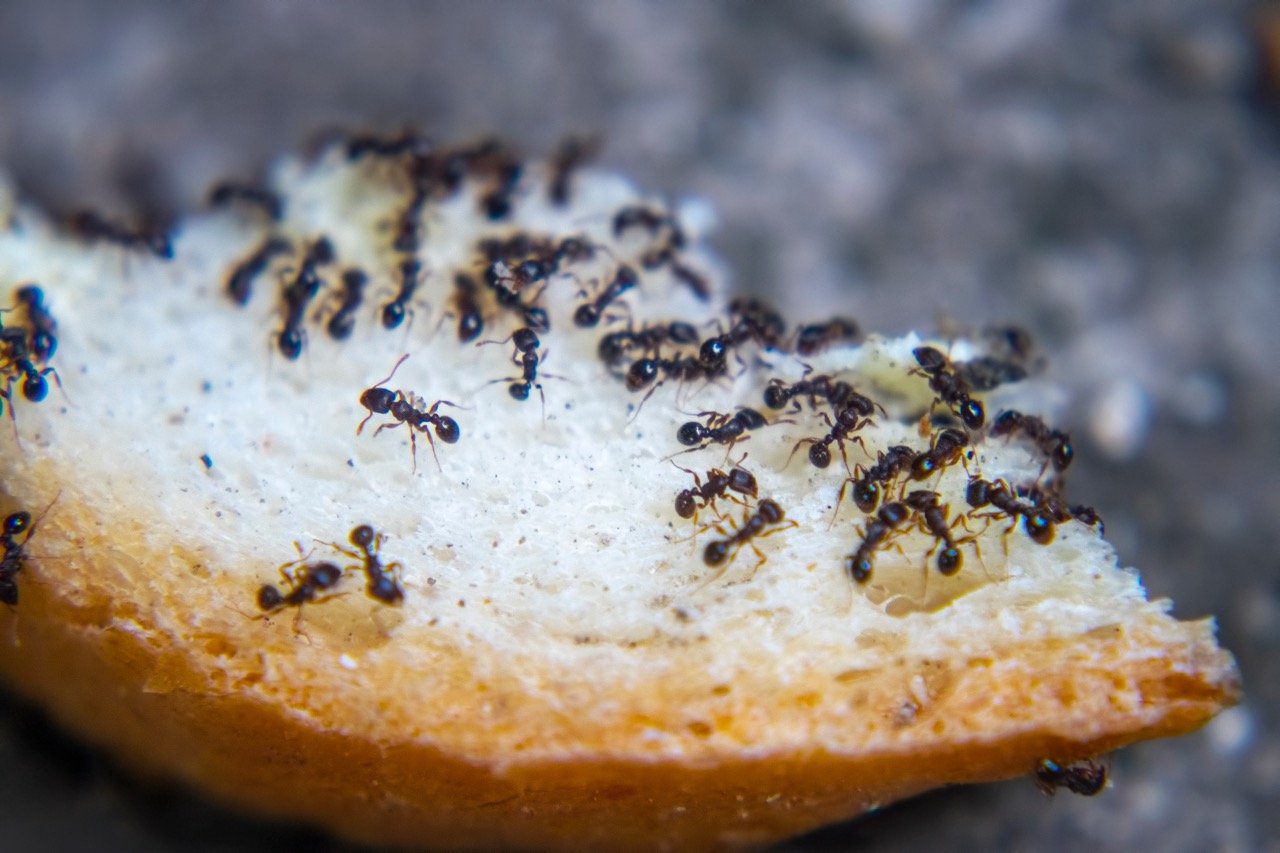
You spot a trail of ants across the kitchen counter, apply a treatment, and within a few hours the problem seems to be gone. Then, a few days later, another trail appears in exactly the same place.
Sound familiar?
If ants keep coming back despite your attempts to eliminate them, the problem may be larger than the insects you’re seeing. Worker ants represent only a portion of a colony, and treating visible activity doesn’t necessarily address the nest, queens, entry points, or conditions attracting ants to your home.
For Florida homeowners, recurring ant activity can be especially frustrating because the warm climate allows many species to remain active for long periods.
Understanding why ants return can help you move beyond temporary solutions and address the source of the problem.
Why Do Ants Keep Coming Back?
The simplest explanation is that the colony may still be active.
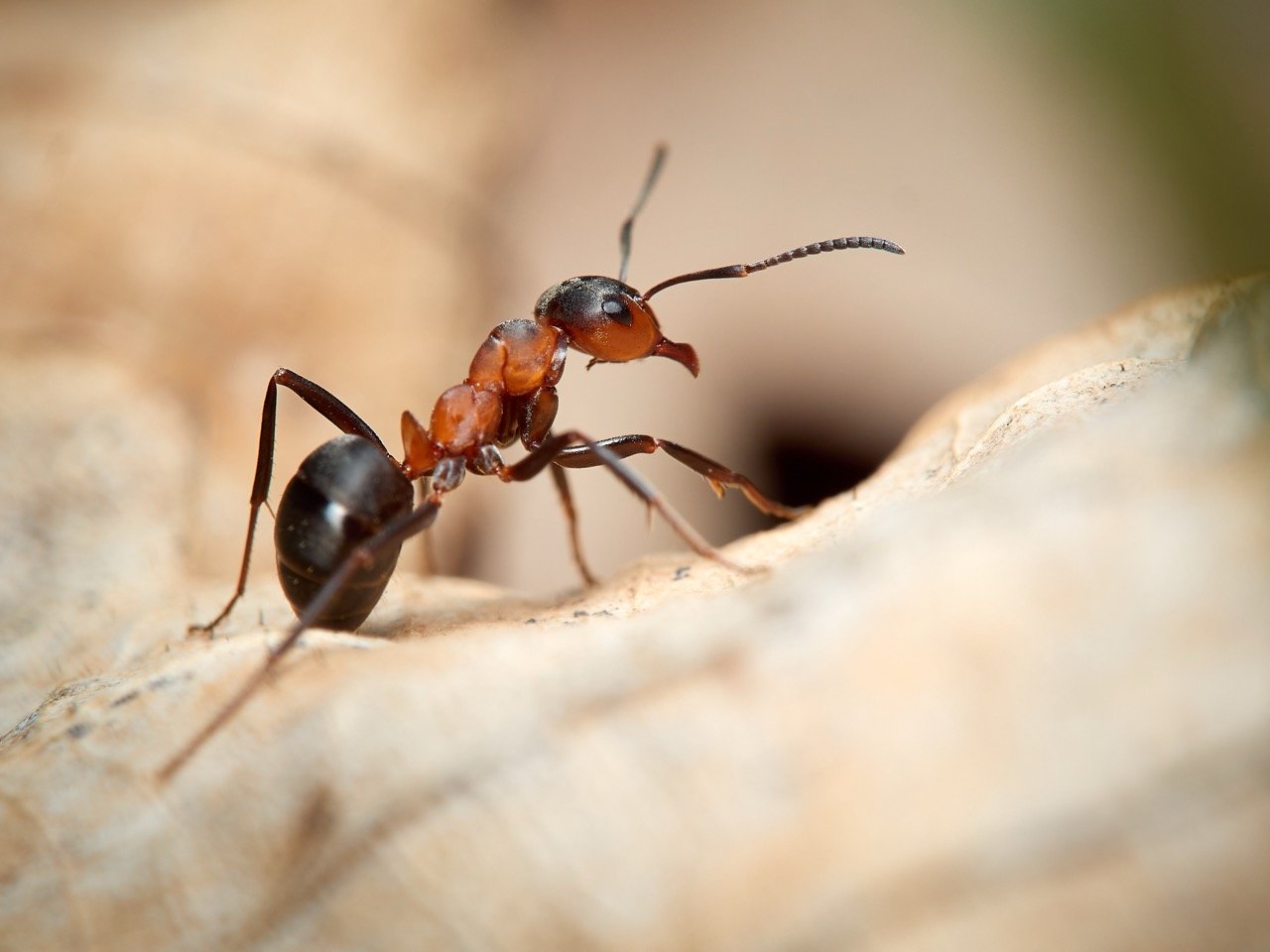
The ants walking across your countertop are typically workers searching for resources. Their job is to locate food and water and bring those resources back to the colony.
Removing those individual ants may reduce visible activity temporarily, but if the nest remains intact, additional workers can continue searching.
This is why homeowners sometimes experience a cycle of:
- Finding ants.
- Treating visible ants.
- Seeing activity disappear.
- Finding ants again several days later.
Breaking that cycle often requires understanding where the ants are coming from and what is encouraging them to return.
You May Be Treating the Ants, Not the Colony
One of the biggest challenges with DIY ant control is focusing exclusively on what is visible.
A trail across the kitchen may contain dozens of ants, but the colony itself can be hidden:
- Outdoors.
- Beneath landscaping.
- Inside wall voids.
- Behind cabinets.
- Around plumbing.
- Beneath flooring.
- In other protected areas.
The nest may be nowhere near the location where you’re seeing the ants.
Without addressing the colony, visible treatments may provide only temporary relief.
Ant Trails Help Them Find Their Way Back
When worker ants locate a useful food or water source, they can leave chemical trails that help other members of the colony follow the same route.
Soon, one exploring ant can turn into an organized trail.
This is why ants may repeatedly appear along:
- Counter edges.
- Baseboards.
- Window frames.
- Sinks.
- Cabinets.
Cleaning these surfaces can help remove food residue and trail cues, but sanitation alone may not eliminate an established colony.
If ants already know your kitchen provides reliable resources, they may continue searching the area.
Food Sources May Still Be Available
Your kitchen can look perfectly clean and still provide enough food for ants.
Tiny amounts of food can remain:
- Beneath appliances.
- Around toasters.
- Under cabinets.
- Near trash containers.
- Around pet feeding areas.
- Inside pantry shelves.
Sugary residue can be especially attractive to certain ant species.
Regular cleaning is important, but don’t limit your attention to visible countertops.
Occasional deep cleaning around appliances and other difficult-to-reach areas can help eliminate hidden food sources.
Water Could Be the Real Attraction
Sometimes food isn’t the primary reason ants keep coming back.
They may be looking for moisture.
Kitchens and bathrooms provide numerous potential water sources, including:
- Leaking faucets.
- Damp cabinets.
- Plumbing condensation.
- Small pipe leaks.
- Sink areas.
- Pet water bowls.
Florida’s humidity can also create favorable conditions in areas that remain consistently damp.
If ant activity is concentrated around sinks or bathrooms, inspect for moisture problems that may be encouraging them to return.
They’re Still Getting Through the Same Entry Point
Treating ants indoors won’t necessarily stop new workers from entering through an exterior opening.
Ants can use very small gaps around:
- Windows.
- Doors.
- Foundations.
- Utility lines.
- Plumbing.
- Exterior walls.
Watch the trail carefully when possible.
Instead of only looking at where the ants end up, try to identify where they’re entering the room.
Sealing accessible gaps can become an important part of long-term prevention.
Your Landscaping May Be Supporting the Colony
Ant problems often begin outdoors.
Landscaping can provide food, shelter, moisture, and nesting opportunities close to the structure.
Colonies may establish themselves around:
- Mulch.
- Plants.
- Trees.
- Shrubs.
- Soil near foundations.
- Outdoor structures.
Vegetation touching the home can also create convenient pathways toward the structure.
Maintaining landscaping and monitoring ant activity outside can help reduce the conditions that bring colonies close to your home.
Rain Can Cause Ants to Move Indoors
Florida’s weather can also explain sudden changes in ant activity.
Heavy rainfall may saturate soil and disturb outdoor nesting areas, encouraging ants to relocate or search for more stable environments.
Homes provide:
- Dry shelter.
- Consistent temperatures.
- Food.
- Water.
If ants seem to appear or return after heavy rain, outdoor conditions may be contributing to the problem.
This doesn’t mean the ants will automatically leave once the weather improves, especially if they’ve discovered reliable resources indoors.
The Ant Species Matters
Not all ants behave the same way.
Florida homeowners may encounter different species, including:
- Ghost ants.
- Carpenter ants.
- Argentine ants.
- Fire ants.
- Other household ants.
Correct identification matters because colony structure, nesting behavior, food preferences, and appropriate treatment strategies can vary.
For example, ghost ants can establish multiple nesting sites and may become particularly difficult to manage with an inappropriate treatment strategy.
What works for one type of ant may not be the best approach for another.
Can Ant Spray Make the Problem Worse?
This depends on the species and the product being used.
Some ant species can respond to disturbances or certain repellent treatments by splitting or relocating portions of a colony, a behavior sometimes referred to as budding.
Instead of having one concentrated nesting location, the problem can become distributed across multiple sites.
This is one reason repeatedly spraying every visible ant isn’t always the best long-term strategy.
Professional identification can help determine which treatment approach is appropriate for the species involved.
Why Do Ants Disappear and Then Suddenly Return?
Recurring ant activity can sometimes feel unpredictable.
You may go several days or even weeks without seeing a single ant, only for them to suddenly return.
Changes can be influenced by:
- Weather.
- Rainfall.
- Food availability.
- Moisture.
- Colony growth.
- Disturbance of outdoor nesting areas.
The absence of visible workers doesn’t necessarily mean the colony has disappeared.
Ants may simply be using different food sources or travel routes temporarily.
Are DIY Ant Treatments Effective?
DIY treatments can sometimes help with minor ant problems, particularly when combined with sanitation and sealing entry points.
However, recurring infestations can be more complicated.
A store-bought product may reduce visible ants without addressing:
- The colony.
- Multiple nesting locations.
- Outdoor activity.
- Structural entry points.
- Moisture problems.
If you’re repeatedly buying new products and the ants continue returning, it may be time to investigate the underlying cause rather than treating each new trail individually.
How Can You Help Prevent Ants from Returning?
Long-term prevention involves making your home less accessible and less attractive to ants.
Keep Food Properly Stored
Use sealed containers for pantry items and clean spills promptly.
Clean Hidden Food Sources
Periodically clean beneath appliances and around areas where crumbs or grease may accumulate.
Control Moisture
Repair leaks and monitor damp areas around sinks, bathrooms, and plumbing.
Seal Entry Points
Inspect doors, windows, utility penetrations, and exterior gaps.
Maintain Landscaping
Trim vegetation near the structure and monitor ant activity around mulch and foundations.
Watch for Patterns
Notice where ants appear, when they become active, and whether weather seems to influence the problem.
These details can help identify the source of recurring activity.
When Should You Call a Pest Control Professional?
If ants keep coming back after repeated attempts to control them, a professional inspection can help determine why.
Consider seeking professional assistance when:
- Ant trails repeatedly return.
- Activity is occurring in multiple rooms.
- You suspect ants are nesting inside walls.
- You can’t identify the species.
- DIY treatments provide only temporary relief.
- Ant activity increases after treatment.
- You notice carpenter ants or other potentially concerning species.
A pest control professional can identify the ants, evaluate potential nesting areas, and recommend a strategy appropriate for the infestation.
Stop Treating Only the Ants You Can See
Recurring ants aren’t necessarily a sign that you didn’t clean well enough or apply enough spray.
The visible ants may simply be a small part of a larger colony.
When ants keep coming back, look beyond the trail. Food, moisture, entry points, outdoor nesting areas, weather conditions, and the ant species itself can all contribute to the problem.
Identifying and addressing those underlying factors is the key to moving from temporary relief toward long-term ant control.
Contact 911 Home Helps Today
Have you treated the same ant problem over and over only to watch the trail return? 911 Home Helps can help identify the ant species, locate potential problem areas, and determine why activity continues around your home.