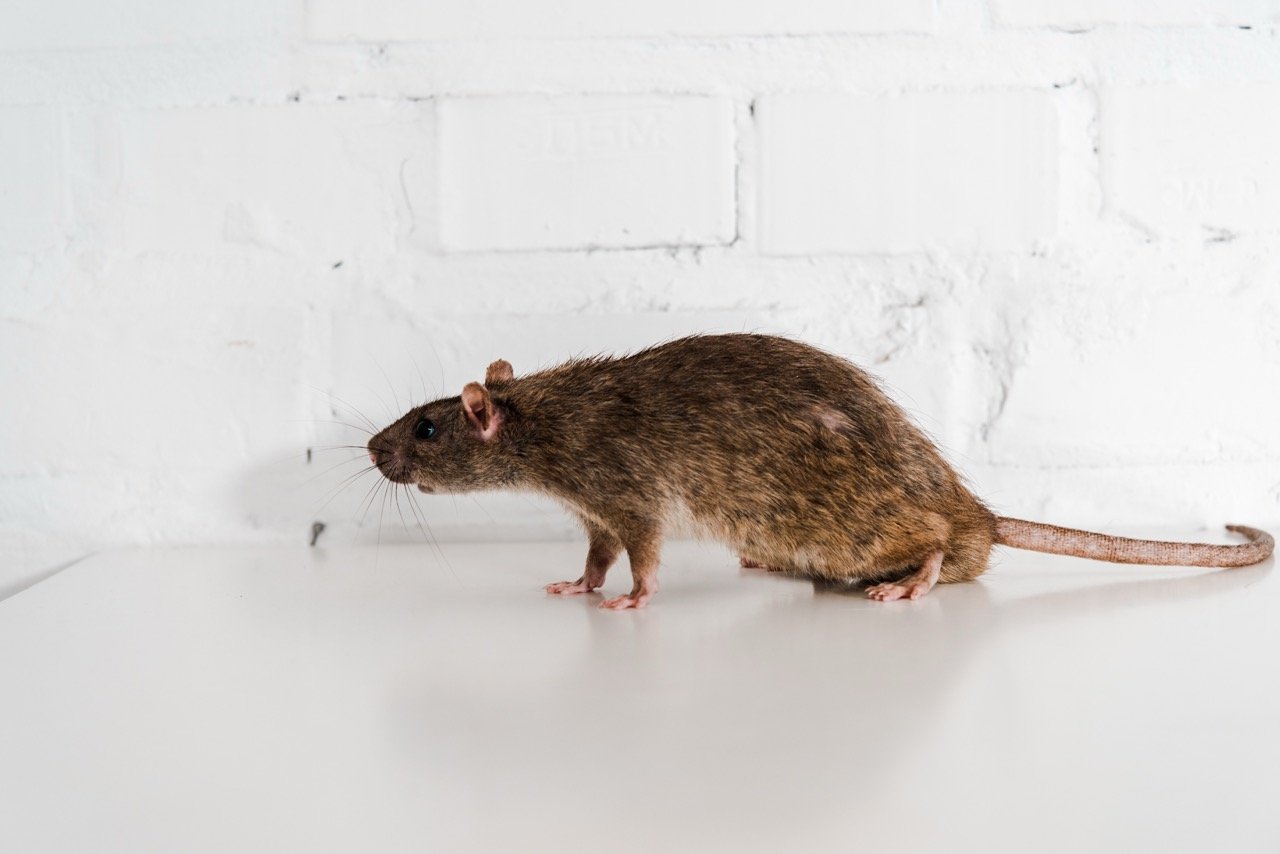
Imagine walking into your bathroom and discovering something you never expected: a rat inside the toilet.
It sounds like a scene from a movie, but is it actually possible?
The short answer is yes. Although uncommon, rats can sometimes reach a toilet through connected sewer and plumbing systems.
If you’ve been wondering whether rats through toilet plumbing are a real concern, understanding how rodents move through these systems can help separate realistic risks from exaggerated stories.
For Florida homeowners, the important thing is not to panic about every bathroom fixture. Instead, it’s useful to understand how plumbing conditions, structural openings, and rodent activity may influence the risk.
Can Rats Really Come Up Through a Toilet?
Yes, under certain circumstances.
Rats are capable swimmers, and some species are well adapted to moving through wet environments.
Norway rats, in particular, are associated with sewer systems and can navigate water-filled passages.
If a rat gains access to a connected drainage system and encounters a route leading toward a toilet, it may be physically capable of reaching the bowl.
However, this is not a common explanation for rodents appearing inside homes.
Most residential rodent problems involve more conventional access points, such as damaged vents, exterior gaps, garage doors, or roofline openings.
How Can Rats Travel Through Plumbing Systems?
A home’s drainage system connects plumbing fixtures to wastewater infrastructure, such as a municipal sewer system or an on-site septic system.
Under certain conditions, rodents may enter portions of these systems.
Rats can swim, move through confined spaces, and investigate routes that provide access to food or shelter.
If the plumbing layout and conditions allow it, a rat may travel through connected passages toward a fixture.
However, not every pipe or plumbing configuration provides a suitable route.
The possibility depends on the drainage system, the location of the rodent, and the available access.
Can Rats Swim Through Water?
Yes.
Rats can swim, which helps explain how some may move through water-filled environments.
Their swimming ability doesn’t mean every rat can easily reach a toilet from any sewer.
The route must still be physically accessible, and the animal must navigate the specific plumbing system.
This distinction is important because stories about rats emerging from toilets can make the problem seem more common than it actually is.
Are Rats in Toilets Common in Florida?
Rats can be found in Florida, and some species may use drainage infrastructure or areas near water.
However, a rat emerging through a toilet is an unusual event rather than an everyday household pest problem.
Florida homeowners are generally more likely to encounter rodents entering through structural openings.
That includes gaps around roofs, garages, exterior doors, and utility penetrations.
If you discover evidence of rodents in your home, those areas deserve attention even if you’re concerned about the plumbing.
Can Rats Enter Through Bathroom Drains?
Rodents may sometimes access drainage infrastructure, but that doesn’t mean every bathroom drain is a practical entry point.
Fixtures have different designs, pipe dimensions, and protective features.
A rat’s ability to enter through a particular drain depends on those conditions.
If you suspect rodents are accessing plumbing, a qualified plumber can evaluate the drainage system for defects or unusual openings.
A pest control professional can assess rodent activity around the property.
Can Rats Get Into a House Through a Broken Sewer Pipe?
Damaged drainage infrastructure can create opportunities for rodents to access areas they otherwise could not reach.
For example, a broken pipe or an improperly maintained connection may allow animals to move between the surrounding environment and portions of a plumbing system.
However, not every sewer defect leads to rodent activity.
Signs of plumbing problems should be investigated by a qualified professional.
Addressing the underlying defect is important for sanitation, building maintenance, and potential pest prevention.
What Should You Do If You Find a Rat in Your Toilet?
Discovering a rat in the toilet can be frightening, but your first priority should be avoiding direct contact.
Keep children and pets away from the bathroom.
If it is safe to do so, close the toilet lid and bathroom door to help contain the animal.
Do not attempt to grab the rat, handle it with household tools, or force it farther into the plumbing.
Avoid repeatedly flushing the toilet in an attempt to remove it.
Contact a pest control professional for guidance on handling the animal safely.
If there is reason to suspect a plumbing defect, arrange for a qualified plumber to inspect the system.
Should You Flush a Rat Down the Toilet?
No.
Flushing is not a reliable or humane method of dealing with a live rat.
It may fail to remove the animal and could create additional problems.
The safest approach is to keep your distance, restrict access to the area, and seek professional assistance.
Once the immediate situation has been addressed, the property can be evaluated for possible access routes.
Does Finding a Rat in the Toilet Mean You Have an Infestation?
Not necessarily.
A single unusual incident doesn’t establish that rodents are nesting inside your home.
However, it does deserve investigation.
The animal may have accessed the plumbing system, or another route may be involved.
Look for additional evidence in accessible areas, such as droppings, gnaw marks, scratching sounds, or repeated sightings.
A professional inspection can help determine whether the incident is isolated or associated with broader rodent activity.
What Are Other Signs of Rats in Your Home?
Rodents may leave evidence even when they remain hidden.
Common warning signs include:
- Droppings in cabinets, garages, or attics.
- Gnaw marks on packaging or materials.
- Scratching or movement sounds.
- Shredded nesting material.
- Repeated sightings.
- Disturbed stored food.
- Evidence near possible entry points.
These signs don’t prove that rodents are entering through plumbing.
They indicate that the property may have rodent activity requiring evaluation.
Can Rats Come Through Toilets in Apartments?
It is physically possible under certain plumbing conditions.
Apartment buildings may have shared drainage infrastructure, but that doesn’t mean rats can freely move into individual bathrooms.
If a rodent appears in a toilet in a multifamily building, notify property management promptly.
The issue may require coordination between pest control professionals, plumbers, and building maintenance staff.
Residents should avoid attempting modifications to shared plumbing systems.
How Can You Prevent Rats From Coming Through the Toilet?
Because this type of entry is unusual and depends on plumbing conditions, prevention should focus on maintaining the drainage system and addressing rodent activity around the property.
Maintain Plumbing Systems
Have damaged sewer lines, unusual drainage problems, and suspected plumbing defects evaluated by a qualified plumber.
Address Rodent Activity Outdoors
Keep garbage secure, manage accessible food sources, and reduce unnecessary shelter around the property.
Inspect Structural Openings
Check doors, vents, utility penetrations, and roofline areas for possible rodent access.
Respond to Unusual Plumbing Problems
Recurring sewer odors, backups, or drainage problems deserve professional evaluation, although they do not automatically indicate rodents.
Seek Professional Guidance
If you have experienced a toilet-related rodent incident, ask a qualified professional to evaluate the circumstances rather than installing unverified plumbing modifications.
Do Rat-Proof Toilet Devices Work?
Some plumbing products are designed to limit reverse movement through drainage systems.
However, compatibility and suitability depend on the specific plumbing configuration.
Not every device is appropriate for every property.
Improper installation can interfere with drainage or create maintenance problems.
Before installing any specialized plumbing component, consult a qualified plumber and follow applicable plumbing requirements.
Are Rats More Likely to Enter Through the Roof?
In many Florida homes, conventional structural openings are a more relevant rodent concern than toilets.
Roof rats, for example, are skilled climbers and may travel along trees, fences, and exterior building features.
They may investigate vulnerable areas around soffits, vents, and rooflines.
This is why rodent prevention should include an exterior building inspection rather than focusing exclusively on bathroom plumbing.
Can Rats Damage Plumbing?
Rodents may gnaw certain materials, including some flexible or vulnerable components.
However, not every plumbing leak or drainage problem is caused by rats.
If you discover damage, a qualified professional can help identify the cause and recommend appropriate repairs.
The presence of rodents should not be assumed without supporting evidence.
What If You Hear Scratching Near Bathroom Pipes?
Scratching sounds may have several explanations.
Rodents can travel through wall voids and other concealed spaces, but noises near plumbing may also result from building systems or other causes.
Try to document when and where the sounds occur.
If you find droppings or other rodent evidence nearby, a pest inspection may be appropriate.
If the sounds are associated with drainage problems, contact a plumber.
Why Rodent Prevention Should Include the Entire Property
Even when homeowners are worried about rats entering through toilets, broader prevention remains important.
Rodents may be attracted to properties that provide accessible food, water, shelter, and structural openings.
A comprehensive strategy considers:
- Exterior building conditions.
- Garbage storage.
- Pet food and bird seed.
- Landscaping and debris.
- Attic and garage access.
- Plumbing maintenance.
- Signs of current rodent activity.
Addressing these conditions can help reduce opportunities for rodents around the home.
When Should You Call a Rodent Control Professional?
Contact a pest control professional if you discover a rat in your toilet, find recurring rodent evidence, or cannot identify how rodents are accessing the property.
An inspection can help determine whether current activity is present and which areas require attention.
If plumbing access is suspected, coordination with a qualified plumber may also be necessary.
The goal is to identify the actual route and address the conditions supporting the problem.
Can Rats Get Into Your House Through the Toilet? The Bottom Line
Yes, rats through toilet plumbing are a real possibility under unusual circumstances.
Certain rats can swim through sewer environments, and some plumbing configurations may allow them to reach a toilet.
However, this is not the most common way rodents enter residential properties.
For Florida homeowners, routine rodent prevention should focus on structural maintenance, food and waste management, and identifying signs of activity.
If a rat does appear in your toilet, avoid direct contact, keep the area contained, and seek professional assistance.
Contact 911 Home Helps Today
Have you discovered a rat in your bathroom or noticed other signs of rodent activity around your Florida home? 911 Home Helps can inspect your property, identify evidence of rodents, evaluate potential entry points, and recommend an appropriate rodent control and prevention strategy.