Florida’s warm weather, beautiful landscapes, and year-round outdoor lifestyle make it an attractive place to live. Unfortunately, the same tropical and subtropical conditions that residents enjoy also create an ideal environment for many household pests.
Warm temperatures, high humidity, frequent rainfall, and abundant vegetation allow insects and other pests to remain active throughout much of the year. As a result, pest prevention is an important part of maintaining a comfortable home in the Sunshine State.
Understanding the common pests in Florida can help homeowners recognize warning signs early, reduce conditions that attract them, and know when professional pest control may be necessary.
From termites hiding inside wooden structures to mosquitoes breeding in the backyard, here are some of the pests Florida homeowners should know about.
Why Are There So Many Pests in Florida?
Climate plays a major role in Florida’s pest activity.
In colder parts of the country, winter temperatures can significantly reduce the activity of many insects. Florida’s relatively mild winters mean that many pest populations can remain active for much longer periods.
Several environmental factors contribute to pest activity, including:
- Warm temperatures.
- High humidity.
- Frequent rainfall.
- Standing water.
- Dense vegetation.
- Moist soil.
- Year-round food sources.
Homes also provide pests with shelter, moisture, and reliable access to food, making residential properties particularly attractive.
1. Termites
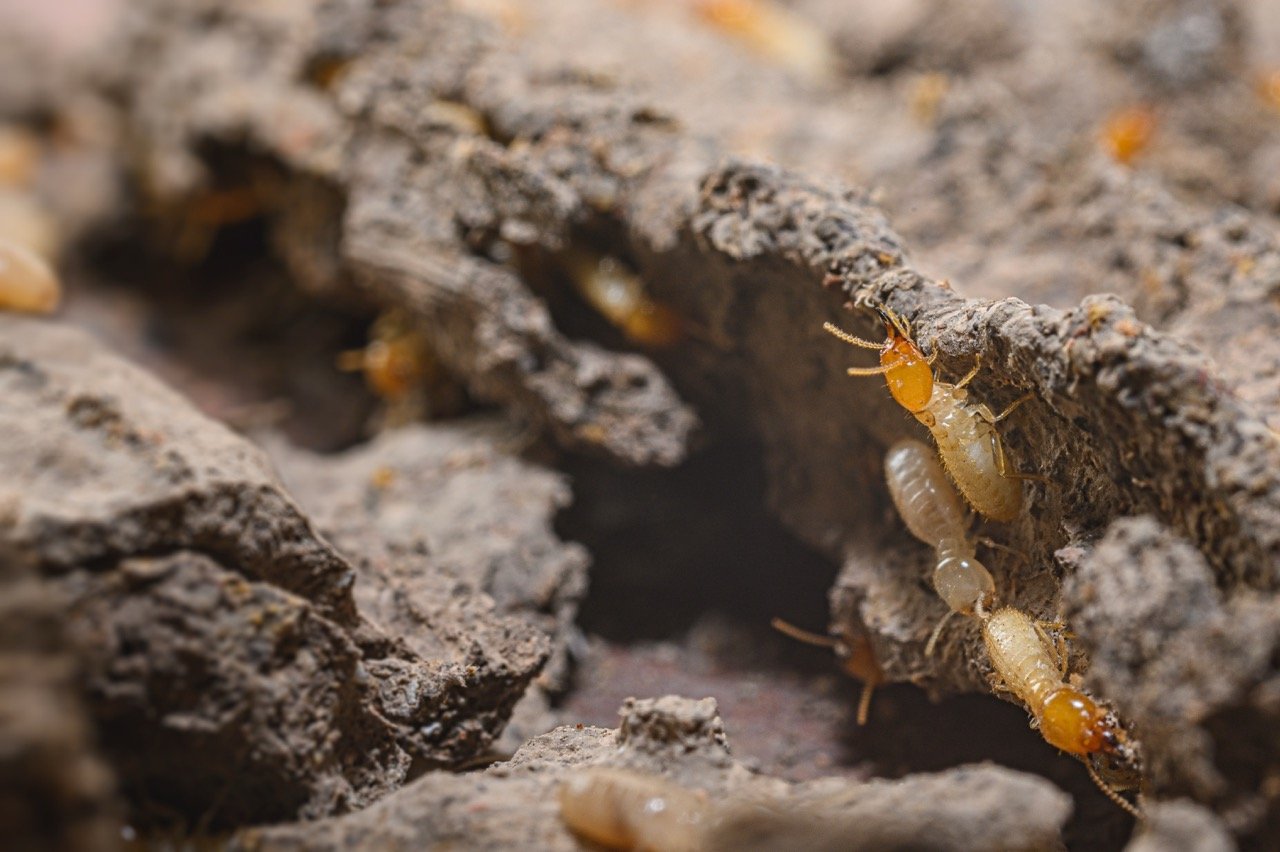
Termites are among the most important pests for Florida homeowners to watch for because they can damage wooden components of a home while remaining hidden.
Florida is home to multiple termite species, including subterranean and drywood termites.
Depending on the species, colonies may live underground or directly inside wooden materials.
Common signs of termite activity include:
- Mud tubes.
- Hollow-sounding wood.
- Discarded wings.
- Termite droppings, or frass.
- Damaged wooden surfaces.
- Swarming termites.
Because termite activity can remain hidden for long periods, routine professional inspections can help detect problems before extensive damage develops.
2. Cockroaches and Palmetto Bugs
Cockroaches are another familiar pest for Florida residents.
The term “palmetto bug” is commonly used in the region to describe certain large cockroaches that often live outdoors around:
- Mulch.
- Trees.
- Landscaping.
- Leaf litter.
- Damp areas.
Heavy rainfall can disrupt these environments and sometimes drive cockroaches toward homes in search of shelter.
Indoor environments can also provide food, water, and hiding places.
Reducing moisture, sealing entry points, and maintaining clean food preparation areas are important parts of cockroach prevention.
3. Ants
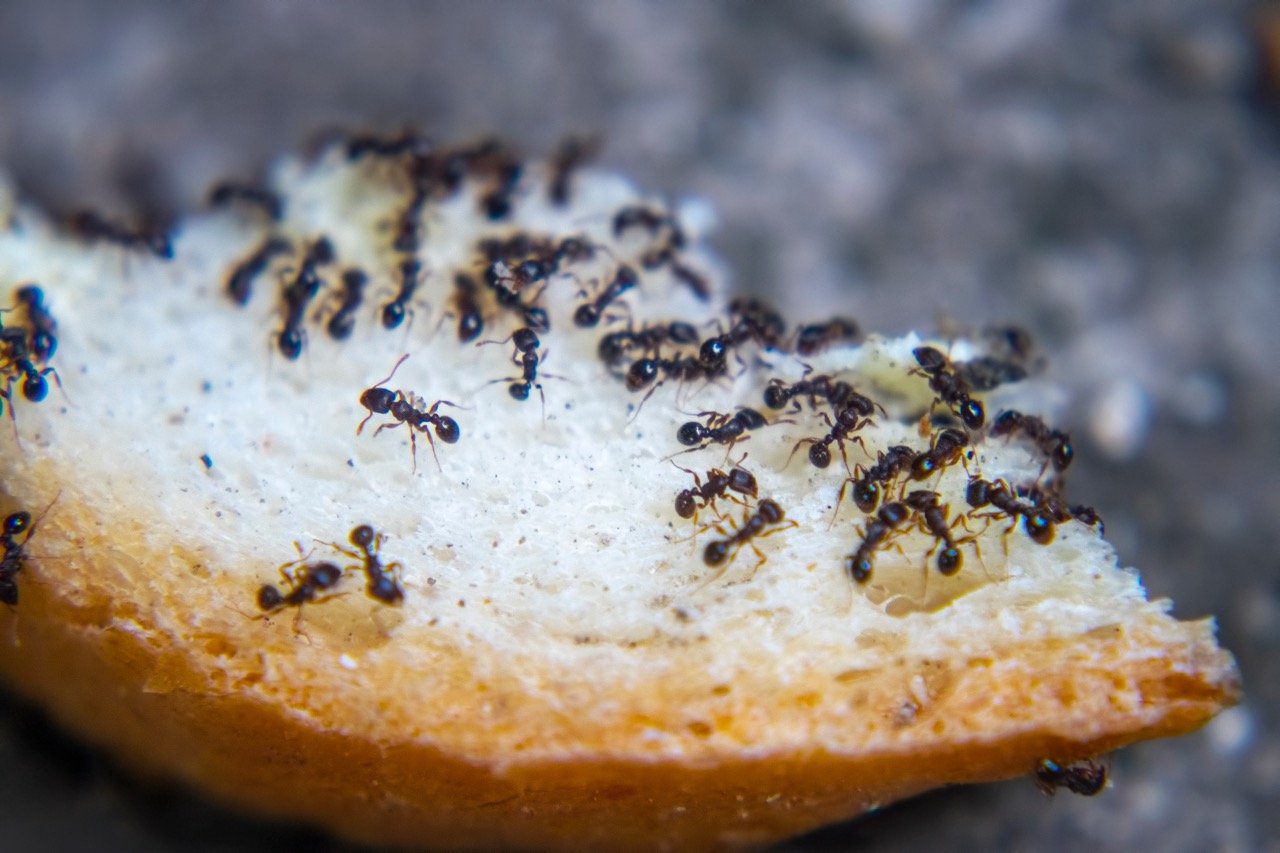
Florida is home to many different ant species, and homeowners may encounter them indoors and outdoors throughout the year.
Some common concerns include:
- Ghost ants.
- Carpenter ants.
- Fire ants.
- Argentine ants.
Tiny ghost ants frequently appear around kitchens and bathrooms, where moisture and food are readily available.
Other ants may establish nests around landscaping, foundations, or damaged wood.
Because different species can require different treatment strategies, accurate identification is important when an ant problem becomes persistent.
4. Mosquitoes
Florida’s warm climate and frequent rainfall make mosquitoes a major outdoor pest concern.
Mosquitoes require water for reproduction, and even very small amounts of standing water can provide suitable breeding conditions.
Potential breeding areas around residential properties include:
- Plant saucers.
- Bird baths.
- Buckets.
- Clogged gutters.
- Pool covers.
- Outdoor toys.
- Decorative containers.
Homeowners can reduce mosquito activity by regularly eliminating standing water and maintaining landscaping.
Professional mosquito control may also help manage populations around outdoor living areas.
5. Rodents
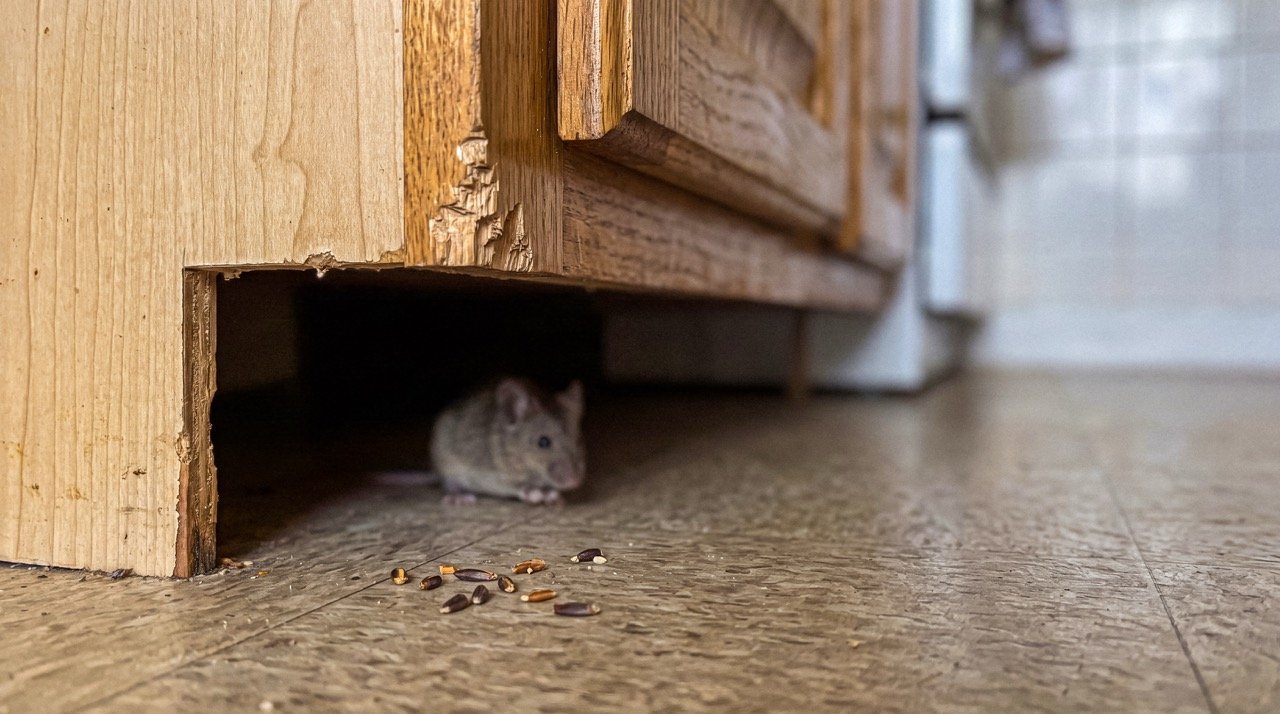
Rats and mice can become problems when they find reliable access to food, water, and shelter around residential properties.
Rodents may enter through small openings and establish nests in protected areas such as:
- Attics.
- Garages.
- Wall voids.
- Storage areas.
- Crawl spaces.
Possible signs of rodent activity include droppings, gnaw marks, scratching noises, damaged food packaging, and nesting materials.
Beyond being a nuisance, rodents can contaminate food and damage materials around the home.
Sealing potential entry points is one of the most important parts of rodent prevention.
6. Bed Bugs
Bed bugs are excellent hitchhikers and can be transported from one location to another on luggage, clothing, furniture, and personal belongings.
They aren’t necessarily associated with poor cleanliness, which means even well-maintained homes can experience an infestation.
Common warning signs include:
- Unexplained bites.
- Dark spots around mattresses.
- Small blood stains on bedding.
- Shed skins.
- Eggs or eggshells.
- Live bed bugs.
Because these pests can hide inside very small cracks and spread beyond beds, established infestations can be challenging to manage without professional assistance.
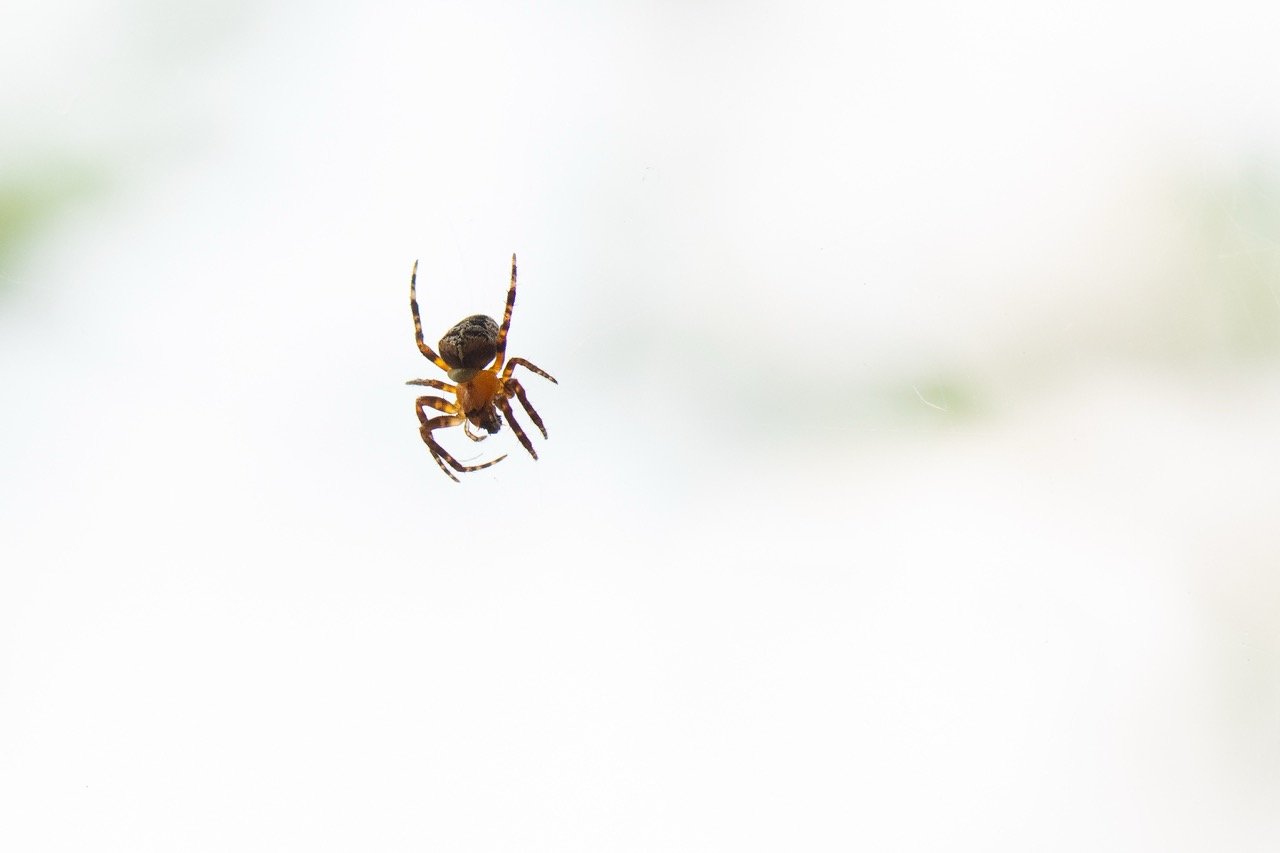
7. Spiders
Spiders are common throughout Florida and frequently appear around homes where other insects are available as prey.
They may build webs near:
- Windows.
- Garages.
- Outdoor lighting.
- Patios.
- Landscaping.
- Storage areas.
Many spiders homeowners encounter are primarily a nuisance and can even help control other insects outdoors.
However, frequent indoor spider activity may indicate that other pests are providing a reliable food source.
Reducing overall insect populations can therefore help reduce spider activity as well.
8. Fleas and Ticks
Homes with pets may be particularly familiar with fleas and ticks, although pets aren’t the only way these pests can appear around a property.
Fleas may be associated with wildlife or outdoor environments, while ticks often occur in grassy or vegetated areas where they can encounter people and animals.
Helpful preventive measures include:
- Maintaining landscaping.
- Keeping grass trimmed.
- Checking pets after outdoor activities.
- Following veterinarian-recommended parasite prevention.
- Addressing pest activity promptly.
If fleas become established indoors, their life cycle can make the infestation difficult to eliminate through surface cleaning alone.
9. Wasps and Other Stinging Insects
Florida’s climate also supports various stinging insects.
Wasps may build nests around:
- Rooflines.
- Eaves.
- Sheds.
- Garages.
- Trees.
- Outdoor structures.
Small nests can become larger as colonies develop.
Homeowners should use caution around active nests, particularly when they’re located near doors, patios, children’s play areas, or other frequently used spaces.
Professional removal may be the safest approach when a nest is difficult to access or pest activity is significant.
Which Pests Are Most Active During Florida’s Rainy Season?
Florida’s rainy season can significantly influence pest behavior.
Standing water can encourage mosquito reproduction, while saturated soil and flooded outdoor hiding areas may cause ants and cockroaches to relocate.
Moisture can also create favorable conditions around structures for certain termite species.
After periods of heavy rain, homeowners may notice increased activity from:
- Mosquitoes.
- Cockroaches.
- Ants.
- Termites.
Maintaining drainage and addressing moisture problems can help reduce pest-friendly conditions around the home.
Does Florida Have Pest Problems During Winter?
Yes.
While activity levels vary depending on the pest and local weather conditions, Florida’s mild climate means pest prevention doesn’t necessarily stop when summer ends.
Cockroaches, ants, termites, rodents, and other pests may continue to cause problems during cooler months.
Some pests may even move indoors when outdoor conditions become less favorable.
For this reason, year-round prevention can be more effective than only responding to pest problems during warmer months.
How Can Florida Homeowners Prevent Pest Problems?
There is no single solution that prevents every type of pest, but several basic home maintenance habits can make your property less attractive.
Homeowners can:
- Eliminate standing water.
- Repair plumbing leaks.
- Keep food properly stored.
- Clean spills and crumbs promptly.
- Seal cracks and structural gaps.
- Maintain landscaping.
- Keep gutters and drainage systems clear.
- Reduce unnecessary clutter.
- Monitor signs of pest activity.
- Schedule routine pest inspections.
The goal is to reduce access to the three things most pests need: food, water, and shelter.
When Is Professional Pest Control Necessary?
Seeing one insect doesn’t always mean your home has an infestation.
However, repeated pest activity can indicate a larger issue that may be difficult to identify without professional experience.
Consider scheduling an inspection when:
- Pests keep returning.
- You’re finding activity in multiple areas.
- You suspect termites or rodents.
- DIY treatments aren’t working.
- You’re unsure which pest is present.
- You want to establish a preventive pest control plan.
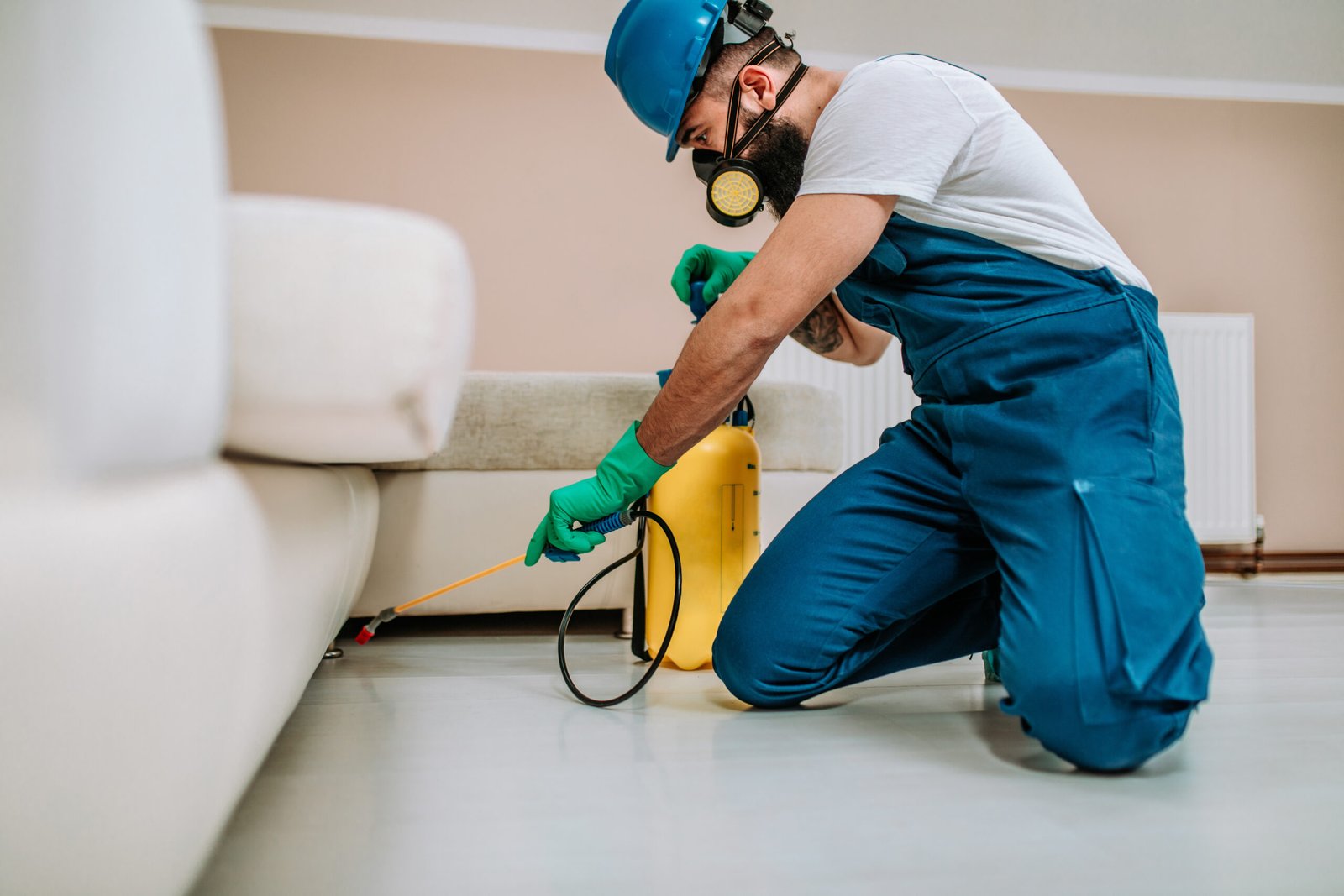
Professional pest control can help identify the species involved, locate potential sources of activity, and determine an appropriate treatment strategy for the property.
Protect Your Florida Home Year-Round
Living in Florida means enjoying a climate that many people love—but unfortunately, pests enjoy it too.
Termites, mosquitoes, cockroaches, ants, rodents, bed bugs, and other common pests in Florida can become household problems when they find the right combination of food, moisture, and shelter.
Understanding what to watch for is the first step. Maintaining your property, reducing pest-friendly conditions, and addressing suspicious activity early can help prevent small problems from becoming larger infestations.
Contact 911 Home Helps Today
Not sure what’s crawling, flying, or hiding around your home? 911 Home Helps can help identify the problem and determine the right pest control approach for your property.