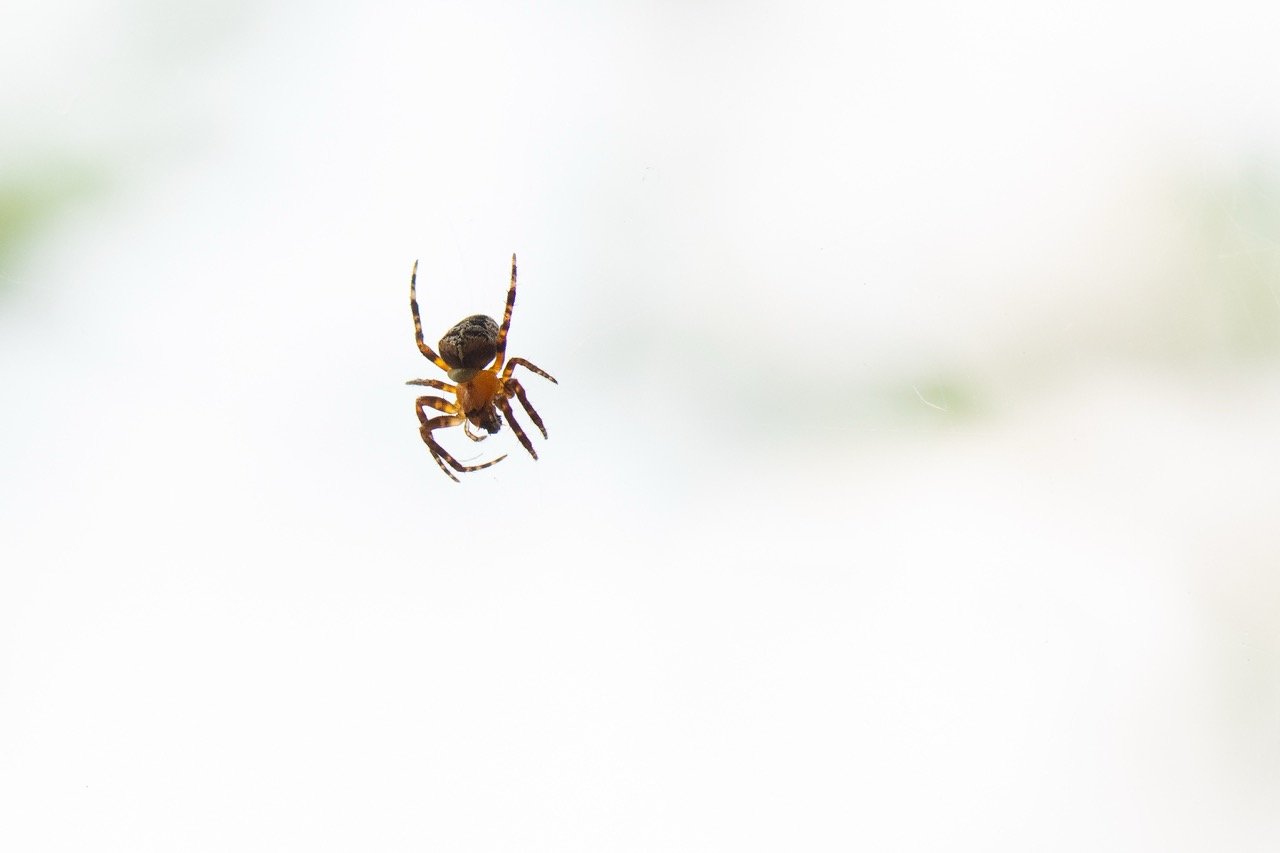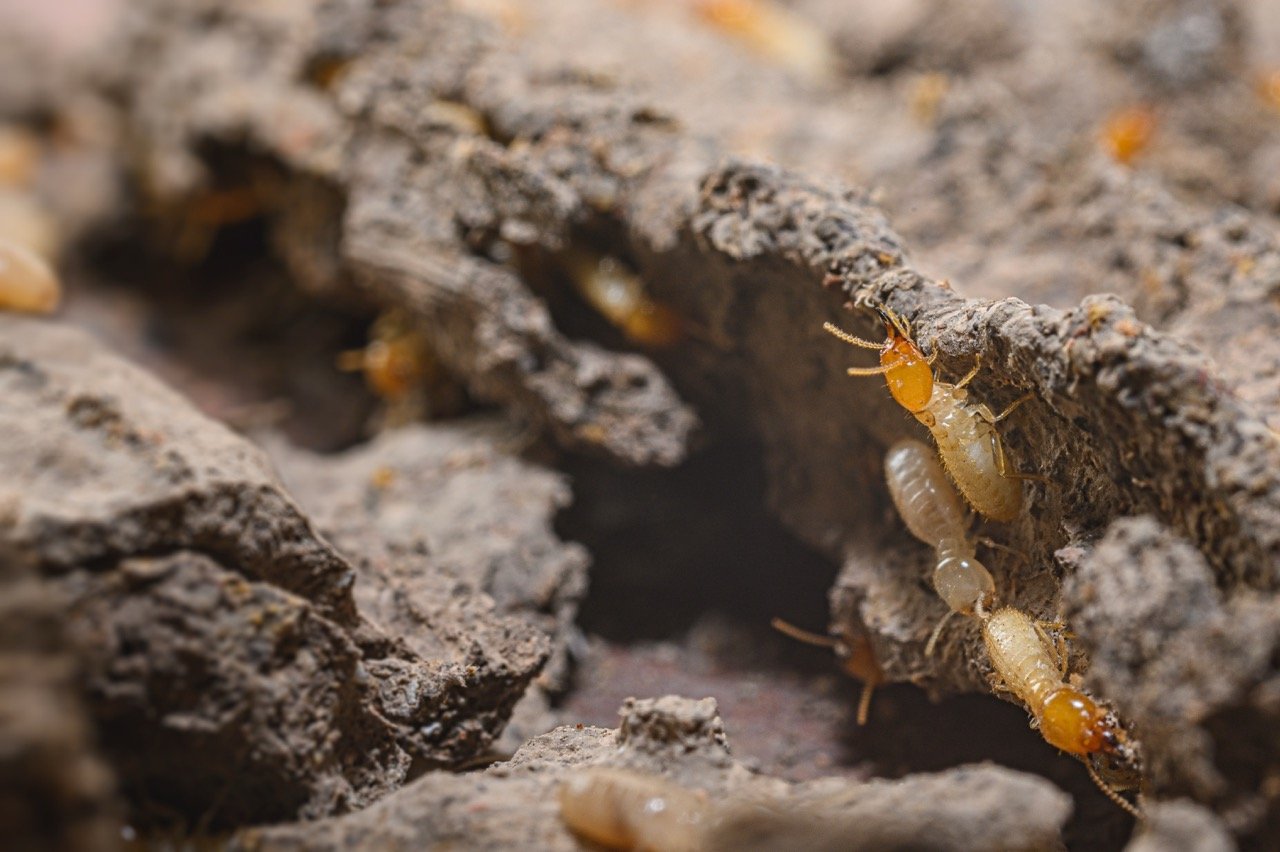
You notice a group of winged insects around a window, patio door, or light fixture. At first, they look like flying ants—but then you start wondering: could they actually be termites?
Knowing the difference between flying ants vs termites is important, especially for homeowners in Florida, where warm temperatures and humidity create favorable conditions for termite activity.
While the two insects can look surprisingly similar from a distance, there are several key differences in their wings, antennae, body shape, and behavior. Identifying what you’re seeing can help determine whether you’re dealing with a common ant problem or a potential termite infestation that deserves immediate attention.
Here’s what Florida homeowners should know.
Why Are Flying Ants and Termites Easy to Confuse?
Both ants and termites produce winged reproductive members of their colonies. These insects leave established colonies to reproduce and form new ones, often appearing together in groups known as swarms.
Because both can:
- Have wings.
- Appear suddenly.
- Gather around windows or lights.
- Swarm in large numbers.
- Shed their wings.
it’s understandable that homeowners may confuse one for the other.
However, looking closely at a few physical characteristics can make identification much easier.
Flying Ants vs Termites: The Main Differences
When comparing flying ants vs termites, pay attention to three primary features: antennae, wings, and body shape.
1. Antennae
Flying ants typically have bent or elbowed antennae.
Termites have straight antennae that may appear somewhat bead-like.
If you can safely observe the insect closely, antenna shape can provide one of the easiest clues.
2. Wings
Both insects may have two pairs of wings, but their proportions are different.
Flying ants generally have:
- Larger front wings.
- Smaller rear wings.
Termite swarmers generally have:
- Two pairs of wings that are similar in size.
- Wings that extend beyond the body.
Termite wings may also detach easily, which is why homeowners sometimes discover piles of discarded wings without seeing the insects themselves.
3. Body Shape
Body shape provides another useful distinction.
Flying ants have a clearly defined, narrow waist between the thorax and abdomen.
Termites have a broader, straighter body without the sharply pinched waist associated with ants.
From a distance, termite bodies may appear more uniform in width.
Quick Comparison: Flying Ant or Termite?
If you’re trying to identify an insect at home, remember these basic differences:
Flying ants:
- Bent antennae.
- Narrow waist.
- Unequal wing sizes.
- Clearly segmented appearance.
Termites:
- Straight antennae.
- Broad waist.
- Equal-sized wings.
- More uniform body shape.
While these characteristics can help, identifying tiny insects isn’t always easy. If you’re unsure, having a pest control professional inspect the insects or your property is the safest option.
Why Are There Flying Ants in Your Home?
Seeing flying ants doesn’t necessarily mean your property has structural damage.
Winged ants emerge from established colonies when conditions are suitable for reproduction. They may enter homes through:
- Windows.
- Doors.
- Small exterior gaps.
- Cracks around the foundation.
- Utility openings.
However, repeated swarming indoors may indicate that an ant colony is located somewhere within or close to the structure.
The species also matters. Some ants are primarily a nuisance, while others, such as carpenter ants, may nest in moisture-damaged wood.
Why Are There Flying Termites in Your Home?
Flying termites—also called termite swarmers or alates—are reproductive members of a mature termite colony.
When environmental conditions are right, they leave their existing colony to find mates and establish new colonies.
Seeing a termite swarm outdoors doesn’t automatically mean your home is infested. Termites are naturally present in Florida’s environment.
Finding swarmers inside your home, however, is much more concerning.
Indoor termite swarmers may indicate that an established colony is located within or very close to the structure.
What Do Discarded Wings Mean?
Sometimes you won’t see the swarm itself.
Instead, you may discover small piles of wings around:
- Windowsills.
- Sliding glass doors.
- Door frames.
- Light fixtures.
- Baseboards.
After termite swarmers find a suitable location, they shed their wings.
Discarded termite wings inside the home are an important warning sign and should not be ignored.
If you find unexplained wings, collecting a few in a small container or taking a clear photo may help a pest control professional identify them.
When Do Termites Swarm in Florida?
Florida’s climate supports termite activity throughout much of the year, but swarming periods can vary depending on termite species and local environmental conditions.
Temperature, humidity, rainfall, and time of day can all influence swarming activity.
This is especially important in Florida because the state is home to multiple types of termites, including subterranean and drywood termites.
Rather than assuming that a particular month is “termite season,” homeowners should remain alert to warning signs throughout the year.
Other Signs of Termites to Watch For
Flying termites aren’t the only indication of an infestation.
Homeowners should also watch for:
- Mud tubes around foundations.
- Hollow-sounding wood.
- Soft or damaged wood.
- Small holes in wooden surfaces.
- Termite droppings, also known as frass.
- Bubbling or damaged paint.
- Warped flooring.
- Doors or windows becoming difficult to open.
Termites often remain hidden inside wood or underground, which means significant activity can exist without obvious insects walking around your home.
Are Flying Ants Less Serious Than Termites?
Generally, finding flying ants is less concerning from a structural perspective than discovering termites.
However, that doesn’t mean they should always be ignored.
Repeated ant activity may indicate a nearby colony, and certain species can become persistent household pests.
Termites present a different concern because they feed on cellulose materials and can damage wooden components of a property over time.
The most important thing is accurate identification. Treating termites as though they’re ordinary ants can allow an infestation to continue unnoticed.
Should You Spray Flying Insects Immediately?
Seeing dozens of insects suddenly appear inside your home can make grabbing insect spray feel like the obvious solution.
However, killing visible swarmers doesn’t necessarily solve the underlying problem.
Swarming insects are only one part of a much larger colony. If termites are responsible, the main colony may remain hidden within the structure, soil, or nearby wooden materials.
Rather than focusing only on the insects you can see, determine where they’re coming from and whether additional signs of infestation are present.
What Should You Do If You Suspect Termites?
If you think the insects you’ve found may be termites:
- Avoid disturbing suspicious areas unnecessarily.
- Look for discarded wings and other warning signs.
- Take photos of the insects if possible.
- Keep a specimen for identification when practical.
- Schedule a professional termite inspection.
A professional inspection can help determine whether termites are present, identify the type of activity, and recommend an appropriate next step.
Why Professional Identification Matters
When comparing flying ants vs termites, small visual differences can have major implications.
Misidentifying termites as ants may delay treatment while the colony continues damaging wooden structures.
A trained pest control professional can evaluate:
- The insects themselves.
- Swarming locations.
- Evidence of termite activity.
- Potential entry points.
- Areas vulnerable to infestation.
This allows homeowners to move from guessing to understanding exactly what is happening on their property.
Don’t Ignore Winged Insects Around Your Home
Finding winged insects doesn’t automatically mean you have termites, but it’s worth determining exactly what you’re dealing with.
Remember the key differences: flying ants have bent antennae, uneven wings, and narrow waists, while termites generally have straight antennae, similarly sized wings, and broader bodies.
And if those insects are appearing indoors or you’re finding piles of discarded wings, a professional inspection can provide the answers you need.
Contact 911 Home Helps Today
Not sure whether you’re seeing flying ants or termites? 911 Home Helps can help identify the pest and determine whether your Florida home needs treatment.