Tiny ants suddenly appearing around your kitchen sink, bathroom, or countertops can be surprisingly difficult to eliminate. In Florida, one of the pests commonly responsible for these frustrating trails is the ghost ant.
Ghost ants in Florida thrive in the state’s warm, humid environment and frequently make their way into homes searching for food, water, and shelter. Because they’re extremely small and can establish colonies in hidden locations, what begins as a few ants near the sink can quickly become a recurring household problem.
Understanding why ghost ants enter your home, what attracts them, and where they tend to hide can help you recognize an infestation and take the right steps to control it.
What Are Ghost Ants?
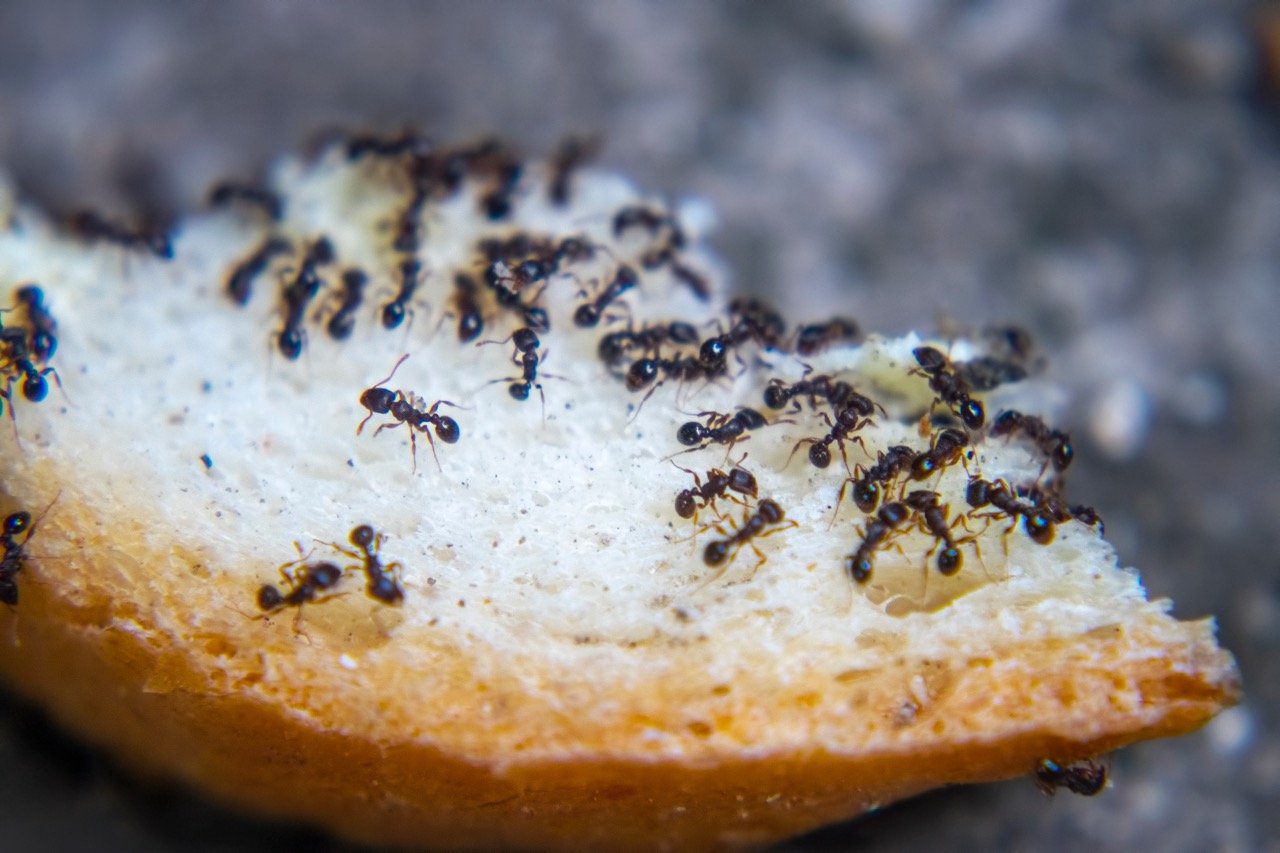
Ghost ants are tiny ants known for their unusual appearance. Their head and thorax are typically dark brown, while their abdomen and legs are much lighter and can appear almost translucent.
This combination makes them difficult to see against light-colored surfaces—hence the name “ghost ant.”
These ants are very small, but their colonies can become extensive. Instead of relying on a single nest, ghost ant populations can establish multiple connected nesting sites with multiple queens.
That ability is one reason infestations can be challenging to eliminate without addressing the entire colony.
Why Are Ghost Ants in Florida So Common?
Florida provides excellent conditions for ghost ants.
They prefer warm and humid environments, making the state’s climate particularly suitable for their survival throughout much of the year.
Properties can provide everything ghost ants need:
- Warm temperatures.
- High humidity.
- Reliable water sources.
- Landscaping and vegetation.
- Plenty of indoor food sources.
Heavy rainfall and changes in outdoor conditions may also encourage ants to move indoors in search of more stable shelter.
Why Are Ghost Ants Entering Your Home?
Like many household pests, ghost ants are primarily looking for three things: food, moisture, and shelter.
A home doesn’t need to be dirty to attract them. A few crumbs, a small amount of moisture beneath the sink, or an accessible entry point may be enough.
Once worker ants discover a food source, they can establish trails that lead other members of the colony directly to it.
This is why a couple of ants can seemingly turn into a steady trail overnight.
What Attracts Ghost Ants?
Ghost ants are particularly attracted to sugary foods and moisture.
Common attractants include:
- Sugar.
- Syrup.
- Fruit.
- Juice spills.
- Sweet snacks.
- Food crumbs.
- Pet food.
- Moisture around sinks.
Even small amounts of residue that are easy to overlook can provide a food source.
Keeping kitchens and other food preparation areas clean is therefore an important part of prevention, although sanitation alone may not eliminate an established colony.
Where Do Ghost Ants Hide Inside Homes?
One of the biggest challenges with ghost ants is their ability to nest in small, protected areas.
Indoors, they may establish colonies:
- Behind baseboards.
- Inside wall voids.
- Under cabinets.
- Around sinks.
- Near plumbing.
- Behind appliances.
- Inside small cracks and crevices.
Bathrooms and kitchens are particularly attractive because they provide regular access to moisture.
Outdoors, ghost ants may be found around vegetation, beneath objects, near foundations, and in other protected areas close to the home.
How Can You Tell If You Have Ghost Ants?
Because ghost ants are so small, identification can be difficult without experience.
Homeowners often first notice:
- Tiny ants moving across countertops.
- Trails near sinks.
- Ants around bathroom fixtures.
- Activity near food storage areas.
- Ants repeatedly returning after cleaning.
Their translucent abdomen and legs can make it appear as though only the darker front portion of the ant is moving across a surface.
If you’re unsure which ant species is present, professional identification is helpful because treatment strategies can vary depending on the species.
Why Do Ghost Ants Keep Coming Back?
You clean the counter, remove the ants you can see, and everything looks fine.
Then they’re back the next morning.
Sound familiar?
The ants visible inside your home are typically worker ants searching for food and water. Eliminating those workers doesn’t necessarily affect the colonies hidden elsewhere.
Ghost ants can also establish multiple nesting sites. If treatment doesn’t address the broader infestation, activity can continue.
That’s why recurring trails are often a sign that the problem extends beyond the few ants you see.
Can Spraying Ghost Ants Make the Problem Worse?
This is where ghost ant control can become tricky.
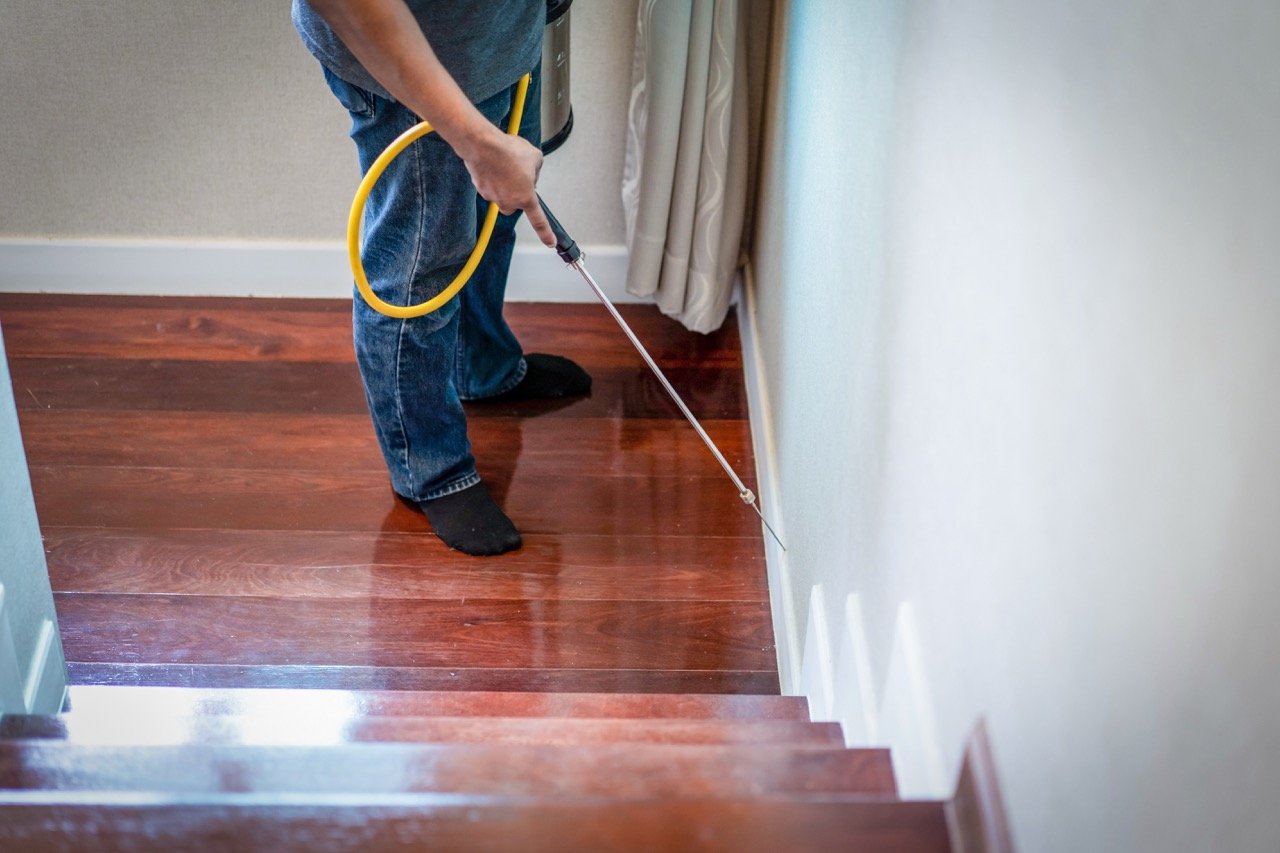
Using certain repellent sprays may kill visible ants, but disturbing a colony can sometimes cause it to split or relocate. This behavior can result in additional nesting sites and make the infestation more difficult to manage.
Rather than focusing exclusively on the ants walking across the counter, effective control requires understanding where they’re coming from and how the colony is structured.
Professional pest control technicians can identify the species and select an appropriate treatment strategy instead of relying solely on surface sprays.
How to Help Prevent Ghost Ants
While established infestations may require professional treatment, homeowners can make their properties less attractive to ants.
Keep Food Areas Clean
Clean spills and crumbs promptly, especially sugary residue.
Pay attention to areas beneath:
- Toasters.
- Coffee makers.
- Refrigerators.
- Pet food bowls.
These spots can easily accumulate food without being noticed.
Store Food in Sealed Containers
Pantry items and sweet foods should be stored securely whenever possible.
Don’t forget pet treats and food, which can also attract ants.
Address Moisture Problems
Inspect kitchens and bathrooms for leaks and excess moisture.
Check:
- Faucets.
- Pipes beneath sinks.
- Dishwasher connections.
- Damp cabinets.
Reducing available moisture can make your home less inviting.
Seal Entry Points
Ghost ants are tiny enough to enter through extremely small openings.
Inspect gaps around:
- Windows.
- Doors.
- Plumbing.
- Exterior walls.
- Utility penetrations.
Sealing accessible openings can help reduce indoor pest activity.
Maintain Landscaping
Vegetation touching the house can provide pests with convenient access to the structure.
Keep shrubs and tree branches properly maintained and monitor areas around your foundation for pest activity.
Ghost Ants vs. Other Household Ants
Not every tiny ant in your kitchen is a ghost ant.
Florida homes can experience several ant species, and they don’t necessarily respond to the same treatment methods.
This makes accurate identification especially important.
A pest control professional can evaluate characteristics such as appearance, behavior, trail patterns, and nesting locations to determine which species is present.
Once the pest has been identified, a targeted treatment strategy can be developed.
When Should You Call a Professional?
Finding one or two ants occasionally doesn’t always indicate a major infestation. However, repeated activity deserves attention.
Consider professional pest control if:
- Ant trails return frequently.
- Ants are appearing in multiple rooms.
- You can’t identify where they’re entering.
- DIY treatments haven’t solved the problem.
- Activity is increasing.
- You suspect nests may be inside the structure.
Early treatment can help prevent a manageable pest issue from becoming a larger infestation.
Keep Ghost Ants Out of Your Florida Home
Ghost ants in Florida may be tiny, but controlling an established infestation can be surprisingly challenging. Their preference for moisture, ability to nest in hidden locations, and colony structure allow them to become persistent household pests.
Good sanitation, moisture control, exterior maintenance, and sealing potential entry points can all help reduce your risk.
When ghost ants continue to return despite those efforts, professional pest control can identify the source of the activity and provide a more effective long-term solution.
Contact 911 Home Helps Today
Are tiny ants constantly showing up around your kitchen, bathroom, or other areas of your home? 911 Home Helps can help identify what’s causing the problem and determine the right approach for your property.