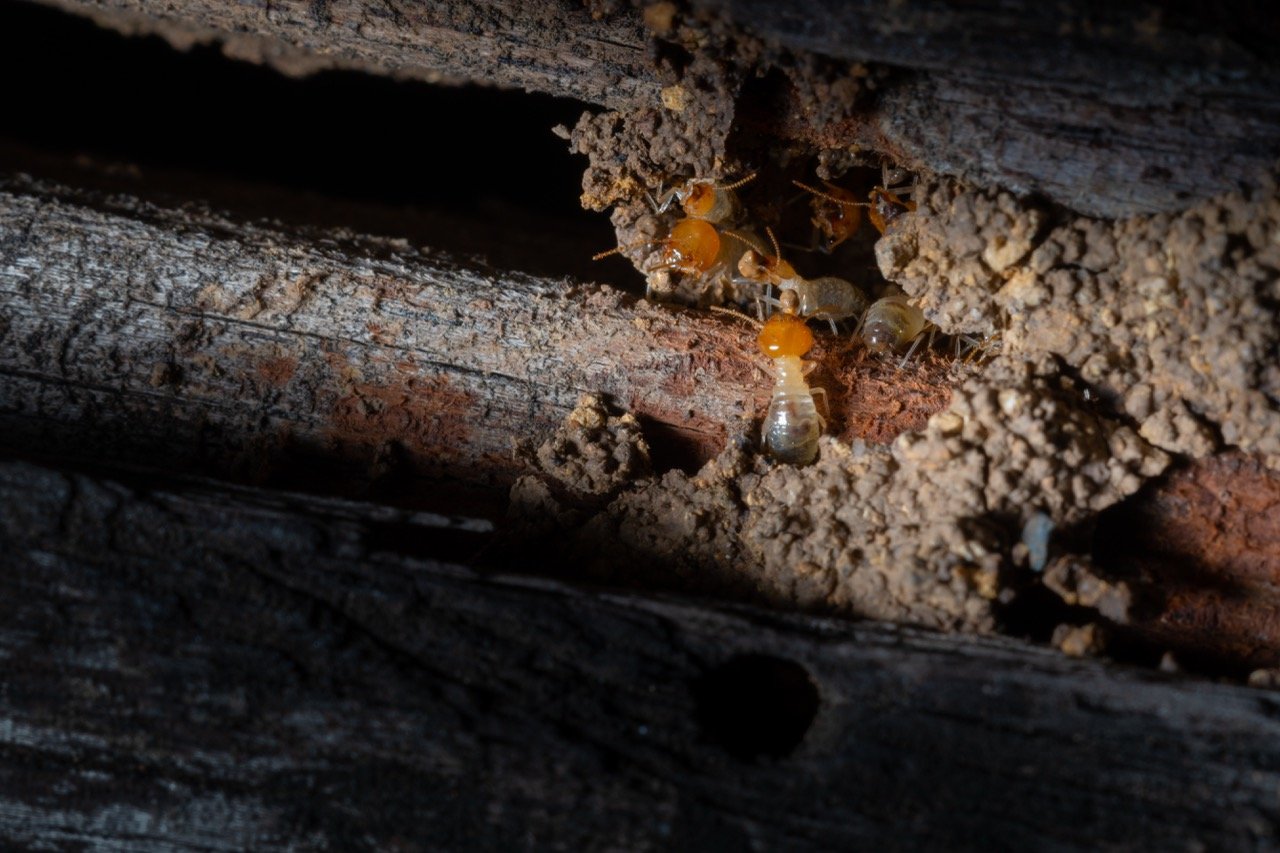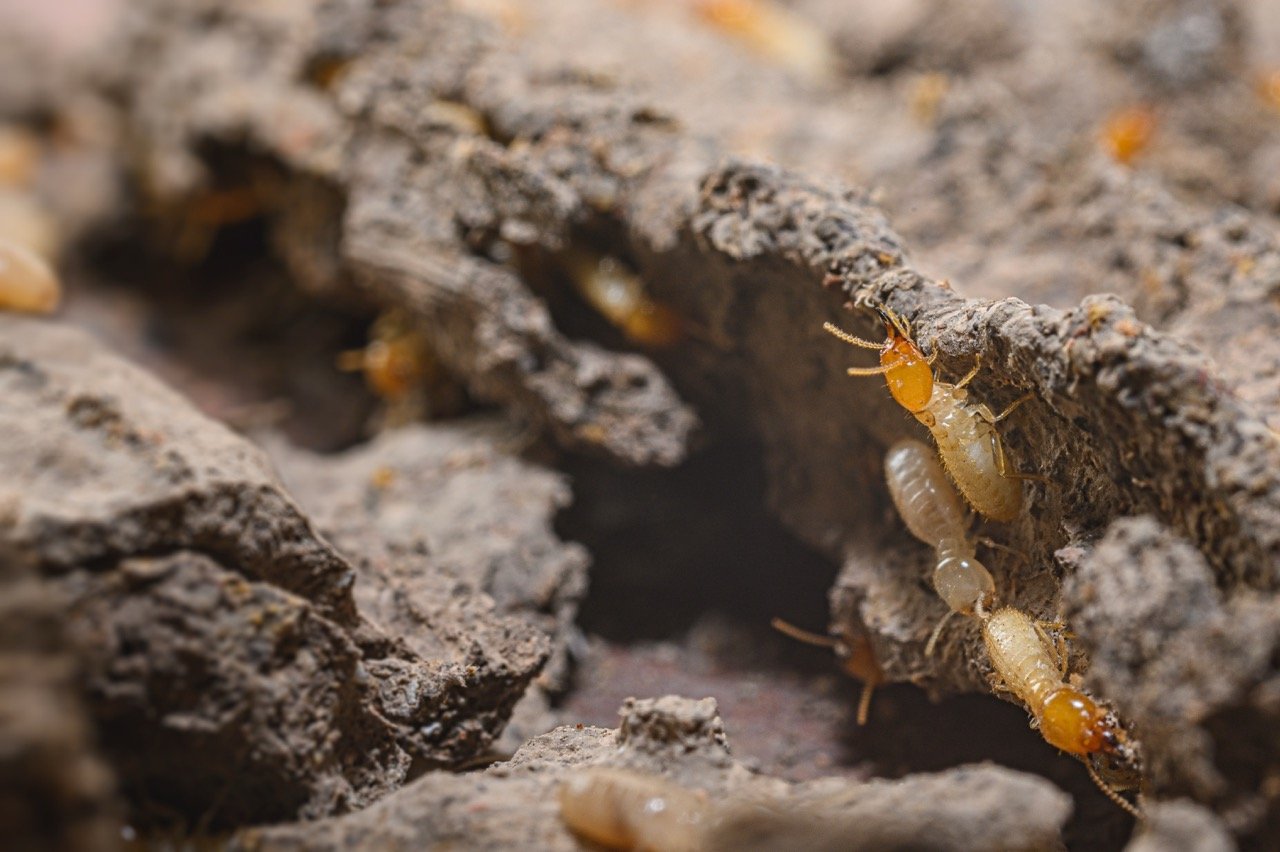
Unlike ants crawling across a kitchen counter or rodents making noise in the attic, termites can remain active in areas of a home that homeowners rarely see. Depending on the species and location of the activity, they may feed inside wood, behind walls, beneath flooring, or in other concealed areas.
This leads to an important question: how long can termites go unnoticed?
Unfortunately, there is no universal timeline.
Termite activity can sometimes remain hidden for an extended period because much of what termites do happens away from everyday view. The time it takes a homeowner to notice them depends on the termite species, location of the colony, extent of the activity, property conditions, and whether recognizable warning signs appear.
That’s why understanding what to look for—and knowing when professional inspection may be appropriate—is especially important for Florida homeowners.
Why Can Termites Be So Difficult to Detect?
Termites don’t typically behave like many other household pests.
You may notice ants because they form visible trails. Cockroaches may eventually appear in kitchens or bathrooms. Rodents can leave droppings and make scratching noises.
Termites, however, can spend much of their time concealed.
Depending on the type of termite, activity may occur:
- Inside wooden materials.
- Behind walls.
- Around structural components.
- Beneath flooring.
- In soil near the structure.
- Inside furniture or other wooden objects.
A homeowner can therefore have termite activity without seeing insects walking openly through the house.
So, How Long Can Termites Go Unnoticed?
There is no reliable number of days, months, or years that applies to every infestation.
Some homeowners notice activity relatively quickly because they encounter obvious signs, such as swarmers or termite droppings.
Others may not recognize the problem until additional evidence appears.
Several factors affect how quickly termites are discovered:
- The termite species.
- Where activity is located.
- How accessible the affected area is.
- The size and development of the colony.
- Whether swarmers appear.
- Whether homeowners recognize early warning signs.
- How frequently the property is professionally inspected.
Rather than relying on a specific timeline, homeowners should focus on identifying evidence as early as possible.
Termites Can Work Behind the Surface
One reason termite activity may remain unnoticed is that the visible surface of a material doesn’t always tell the entire story.
Wood may appear relatively normal from the outside while insects are active within or around concealed portions of the structure.
Homeowners generally don’t inspect the interior of walls, framing, or other hidden structural areas during everyday life.
That gives termites an opportunity to remain out of sight.
By the time obvious damage becomes visible, activity may have been present longer than the homeowner realizes.
Different Termites Leave Different Clues
Florida is home to different types of termites, and their behavior can affect which warning signs homeowners notice.
For example, drywood termites live within the wood they infest and may produce small pellet-like droppings known as frass.
Subterranean termites have a different relationship with the structure and soil and may produce mud tubes as they travel between resources.
This matters because homeowners shouldn’t expect every termite problem to look exactly the same.
The absence of one particular sign doesn’t necessarily rule out termite activity.
Termite Droppings May Be an Early Warning Sign
One of the more recognizable signs associated with certain termites is frass.
These tiny pellets may accumulate beneath small openings in infested wood.
Homeowners sometimes mistake them for:
- Sawdust.
- Dirt.
- Sand.
- Ordinary household debris.
If you clean up a small pile and similar material repeatedly returns to the same location, it’s worth investigating.
However, not every termite species produces visible piles of frass, so the absence of termite droppings doesn’t prove your home is termite-free.
Watch for Discarded Wings
Another sign homeowners may encounter is discarded wings.
During reproductive events, termite swarmers leave established colonies to form new ones.
After swarming, wings may be found around:
- Windows.
- Doors.
- Light sources.
- Window sills.
- Other areas where insects gather.
Finding wings indoors can be particularly concerning because it may suggest termite activity associated with the structure.
Because flying ants can sometimes be confused with termite swarmers, professional identification can be helpful.
What Does a Termite Swarm Mean?
A termite swarm can be one of the most noticeable signs of activity.
For some homeowners, it’s the first indication that termites may be nearby.
Swarmers may suddenly appear around a property, sometimes in significant numbers.
Seeing them doesn’t automatically tell you:
- Where the colony is located.
- How long it has been present.
- Whether structural materials are affected.
- Which treatment may be appropriate.
It does, however, provide a strong reason to investigate further.
Mud Tubes Can Indicate Subterranean Termites
Subterranean termites may construct mud tubes that help them travel between soil and food sources while maintaining favorable conditions.
These tubes may appear around:
- Foundations.
- Exterior walls.
- Crawl spaces.
- Structural supports.
- Other protected areas.
Because homeowners don’t always inspect these locations closely, tubes may remain unnoticed.
If you discover suspicious mud-like structures around your home, avoid assuming they’re harmless without proper identification.
Wood Changes Can Be Another Warning Sign
In some cases, termite activity becomes noticeable because wood begins to look or behave differently.
Possible signs can include:
- Blistered-looking surfaces.
- Hollow-sounding wood.
- Small openings.
- Crumbling or weakened areas.
- Unexplained changes around wooden components.
However, wood damage can have many causes, including moisture and other insects.
A professional inspection can help distinguish termite activity from other problems.
Can You Have Termites Without Seeing Any Damage?
Yes.
Visible damage isn’t required for termite activity to be present.
This is one of the reasons termites can go unnoticed.
Homeowners may assume everything is fine because:
- Walls look normal.
- Floors appear intact.
- No insects are visible.
- No obvious wood damage is present.
But termites may be active in concealed locations.
Waiting for major visible damage before considering an inspection can mean waiting for one of the later warning signs rather than looking for earlier evidence.
Why Florida Homes Need Particular Attention
Florida provides conditions that can support termite activity, making awareness particularly important for homeowners.
Warm temperatures and humidity are part of the state’s environment, and different termite species may be encountered in residential areas.
Homes can also contain numerous potential food sources, including wooden structural components, trim, furniture, and other cellulose-based materials.
Landscaping can influence conditions around the structure as well.
For example, homeowners should pay attention to:
- Wood stored near the house.
- Moisture around foundations.
- Tree stumps.
- Wooden debris.
- Areas where soil and structural materials interact.
- Persistent drainage problems.
Maintaining the property doesn’t guarantee termites will never appear, but reducing conducive conditions is an important part of prevention.
Does a Clean Home Prevent Termites?
No.
Termites are not a sign that a home is dirty.
They are primarily interested in cellulose-containing materials and favorable environmental conditions, not whether your countertops are clean.
An immaculate property can still experience termite activity.
This makes termite prevention different from managing pests that are strongly influenced by exposed food and sanitation.
Can Termites Be Hiding in Furniture?
Certain termites can infest wooden items, including furniture.
Suspicious signs may include:
- Small piles of pellets beneath furniture.
- Tiny openings in wood.
- Changes in the wood’s condition.
- Repeated debris appearing beneath the same area.
However, don’t immediately discard furniture based only on an unidentified pile of dust.
Confirming the cause first can help avoid unnecessary decisions.
Should You Break Open Wood to Look for Termites?
Generally, homeowners shouldn’t start damaging walls, trim, furniture, or structural materials simply to search for termites.
Doing so can create unnecessary property damage without providing a clear answer.
Instead, document suspicious signs.
Take photos of:
- Droppings.
- Wings.
- Mud tubes.
- Visible insects.
- Damaged areas.
This information may help during a professional inspection.
Why DIY Termite Treatment Can Be Difficult
Termite management is not simply about killing the insects you can see.
Visible termites may represent only a small portion of the activity associated with a colony.
Effective treatment depends on factors such as:
- Termite species.
- Location of activity.
- Extent of infestation.
- Construction characteristics.
- Environmental conditions.
Using a general insect spray on visible termites doesn’t necessarily address hidden activity.
Professional identification is therefore an important part of determining the appropriate response.
What Happens During a Termite Inspection?
A professional termite inspection focuses on looking for evidence of current or previous activity and conditions that may contribute to termite problems.
Depending on the property, an inspector may examine accessible areas around:
- Exterior walls.
- Foundations.
- Wooden components.
- Attics.
- Garages.
- Windows and doors.
- Areas with moisture.
- Locations where suspicious debris has appeared.
The objective is to gather enough evidence to understand whether termite activity may be present and what should happen next.
Should You Schedule an Inspection Even Without Visible Termites?
You don’t necessarily need to wait until you physically see a termite.
An inspection may be worth considering if:
- You find unexplained pellet-like debris.
- Wings repeatedly appear indoors.
- You notice suspicious mud tubes.
- Wooden areas appear damaged.
- You recently purchased a home and don’t know its termite history.
- The property has experienced termite problems before.
- You’re simply uncertain about suspicious signs.
Because termites can remain concealed, professional evaluation can provide information that a casual visual check may not reveal.
Can Regular Inspections Help Detect Termites Earlier?
Regular monitoring can improve the chances of identifying suspicious activity before homeowners notice more obvious signs.
However, inspection does not mean termites can never appear afterward.
Conditions around properties change over time.
Moisture develops. Landscaping changes. Wooden materials are added. Termite colonies can exist in surrounding environments.
Think of inspection as one part of a broader termite management strategy rather than a permanent guarantee.
What Can Homeowners Do to Reduce Termite Risk?
Although termite activity can’t always be prevented, homeowners can reduce some of the conditions that make properties more vulnerable.
Helpful habits include:
- Addressing moisture problems.
- Repairing plumbing leaks.
- Maintaining proper drainage.
- Removing unnecessary wooden debris.
- Avoiding excessive moisture near the structure.
- Monitoring wooden areas for changes.
- Paying attention to swarmers and discarded wings.
- Investigating recurring piles of suspicious pellets.
The most important habit may simply be paying attention.
Small signs are easier to investigate when they’re noticed early.
Don’t Wait for Major Damage to Look for Termites
The question “how long can termites go unnoticed?” doesn’t have a single answer.
They can remain difficult to detect because much of their activity occurs in places homeowners can’t easily see. Some infestations reveal themselves through droppings, wings, mud tubes, or swarming insects, while others may remain less obvious.
Instead of trying to determine exactly how long termites have been present, focus on what you can control: recognizing warning signs, reducing favorable conditions, and investigating suspicious activity before it progresses.
When you’re uncertain, a professional termite inspection can provide a much clearer picture of what’s happening inside and around your home.
Contact 911 Home Helps Today
Concerned that termites may be hiding in your Florida home? You don’t have to wait until visible damage appears to investigate suspicious activity.
911 Home Helps can inspect your property for signs of termite activity and help determine the appropriate next steps based on what is found.