A beautiful yard can improve curb appeal, create shade, and make outdoor spaces much more enjoyable. But some landscaping conditions can also unintentionally make your property more attractive to insects and rodents.
Florida’s warm temperatures, humidity, frequent rainfall, and dense vegetation already create favorable conditions for many common pests. When landscaping provides additional moisture, shelter, food, or easy access to the structure, pest activity around the home can increase.
So, can your landscaping attract pests?
In some situations, yes. That doesn’t mean you need to remove your garden or give up on lush Florida landscaping. Instead, understanding which conditions pests prefer can help you maintain your outdoor spaces while reducing opportunities for them to move closer to your home.
Why Does Landscaping Attract Pests?
Most pests are looking for the same basic resources:
- Food.
- Water.
- Shelter.
- Protected nesting areas.
Landscaping can provide all four.
Dense plants create shade and protection. Mulch and leaf litter can hold moisture. Trees may provide food or pathways toward the roof. Poor drainage can create standing water.
When these conditions exist immediately next to the house, pests don’t have far to travel before encountering doors, windows, utility openings, or structural gaps.
The goal of pest-conscious landscaping is therefore not to eliminate nature from your property. It’s to create a little separation between outdoor pest habitats and your home.
Mulch Can Create Pest-Friendly Conditions
Mulch is useful for landscaping because it helps retain soil moisture, regulate temperature, and improve the appearance of planting beds.
Those same characteristics can sometimes benefit pests.
Organic mulch can create a protected, moist environment where insects may hide.
Pests may be found around mulch because it provides:
- Shade.
- Moisture.
- Organic material.
- Protection from weather.
Problems are more likely when thick layers of damp mulch sit directly against the structure.
Monitor mulch beds regularly and avoid allowing excessive organic material to accumulate against exterior walls.
Plants Growing Against the House Can Create Pathways
Shrubs and other vegetation can become a problem when they grow directly against exterior walls.
Dense plants may provide hiding areas for:
- Ants.
- Cockroaches.
- Spiders.
- Other insects.
Branches and leaves touching the structure can also create pathways that allow pests to move from landscaping toward windows, rooflines, and other potential entry points.
Keeping vegetation properly trimmed helps create airflow and makes the exterior easier to inspect.
That small gap between landscaping and the structure can also make pest activity easier to notice.
Tree Branches Can Give Rodents Access to the Roof
Certain rodents are excellent climbers.
Tree branches extending over or close to a roof can potentially provide convenient access to elevated parts of the home.
Once there, rodents may investigate:
- Roof gaps.
- Vents.
- Eaves.
- Damaged structural areas.
This is particularly relevant when trying to prevent rodents from entering attics.
Regular tree maintenance can reduce convenient pathways while also making it easier to inspect the roofline for potential entry points.
Leaf Litter Provides Shelter
Fallen leaves and other organic debris can accumulate around:
- Shrubs.
- Fences.
- Foundations.
- Garden beds.
- Outdoor structures.
These materials can retain moisture and provide protected spaces for insects.
Occasional leaves are obviously part of any yard, but thick layers of decomposing debris can create more favorable pest conditions.
Routine yard cleanup helps reduce these hiding areas while keeping landscaping healthier and easier to maintain.
Standing Water Can Increase Mosquito Activity
One of the most important landscaping-related pest concerns in Florida is water.
Mosquitoes require aquatic environments during their immature stages, and homeowners are often surprised by how little water can be enough.
Potential sources include:
- Plant saucers.
- Decorative containers.
- Bird baths.
- Clogged gutters.
- Poorly drained planting beds.
- Outdoor equipment.
- Low areas in the yard.
After Florida rainstorms, inspect the property for water that has accumulated.
Remember that water doesn’t need to form a large puddle to become a potential problem.
Dense Vegetation Can Give Mosquitoes a Place to Rest
Even when standing water isn’t present, landscaping can still contribute to mosquito activity.
Adult mosquitoes often seek shaded, humid, protected environments during parts of the day.
Dense shrubs, tall grass, and thick ground cover can provide those conditions.
Maintaining vegetation doesn’t eliminate mosquitoes entirely, especially when they’re coming from neighboring areas, but it can reduce some of the resting locations available around your home.
Overwatering Can Create Excess Moisture
More water isn’t always better for landscaping—or pest prevention.
Irrigation systems that run too frequently may create:
- Saturated soil.
- Persistent dampness.
- Small puddles.
- Moisture around foundations.
These conditions can attract moisture-seeking pests and contribute to mosquito breeding opportunities.
Check irrigation schedules periodically and make sure water is draining properly.
If the same area remains wet long after irrigation ends, there may be a drainage issue worth addressing.
Wood Piles Can Attract Unwanted Visitors
Firewood, lumber, and other wooden materials can provide shelter for insects and rodents.
When stored directly against the home, these materials place potential pest habitats very close to the structure.
Wood piles can contain:
- Insects.
- Spiders.
- Rodents.
- Other small animals.
Whenever practical, keep stored wood organized and separated from exterior walls.
Avoid allowing wooden debris to remain scattered around the yard for extended periods.
Fruit Trees and Gardens Can Provide Food
Edible landscaping can be a wonderful addition to a property, but fallen fruit and vegetables may provide food for pests.
Potential visitors can include:
- Ants.
- Flies.
- Rodents.
- Other wildlife.
Regularly collect fallen produce and remove decaying organic material.
Compost areas should also be properly managed so they don’t become an easily accessible food source.
Bird Feeders Can Attract More Than Birds
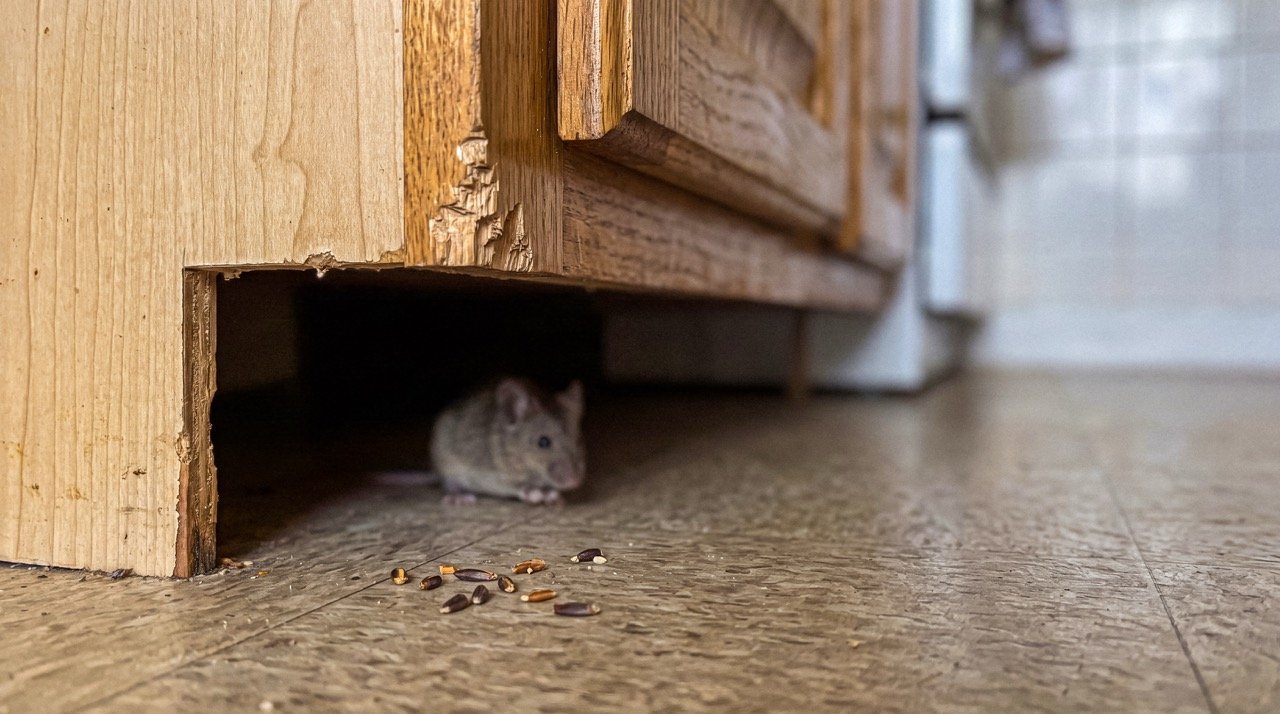
Bird feeders can unintentionally provide food for rodents.
Seed that falls to the ground may attract rats, mice, and other animals.
If you use bird feeders:
- Clean spilled seed regularly.
- Store extra seed in secure containers.
- Monitor the surrounding area for rodent activity.
You don’t necessarily need to remove your bird feeder, but good maintenance can reduce unintended pest attraction.
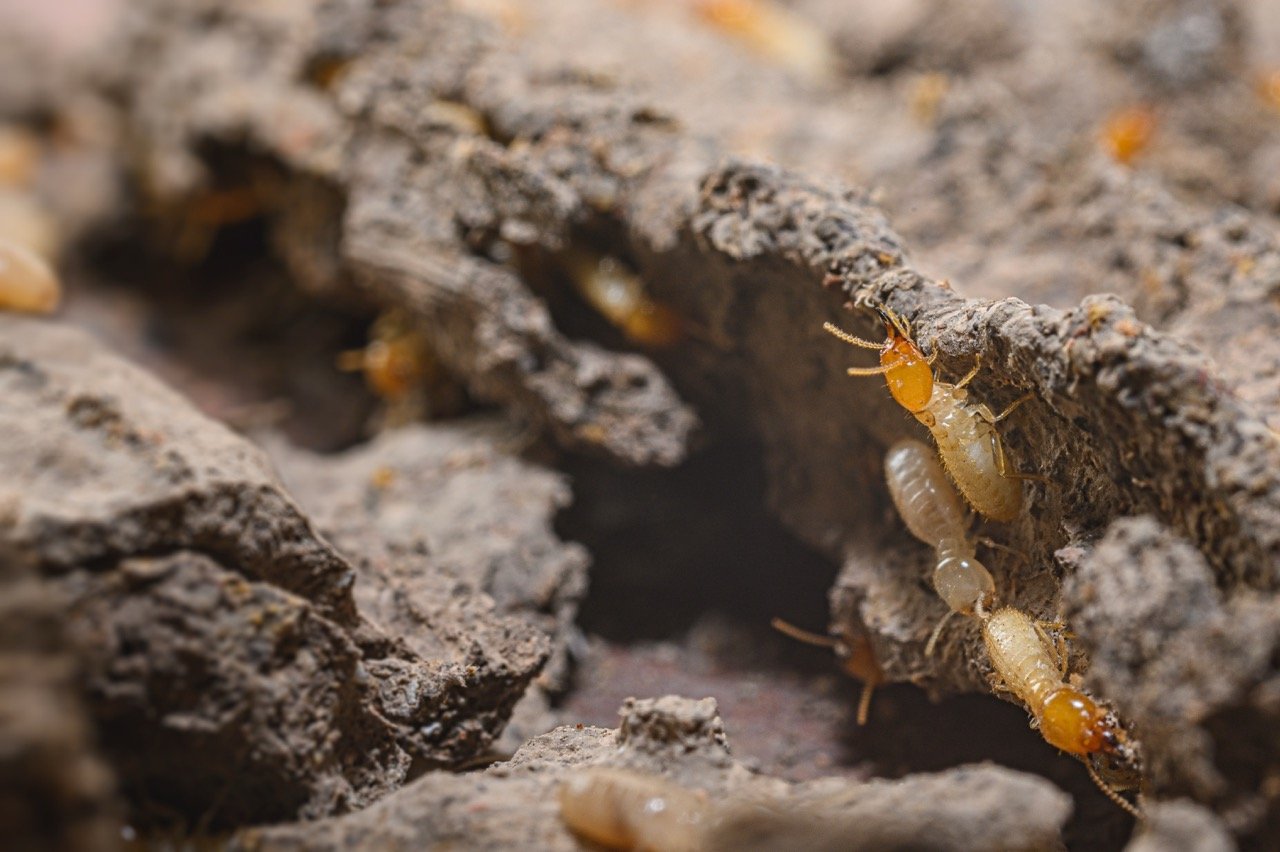
Landscaping and Termites
Termite prevention deserves special consideration around landscaping.
Certain conditions around the structure can make termite activity harder to notice or create favorable moisture conditions.
Homeowners should pay attention to:
- Wood debris.
- Excess moisture.
- Wooden materials in contact with soil.
- Dense landscaping that prevents easy inspection of the foundation.
Different termite species behave differently, so landscaping alone doesn’t determine whether a property will experience an infestation.
However, keeping the perimeter accessible and well maintained can make potential warning signs easier to detect.
Can Outdoor Lighting Attract Bugs?
Exterior lighting can attract various flying insects at night.
Once insects gather around:
- Doors.
- Windows.
- Patios.
- Entryways.
spiders and other predators may also appear because food is readily available.
This doesn’t mean you need to keep your home dark.
However, lighting placement can influence where insect activity concentrates.
Keeping unnecessary lights away from frequently opened doors and monitoring insect activity around entrances may help reduce the number that eventually wander indoors.
Does a Beautiful Yard Automatically Mean More Pests?
No.
Well-maintained landscaping doesn’t automatically cause pest problems.
In fact, routine maintenance can help reduce many pest-friendly conditions.
Problems are more likely when a yard contains combinations of:
- Excess moisture.
- Standing water.
- Dense overgrowth.
- Accumulated debris.
- Food sources.
- Wood piles.
- Vegetation touching the structure.
A healthy, maintained landscape can coexist with an effective pest prevention strategy.
How to Make Your Landscaping Less Attractive to Pests
You don’t need to redesign your entire yard.
Small maintenance habits can make a meaningful difference.
Trim Vegetation
Maintain shrubs, trees, and plants so they don’t create excessive contact with the structure.
Remove Yard Debris
Clean up fallen leaves, branches, and unnecessary organic material.
Monitor Mulch
Avoid excessive buildup directly against exterior walls.
Eliminate Standing Water
Inspect containers and landscaping after rain.
Check Irrigation
Prevent unnecessary overwatering and address drainage issues.
Manage Outdoor Food Sources
Clean fallen fruit, bird seed, pet food, and other edible materials.
Store Wood Properly
Keep firewood and lumber organized and away from the structure where practical.
These measures reduce the resources pests can use while making the property easier to inspect.
Why the Area Around Your Foundation Matters
The perimeter immediately surrounding your home deserves particular attention.
When dense vegetation, mulch, debris, and stored items cover exterior walls, identifying pest activity becomes more difficult.
Keeping this area relatively clear allows homeowners and pest control professionals to more easily notice:
- Ant trails.
- Structural gaps.
- Termite evidence.
- Moisture problems.
- Rodent entry points.
Visibility itself is an important part of prevention.
If you can’t see the exterior of your home, you may not notice early warning signs.
When Should Landscaping-Related Pest Activity Concern You?
Seeing insects outdoors is normal. Your yard is part of an ecosystem, and eliminating every insect isn’t realistic or necessary.
The concern increases when pests begin:
- Entering the home repeatedly.
- Nesting against the structure.
- Appearing in large numbers.
- Damaging property.
- Creating persistent mosquito problems.
- Leaving signs of rodents or termites.
At that point, a professional inspection can help determine whether landscaping conditions are contributing to the issue.
Create a Yard That Works With Your Pest Prevention Strategy
So, does landscaping attract pests?
Certain landscaping conditions can. Excess moisture, dense vegetation, standing water, yard debris, accessible food, and branches touching the structure may all make a property more attractive or accessible to unwanted pests.
But the solution isn’t getting rid of your garden.
Regular maintenance, better drainage, thoughtful plant placement, and keeping the perimeter of your home accessible can help you enjoy Florida’s outdoor lifestyle while reducing pest-friendly conditions around your property.
Contact 911 Home Helps Today
Noticing more ants, cockroaches, mosquitoes, rodents, or other pests around your yard and home? Your landscaping may be contributing to the problem.