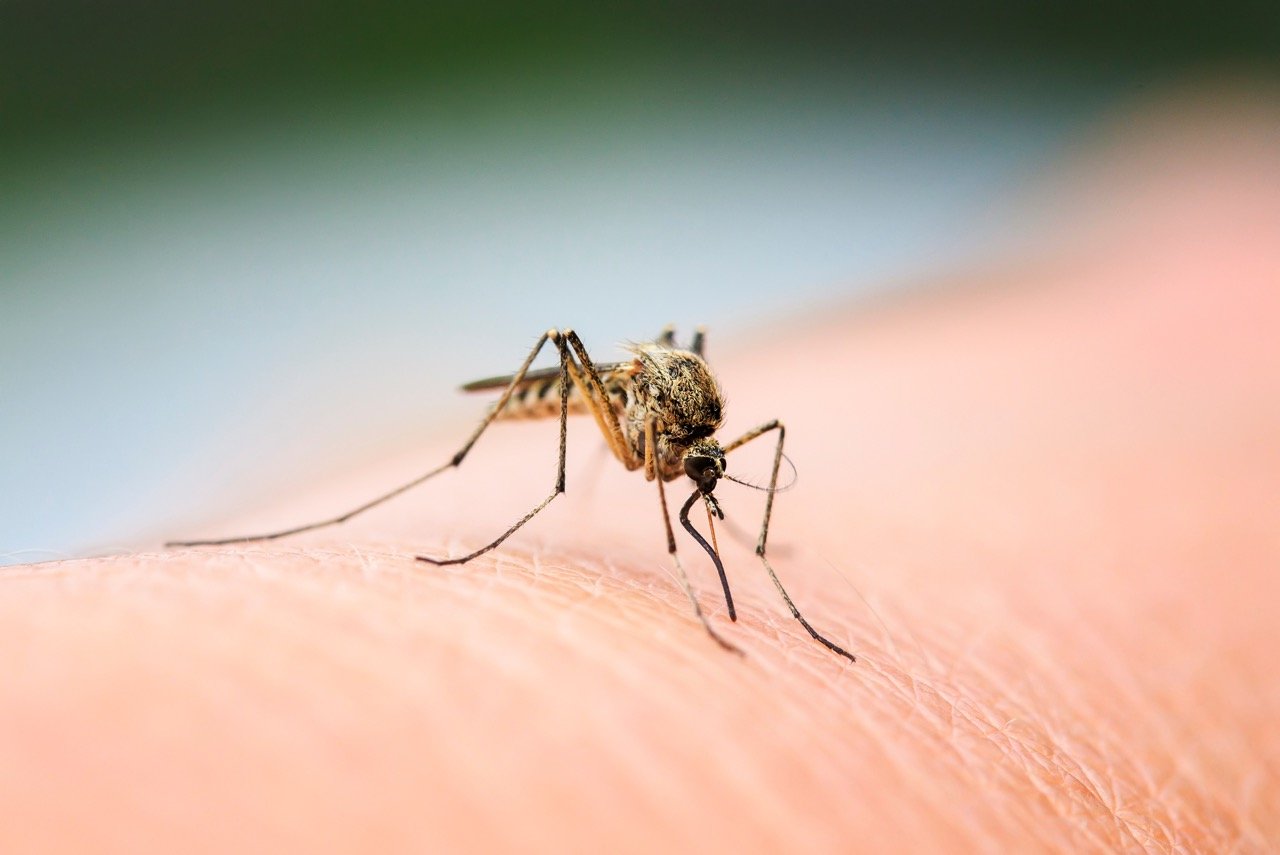
When mosquitoes become a problem around your home, you probably think about puddles, flowerpots, buckets, and other places where rainwater collects.
But there’s another location homeowners often overlook: the gutters.
If you’ve noticed more mosquitoes around your patio, entryway, or backyard, mosquitoes in gutters may be one factor worth investigating.
Gutters are designed to direct rainwater away from the roof and foundation. When they become clogged with leaves, dirt, and other debris, water may remain trapped instead of draining properly.
That standing water can create conditions suitable for mosquito breeding.
For Florida homeowners, where heavy rainfall and warm weather can make water management an ongoing task, maintaining gutters is an important part of broader mosquito prevention.
Can Mosquitoes Actually Breed in Gutters?
Yes. Mosquitoes can use standing water in clogged or poorly draining gutters as a breeding site.
Mosquitoes lay eggs in or near water, depending on the species. Their immature stages develop in aquatic environments, so water that remains long enough can support their development.
A gutter doesn’t need to resemble a pond to become a concern.
If water collects behind leaves or debris and remains there, it may provide an opportunity for mosquito activity.
This is why gutter maintenance matters beyond protecting your roof and drainage system.
Why Do Gutters Collect Standing Water?
A properly functioning gutter should direct rainwater toward the downspouts.
However, several conditions can interfere with drainage.
Common examples include:
-
Leaves and twigs.
-
Dirt and organic debris.
-
Blocked downspouts.
-
Sagging gutter sections.
-
Improper drainage.
-
Damaged components.
When water cannot move freely, it may remain in sections of the gutter after rainfall.
The problem can be difficult to notice because gutters are usually above eye level.
You may see mosquitoes around your property without realizing that water is collecting overhead.
Why Florida Homeowners Should Pay Attention to Gutters
Florida’s weather makes drainage maintenance particularly important.
Heavy rain can quickly fill gutters, while nearby trees and vegetation may contribute leaves and other debris.
If the gutter system isn’t draining properly, water may remain after the storm has passed.
Warm conditions can also support mosquito activity for much of the year.
Rather than treating gutter maintenance as a task that only matters during one season, Florida homeowners should include it in routine exterior property care.
How Do Mosquitoes Find Water in Gutters?
Mosquitoes use environmental cues to locate suitable breeding sites.
Standing water in a gutter can become one of several available options around a property.
The gutter’s elevated location does not prevent mosquitoes from reaching it.
That means checking only containers at ground level may leave an important source of standing water undiscovered.
A complete property inspection should consider both the yard and the building.
Can Clean Gutters Still Hold Water?
Yes.
Even a gutter that looks relatively clean may have drainage problems.
For example, a section may sag or fail to direct water toward the downspout.
If water remains after rainfall, the underlying issue may involve the gutter’s condition rather than a visible accumulation of leaves.
Cleaning is useful, but it isn’t always the complete solution.
The goal is to make sure water drains as intended.
Signs Your Gutters May Be Holding Water
You don’t necessarily need to climb a ladder to notice that something may be wrong.
From a safe location, watch for:
-
Water overflowing during rain.
-
Water dripping from unusual areas.
-
Sagging gutter sections.
-
Visible plant growth.
-
Debris collecting near downspout openings.
-
Water pooling near the foundation.
-
Persistent moisture around exterior walls.
These signs don’t prove mosquitoes are breeding in the gutter, but they suggest the drainage system deserves inspection.
Can Mosquitoes Come From Downspouts?
Downspouts are part of the same drainage system.
If a downspout becomes blocked, water may back up into the gutter.
Depending on the drainage setup, water may also collect around the discharge area.
Check whether water is moving away from the home appropriately.
If a downspout empties into an area that remains wet or forms a persistent puddle, that location may deserve attention too.
What About Gutter Guards?
Gutter guards can help reduce the amount of certain debris entering a gutter, depending on the design and installation.
However, they don’t eliminate the need for inspection and maintenance.
Debris may still accumulate, drainage problems can still develop, and water may remain trapped if the system isn’t functioning properly.
Homeowners should avoid assuming that installing gutter guards makes the gutters permanently maintenance-free.
How Long Does Water Need to Stay in a Gutter?
Mosquito development time varies by species and environmental conditions.
The important point for homeowners is that standing water should not be allowed to remain unnecessarily.
You don’t need to calculate an exact breeding timeline before addressing a drainage problem.
If water is consistently trapped in a gutter after rainfall, investigate the cause.
Do Mosquitoes Stay Near the Gutter Where They Develop?
Not necessarily.
Adult mosquitoes can move through the surrounding environment.
That means the place where you notice them may not be the same place where they developed.
You might experience mosquito activity around a patio or backyard while a breeding site exists elsewhere on the property.
This is one reason identifying standing water sources can be more useful than focusing only on the location where mosquitoes are biting.
Are Gutters the Only Source of Mosquitoes Around a Home?
No.
Even after gutter problems are corrected, other water sources may remain.
Common places to inspect include:
-
Plant saucers.
-
Buckets.
-
Outdoor toys.
-
Tarps.
-
Birdbaths.
-
Unused containers.
-
Drainage areas.
-
Outdoor equipment that collects rainwater.
Mosquito prevention works best when homeowners consider the entire property.
Fixing one source is useful, but it doesn’t automatically eliminate every possible breeding location.
Can Clogged Gutters Attract Other Pests?
Poorly maintained gutters can contribute to more than mosquito concerns.
Accumulated debris and moisture may create conditions that support other insects or property problems.
Overflowing water can also affect exterior walls and areas near the foundation.
This makes gutter maintenance part of broader pest prevention and home maintenance—not just a mosquito-control task.
How Often Should You Inspect Your Gutters?
The appropriate schedule depends on the property.
Homes surrounded by trees may accumulate debris more quickly than properties with little nearby vegetation.
Rainfall, storms, and the condition of the gutter system also matter.
Rather than relying on a single schedule for every home, inspect gutters periodically and pay attention after significant weather events.
If water is overflowing or drainage appears abnormal, don’t wait for the next routine maintenance date.
What Should You Check After Heavy Rain?
Rain provides a useful opportunity to observe how your drainage system is functioning.
From a safe location, check whether:
-
Water flows toward the downspouts.
-
Gutters overflow in particular areas.
-
Water collects near the foundation.
-
Downspouts discharge properly.
-
Certain sections continue dripping long after rainfall.
If you notice a recurring problem, arrange for the appropriate maintenance or repair.
Is It Safe to Clean Gutters Yourself?
Gutter cleaning can involve working at height, which creates a fall risk.
Homeowners should avoid climbing onto roofs or using ladders in unsafe conditions.
If gutters are difficult to access, located high above the ground, or require repair, consider hiring a qualified professional.
Mosquito prevention should never come at the expense of personal safety.
Can You Just Spray the Gutters for Mosquitoes?
Treating visible mosquitoes doesn’t necessarily correct the standing water that supports breeding.
If gutters are clogged or damaged, drainage maintenance is still necessary.
Mosquito management may involve multiple strategies, but eliminating unnecessary standing water is a fundamental part of prevention.
If you’re considering a treatment product, follow its label and applicable requirements. Professional guidance can help determine whether treatment is appropriate for the situation.
What If You Clean the Gutters but Still Have Mosquitoes?
That doesn’t necessarily mean the gutter maintenance was ineffective.
It may mean other breeding sites remain nearby or that adult mosquitoes are moving into the area from surrounding environments.
Continue inspecting the property for standing water and other conditions that may contribute to mosquito activity.
If the problem remains significant, a professional mosquito inspection can help identify areas that deserve attention.
A Practical Mosquito Prevention Checklist for Gutters
You don’t need a complicated system to make gutter maintenance part of your routine.
Focus on a few consistent habits.
Remove Debris
Arrange for leaves, twigs, and other accumulated materials to be cleared.
Check Drainage
Make sure water moves through the gutter system rather than remaining trapped.
Inspect Downspouts
Look for signs of blockage or improper discharge.
Watch for Sagging Sections
Damaged or poorly positioned gutters may require repair.
Check After Storms
Heavy rainfall and wind can change conditions quickly.
Inspect the Surrounding Yard
Remember that gutters are only one potential source of standing water.
These steps support both mosquito prevention and general property maintenance.
When Should You Call a Mosquito Control Professional?
Professional mosquito control may be useful when mosquito activity continues despite routine prevention efforts.
Consider an inspection if:
-
Mosquitoes are consistently active around outdoor living areas.
-
You cannot identify the source of the activity.
-
Multiple areas of the property collect water.
-
Drainage and landscaping conditions are contributing to the problem.
-
Mosquito activity continues after obvious standing water sources are addressed.
A professional can evaluate the property and recommend an appropriate management strategy based on the conditions found.
Don’t Overlook the Water Above Your Head
When it comes to mosquitoes in gutters, the biggest challenge is often visibility.
Homeowners may carefully empty buckets and plant saucers while forgetting that a clogged gutter can hold water above the yard.
The solution starts with looking at the entire property.
Maintain gutters, inspect downspouts, address drainage problems, and remove unnecessary standing water wherever it collects.
For Florida homeowners, these habits can help reduce mosquito breeding opportunities while keeping the home’s drainage system in better condition.
Contact 911 Home Helps Today
Are mosquitoes making it difficult to enjoy your Florida backyard, patio, or outdoor living areas? 911 Home Helps can inspect your property, evaluate conditions that may contribute to mosquito activity, and recommend an appropriate mosquito control and prevention strategy.