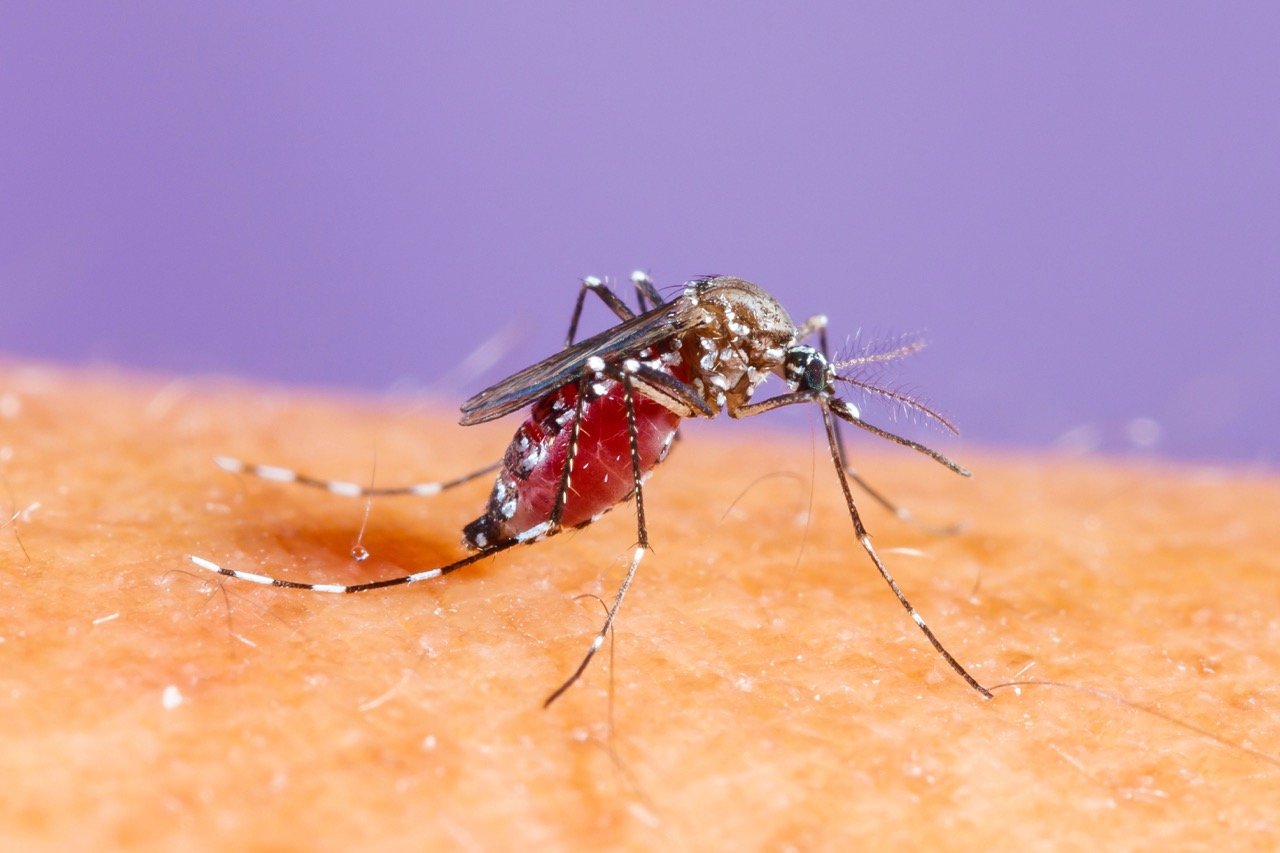
You step outside to enjoy your patio, work in the garden, or spend a few minutes by the pool—and mosquitoes seem to appear almost immediately.
Sometimes the problem becomes so frustrating that homeowners begin avoiding their own outdoor spaces.
If you’ve found yourself asking, “Why are mosquitoes so bad in my backyard?”, the answer may involve more than one condition around your property.
Water is an important part of mosquito development, but it isn’t the only factor that influences how many mosquitoes you notice. Shade, dense vegetation, rainfall, drainage, irrigation, neighboring properties, and numerous hidden water sources can all contribute to mosquito activity.
For Florida homeowners, understanding these conditions is especially useful because warm temperatures and periods of rain can create favorable environments for mosquitoes.
The first step toward reducing mosquitoes in your backyard is figuring out what may be supporting them.
Why Are There So Many Mosquitoes in My Backyard?
A backyard can provide mosquitoes with several things they need.
Depending on the species and conditions, your property may offer:
- Water suitable for development.
- Shaded resting areas.
- Dense vegetation.
- Humidity.
- Protected spaces.
- Access to people and animals.
The important thing to remember is that mosquito activity isn’t always caused by one obvious source.
You may eliminate a bucket of standing water and still have mosquitoes because several smaller sources remain hidden throughout the yard.
Does Standing Water Cause Mosquito Problems?
Standing water is one of the first things homeowners should investigate.
Mosquitoes require water during their development, and some species can use surprisingly small collections of water.
Obvious sources may include:
- Buckets.
- Containers.
- Bird baths.
- Children’s toys.
- Plant saucers.
- Tarps.
- Wheelbarrows.
- Outdoor decorations.
But the obvious sources aren’t always the only ones.
A thorough backyard inspection means looking closely at anything capable of holding rainwater or irrigation water.
Check Your Gutters
Gutters are easy to forget because you don’t normally see inside them from ground level.
When leaves and debris interfere with drainage, water may remain in sections of the gutter system.
This can create conditions worth investigating as part of mosquito prevention.
Keep gutters maintained and make sure water can drain appropriately.
Mosquito control often requires looking above eye level as well as around the ground.
Don’t Forget Plant Saucers
Plant containers are another commonly overlooked source.
You may carefully water your plants without realizing that excess water remains in the saucer underneath.
Check:
- Potted plants.
- Decorative containers.
- Planters.
- Empty flowerpots stored outdoors.
After watering or rainfall, make sure unnecessary water isn’t sitting for extended periods.
Outdoor Toys Can Hold Water
Children’s toys can collect rainwater in unexpected places.
Small plastic toys, play equipment, buckets, and other objects may contain pockets or recessed areas where water remains.
After rain, walk around the yard and inspect items rather than assuming they’ll dry completely on their own.
Turning containers upside down when they aren’t being used can help prevent water from accumulating.
What About Patio Furniture?
Patio furniture itself isn’t necessarily a mosquito problem, but furniture covers can collect water.
A small depression in a cover may become a miniature pool after rainfall.
The same can happen with:
- Grill covers.
- Tarps.
- Outdoor cushions.
- Storage covers.
Adjust them when practical so water doesn’t continuously accumulate.
Can Trash Cans Attract Mosquitoes?
Outdoor garbage containers can collect water, particularly when lids are damaged, left open, or shaped in ways that allow water to remain on top.
Check both the container and surrounding area.
Recycling bins deserve attention as well.
Cans, bottles, and other recyclables stored outdoors may retain small amounts of water.
Keeping these areas organized and covered can reduce potential mosquito development sites.
Why Are There Mosquitoes If I Removed All Standing Water?
This is one of the most common sources of frustration.
You inspect the yard, empty every container you can find, and mosquitoes are still present.
There are several possible reasons.
First, you may have missed a hidden water source.
Second, adult mosquitoes may be resting in vegetation around the property.
Third, mosquitoes can move between properties.
Your yard doesn’t exist in isolation.
Nearby landscaping, drainage areas, containers, or other environmental conditions may support mosquitoes that later enter your property.
Removing standing water is still important—it simply isn’t always the entire solution.
Dense Vegetation Can Make Your Yard More Comfortable for Mosquitoes
Adult mosquitoes may spend time in shaded, protected areas when they aren’t actively flying around.
Dense landscaping can provide these resting environments.
Look at:
- Thick shrubs.
- Overgrown plants.
- Areas beneath decks.
- Shaded garden spaces.
- Dense vegetation near fences.
- Plants growing closely against the home.
You don’t need to remove all your landscaping.
Regular trimming and maintenance can improve airflow and reduce excessive protected areas.
Why Are Mosquitoes Worse in Shady Parts of the Yard?
Direct sun and heat can create challenging conditions for mosquitoes.
Shaded areas may provide more comfortable resting locations.
This can explain why one side of your property seems significantly worse than another.
For example, you may notice more activity beneath:
- Trees.
- Covered patios.
- Dense shrubs.
- Shaded garden beds.
If mosquitoes consistently appear in one section of the yard, examine the combination of shade, vegetation, and moisture in that area.
Can Overwatering Your Lawn Contribute to Mosquitoes?
Irrigation is another factor homeowners should consider.
Overwatering may create persistently damp areas or contribute to water collecting in low spots.
Check your irrigation system for:
- Excessive watering.
- Leaks.
- Poor drainage.
- Water collecting near structures.
- Areas that remain unusually wet.
Adjusting irrigation can also benefit overall property maintenance.
The goal is not to make your landscaping excessively dry, but to avoid unnecessary moisture and standing water.
Poor Drainage Can Create Hidden Problems
Some yards naturally contain low areas where water collects after heavy rain.
If certain locations remain wet significantly longer than the rest of the property, drainage may deserve attention.
Possible problem areas include:
- Low sections of lawn.
- Areas near downspouts.
- Spaces beside patios.
- Poorly graded landscaping.
Persistent water accumulation can affect more than mosquitoes, so drainage issues are worth addressing as part of broader property maintenance.
Why Are Mosquitoes Worse After Rain?
Rain can dramatically change backyard conditions.
It can fill:
- Containers.
- Gutters.
- Plant saucers.
- Toys.
- Tarps.
- Outdoor equipment.
- Natural depressions.
Warm weather combined with additional water can create favorable mosquito conditions.
Instead of waiting until mosquitoes become unbearable, make a post-rain yard inspection part of your routine.
Walk around the property and remove unnecessary water while it’s easy to find.
Does a Swimming Pool Attract Mosquitoes?
A properly maintained and circulating swimming pool is different from stagnant water sitting unnoticed in a container.
However, homeowners should still inspect the surrounding pool area.
Pay attention to:
- Pool covers.
- Toys.
- Decorative containers.
- Drainage areas.
- Outdoor furniture.
- Equipment that may hold water.
Often, the mosquito source isn’t the pool itself but something nearby.
What About Bird Baths?
Bird baths intentionally contain water, so they deserve regular attention.
If you have one, maintain it appropriately rather than allowing water and organic debris to sit neglected.
The same principle applies to other intentional outdoor water features.
The objective isn’t necessarily to remove every water feature from your property.
It’s to prevent unmanaged stagnant water from becoming a persistent condition.
Can Mosquitoes Come From My Neighbor’s Yard?
Yes.
Mosquitoes don’t respect fences or property lines.
You can maintain your own yard carefully and still experience mosquito activity originating from the surrounding environment.
This is why complete elimination may not be a realistic expectation.
However, reducing mosquito-friendly conditions on your own property can still make an important difference.
Focus on what you can control:
- Water.
- Vegetation.
- Drainage.
- Irrigation.
- Yard maintenance.
Why Do Mosquitoes Seem Worse at Certain Times of Day?
Mosquito activity varies by species.
Many people notice increased activity around dawn or dusk, while other mosquitoes may remain active during different parts of the day.
Shade, weather, temperature, and local environmental conditions can also influence when you notice them.
If you only inspect your backyard at noon because that’s when mosquito activity seems lower, you may underestimate the problem.
Pay attention to patterns throughout the day.
Are Outdoor Lights Attracting Mosquitoes?
Outdoor lighting can influence insect activity, although mosquitoes aren’t the only insects you may see gathering around lights.
Porch lights, patio lighting, and other exterior fixtures may contribute to the concentration of various flying insects around outdoor living areas.
If you notice significant activity around one fixture, consider the broader conditions nearby.
Is there vegetation?
Standing water?
A shaded resting area?
Often, several environmental factors overlap.
Do Mosquitoes Live in Grass?
Homeowners sometimes assume mosquitoes are breeding directly in ordinary lawn grass.
The relationship is more complicated.
Adult mosquitoes may rest in shaded vegetation, particularly where conditions are humid and protected.
The more useful approach is to inspect the entire environment rather than simply treating the lawn as the source.
Look for the combination of water, shade, vegetation, and resting areas.
What Can You Do to Reduce Mosquitoes in Your Backyard?
Start with a systematic property inspection.
Remove Unnecessary Standing Water
Empty containers, toys, buckets, and other objects after rain.
Maintain Gutters
Make sure leaves and debris aren’t interfering with drainage.
Check Planters
Inspect saucers and decorative containers.
Maintain Landscaping
Trim excessively dense vegetation where appropriate.
Inspect Irrigation
Correct leaks and unnecessary overwatering.
Address Drainage Problems
Investigate areas where water repeatedly collects.
Monitor Outdoor Storage
Keep unused containers covered or stored so they can’t collect rainwater.
Inspect After Rain
Weather can create new mosquito sources overnight.
Consistency matters.
Removing one water source once isn’t the same as maintaining a yard that is regularly inspected.
Why Doesn’t DIY Mosquito Control Always Work?
Homeowners may focus entirely on killing the adult mosquitoes they see.
But if environmental conditions continue supporting mosquito development and resting activity, the problem can quickly feel like it has returned.
A broader strategy considers:
- Development sites.
- Adult resting areas.
- Landscaping.
- Moisture.
- Property layout.
- Neighboring environmental pressure.
This is why mosquito management is usually more effective when the entire property is evaluated.
When Should You Consider Professional Mosquito Control?
Professional assistance may be useful when:
- Mosquitoes consistently interfere with outdoor activities.
- You’ve removed obvious standing water but activity remains high.
- The yard contains extensive vegetation.
- Drainage or environmental conditions are difficult to evaluate.
- Mosquito activity repeatedly returns after DIY efforts.
A pest professional can inspect the property for conditions you may have overlooked and recommend an appropriate mosquito management strategy.
Make Your Backyard Less Inviting to Mosquitoes
If mosquitoes in your backyard are making it difficult to enjoy your outdoor space, don’t focus on just one possible cause.
Walk through the entire property.
Look underneath things.
Check gutters.
Inspect containers.
Look at landscaping.
Pay attention to irrigation and drainage.
And repeat the process after rainfall.
Mosquitoes may be supported by several small environmental conditions rather than one obvious source.
Reducing those conditions can make your backyard less favorable and strengthen any broader mosquito control strategy.
Contact 911 Home Helps Today
Are mosquitoes taking over your Florida backyard? 911 Home Helps can inspect your property, identify conditions that may be contributing to mosquito activity, and recommend an appropriate mosquito control strategy for your outdoor space.