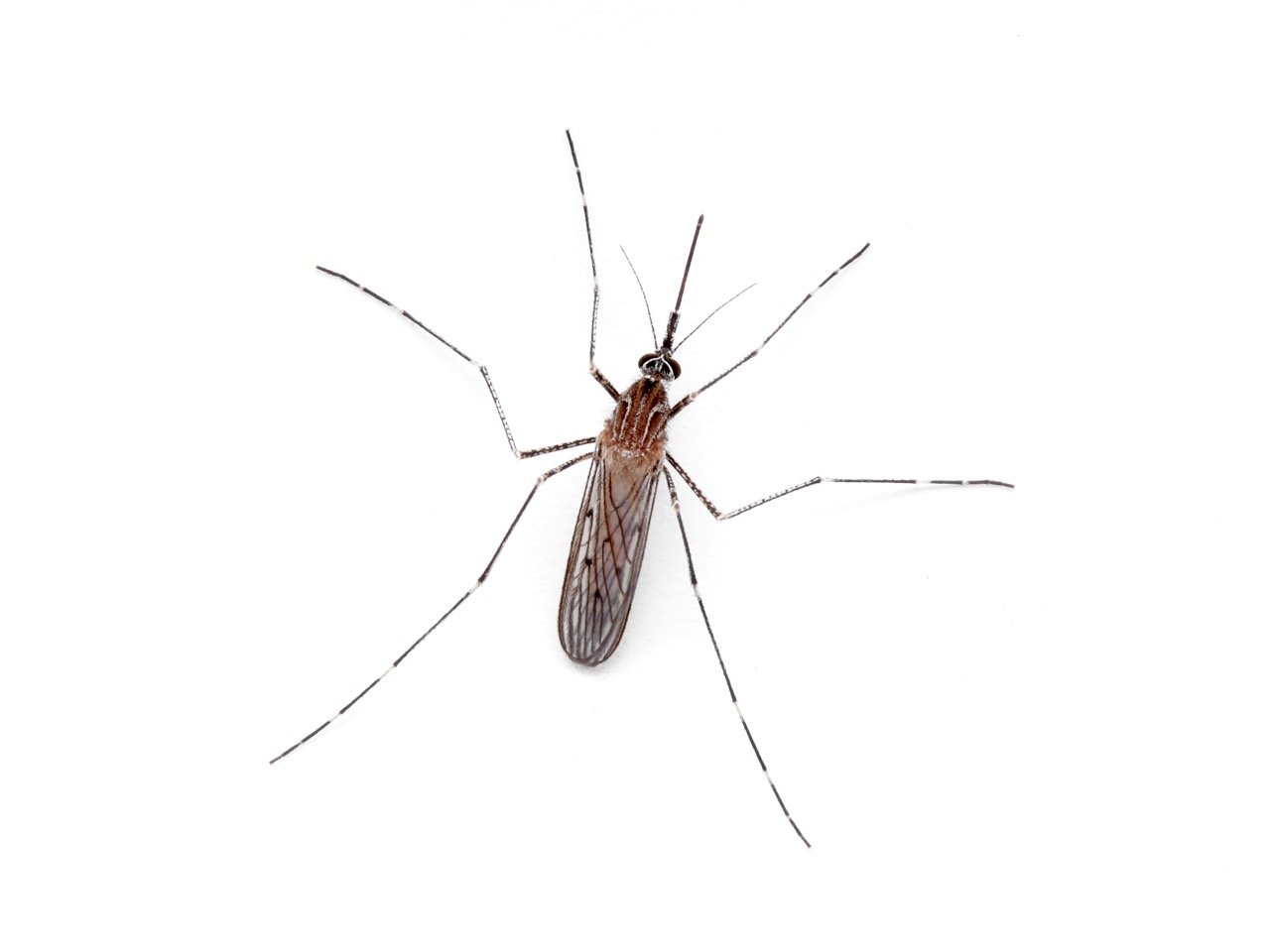
You’ve emptied the buckets, checked the plant saucers, cleaned the gutters, and made sure there isn’t any obvious standing water around your yard. Yet every time you step outside, mosquitoes are still waiting.
So where are they coming from?
Finding mosquitoes without standing water can seem confusing because eliminating stagnant water is one of the most common mosquito prevention recommendations. While that advice is important, mosquitoes can reproduce in very small and easily overlooked water sources. They can also travel from neighboring properties or spend time resting in vegetation around your yard.
For Florida homeowners, the combination of warm temperatures, humidity, frequent rainfall, and dense landscaping can make mosquito management especially challenging.
If you’ve removed the obvious water sources and mosquitoes are still bothering you, here are some possible explanations.
Do Mosquitoes Need Standing Water?
Mosquitoes require water during the early stages of their life cycle.
Female mosquitoes lay eggs in or near water, depending on the species, and immature mosquitoes develop in aquatic environments.
However, the amount of water required can be surprisingly small.
When homeowners think about mosquito breeding sites, they often imagine:
- Ponds.
- Large puddles.
- Swimming pools.
- Drainage areas.
But mosquitoes may also use much smaller water sources that are easy to miss.
So, if you’re noticing mosquitoes without standing water that you can see, there’s a good chance water exists somewhere nearby—you just haven’t found it yet.
1. Your Gutters May Be Holding Water
Gutters are one of the first places worth inspecting.
Leaves, dirt, and other debris can interfere with drainage and create small pockets of stagnant water.
Because gutters are elevated, homeowners may not notice the problem from ground level.
Check for:
- Clogged sections.
- Poor drainage.
- Sagging gutters.
- Blocked downspouts.
Regular gutter maintenance can help eliminate hidden mosquito breeding conditions while also protecting your home from water-related problems.
2. Plant Saucers Can Hold More Water Than You Think
Outdoor plants are another common source of overlooked water.
Saucers beneath pots can collect rainwater or excess irrigation. Even if the soil appears dry, the container underneath may still hold enough water for mosquito development.
Inspect:
- Flowerpots.
- Plant saucers.
- Decorative planters.
- Empty gardening containers.
After heavy Florida rain, checking these areas should become part of your regular outdoor maintenance routine.
3. Water May Be Collecting Inside Plants
Some plants naturally hold water.
Leaves and plant structures can create small pockets where rainwater remains trapped.
In Florida’s humid environment, these tiny reservoirs may persist longer than expected.
If your landscaping includes plants capable of collecting water, inspect them periodically—especially during rainy periods.
The source of mosquito activity may be part of the landscaping itself rather than a container sitting on the ground.
4. Outdoor Furniture and Covers Can Collect Rainwater
Patio furniture may look completely harmless until you inspect it after a storm.
Water can accumulate in:
- Furniture covers.
- Folded tarps.
- Umbrella bases.
- Chair surfaces.
- Small depressions in outdoor equipment.
A flexible cover can create pockets that hold rainwater for days.
After storms, walk around your outdoor living areas and empty any water that has collected.
5. Children’s Toys May Hide Water
Outdoor toys are another easily overlooked mosquito breeding source.
Items such as:
- Toy buckets.
- Plastic play equipment.
- Wagons.
- Water tables.
- Small containers.
can collect rainwater.
Even toys that appear empty may contain water inside hollow sections or small recessed areas.
When possible, store unused outdoor toys in covered locations or position them so water can drain properly.
6. Your Trash and Recycling Areas May Be the Problem
Trash cans, recycling bins, and their lids can collect small amounts of water.
Containers left outdoors without secure lids may fill during rain, while upside-down lids can create shallow pools.
Inspect the entire garbage storage area rather than only looking inside the containers.
Keeping bins covered and emptying accumulated water can help reduce mosquito-friendly conditions.
7. Drainage Problems Can Create Hidden Moisture
Your property may not have obvious puddles, but poor drainage can still create areas that remain wet for extended periods.
Pay attention to:
- Low areas in the yard.
- Spaces around downspouts.
- Areas near irrigation systems.
- Soil that remains saturated.
- Drainage channels.
Water doesn’t always need to form a large visible puddle to create favorable mosquito conditions.
If certain parts of your yard remain consistently wet, drainage may need further evaluation.
8. Your Neighbor’s Yard May Be the Source
Here’s one of the most important things to understand about mosquito control: the mosquitoes biting you don’t necessarily originate on your property.
Adult mosquitoes can travel from nearby breeding and resting areas.
Potential sources may include:
- Neighboring yards.
- Drainage systems.
- Community landscaping.
- Nearby vegetation.
- Water features.
- Undeveloped areas.
You may maintain your own property carefully and still experience mosquito activity coming from the surrounding environment.
This is one reason mosquito management often requires more than simply checking your own backyard for buckets of water.
9. Dense Landscaping Provides Mosquito Resting Areas
Water is necessary for mosquito development, but adult mosquitoes also need protected places to rest.
Many species prefer cool, shaded, humid areas during parts of the day.
Dense landscaping can provide exactly that.
Mosquitoes may rest around:
- Shrubs.
- Bushes.
- Tall grass.
- Dense ground cover.
- Shaded vegetation.
A yard can therefore have no obvious breeding sites and still provide an attractive environment for adult mosquitoes.
Keeping vegetation properly maintained can reduce some of these protected resting areas.
10. Irrigation Can Contribute to Mosquito Activity
Sprinklers and irrigation systems can create moisture around a property even when rainfall is limited.
Overwatering may lead to:
- Saturated soil.
- Water collecting near landscaping.
- Small puddles.
- Constantly damp areas.
Check whether your irrigation system is watering areas more frequently than necessary or creating drainage problems.
Adjusting watering schedules may help reduce excess moisture while also benefiting your landscaping.
Why Are Mosquitoes Worse After Rain?
Florida rainfall can dramatically change mosquito activity.
Rain fills both obvious and hidden containers around residential properties. Depending on the mosquito species, eggs already present in certain locations may be exposed to the conditions needed for development.
In the days following rainy periods, homeowners may notice increasing mosquito activity even if the yard looks relatively dry by then.
The breeding site may have been temporary.
This is why mosquito prevention should be ongoing rather than limited to the moment mosquitoes become noticeable.
Can Mosquitoes Breed in a Swimming Pool?
A properly maintained and circulating swimming pool is generally less suitable for mosquito development than stagnant water.
However, problems can arise in areas such as:
- Pool covers.
- Unused pools.
- Small containers around pool equipment.
- Decorative features.
- Water collecting near the pool deck.
Homeowners should therefore inspect the entire pool environment rather than focusing only on the water inside the pool itself.
How to Reduce Mosquitoes Around Your Home
If you’ve already eliminated obvious standing water, broaden your prevention strategy.
Inspect After Every Heavy Rain
Walk around the property and look for newly collected water.
Pay special attention to objects that aren’t normally part of your daily routine.
Maintain Landscaping
Trim overgrown vegetation and keep grass maintained to reduce shaded resting areas.
Keep Gutters Clear
Proper drainage prevents water from remaining trapped overhead.
Monitor Irrigation
Avoid unnecessary overwatering and address areas where water repeatedly collects.
Inspect Hidden Containers
Turn over, cover, or remove outdoor objects capable of holding rainwater.
Keep Screens in Good Condition
Mosquito prevention isn’t only about the yard.
Inspect window and door screens for tears or gaps that may allow mosquitoes indoors.
Why Eliminating Standing Water May Not Be Enough
Removing water is one of the most valuable mosquito prevention measures homeowners can take, but it doesn’t create an invisible barrier around your property.
Adult mosquitoes may still arrive from surrounding areas and rest in vegetation around your yard.
Effective mosquito management therefore considers both:
- Potential breeding sites.
- Areas where adult mosquitoes spend time.
Understanding this distinction helps explain why homeowners sometimes continue seeing mosquitoes even after being diligent about standing water.
When Should You Consider Professional Mosquito Control?
If mosquito activity remains high despite preventive measures, professional evaluation may help identify factors that are easy to overlook.
A pest control professional can evaluate:
- Potential breeding locations.
- Dense vegetation.
- Moisture conditions.
- Outdoor resting areas.
- Patterns of mosquito activity.
A mosquito control strategy can then be developed according to the characteristics of the property.
For Florida homeowners who regularly use patios, pools, yards, and other outdoor living spaces, controlling mosquito activity can make those areas significantly more comfortable.
Look Beyond the Obvious Water Sources
Finding mosquitoes without standing water doesn’t mean mosquitoes have stopped needing water.
It usually means the source isn’t obvious—or the mosquitoes are coming from somewhere beyond your immediate property.
Hidden containers, clogged gutters, plant structures, irrigation, drainage problems, neighboring properties, and dense vegetation can all contribute to mosquito activity.
By looking beyond the obvious bucket or puddle, homeowners can develop a much more complete mosquito prevention strategy.
Contact 911 Home Helps Today
Removed standing water but still can’t enjoy your backyard without mosquitoes? 911 Home Helps can help identify potential mosquito breeding and resting areas around your property.