You may need to transfer utilities, schedule movers, clean rooms, change locks, organize furniture, and unpack dozens of boxes. Pest control may not be the first thing that comes to mind—especially if the property looks clean and empty.
But an unoccupied home provides a valuable opportunity to inspect areas that will become much harder to access once your belongings arrive.
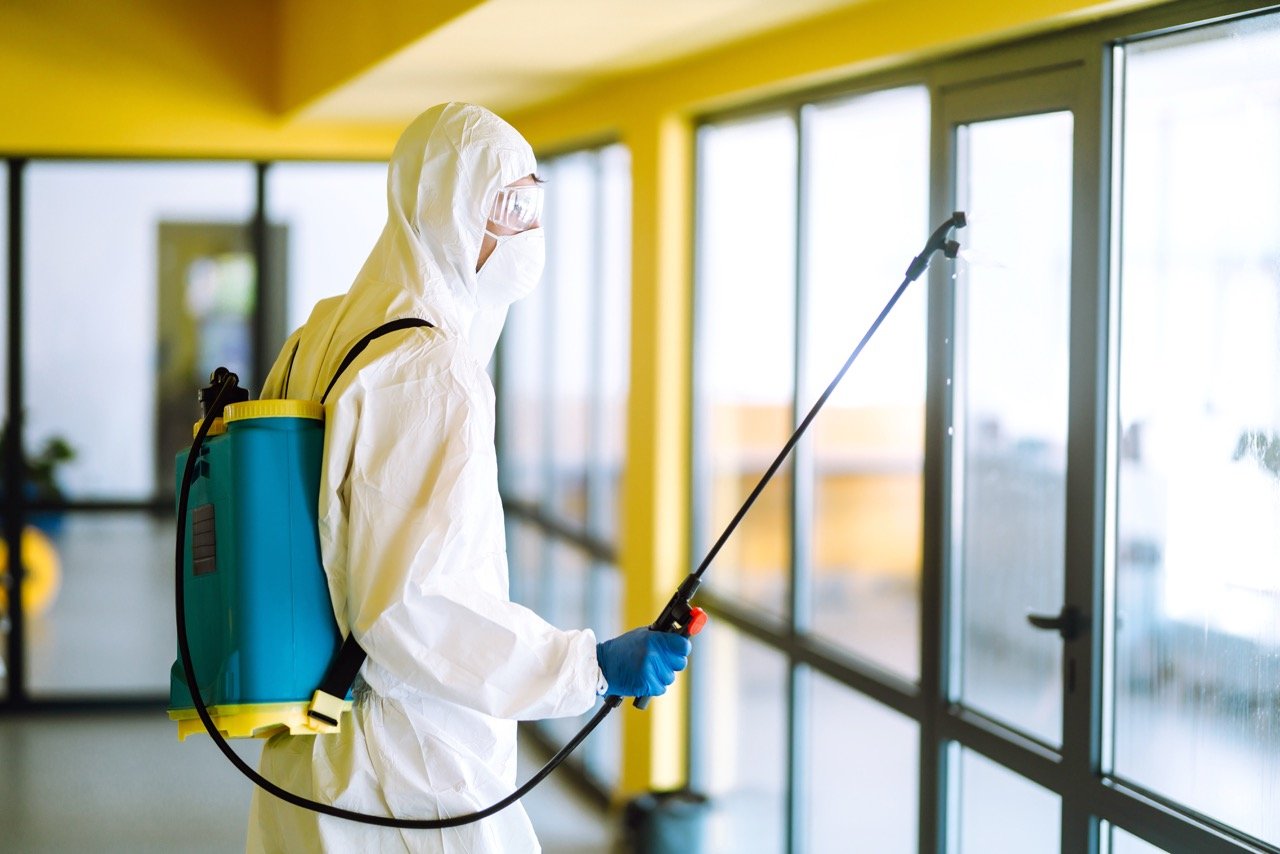
Scheduling pest control before moving in can help identify existing pest activity, reveal potential entry points, and give you an opportunity to address certain problems before furniture, boxes, food, and other belongings fill the space.
For Florida homeowners, where pests can remain active throughout much of the year, adding pest prevention to your moving checklist can be a practical way to start protecting your new home from day one.
Should You Do Pest Control Before Moving In?
There isn’t one rule that applies to every property.
However, having the home inspected before moving in can be particularly useful because the property is easier to evaluate while it is empty.
A pest professional may be able to inspect areas such as:
- Baseboards.
- Cabinets.
- Closets.
- Garages.
- Utility areas.
- Plumbing penetrations.
- Doors and windows.
- Accessible attic areas.
- Exterior walls.
Once furniture, appliances, boxes, and personal belongings are in place, some of these areas become more difficult to examine.
Why an Empty Home Is Easier to Inspect
Think about your kitchen after you’ve completely moved in.
Cabinets are filled with food and cookware. Small appliances sit on countertops. Boxes may remain stacked in corners. Furniture covers portions of walls.
Before moving day, much of that space is exposed.
This makes it easier to spot potential warning signs such as:
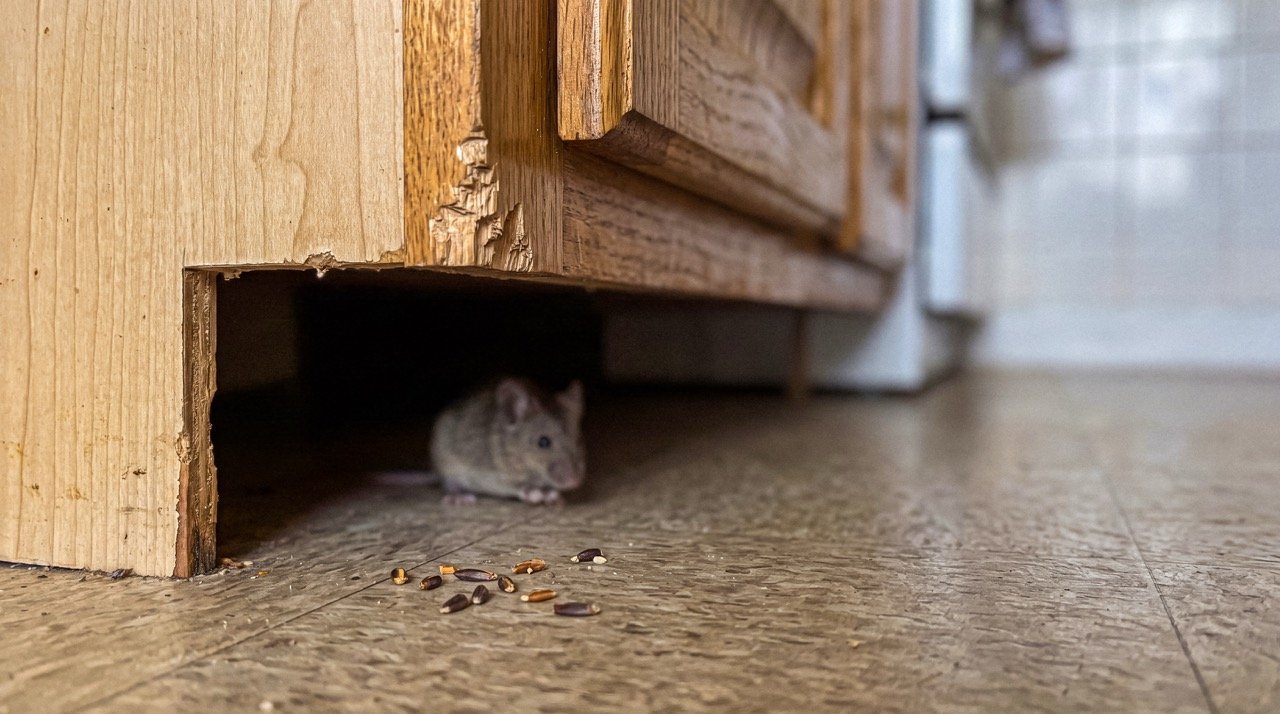
- Droppings.
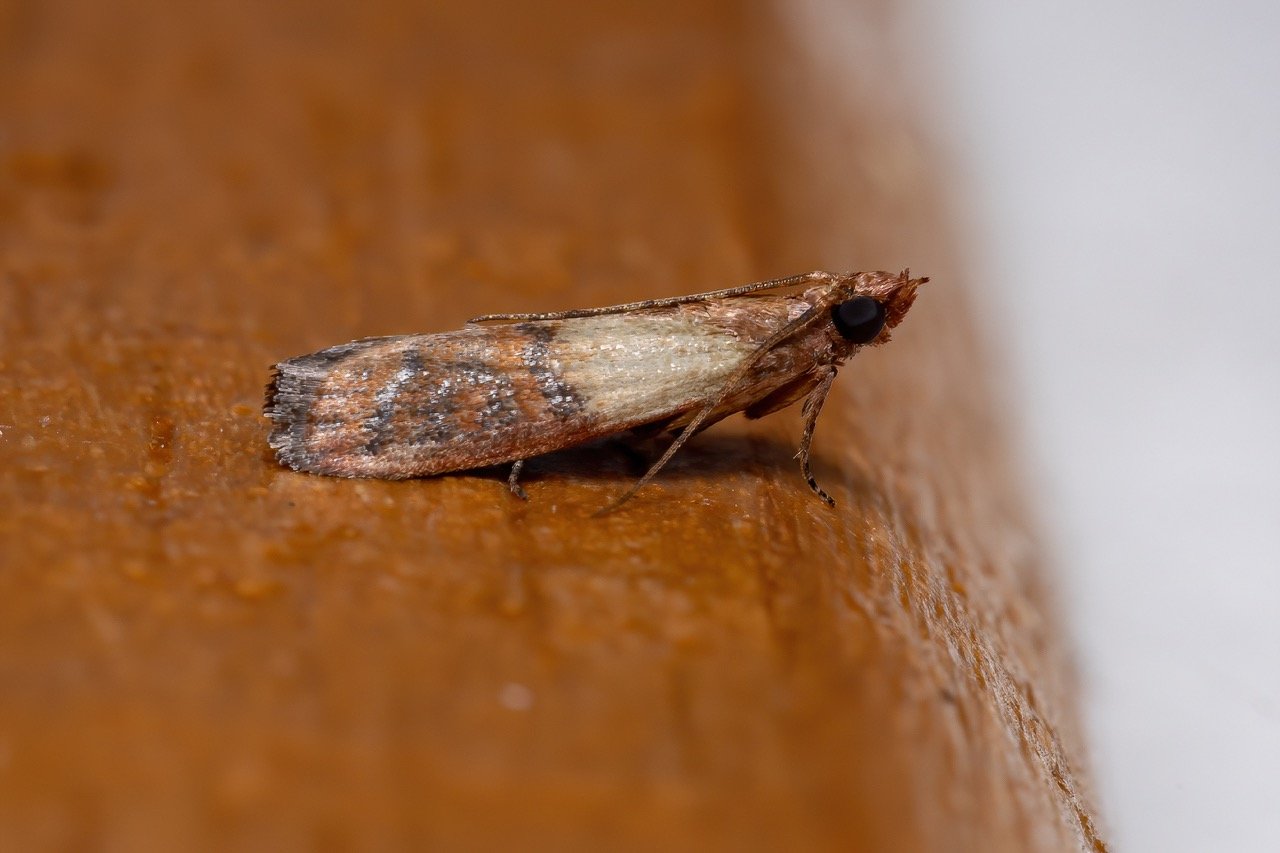
- Dead insects.
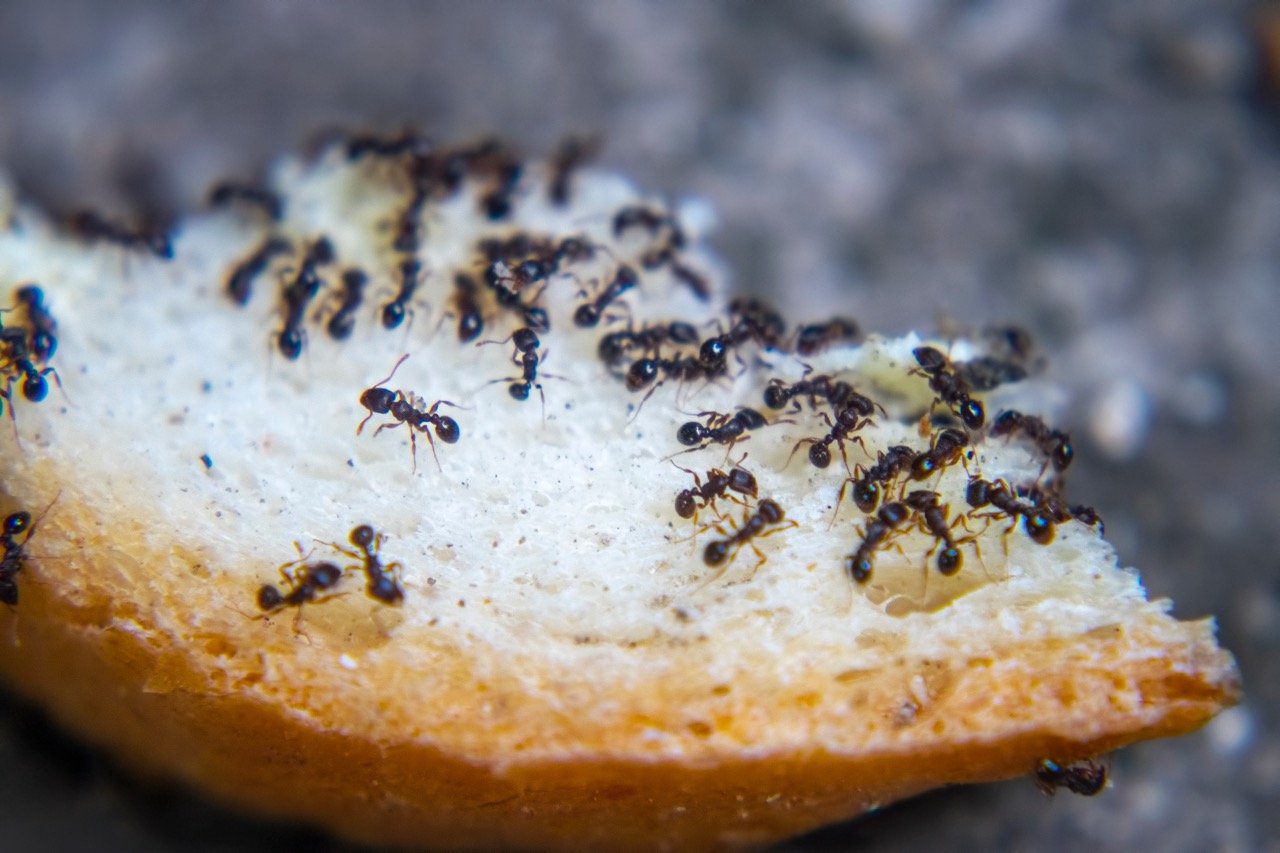
- Ant trails.
- Termite evidence.
- Gnaw marks.
- Small structural gaps.
- Moisture damage.
- Pest traps left behind.
Even when no active infestation is discovered, an inspection can help establish a baseline for future monitoring.
A Clean House Isn’t Necessarily a Pest-Free House
Professional cleaning is valuable before moving into a home, but cleaning and pest control serve different purposes.
A property can look spotless while pests remain in concealed areas.
Rodents may occupy attics.
Ants can travel through walls and plumbing openings.
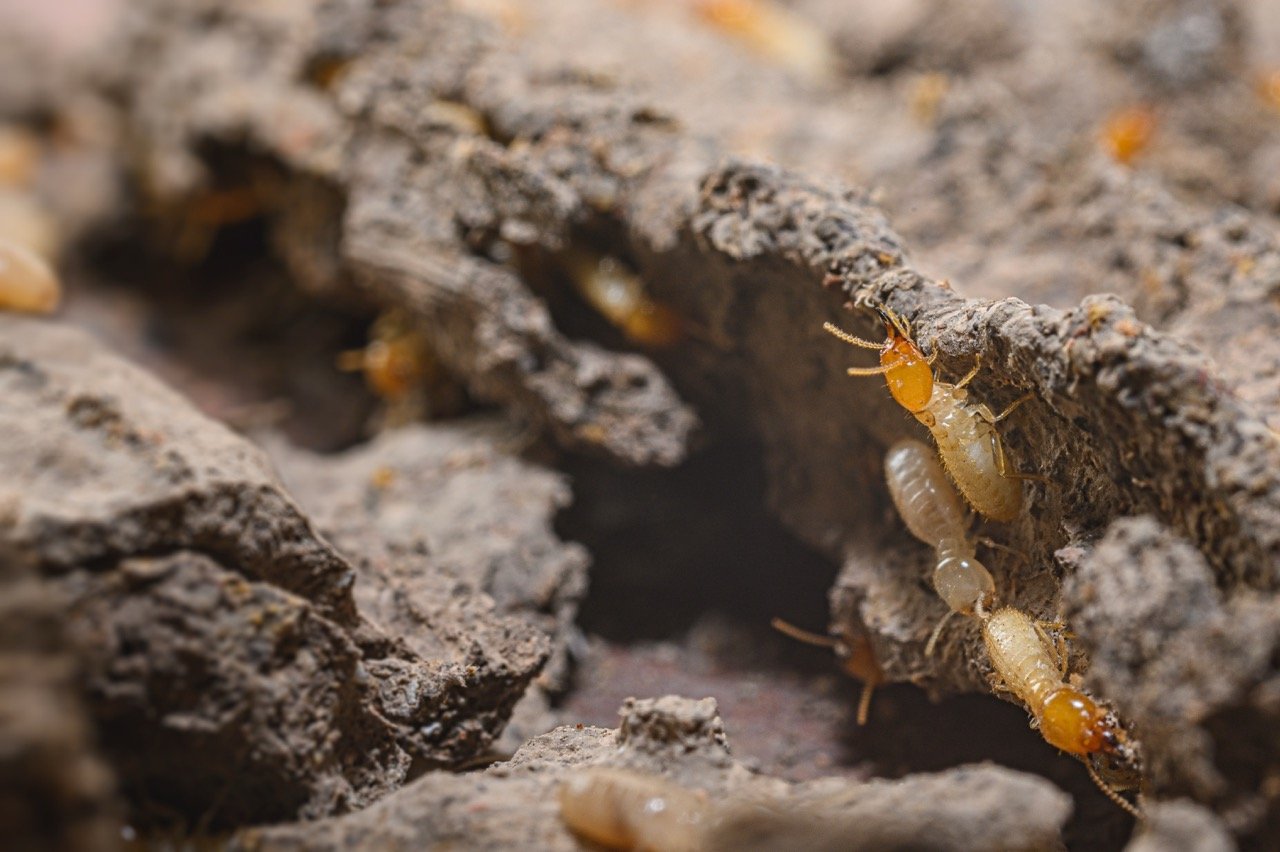
Termites may remain within wooden materials.
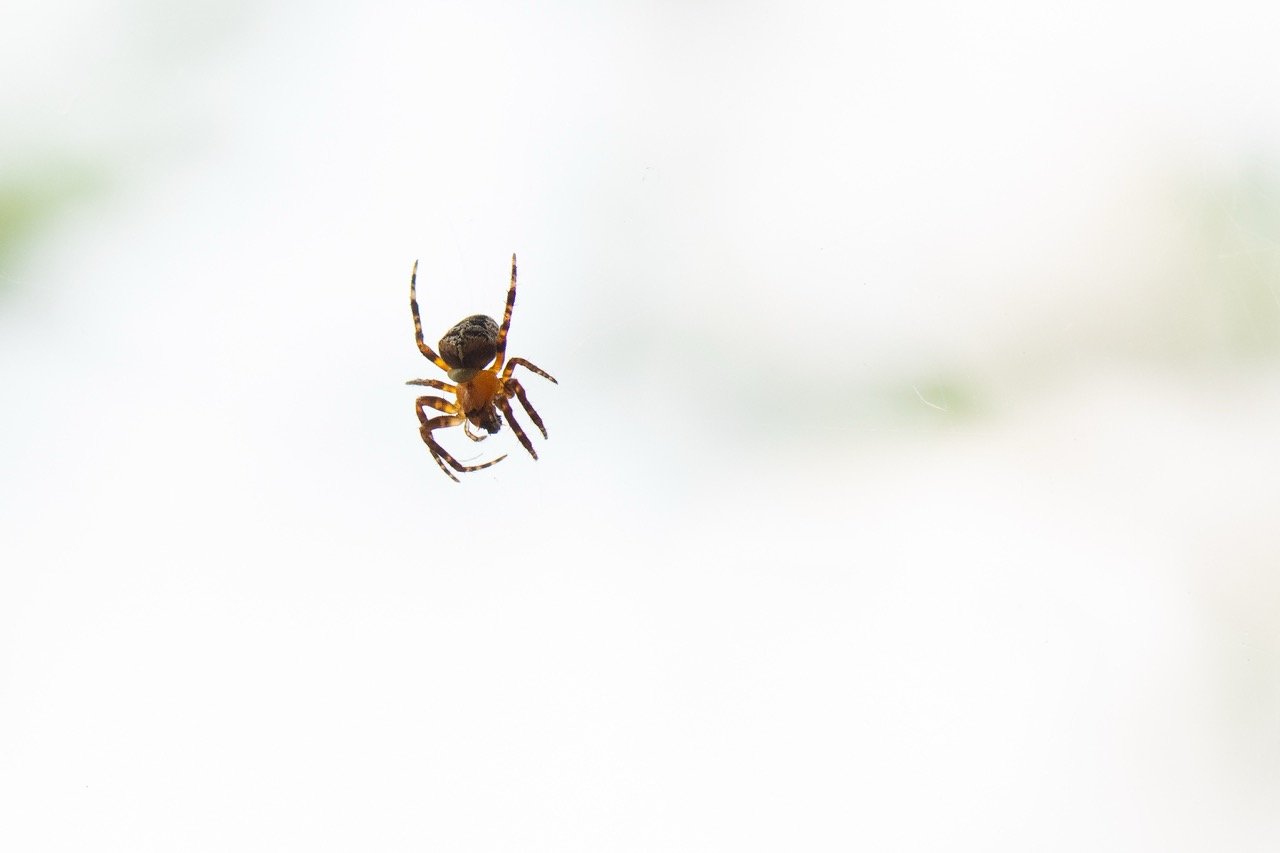
Spiders and other pests can hide in garages, storage spaces, and quiet corners.
The absence of visible pests during a walkthrough doesn’t necessarily mean there is nothing to investigate.
Start With a Pest Inspection
Before automatically treating every room, begin by understanding the property.
A professional inspection can help identify:
- Current pest activity.
- Evidence of previous activity.
- Potential entry points.
- Moisture conditions.
- Exterior vulnerabilities.
- Areas that require monitoring.
This allows pest management to be based on what the property actually needs rather than assuming every new home requires exactly the same treatment.
Check the Kitchen Before Unpacking
The kitchen is one of the most important areas to inspect while empty.
Look inside:
- Cabinets.
- Drawers.
- Areas beneath the sink.
- Pantry spaces.
- Gaps around plumbing.
Watch for droppings, dead insects, ant activity, moisture, or unexplained debris.
Pay particular attention beneath the sink.
Plumbing penetrations can create small openings into walls, while leaks can provide water for pests.
Once you’ve inspected and cleaned these areas, you can begin storing food and cookware with greater confidence.
Inspect Bathrooms for Moisture and Entry Points
Bathrooms can attract pests even though they don’t usually contain traditional food sources.
Water and humidity can be enough to encourage activity.
Before moving in, check:
- Beneath sinks.
- Around plumbing.
- Shower areas.
- Windows.
- Baseboards.
- Cabinets.
Look for signs of leaks or persistent moisture.
Small ants, for example, may repeatedly appear around plumbing openings and damp areas.
Addressing those conditions before the home is fully occupied can simplify prevention later.
Don’t Forget the Garage
Garages are easy to overlook during move-in preparation, but they’re often one of the first places boxes and stored belongings accumulate.
Before filling the garage, inspect:
- The garage door seal.
- Exterior corners.
- Wall openings.
- Utility penetrations.
- Storage areas.
- The door connecting to the home.
Look for rodent droppings, gnaw marks, insects, webs, or nesting materials.
If you discover evidence of rodents, investigate before stacking boxes throughout the space.
Check for Rodent Entry Points
Rats and mice can use small structural openings to enter residential properties.
Potential access points may exist around:
- Garage doors.
- Utility lines.
- Exterior vents.
- Rooflines.
- Doors.
- Other structural gaps.
Finding and addressing these vulnerabilities is an important part of rodent prevention.
If rodents are already present, however, exclusion should be coordinated carefully.
Sealing openings without considering animals currently inside could create additional problems.
Look for Termite Warning Signs
Termites should be part of the conversation when moving into a Florida home.
Depending on the termite species, signs may include:
- Discarded wings.
- Termite droppings.
- Mud tubes.
- Small openings in wood.
- Suspicious wood damage.
Termite activity can remain hidden, so don’t assume the property is termite-free simply because you haven’t seen live termites.
If you notice suspicious evidence, professional identification is important.
What About a Home That Was Recently Inspected?
If you had a pest inspection during the homebuying process, that’s a useful starting point.
Review what was found.
Were there:
- Active pest concerns?
- Evidence of previous infestations?
- Recommended repairs?
- Potential entry points?
- Moisture issues?
Make sure important recommendations haven’t been forgotten between closing and moving day.
A previous inspection can also help guide preventive decisions for the property.
Should You Ask About the Previous Owner’s Pest Control?
When possible, information about previous pest management can provide valuable context.
You may want to know:
- Whether the property had termite activity.
- Whether rodents were previously found.
- Whether recurring ant problems existed.
- Whether professional pest control was performed.
- Whether the home was on an ongoing prevention plan.
Past pest activity doesn’t necessarily mean the home currently has a problem.
But knowing the history can tell you which areas deserve continued monitoring.
What About Rental Properties?
The same general principle applies when moving into a rental.
Inspect the property before filling it with belongings.
Document suspicious conditions and communicate with the appropriate property manager or landlord when necessary.
This can be especially important if you discover:
- Droppings.
- Live pests.
- Termite evidence.
- Damaged materials.
- Significant moisture.
- Structural gaps.
Documenting conditions before moving in can also create a clearer record of what was present when you received the property.
Can Your Moving Boxes Bring Pests?
Sometimes the pest risk doesn’t come from the new home.
It comes with your belongings.
Cardboard boxes provide numerous folds and protected spaces where insects may hide.
Boxes stored for long periods in garages, storage units, or other locations deserve extra attention.
Before moving them into your new home:
- Inspect boxes.
- Avoid using heavily damaged cardboard.
- Check for droppings or insects.
- Keep food separate from general moving boxes.
- Unpack and remove unnecessary cardboard when practical.
If you’re moving from a property with a known pest problem, additional precautions may be appropriate.
Be Especially Careful With Bed Bugs
Bed bugs can travel with personal belongings, luggage, furniture, and other items.
If your previous residence had confirmed or suspected bed bug activity, simply moving doesn’t necessarily leave the problem behind.
Inspect belongings carefully and consider professional guidance before transporting potentially affected items into the new property.
The goal is to avoid introducing a previous pest problem into an otherwise pest-free home.
Inspect Used Furniture Before Bringing It Inside
Secondhand furniture can be a great way to furnish a new home, but inspect it carefully before bringing it indoors.
Depending on the item, look for:
- Live insects.
- Shed skins.
- Unusual spotting.
- Small openings in wood.
- Pest droppings.
- Other suspicious evidence.
Upholstered and wooden furniture deserve particular attention.
When you’re uncertain about an item, investigate before placing it inside the home.
Check the Exterior Before Moving Day
Pest prevention isn’t limited to indoor spaces.
Walk around the property and inspect:
- Landscaping.
- Tree branches.
- Shrubs.
- Mulch.
- Outdoor garbage areas.
- Standing water.
- Wood piles.
- Exterior doors.
- Windows.
Dense vegetation touching the house can create pest pathways, while standing water can support mosquito activity.
Understanding exterior conditions gives you a better idea of the pest pressure surrounding the home.
Does Every New Home Need Pest Treatment?
Not necessarily.
There’s an important difference between inspection and treatment.
An inspection determines what conditions and pest activity are present.
Treatment should then be based on the findings and the needs of the property.
Applying unnecessary products simply because the house is empty isn’t automatically the best approach.
A professional can help determine whether treatment, monitoring, exclusion, preventive recommendations, or a combination of strategies is appropriate.
What About Newly Built Homes?
New construction doesn’t automatically mean pest-free.
A new home still exists within an outdoor environment where insects and rodents are present.
Construction can also disturb soil and surrounding habitats.
New properties have:
- Doors.
- Windows.
- Utility penetrations.
- Landscaping.
- Garages.
- Rooflines.
- Plumbing.
These areas can eventually become pest access points if vulnerabilities develop.
Starting with preventive awareness can help homeowners maintain the property as conditions change.
What Should You Do Before Bringing Food Into the House?
Before stocking the pantry:
- Inspect cabinets and shelves.
- Clean food-storage areas.
- Check beneath the sink.
- Look for droppings or insects.
- Address leaks.
- Make sure pantry products can be stored securely.
Once food enters the property, it becomes another resource pests may investigate.
Beginning with clean, organized storage areas makes ongoing monitoring easier.
What Should You Do After Moving In?
Pest prevention shouldn’t stop after the boxes are unpacked.
Continue monitoring your new home.
Pay attention to:
- Ant trails.
- Unusual insects.
- Droppings.
- Scratching sounds.
- Discarded wings.
- New webs.
- Unexplained debris.
- Moisture.
Also maintain the exterior by trimming vegetation, eliminating unnecessary standing water, securing garbage, and checking structural seals.
Small observations can help identify changes before they develop into larger problems.
Is Preventive Pest Control Worth Considering After a Move?
For many Florida homeowners, ongoing prevention may be worth evaluating.
A preventive strategy can include:
- Periodic inspections.
- Monitoring pest activity.
- Identifying new entry points.
- Evaluating environmental conditions.
- Targeted treatments when appropriate.
The frequency and type of service should depend on the property rather than following a universal schedule.
Your home’s location, pest history, landscaping, construction, and surrounding environment can all influence the appropriate approach.
Start Your New Home With a Pest Prevention Plan
Scheduling pest control before moving in isn’t about assuming your new home has an infestation.
It’s about taking advantage of an ideal opportunity to understand the property.
Before furniture covers the walls and boxes fill the garage, inspect the areas that will soon become harder to access.
Look for pest evidence, check for moisture, identify structural vulnerabilities, evaluate the exterior, and understand any previous pest history.
If treatment is necessary, you’ll know why.
If no significant pest activity is found, you’ll have a useful baseline for monitoring the property after you move in.
Either way, prevention is easier when you begin with information.
Contact 911 Home Helps Today
Getting ready to move into a new Florida home? Make pest prevention part of your moving checklist.
911 Home Helps can inspect your property for signs of pest activity, identify potential entry points, and recommend a pest control strategy based on the specific needs of your new home.