When temperatures begin to drop, many homeowners assume pest problems disappear until spring. In colder parts of the country, winter can significantly reduce insect activity outdoors, making pest control feel less urgent.
Florida is different.
The state’s relatively mild winters mean many household pests can remain active throughout the season. Others may respond to cooler weather by moving indoors, where your home provides warmth, food, water, and shelter.
That’s why pest control in Florida winter can still be an important part of protecting your property. Rather than stopping preventive measures when summer ends, homeowners can use the cooler months to maintain protection and address conditions that may lead to future infestations.
Do Pests Go Away During Florida Winter?
Not necessarily.
Pest activity depends on several factors, including the species, temperature, moisture, food availability, and location.
While some insects may become less visible when temperatures decrease, that doesn’t mean they’re completely gone.
Pests may:
- Remain active outdoors.
- Move into warmer structures.
- Hide in protected areas.
- Continue reproducing indoors.
- Become less noticeable without disappearing.
Florida’s generally mild climate means the seasonal slowdown can be very different from what homeowners experience in northern states.
Why Florida Winters Are Different
Florida’s climate creates conditions that support pest activity for much of the year.
Even during winter, homes can provide stable environments where pests have access to:
- Warmth.
- Moisture.
- Food.
- Protected nesting areas.
Garages, attics, kitchens, bathrooms, wall voids, and crawl spaces can all offer shelter when outdoor conditions become less favorable.
This is one reason maintaining pest prevention throughout the year can be more effective than waiting for a visible infestation.
Which Pests Are Active During Florida Winter?
Different pests respond to seasonal changes in different ways. Several common Florida pests can still create problems during winter.
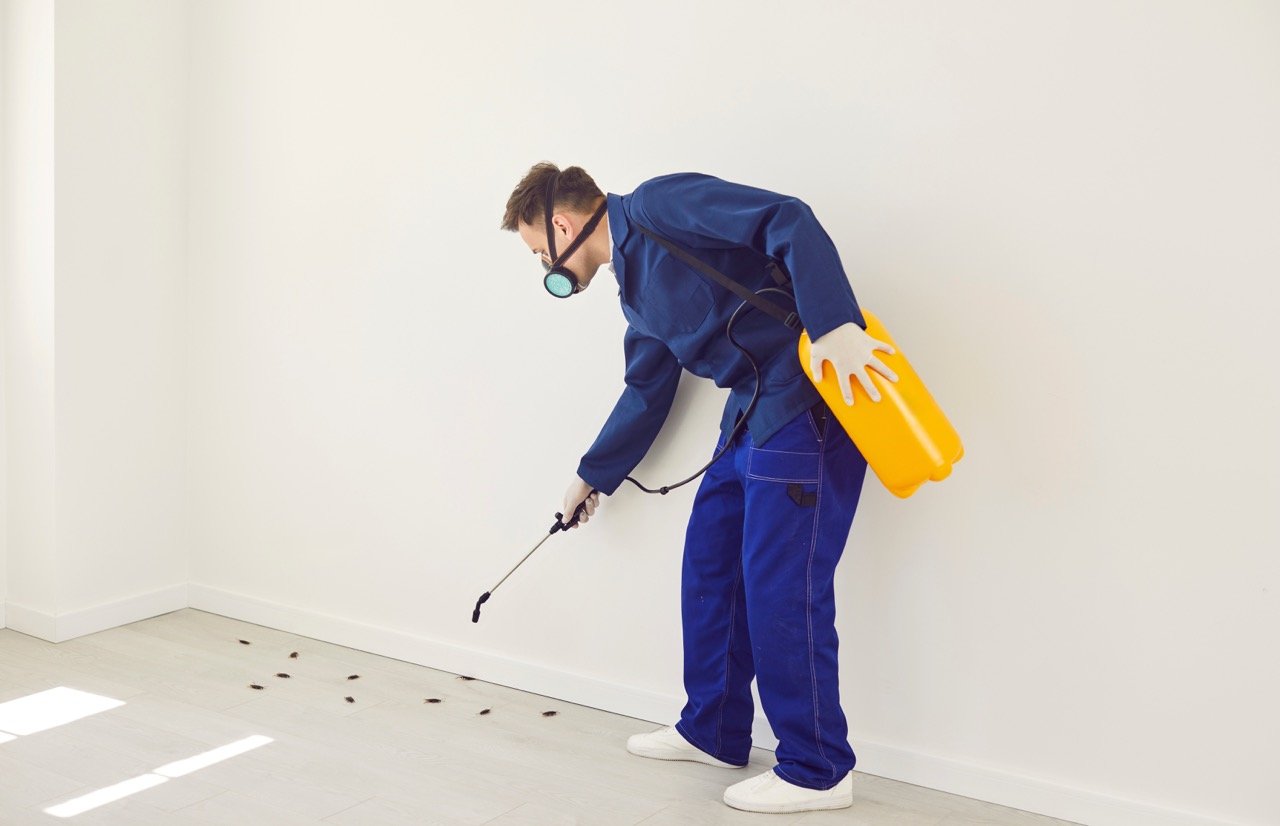
Cockroaches
Cockroaches thrive in warm environments, making Florida an ideal habitat.
When outdoor temperatures become cooler, some cockroaches may seek protected spaces around or inside homes.
They may hide:
- Behind appliances.
- Beneath sinks.
- Around plumbing.
- Inside cabinets.
- In garages.
- In wall voids.
Food, water, and indoor warmth can encourage them to remain inside once they gain access.
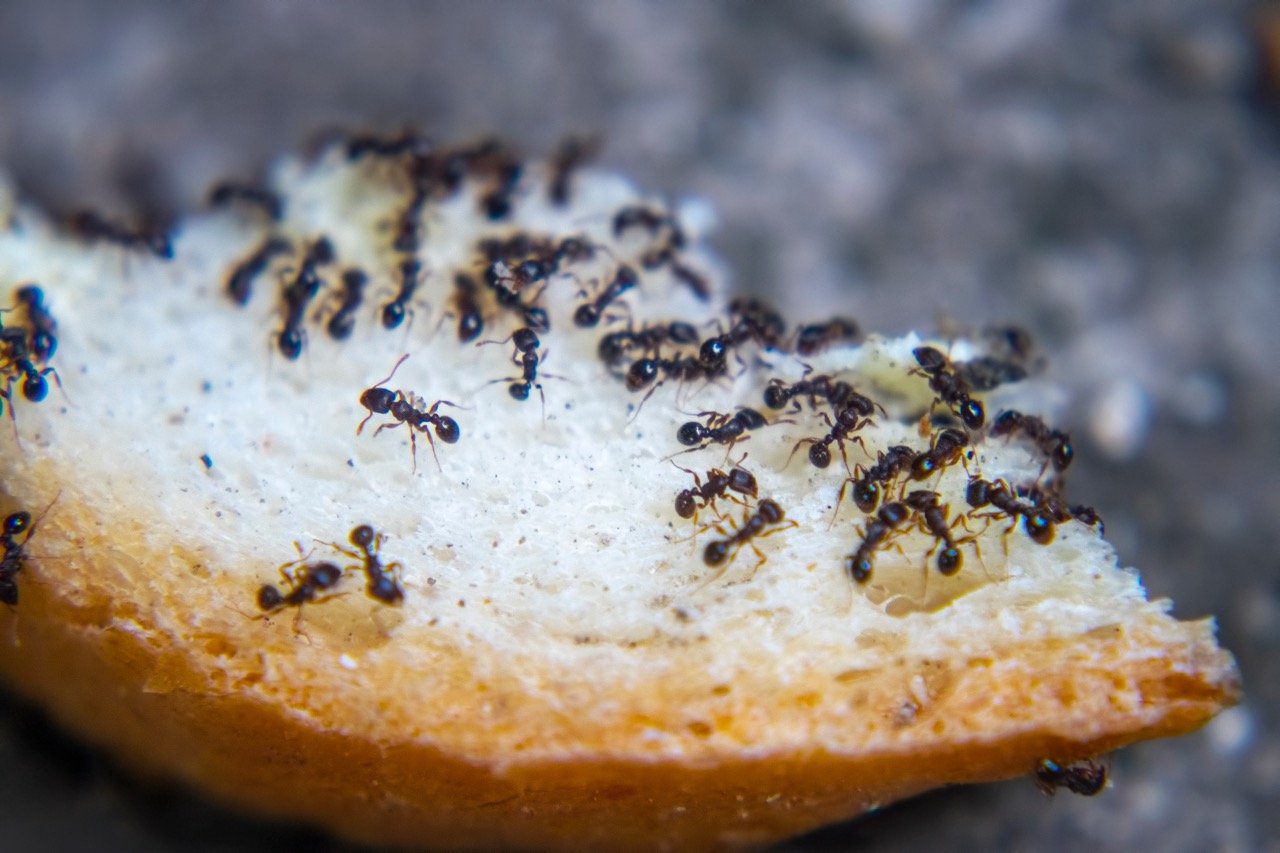
Ants
Ant activity may change with the weather, but Florida homeowners can still encounter ants during winter.
Indoor environments provide consistent temperatures and reliable food sources, particularly in kitchens and bathrooms.
Homeowners may notice ant trails around:
- Countertops.
- Sinks.
- Pantry areas.
- Pet food.
- Plumbing fixtures.
Maintaining sanitation and addressing moisture can help reduce conditions that attract them.
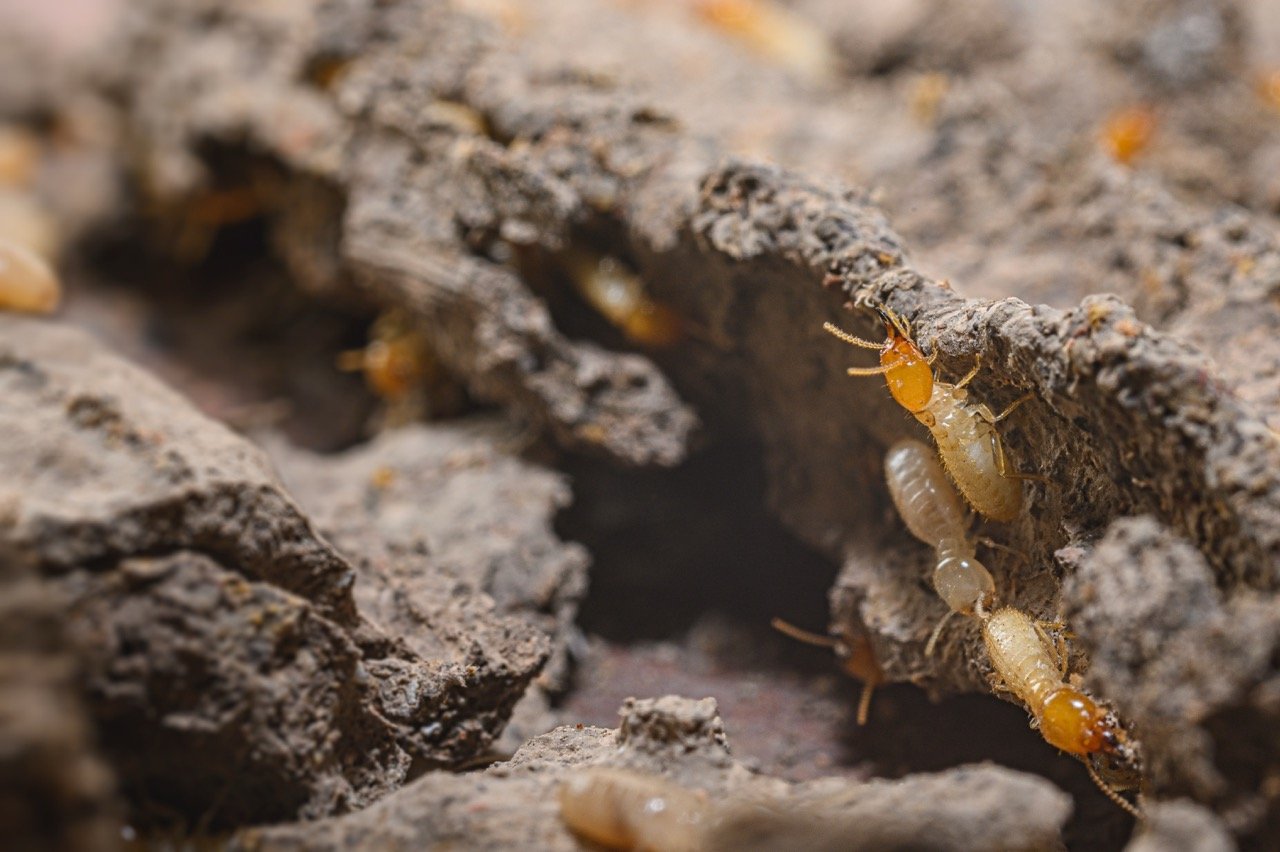
Termites
Termites shouldn’t be treated as a summer-only problem.
Florida is home to multiple termite species, and activity can continue even when homeowners aren’t seeing obvious signs.
Termites often remain hidden inside wood or underground, which means an infestation can develop without visible insects moving around the home.
Regular inspections remain important regardless of the season.
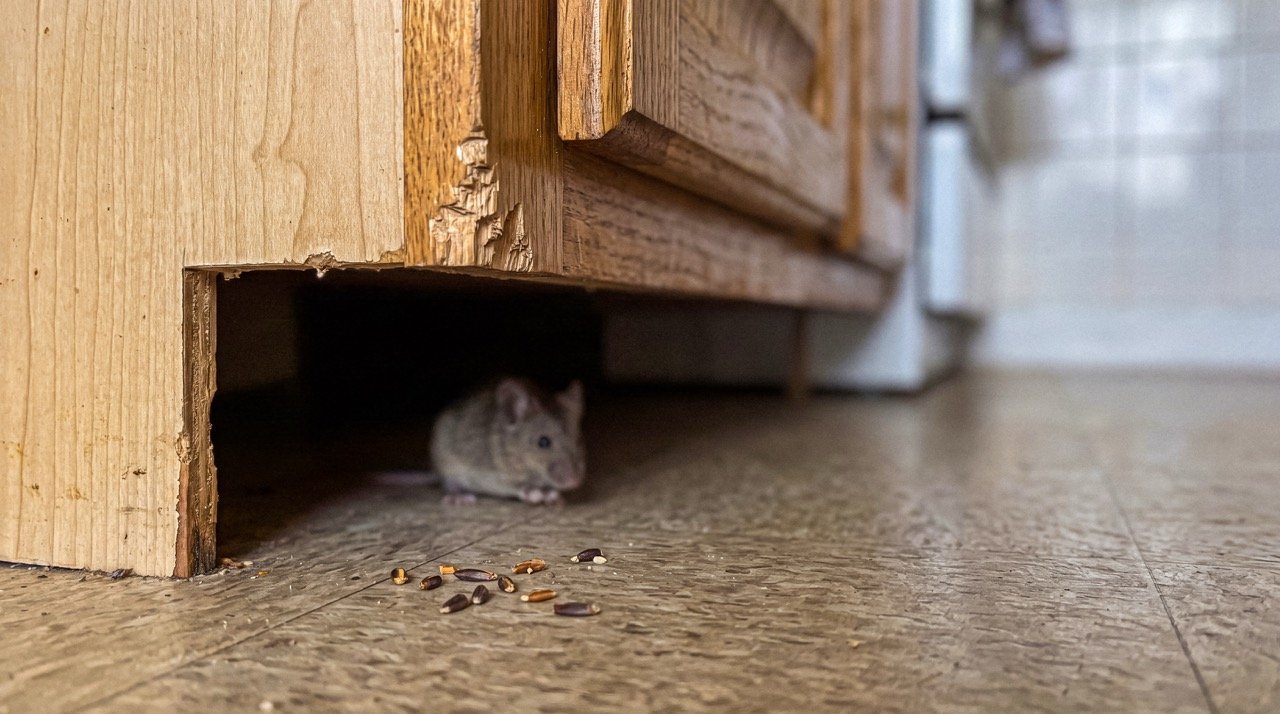
Rodents
Winter can be particularly important for rodent prevention.
When temperatures decrease, rats and mice may seek warmer, protected environments for shelter.
Potential nesting locations include:
- Attics.
- Garages.
- Wall voids.
- Storage areas.
- Crawl spaces.
Once rodents establish themselves indoors, they can contaminate stored food, damage materials, and become difficult to remove.
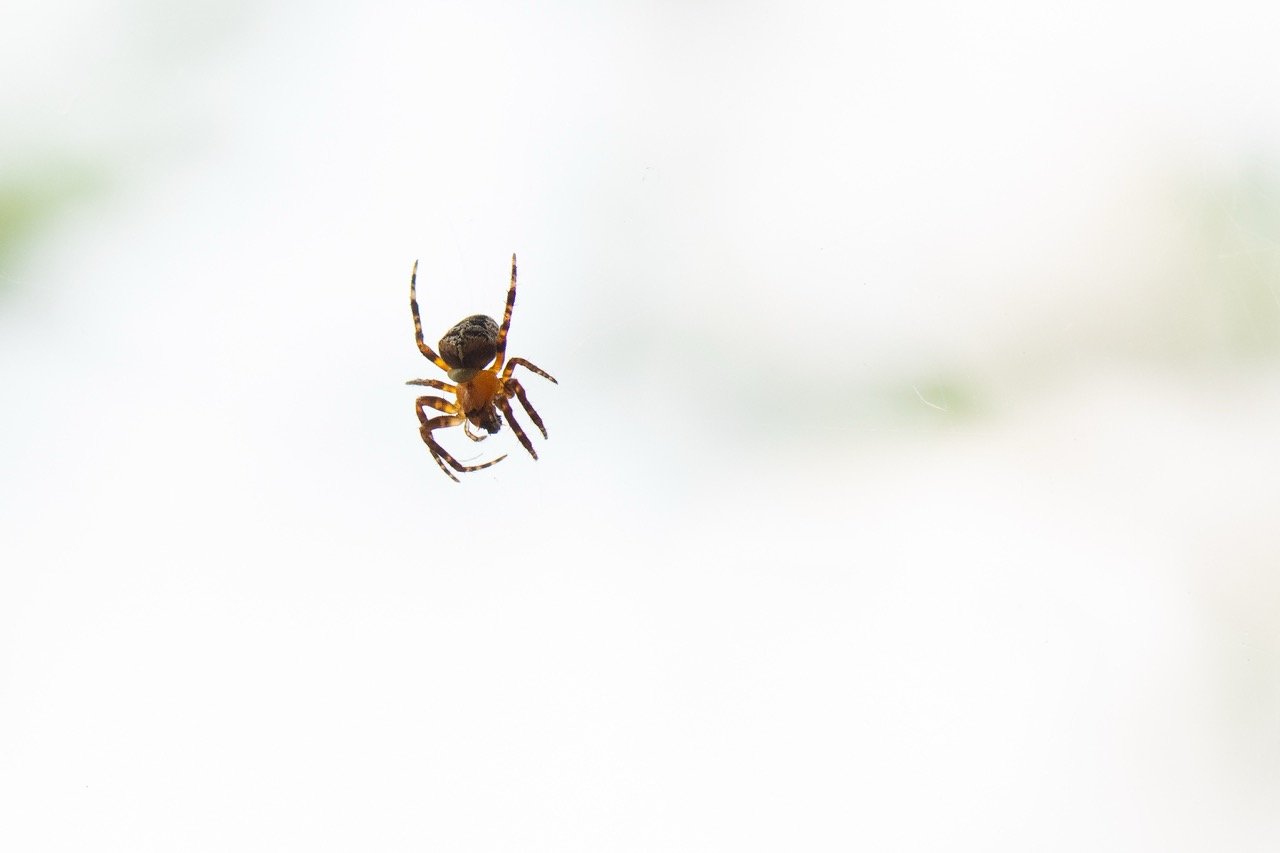
Spiders
Spiders may also appear indoors during cooler periods, especially where other insects are available as prey.
Seeing spiders frequently can sometimes indicate that your home is supporting a broader insect population.
Reducing other pest activity may therefore help reduce spider activity as well.
What About Mosquitoes During Winter?
Mosquito activity can decrease when temperatures become less favorable, but Florida’s weather varies considerably by region and from one winter to another.
Warm periods can allow mosquitoes to remain active, particularly where standing water is available.
Homeowners should continue checking areas such as:
- Plant saucers.
- Bird baths.
- Gutters.
- Buckets.
- Pool covers.
- Outdoor containers.
Removing standing water remains a valuable habit throughout the year.
Why Winter Is a Good Time for Pest Prevention
Pest control isn’t only about killing insects after they appear.
Preventive pest management focuses on identifying conditions that could allow pests to enter, survive, and reproduce around your property.
Winter can be an excellent time to inspect your home for:
- Structural gaps.
- Damaged weather stripping.
- Plumbing leaks.
- Moisture problems.
- Rodent entry points.
- Pest activity in storage areas.
Addressing these issues before warmer weather returns can help reduce pest problems later.
Inspect Your Home’s Exterior
One of the most effective preventive steps homeowners can take is checking the exterior of their property.
Look around:
- Doors.
- Windows.
- Utility penetrations.
- Rooflines.
- Garage doors.
- Foundation areas.
- Exterior vents.
Small openings may provide enough space for insects or rodents to enter.
Repairing gaps and damaged materials can help create a stronger barrier against pests.
Don’t Ignore the Garage and Attic
Garages and attics are easy to overlook because they aren’t used as frequently as kitchens or living spaces.
Unfortunately, pests appreciate that privacy.
Regularly inspect these areas for:
- Droppings.
- Gnaw marks.
- Nesting materials.
- Damaged boxes.
- Unusual odors.
- Insect activity.
Keeping storage areas organized also makes signs of pest activity easier to detect.
Cardboard boxes can provide shelter for certain pests, so sealed storage containers may be a better option for items kept long-term.
Control Indoor Moisture
Even during winter, moisture remains an important factor in pest activity.
Check for:
- Leaking faucets.
- Pipes beneath sinks.
- Damp cabinets.
- Condensation.
- Poor ventilation.
Bathrooms, kitchens, and laundry rooms deserve particular attention.
Fixing moisture issues can make indoor spaces less attractive to cockroaches, ants, and other pests while also supporting general home maintenance.
Should You Stop Routine Pest Control During Winter?
If you already have a regular pest control plan, stopping treatments simply because the weather is cooler may leave gaps in your preventive strategy.
Consistent pest management allows professionals to monitor activity throughout seasonal changes.
Routine services can help:
- Identify new pest activity.
- Monitor previously treated areas.
- Detect potential entry points.
- Address seasonal pest changes.
- Maintain preventive protection.
The appropriate frequency depends on your property, pest history, location, and other environmental factors.
Can Winter Pest Control Prevent Spring Problems?
Preventive measures taken during winter can help reduce conditions that contribute to pest activity when temperatures rise.
For example, winter is a good opportunity to:
- Seal structural openings.
- Repair leaks.
- Improve storage areas.
- Remove unnecessary clutter.
- Address existing pest activity.
- Evaluate landscaping near the structure.
Waiting until spring to think about pests can give existing populations additional time to become established.
A proactive approach helps homeowners enter warmer months with fewer pest-friendly conditions around the property.
Do You Need Professional Pest Control If You Don’t See Bugs?
One of the challenges with pest prevention is that many problems aren’t immediately visible.
Termites can remain concealed inside wooden structures. Rodents may spend most of their time in attics or wall voids. Cockroaches frequently hide during daylight hours.
The absence of visible pests doesn’t always mean a property has no pest activity.
Professional inspections can help identify warning signs that homeowners may otherwise overlook.
This is especially valuable for properties with a history of infestations or conditions that make them particularly attractive to pests.
Year-Round Protection Makes Sense in Florida
Florida doesn’t experience the same long, freezing winters found in many other parts of the country, and pest management should reflect those local conditions.
While the types and levels of activity may change throughout the year, household pests don’t simply disappear when winter arrives.
Maintaining pest control in Florida winter can help homeowners detect problems early, reduce potential entry points, and maintain protection before pest activity increases again.
Preventing an infestation is often much easier than dealing with one after it has become established.
Contact 911 Home Helps Today
Wondering whether your Florida home needs pest control this winter? 911 Home Helps can evaluate your property and help determine a prevention plan based on your home’s specific needs.