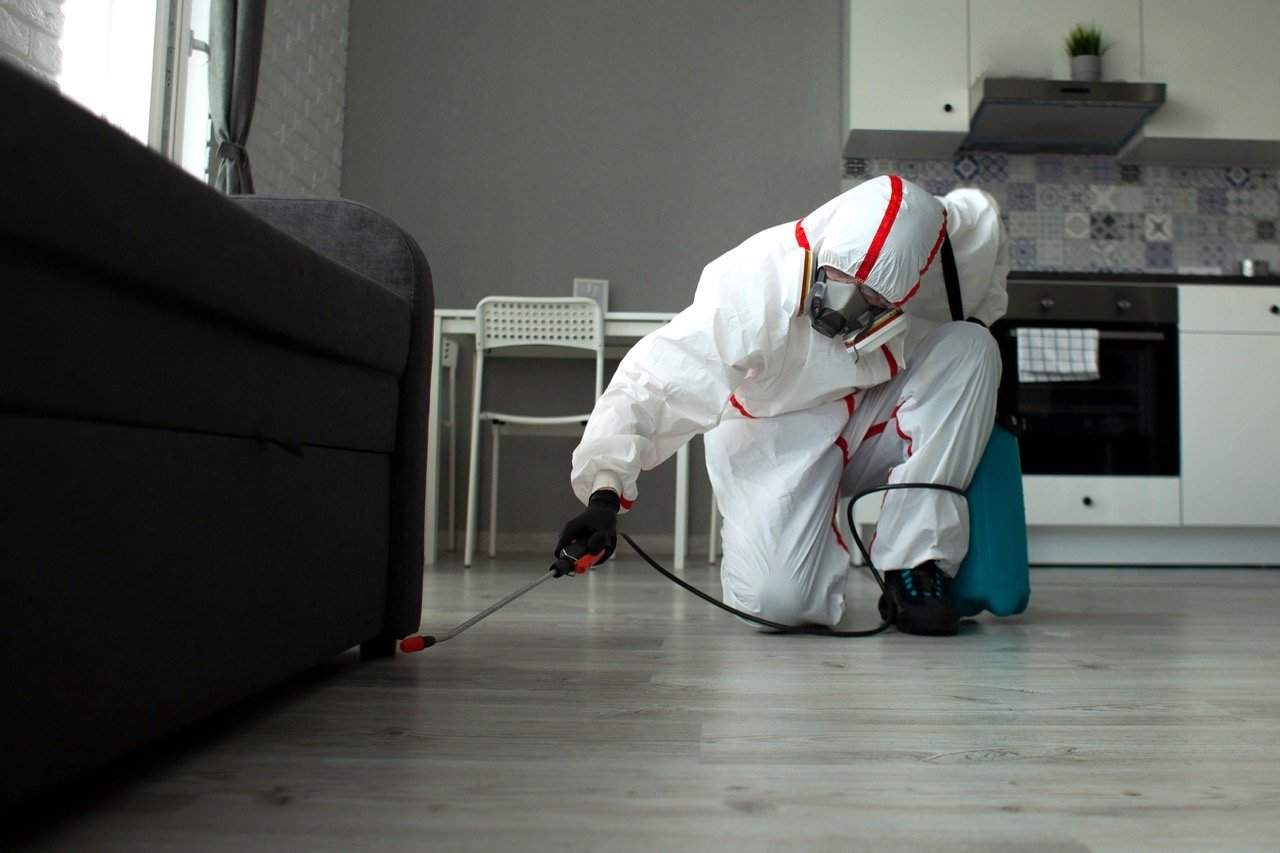
Running a business means paying attention to countless details, from customer service and daily operations to facility maintenance and employee safety.
Pest activity is one concern that can easily go unnoticed until it starts affecting those priorities.
An ant trail in a break room, rodent droppings in storage, or insects appearing near an entrance may seem like isolated problems. However, recurring activity can indicate conditions that deserve a closer look.
That’s why pest control for Florida businesses should be considered part of an ongoing property maintenance strategy rather than something addressed only when pests become visible.
Regular inspections and preventive measures can help business owners identify vulnerabilities, respond to activity, and maintain a more comfortable environment for employees and visitors.
Why Do Businesses Need Regular Pest Control?
Commercial properties provide many of the same resources that attract pests to residential buildings: food, water, shelter, and accessible entry points.
The difference is that business facilities may contain larger storage areas, frequent deliveries, shared spaces, and multiple access points.
Depending on the property, pests may find opportunities around loading docks, break rooms, utility areas, landscaping, and stored inventory.
A regular pest management plan helps businesses monitor these conditions rather than relying entirely on occasional sightings.
It also creates opportunities to identify maintenance issues that may contribute to recurring activity.
Why Is Pest Control Important for Florida Businesses?
Florida’s climate supports pest activity throughout much of the year.
Warm conditions, rainfall, vegetation, and moisture can influence the environments where insects and rodents live.
For businesses, this means pest prevention shouldn’t be limited to a single season.
An office, retail store, warehouse, or other commercial facility may experience different pest pressures depending on its location, construction, and daily operations.
A professional inspection can help determine which areas deserve attention and what preventive measures are appropriate for the property.
1. Protecting the Customer Experience
Customers notice their surroundings.
Seeing pests in a waiting room, showroom, restroom, or other public area can create concern, even when the sighting is isolated.
For customer-facing businesses, maintaining a clean and well-managed environment is an important part of everyday operations.
Pest prevention supports that effort by addressing conditions that may attract unwanted insects or rodents.
Regular monitoring can also help staff recognize warning signs and report them before activity becomes more noticeable.
2. Reducing Risks to Stored Products and Materials
Many businesses store products, packaging, supplies, or equipment on-site.
Depending on the pest involved, these materials may become contaminated or damaged.
Rodents, for example, may gnaw packaging and leave droppings in storage areas.
Other pests may use cardboard boxes or undisturbed materials as shelter.
An organized storage area makes it easier to identify suspicious evidence.
Businesses should inspect incoming deliveries when appropriate, maintain suitable storage practices, and avoid allowing unnecessary debris to accumulate.
3. Identifying Pest Activity Before It Becomes More Extensive
One of the main benefits of regular inspections is the opportunity to notice changes.
A small amount of evidence in a storage corner may be easier to investigate than a problem discovered after activity has spread to multiple areas.
Early warning signs may include:
-
Droppings.
-
Gnaw marks.
-
Recurring insect trails.
-
Damaged packaging.
-
Suspicious wood damage.
-
Unusual nesting material.
-
Repeated pest sightings.
Not every sign confirms an active infestation, but each can provide useful information.
Documenting the location and frequency of activity helps a pest control professional evaluate the situation.
4. Addressing Entry Points Around Commercial Buildings
Commercial properties often have multiple exterior openings.
Employees, customers, deliveries, and equipment may move through the building throughout the day.
Potential access areas include:
-
Exterior doors.
-
Loading docks.
-
Garage or warehouse doors.
-
Utility penetrations.
-
Damaged screens.
-
Vents.
-
Gaps around building components.
A pest management plan should consider how the property is used.
For example, a loading dock that remains open during deliveries presents different conditions from an office with limited exterior access.
Appropriate maintenance and exclusion measures can help reduce opportunities for pests to enter.
5. Managing Food and Water Sources
Even businesses that don’t prepare or sell food may have break rooms, coffee stations, vending areas, or employee kitchens.
Crumbs, spills, unsecured food, and overflowing trash containers can attract certain pests.
Water sources matter too.
Leaking pipes, condensation, drainage problems, and standing water may contribute to pest activity.
Routine cleaning and maintenance help address these conditions.
Pest control works best when it complements—not replaces—good facility management.
6. Supporting Employee Comfort
Employees spend a significant portion of their day in the workplace.
Recurring pest activity can make work areas uncomfortable and create concerns about the condition of the facility.
A consistent prevention plan demonstrates that building maintenance is being taken seriously.
Employees can also play a useful role by reporting sightings, leaks, damaged packaging, or other warning signs.
Clear reporting procedures make it easier to respond before an issue is overlooked.
7. Protecting the Building and Its Components
Some pests can affect the physical property.
Termites may damage suitable wooden materials, while rodents may gnaw certain building components and stored items.
The extent and type of damage depend on the pest and circumstances.
Regular inspections can help identify suspicious evidence and determine whether additional evaluation is needed.
For businesses operating from owned or leased premises, maintaining inspection records can also provide useful information about the property’s history.
What Types of Businesses Benefit From Pest Control?
Pest management is relevant across many industries, although the appropriate strategy varies.
Offices
Break rooms, restrooms, storage closets, and utility areas may provide opportunities for pest activity.
Retail Stores
Deliveries, packaging, storage areas, and customer entrances deserve attention.
Warehouses
Large storage spaces, loading docks, and frequently moved inventory can make monitoring particularly important.
Restaurants and Food-Service Facilities
Food handling, storage, waste management, and sanitation require specialized attention and compliance with applicable requirements.
Property Management Facilities
Shared areas, maintenance spaces, and multiple units may require coordinated inspections and preventive measures.
The right service plan should reflect the facility’s activities and pest pressures rather than applying the same approach to every business.
Why One-Time Pest Control May Not Be Enough
A one-time service may address a specific problem, but it doesn’t automatically eliminate future pest activity.
New pests may enter from outdoors.
A damaged door seal may remain open.
A plumbing leak may develop.
Stored materials may accumulate in an area that was previously clear.
Because commercial environments change, pest prevention benefits from ongoing attention.
The appropriate inspection or service frequency should be based on the property’s conditions, pest history, and professional recommendations.
What Should a Commercial Pest Control Plan Include?
An effective plan begins with understanding the facility.
A professional may evaluate the building, identify current activity, and examine conditions that could support pests.
Depending on the findings, the plan may include:
-
Pest identification.
-
Inspection of vulnerable areas.
-
Recommendations for sanitation and storage.
-
Evaluation of possible entry points.
-
Appropriate pest management measures.
-
Monitoring and follow-up.
-
Documentation of findings and recommendations.
The exact approach should be tailored to the property and the pests involved.
Why Documentation Matters for Businesses
Commercial facilities often benefit from keeping organized maintenance records.
Pest control documentation may include inspection dates, identified activity, areas evaluated, services performed, and recommended corrective actions.
These records can help managers track recurring concerns and communicate with maintenance staff or service providers.
They may also be useful when reviewing facility procedures or addressing applicable industry requirements.
Documentation should accurately reflect the work performed rather than being treated as a substitute for effective pest management.
How Can Employees Help Prevent Pest Problems?
Pest prevention doesn’t have to depend entirely on one manager.
Employees can support the process through everyday habits.
Encourage staff to store food appropriately, clean up spills, report leaks, and avoid allowing trash to accumulate.
Make it easy to report pest sightings without requiring employees to identify the insect themselves.
A simple report that includes the location, date, and description can provide valuable information.
Staff should not be expected to apply pesticides or investigate hazardous areas without appropriate training and authorization.
How Can Businesses Reduce Pest Activity Around the Exterior?
The building perimeter deserves attention because many pests originate outdoors.
Maintain landscaping, inspect drainage, and avoid storing unnecessary materials directly against exterior walls.
Check door seals and visible structural openings.
For properties with loading docks or outdoor waste areas, pay attention to food residue, standing water, and protected spaces.
Exterior maintenance can help reduce conditions that support pest activity near the building.
When Should a Business Request a Pest Inspection?
A professional inspection is worth considering when staff repeatedly notice pests or discover evidence such as droppings, damaged packaging, or suspicious wood changes.
It may also be appropriate when:
-
Activity appears in multiple areas.
-
The source cannot be identified.
-
A building develops moisture problems.
-
Deliveries or storage areas show recurring signs.
-
A previous pest issue returns.
-
The business is preparing to occupy a new facility.
An inspection can help establish the current conditions and determine an appropriate next step.
How Often Should Florida Businesses Schedule Pest Control?
There is no universal schedule that fits every commercial property.
A facility’s needs depend on factors such as its industry, construction, location, pest history, and daily operations.
Businesses handling food may also have specific regulatory or operational requirements that influence their pest management procedures.
A professional can recommend a suitable inspection and service schedule based on the property rather than relying on an arbitrary interval.
Make Pest Prevention Part of Routine Facility Maintenance
The value of pest control for Florida businesses extends beyond responding to a visible insect or rodent.
Regular attention can help identify pest activity, reveal contributing maintenance issues, and support a cleaner, more comfortable commercial environment.
For business owners and facility managers, the most practical approach combines professional pest management with consistent sanitation, storage practices, structural maintenance, and employee reporting.
Pest activity may not always be preventable, but a clear plan makes it easier to recognize problems and respond appropriately.
Contact 911 Home Helps Today
Are you looking for pest control support for your Florida business? 911 Home Helps provides commercial pest control services and can evaluate your facility for signs of pest activity, potential entry points, and conditions that may contribute to recurring problems.