Buying a home is exciting. Between comparing neighborhoods, reviewing finances, scheduling inspections, and imagining yourself in the new space, there is a lot to consider before closing day.
Pests probably aren’t at the top of that list.
But they should be somewhere on it.
A property can look clean, well-maintained, and move-in ready while still having signs of termites, rodents, ants, or other pest activity in areas that aren’t immediately visible during a casual walkthrough.
That’s why scheduling a pest inspection before buying a home can be a valuable step for Florida homebuyers.
A professional inspection can help identify evidence of pest activity, highlight conditions that may make the property vulnerable, and give you more information about the home you’re considering purchasing.
Why Should Florida Homebuyers Think About Pests?
Florida’s climate creates favorable conditions for many pests.
Warm temperatures, humidity, rainfall, vegetation, and residential development mean homeowners may encounter pest activity throughout much of the year.
Common concerns can include:
- Termites.
- Ants.
- Rodents.
- Mosquitoes.
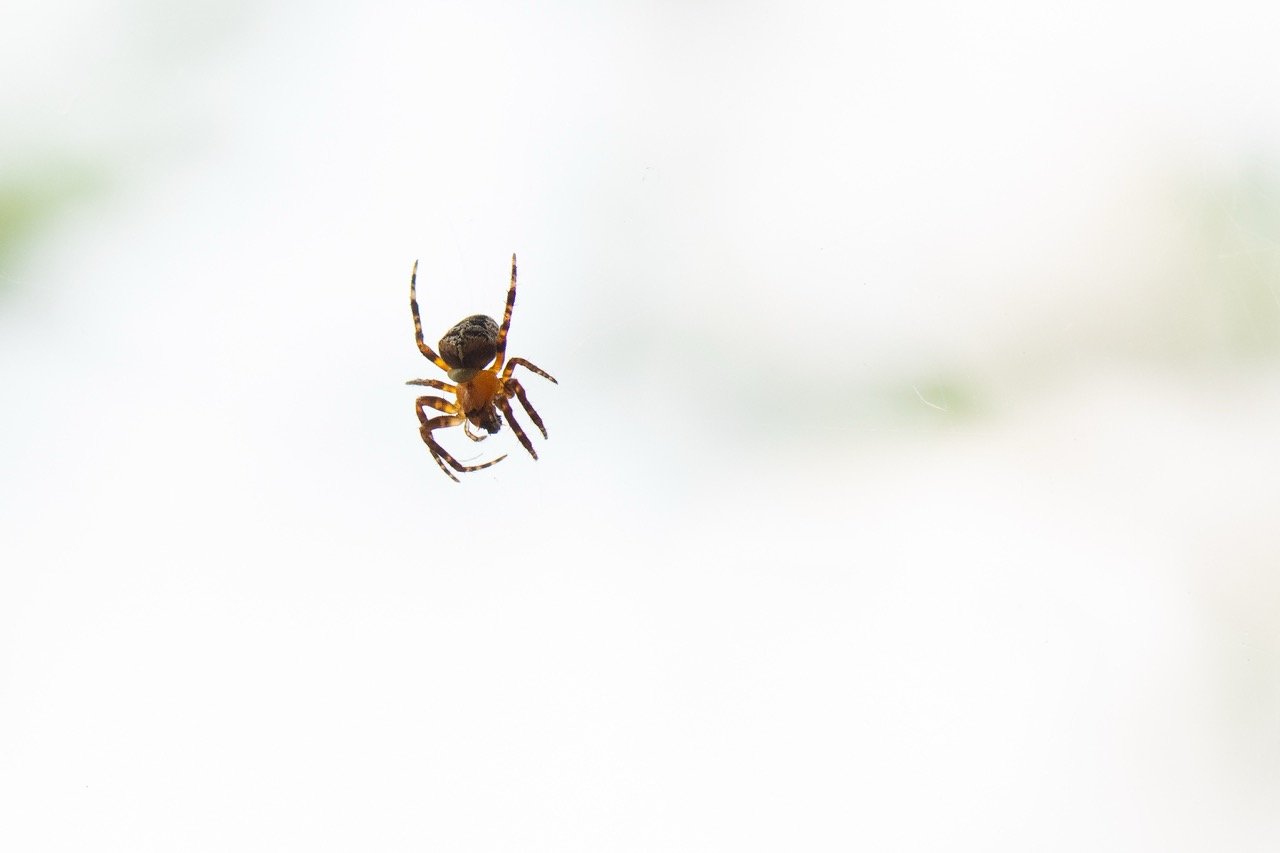
- Spiders.
- Other household pests.
That doesn’t mean every Florida property has an infestation.
It simply means pest activity should be considered as part of understanding a property’s overall condition.
What Is a Pest Inspection Before Buying a Home?
A pest inspection evaluates accessible areas of a property for evidence of pest activity and conditions that may contribute to future problems.
Depending on the property and type of inspection, a professional may look for:
- Droppings.
- Nesting materials.
- Gnaw marks.
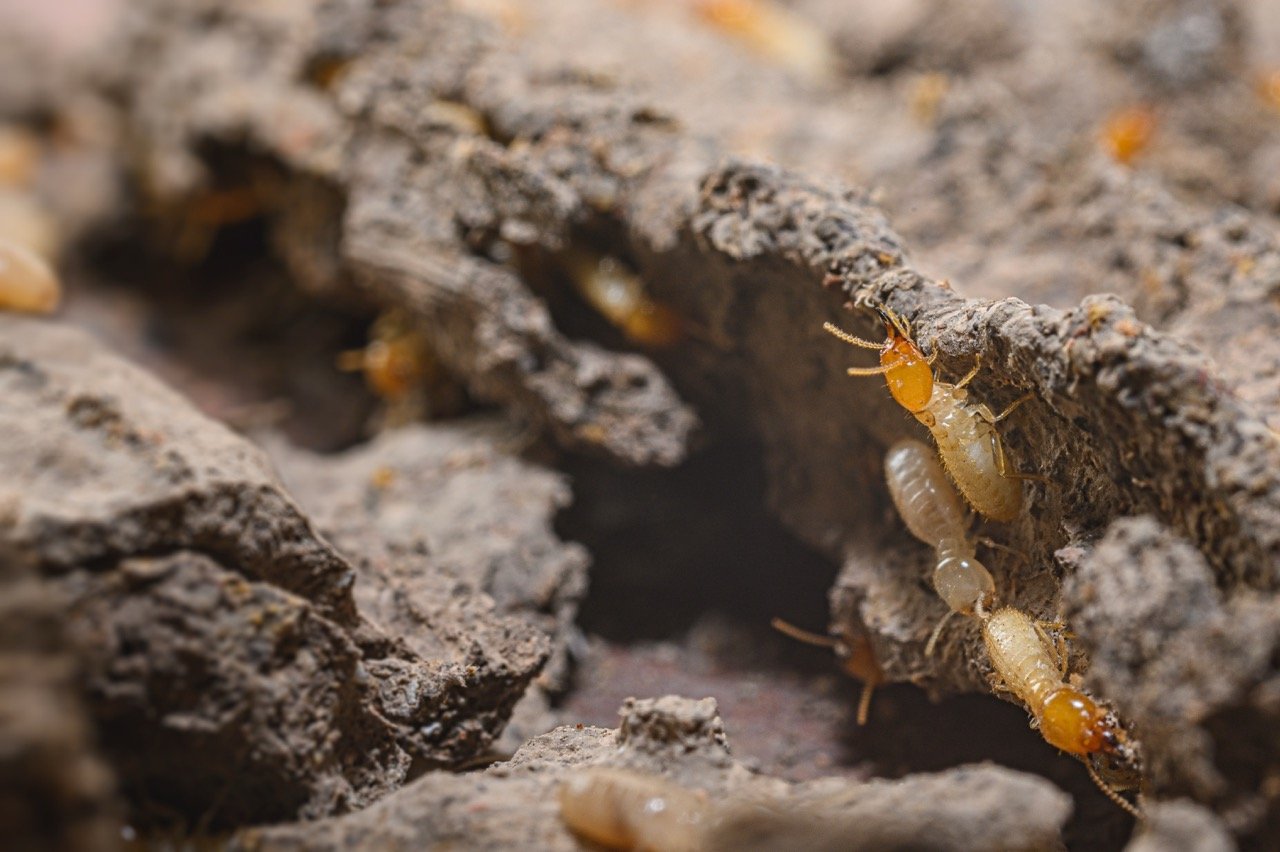
- Termite evidence.
- Structural entry points.
- Moisture conditions.
- Pest trails.
- Areas where pests may be entering.
- Conditions around the exterior that encourage activity.
The objective isn’t simply to find live insects.
Many pests remain hidden during the day or occupy areas that aren’t immediately visible.
Instead, an inspector looks for evidence that helps reveal what may be happening around the property.
A Beautiful Home Can Still Have Pest Problems
Fresh paint and a clean kitchen don’t tell you what’s happening inside the attic or behind structural materials.
Pest activity isn’t necessarily related to how attractive or expensive a property appears.
Rodents may enter through small roofline openings.
Ants may travel through plumbing penetrations.
Termites can remain concealed in wooden materials.
Outdoor conditions can also create pest pressure even when the home’s interior looks immaculate.
This is why visual appearance alone isn’t enough to determine whether a property has pest concerns.
Termites Are an Important Consideration in Florida
Termites deserve particular attention when evaluating a Florida property.
Because termite activity can remain concealed, homeowners may not immediately notice a problem.
Potential warning signs can include:
- Termite droppings.
- Discarded wings.
- Swarmers.
- Mud tubes.
- Small openings in wood.
- Suspicious wood damage.
However, the absence of obvious evidence during a home tour doesn’t necessarily mean termites aren’t present.
A professional termite inspection can help evaluate accessible areas more carefully.
Why Hidden Termite Activity Matters
When buying a home, you’re not only purchasing what you can see.
You’re purchasing the structure and its history.
If termite activity has been present, you may want to understand:
- Whether activity appears current.
- Which areas show evidence.
- Whether previous treatment is known.
- Whether additional evaluation is recommended.
- Which conditions around the property may contribute to termite risk.
This information can help you make more informed decisions before completing the purchase.
What About Rodents?
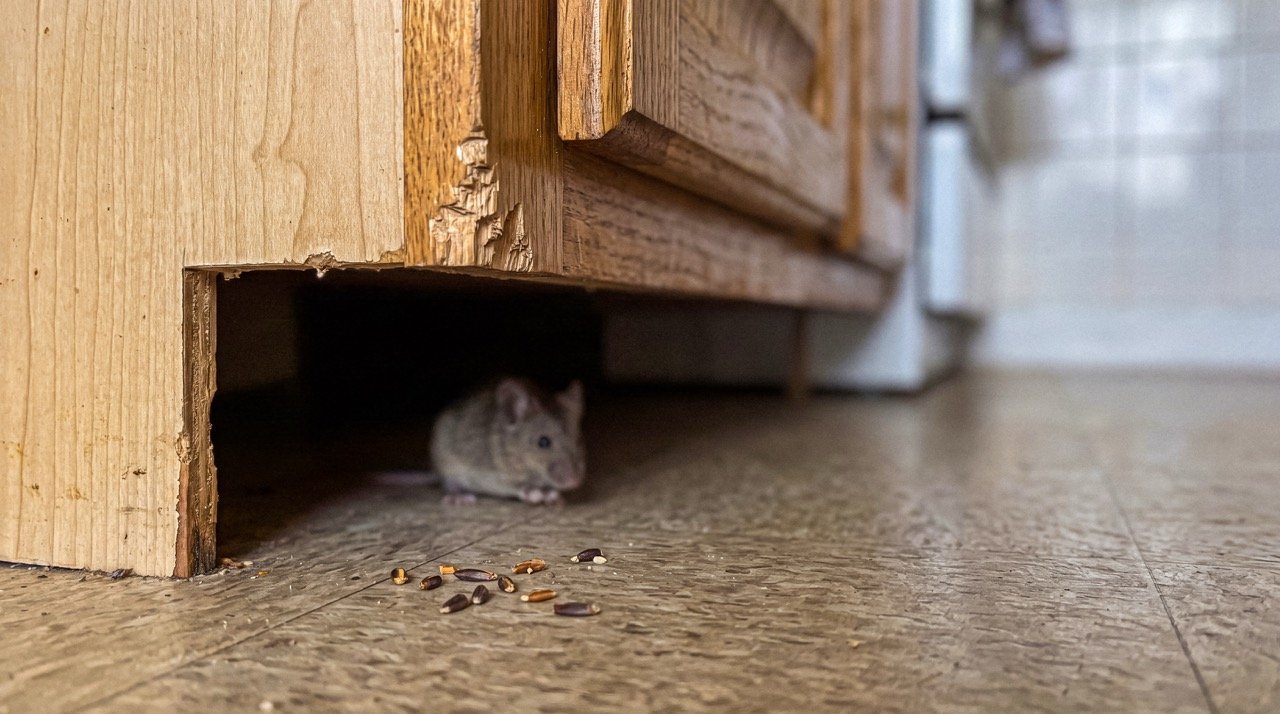
Rodents are another potential concern for homebuyers.
Rats and mice often occupy areas that buyers don’t spend much time examining during a property tour.
Attics, garages, storage areas, and wall voids can provide protected environments.
Signs may include:
- Droppings.
- Gnaw marks.
- Damaged insulation.
- Nesting materials.
- Grease marks.
- Unusual odors.
- Entry points around the structure.
If a property has current or previous rodent activity, identifying how animals are entering is just as important as finding evidence that they’re present.
Inspecting the Attic Can Be Important
A beautifully staged living room won’t reveal what’s happening above the ceiling.
Attics can provide shelter for rodents and may also contain evidence of other pest activity.
When accessible and appropriate, attic evaluation can reveal clues such as:
- Droppings.
- Nesting materials.
- Disturbed insulation.
- Gnawing.
- Structural openings.
- Other suspicious activity.
Homebuyers should not put themselves at risk by entering unsafe or inaccessible attic areas on their own.
Professional evaluation is preferable when specialized access or inspection is required.
Pest Activity Can Reveal Property Vulnerabilities
One of the most useful parts of a pest inspection isn’t simply discovering pests.
It’s identifying why they may be there.
For example, an inspection may reveal:
- Gaps around utility lines.
- Damaged door seals.
- Openings around vents.
- Vegetation touching the structure.
- Excessive moisture.
- Poor drainage.
- Accessible food sources.
- Roofline vulnerabilities.
These conditions may continue attracting or admitting pests even after current activity is addressed.
Knowing about them before moving in gives you an opportunity to plan improvements.
Moisture Deserves Attention
Moisture can contribute to conditions that are attractive to multiple pests.
During your homebuying process, pay attention to:
- Plumbing leaks.
- Damp cabinets.
- Water stains.
- Poor drainage.
- Persistent moisture around the structure.
- Irrigation problems.
A pest professional isn’t necessarily replacing other specialized home inspections, but pest activity can sometimes draw attention to areas that deserve further investigation.
If a significant moisture or structural issue is suspected, the appropriate specialist may need to evaluate it separately.
Landscaping Can Influence Pest Activity
Don’t evaluate only the interior.
The yard can tell you a lot about potential pest pressure.
Look at:
- Tree branches near the roof.
- Dense shrubs against exterior walls.
- Heavy mulch.
- Wood piles.
- Yard debris.
- Standing water.
- Overgrown vegetation.
- Outdoor garbage storage.
Landscaping doesn’t automatically cause an infestation, but certain conditions can provide shelter, moisture, food, or pathways toward the structure.
For Florida homes with lush landscaping, exterior pest prevention is an important consideration.
Should You Ask About Previous Pest Treatments?
Yes.
When possible, learning about a property’s pest history can provide useful context.
Questions may include:
- Has the home had termite activity?
- Has termite treatment been performed?
- Have rodents previously entered the property?
- Is there an ongoing pest control plan?
- Are there recurring seasonal pest problems?
- Have structural exclusion repairs been completed?
Previous pest activity doesn’t automatically mean you should avoid the property.
In fact, properly addressed issues may be less concerning than unknown or ignored problems.
The important thing is understanding the history and current condition.
Does a General Home Inspection Include Pest Inspection?
Home inspection and pest inspection can overlap in certain observations, but they serve different purposes.
A general home inspector may notice visible evidence of pests, but pest identification and management require specific expertise.
Homebuyers should understand exactly what their chosen inspection services include rather than assuming every type of pest evaluation is automatically covered.
If termites or other pests are a particular concern, ask specifically about the appropriate inspection.
When Should You Schedule the Pest Inspection?
Ideally, pest concerns should be evaluated while you still have an opportunity to understand the property’s condition before finalizing the purchase, subject to your real estate contract and inspection timeline.
Your real estate professional can help you understand deadlines associated with your transaction.
The important thing is not to leave pest concerns until after you’ve already moved into the property.
Discovering rodent droppings or termite evidence while unpacking isn’t the ideal introduction to a new home.
What Happens If the Inspection Finds Pests?
Finding pest activity doesn’t automatically mean the home is a bad purchase.
Many pest problems can be managed.
The inspection provides information that can help determine the next steps.
Depending on what is discovered, you may need to consider:
- Additional inspection.
- Pest treatment.
- Rodent exclusion.
- Termite management.
- Moisture correction.
- Structural repairs.
- Landscaping changes.
The appropriate response depends entirely on the type and extent of the problem.
Avoid assuming that every pest finding is catastrophic—or insignificant.
Get enough information to understand what you’re dealing with.
What If No Pests Are Found?
That’s obviously a positive result, but it doesn’t mean the property will never experience pest activity.
A pest inspection reflects conditions observed at a particular time.
After you move in, environmental conditions can change.
Rainfall, landscaping, new structural openings, food sources, and neighboring pest populations can all influence future activity.
This is where preventive pest control and regular property maintenance become useful.
Should New Construction Homes Be Checked?
A newly built property may seem unlikely to have pest concerns, but new construction doesn’t exist in isolation from the surrounding environment.
Construction activity can disturb soil, vegetation, and pest habitats.
New homes can also have:
- Utility penetrations.
- Landscaping.
- Moisture.
- Wooden materials.
- Exterior openings.
Being new doesn’t make a property permanently pest-proof.
Preventive awareness is still worthwhile.
What Can You Check During a Home Tour?
You don’t need to become a pest control expert, but you can keep an eye out for obvious warning signs.
During a property visit, look for:
- Droppings inside cabinets or garages.
- Small piles of unexplained pellets.
- Discarded insect wings.
- Gnawed materials.
- Damaged food packaging in occupied homes.
- Suspicious mud tubes.
- Water stains.
- Gaps beneath exterior doors.
- Dense vegetation touching the structure.
- Unexplained pest traps or bait stations.
Finding one of these doesn’t necessarily confirm an active infestation.
It simply gives you a reason to ask questions.
Don’t Rely Only on What You Can See
A home tour is designed to help you decide whether you like a property.
It isn’t always enough to determine what’s living in the attic, traveling behind walls, or feeding inside concealed wooden areas.
A pest inspection before buying a home provides another layer of information.
For Florida buyers, where termite, rodent, ant, mosquito, and other pest activity can be part of the residential environment, that information can be particularly valuable.
Understanding the property’s pest history, current activity, structural vulnerabilities, and surrounding conditions allows you to move forward with fewer unknowns.
Start Your New Home With More Information
Buying a home is a major decision.
Before you receive the keys, take the time to understand more than the floor plan, paint colors, and neighborhood.
Pest activity can reveal important information about how the property has been maintained and where future attention may be needed.
A professional pest inspection can help identify visible evidence, potential entry points, and conditions that deserve closer attention.
And if no significant pest problems are discovered, you’ll have a useful baseline for preventive pest management after moving in.
Contact 911 Home Helps Today
Buying a home in Florida and want to know more about potential pest activity before moving in? 911 Home Helps can evaluate the property for signs of common pest problems and help identify conditions that may require attention.