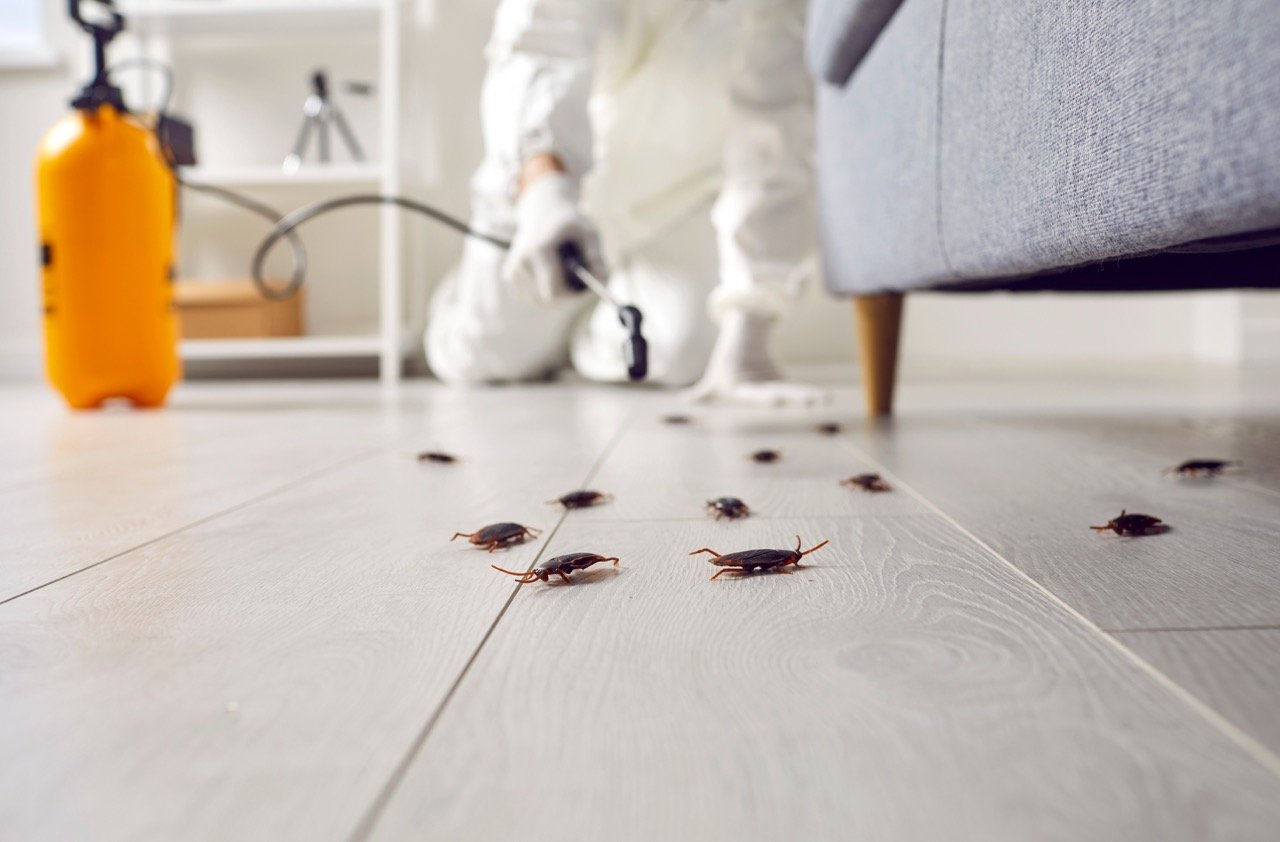
You schedule pest control, notice an improvement, and finally feel like your home is back to normal.
Then, a few days or weeks later, you see another ant in the kitchen, a spider near the window, or signs of rodents in the garage.
Naturally, you start wondering: Why do pests keep coming back after pest control?
Recurring pest activity can be frustrating, especially when you’ve already taken steps to address the problem. However, seeing a pest after a service doesn’t automatically mean the treatment was unsuccessful.
The explanation depends on several factors, including the pest involved, the type of treatment performed, the time since the service, and the conditions around your property.
For Florida homeowners, understanding these factors can help set realistic expectations and make pest prevention more effective over time.
Does Seeing Pests After Treatment Mean Pest Control Failed?
Not necessarily.
Pest control isn’t always an instant process, and different pests respond to management strategies in different ways.
Depending on the situation, you may notice activity for a period after treatment. In other cases, new pests may enter the property from outside.
A single sighting doesn’t provide enough information to determine whether a service was effective.
Instead, consider the overall pattern.
Are you seeing fewer pests than before? Is activity occurring in the same location? Are there new signs in another part of the home? How much time has passed since the service?
These details can help a pest control professional determine whether the activity is expected, whether follow-up is appropriate, or whether another issue needs attention.
Why Do Pests Keep Coming Back After Pest Control?
There isn’t one explanation that applies to every property.
Recurring activity may involve several factors working together.
1. The Original Conditions Are Still Present
Pests enter properties because they find resources they can use.
Common attractions include food, water, shelter, and suitable nesting areas.
If those conditions remain unchanged, the property may continue to attract pests even after the original activity has been addressed.
For example, an ant problem may improve after treatment, but an ongoing plumbing leak or accessible food source may continue to support activity.
Pest management works best when treatment and prevention support each other.
2. New Pests Are Entering From Outside
Your home is part of a larger environment.
Insects and rodents may be present in nearby landscaping, neighboring properties, and outdoor areas.
Even when the original problem has been addressed, new pests may eventually investigate the same property.
This is particularly relevant when doors, windows, vents, or other structural openings provide access.
3. Entry Points Haven’t Been Addressed
Treatment doesn’t automatically repair a damaged door sweep or seal a gap around a pipe.
If pests can continue entering through structural openings, recurring activity may remain possible.
Common areas to inspect include:
-
Exterior doors.
-
Window frames.
-
Garage doors.
-
Utility penetrations.
-
Damaged screens.
-
Roofline components.
-
Gaps around plumbing.
The relevant entry points depend on the pest.
Ants and rodents, for example, require different inspection and exclusion considerations.
4. The Pest May Have a Concealed Nesting Area
Some pests establish activity in places homeowners cannot easily inspect.
These may include wall voids, attics, protected exterior areas, or other concealed locations.
Visible pests may represent only part of the overall activity.
If a nesting location or source of activity remains unresolved, sightings may continue.
Professional identification and inspection can help determine whether the activity is associated with an established population or new pests entering from outside.
5. The Treatment May Require Follow-Up
Some pest management plans involve more than one visit or ongoing monitoring.
The appropriate schedule depends on the pest, treatment method, property conditions, and inspection findings.
Homeowners should follow the service provider’s instructions and understand what the treatment plan includes.
If activity continues, contact the company and describe what you’re seeing rather than assuming the next step should be another application of a product.
Is It Normal to See Bugs After Pest Control?
It can be, depending on the treatment and pest involved.
Some insects may remain visible for a period following service. However, the expected pattern varies, and there isn’t a universal timeline that applies to all treatments.
Ask your pest control professional what to expect after the specific service performed.
Useful questions include:
-
Is some activity expected afterward?
-
What changes should I monitor?
-
When should I report continued sightings?
-
Are there preparation or maintenance instructions?
-
Is a follow-up inspection part of the plan?
Understanding the process makes it easier to distinguish expected activity from a concern that deserves reassessment.
Why Are Ants Coming Back After Pest Control?
Ants are a common source of recurring pest complaints.
A homeowner may notice fewer ants initially, only to discover another trail near the sink or pantry.
Several factors may contribute.
The ants may be entering from an outdoor colony, using another route, or finding a food or water source that remains available.
Different ant species also have different habits, which can influence the appropriate management strategy.
If ants continue returning, observe where they appear and whether the trail follows the same path.
Avoid repeatedly applying random products without understanding the existing treatment plan, as this may interfere with the intended approach.
Why Do Spiders Keep Appearing?
Spiders may appear around a property because suitable shelter and prey remain available.
If flying insects consistently gather around exterior lights, for example, spiders may establish webs nearby.
Removing visible spiders doesn’t necessarily change the conditions supporting their activity.
Inspect the surrounding area for:
-
Insect activity.
-
Damaged screens.
-
Exterior gaps.
-
Dense vegetation.
-
Cluttered storage.
-
Outdoor lighting that concentrates insects.
Spider prevention may involve reducing the conditions that attract their prey as well as addressing access and shelter.
What If Rodents Return After Treatment?
Recurring rodent activity deserves careful investigation.
Rats and mice may continue accessing a property if structural openings remain available.
Food sources, water, and protected nesting areas can also contribute.
A rodent management plan may involve addressing current activity, identifying entry points, and coordinating exclusion.
However, suspected active openings should not be sealed without determining whether animals remain inside.
If you hear new scratching sounds or find fresh droppings, document the evidence and arrange for reassessment.
Can Termites Come Back After Treatment?
Termite management is different from general household pest control.
The answer depends on the termite species, treatment performed, property conditions, and other factors.
New termite activity can occur, and a previous treatment does not mean homeowners should stop monitoring the property.
Keep your inspection and treatment records, follow the professional’s recommendations, and report new warning signs.
Mud tubes, discarded wings, frass, or suspicious wood changes deserve evaluation rather than assumptions about whether a previous treatment is still working.
Does Rain Affect Pest Control?
Weather can influence pest activity and property conditions.
Heavy rain may create standing water, affect outdoor shelter, and change where certain pests forage.
Florida homeowners may notice changes in insect activity after storms, particularly around landscaping, drainage areas, and exterior openings.
However, rainfall doesn’t automatically mean a pest control treatment has stopped working.
The effect of weather on a particular service depends on the treatment and how it was applied.
If you’re concerned, ask your pest control provider about the specific service rather than making assumptions.
Can Cleaning Remove Pest Control Treatment?
That depends on the treatment method and the surfaces involved.
Some services include specific instructions about when and where to clean after treatment.
Follow the directions provided by your pest control professional.
Avoid assuming that every surface must remain untouched or that all normal cleaning will interfere with the service.
If you’re unsure, ask which areas require special attention.
Why Is Pest Activity Worse in Certain Rooms?
The location of recurring activity may provide clues.
Kitchen
Food residue, accessible pantry items, trash, and moisture can support certain pests.
Bathroom
Leaks, condensation, and gaps around plumbing may contribute to activity.
Garage
Stored food, cardboard boxes, clutter, and exterior access points may create opportunities for pests.
Attic
Protected spaces and roofline openings may allow rodents or other pests to establish activity.
Backyard
Standing water, dense vegetation, and outdoor food sources can influence pest populations.
If activity repeatedly occurs in one location, inspect the conditions specific to that area.
Why Prevention Matters After Pest Control
Professional treatment addresses an identified pest problem, but everyday property maintenance can help reduce the conditions that support future activity.
Think of pest prevention as an ongoing process rather than a task completed during one appointment.
Useful habits include:
-
Keeping food stored appropriately.
-
Cleaning spills and crumbs.
-
Managing pet food.
-
Removing unnecessary standing water.
-
Repairing plumbing leaks.
-
Maintaining screens and door seals.
-
Reducing clutter.
-
Monitoring landscaping.
-
Reporting new pest evidence.
These actions support the overall management strategy.
They don’t guarantee that pests will never appear, but they can help make the property less inviting.
Should You Schedule Regular Pest Control?
The appropriate service schedule depends on the property, pest pressures, treatment history, and professional recommendations.
Some homeowners may benefit from ongoing monitoring and preventive service, while others may need a targeted approach for a specific issue.
A professional inspection can help determine what is appropriate rather than relying on a one-size-fits-all schedule.
For Florida properties, regular attention to moisture, landscaping, and structural maintenance is useful regardless of the service plan.
What Should You Do When Pests Reappear?
Before taking additional action, gather information.
Start by documenting the activity.
Take photographs when possible and note where the pests appeared.
Then review the instructions provided after the previous service.
If the activity is unexpected or continues, contact the pest control company.
Provide details such as:
-
The pest you’re seeing.
-
Where activity is occurring.
-
When it started or returned.
-
Whether sightings are increasing or decreasing.
-
Any changes to the property, such as leaks or construction.
-
Any products you’ve applied since the service.
This information helps the professional evaluate the situation and determine the appropriate next step.
Why You Should Avoid Mixing Multiple Pest Control Products
When pests reappear, it can be tempting to apply several products immediately.
However, combining treatments without understanding their intended use can create safety concerns and may interfere with an existing management strategy.
Always follow product labels and the instructions provided by your pest control professional.
If you believe additional treatment is necessary, discuss the activity with the service provider first.
How Long Should You Wait Before Calling Pest Control Again?
There isn’t one waiting period that applies to every pest or treatment.
Some services may involve expected activity for a period, while certain warning signs deserve prompt attention.
For example, suspected termite activity or recurring rodent evidence should be reported rather than ignored.
The best approach is to follow the instructions provided for your specific treatment and contact the company when activity differs from what was expected.
How Can You Tell Whether the Problem Is Improving?
Instead of judging the situation by one isolated sighting, monitor the overall pattern.
Consider whether:
-
Sightings are becoming less frequent.
-
Activity is limited to fewer areas.
-
New droppings or damage have stopped appearing.
-
Previously active trails are no longer present.
-
Entry points and contributing conditions have been addressed.
Keep in mind that different pests require different indicators.
A professional can explain which signs are most relevant to your situation.
When Is a New Inspection Necessary?
A follow-up inspection may be appropriate when activity persists, increases, or appears in new locations.
It may also be useful if:
-
You discover an overlooked entry point.
-
A moisture problem develops.
-
Structural repairs change the property.
-
You find evidence of a different pest.
-
The original pest cannot be confidently identified.
-
New termite or rodent warning signs appear.
The objective is to understand what changed and whether the existing management plan needs adjustment.
Long-Term Pest Control Is About More Than the Treatment
So, why do pests keep coming back after pest control?
Sometimes activity is part of the expected post-treatment process. In other situations, pests may be entering from outside, using concealed areas, or benefiting from food, water, shelter, and access points that remain available.
The important thing is not to assume every new sighting has the same explanation.
Observe the pattern, follow the treatment instructions, maintain the property, and communicate with your pest control professional when activity continues.
For Florida homeowners, combining professional pest management with consistent prevention can help reduce recurring problems and make new activity easier to identify.
Contact 911 Home Helps Today
Are pests returning to your Florida home after previous treatment? 911 Home Helps can inspect your property, identify current pest activity, evaluate possible entry points and contributing conditions, and recommend an appropriate pest control and prevention strategy.