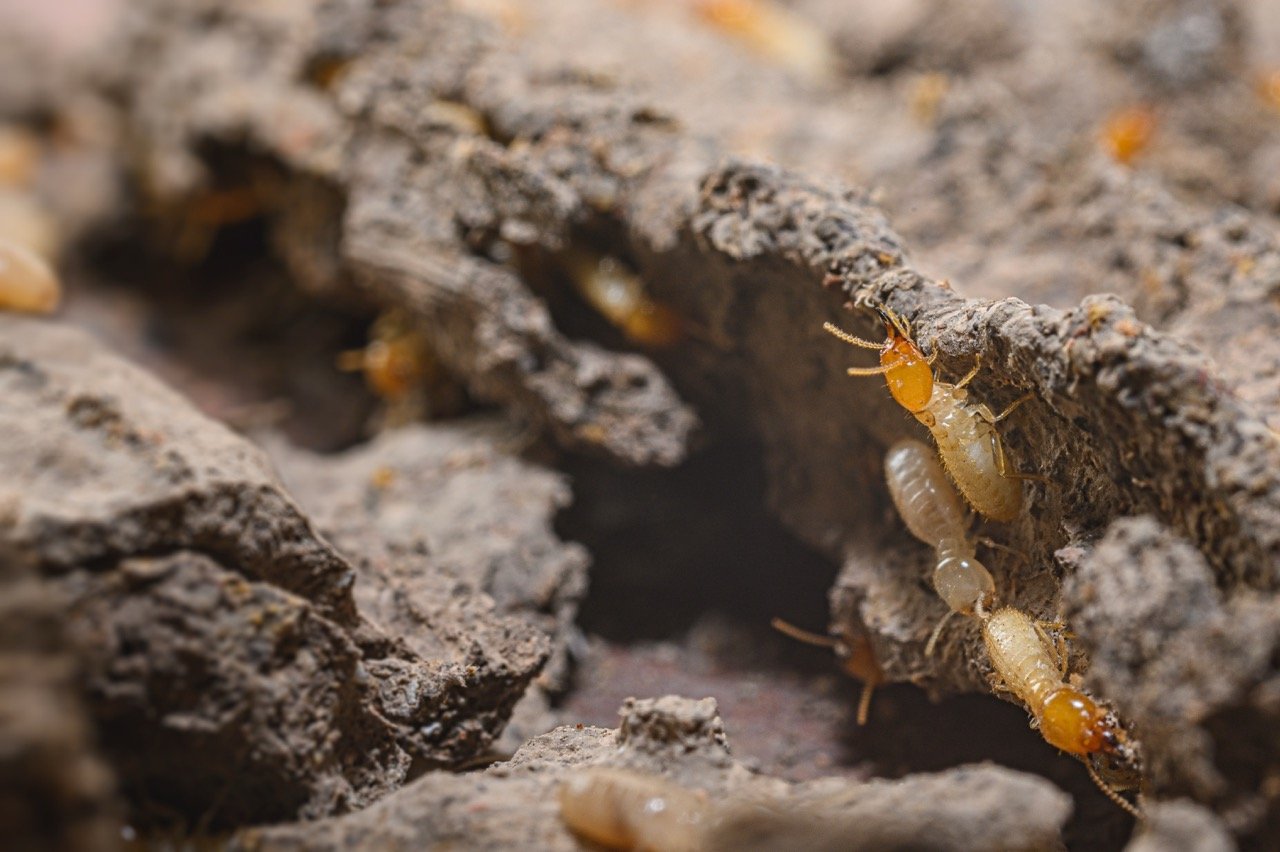
Most homeowners think about pest control after something goes wrong.
Ants suddenly appear across the kitchen counter. Cockroaches start showing up after heavy rain. Scratching noises come from the attic at night. Or suspicious pellets near a window raise concerns about termites.
At that point, pest control becomes a reaction to an existing problem.
But there’s another approach: preventive pest control.
Instead of waiting for an infestation to become visible, preventive pest control focuses on reducing the conditions that allow pests to enter, establish themselves, and reproduce around your property.
For homeowners in Florida, where warm temperatures, humidity, rainfall, and abundant vegetation support pest activity throughout much of the year, prevention can be an important part of maintaining a comfortable home.
So, what exactly does preventive pest control involve, and is it worth it?
What Is Preventive Pest Control?
Preventive pest control is an ongoing approach designed to reduce the likelihood of pest problems before they become established infestations.
Rather than focusing exclusively on pests that are already visible, prevention considers the property as a whole.
That can include:
- Identifying potential entry points.
- Monitoring pest activity.
- Reducing food and water sources.
- Evaluating moisture conditions.
- Inspecting exterior areas.
- Maintaining protective treatments when appropriate.
- Watching for early signs of specific pests.
The exact approach depends on the property, location, pest history, and environmental conditions.
A home that frequently experiences ants may require a different strategy from a property with previous rodent or cockroach problems.
Why Is Prevention Important in Florida?
Florida’s climate makes pest prevention particularly relevant.
Warm weather allows many insects to remain active for long periods. Frequent rain creates moisture, while landscaping and vegetation provide abundant outdoor shelter.
Florida homeowners commonly encounter pests such as:
- Ants.
- Cockroaches.
- Palmetto bugs.
- Mosquitoes.
- Termites.
- Rodents.
- Spiders.
Seasonal weather changes can also influence pest behavior.
Heavy rainfall may disturb outdoor nesting areas and encourage some pests to move toward structures, while mosquitoes can benefit from water collecting around residential properties.
Because pest pressure can remain present throughout much of the year, waiting for every problem to become obvious isn’t always the most effective strategy.
Preventive Pest Control vs. Reactive Pest Control
The primary difference is timing.
Reactive Pest Control
Reactive pest control begins after a problem has already been discovered.
For example:
- You find cockroaches in the kitchen.
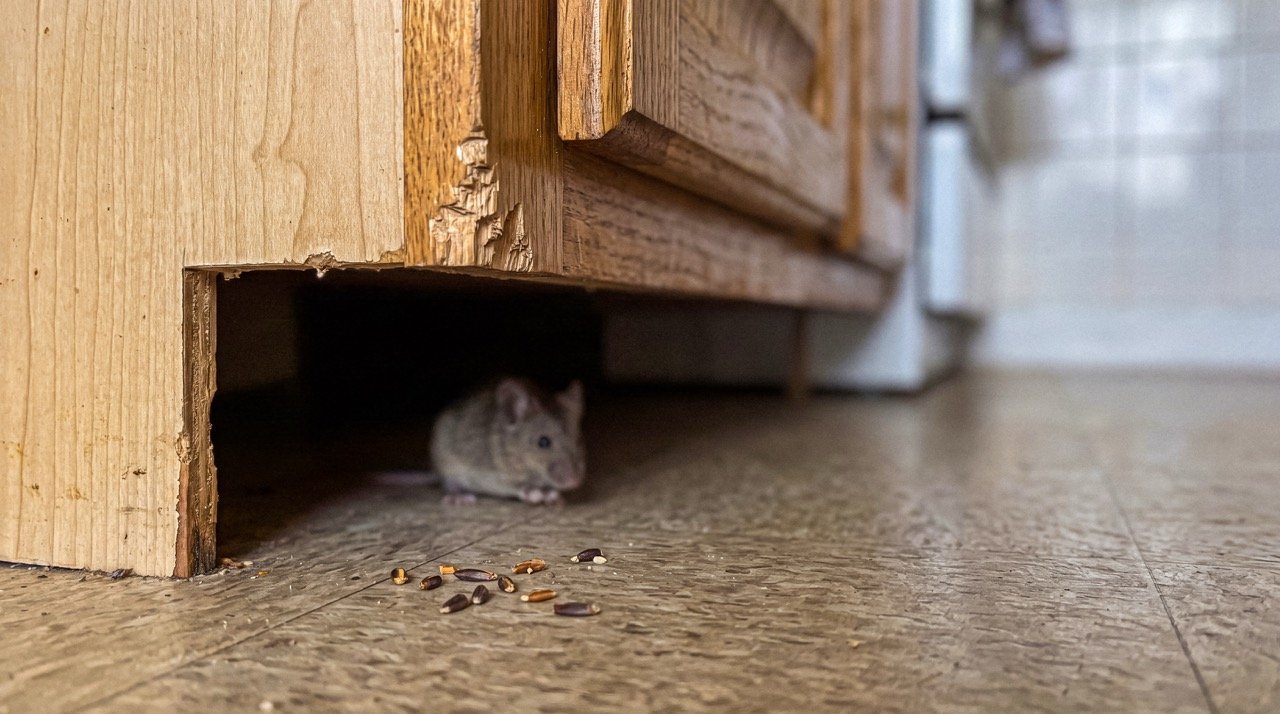
- You notice rodent droppings in the garage.
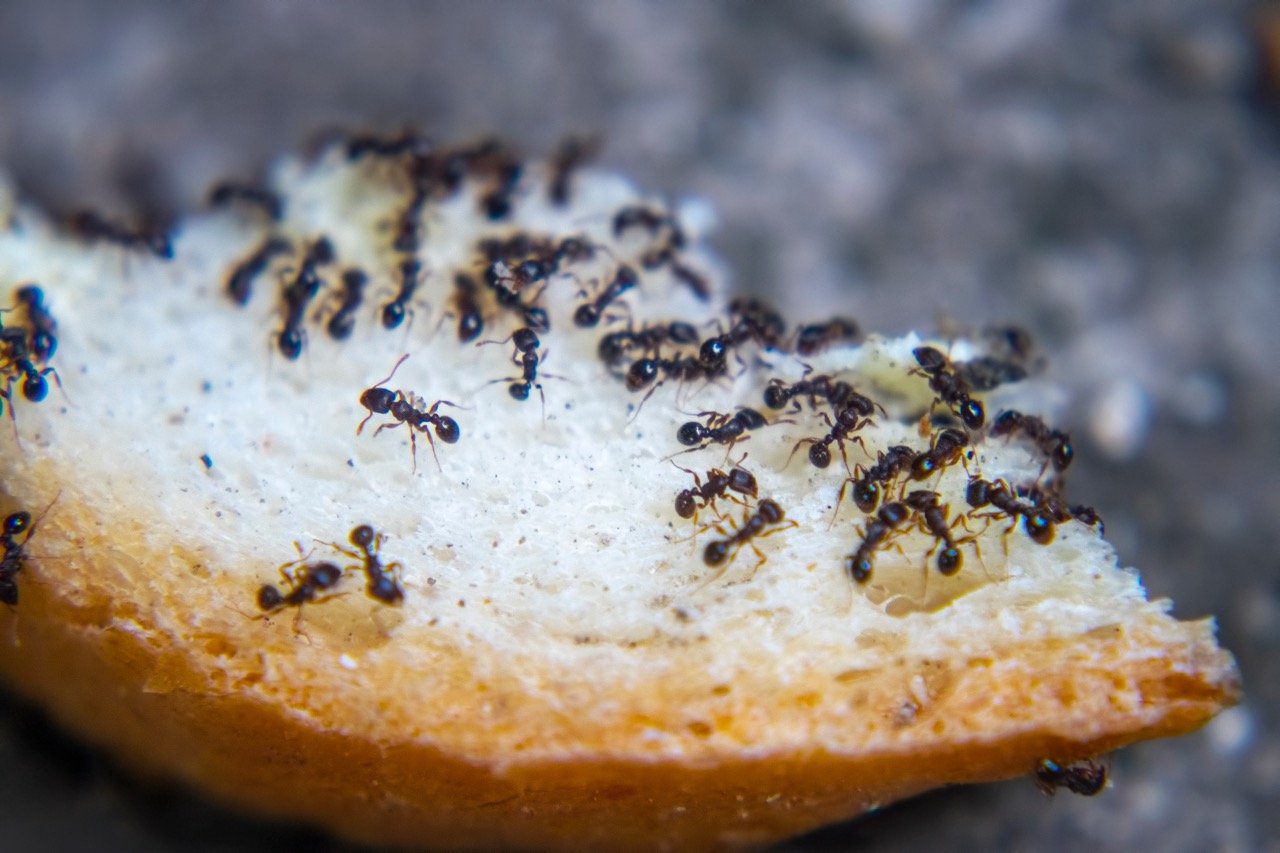
- Ant trails appear around the sink.
- You discover termite evidence.
The goal is to identify and address the existing activity.
Preventive Pest Control
Prevention starts before—or between—major pest problems.
The goal is to make the property less attractive and accessible while monitoring for changes that may require attention.
Both approaches have a place in pest management. An active infestation obviously needs to be addressed, while preventive strategies can help reduce the likelihood of future problems.
What Does Preventive Pest Control Include?
There isn’t one universal preventive treatment for every property.
A professional strategy may include several components depending on the home’s needs.
Property Inspection
Inspection is an important starting point.
A pest control professional may evaluate areas such as:
- Exterior walls.
- Doors and windows.
- Garages.
- Landscaping.
- Plumbing areas.
- Attic access points.
- Areas with previous pest activity.
The purpose is to identify conditions that could contribute to current or future problems.
Monitoring for Pest Activity
Some pests remain hidden until populations become larger.
Regular monitoring can help identify early warning signs such as:
- Droppings.
- Gnaw marks.
- Ant trails.
- Cockroach activity.
- Termite evidence.
- Potential nesting areas.
Detecting activity earlier can make it easier to determine what is happening before the problem becomes more widespread.
Identifying Entry Points
Pests don’t need an invitation to enter your home.
They may use gaps around:
- Doors.
- Windows.
- Plumbing.
- Utility lines.
- Exterior vents.
- Rooflines.
- Garage doors.
Rodents and insects can take advantage of surprisingly small vulnerabilities.
Identifying these areas is an important part of prevention because treating pests without addressing how they’re entering may lead to recurring problems.
Managing Moisture
Water is one of the most important resources for many household pests.
Preventive inspections may reveal conditions such as:
- Plumbing leaks.
- Damp cabinets.
- Poor drainage.
- Standing water.
- Excessive irrigation.
- Moisture around the foundation.
Correcting these conditions can make the property less attractive to pests while benefiting the home in other ways.
Exterior Pest Management
Many household pest problems begin outdoors.
Ants, cockroaches, spiders, mosquitoes, and rodents may live around landscaping before eventually moving closer to the structure.
Preventive pest management may therefore consider:
- Landscaping conditions.
- Mulch.
- Vegetation.
- Yard debris.
- Outdoor food sources.
- Standing water.
- Exterior pest activity.
Creating a less favorable environment around the home can reduce opportunities for pests to approach entry points.
Is Preventive Pest Control the Same as Spraying Regularly?
Not necessarily.
Effective prevention should involve more than simply applying products on a schedule.
A complete pest management strategy considers why pests are present and what conditions support them.
That may involve treatment when appropriate, but it can also include:
- Inspection.
- Monitoring.
- Sanitation recommendations.
- Moisture management.
- Exclusion.
- Landscaping recommendations.
The objective isn’t to apply unnecessary treatments. It’s to reduce pest pressure using strategies appropriate for the property.
Can Preventive Pest Control Stop Every Pest?
No pest management strategy can guarantee that you will never see another insect.
Homes aren’t sealed laboratory environments, particularly in Florida.
Doors open. Packages arrive. Rain changes outdoor conditions. Mosquitoes travel between properties. Insects can occasionally wander inside.
The goal of preventive pest control is therefore not to promise a completely pest-free environment.
Instead, prevention can help:
- Reduce pest activity.
- Identify problems earlier.
- Limit conditions that attract pests.
- Address vulnerabilities.
- Reduce the likelihood of established infestations.
An occasional outdoor insect entering the home is very different from a colony or population becoming established indoors.
Is Preventive Pest Control Worth It?
Whether preventive service is worthwhile depends on the property and homeowner.
It may be particularly valuable when:
- Your home has experienced recurring pest problems.
- You live in an area with significant pest activity.
- Landscaping surrounds the structure.
- Your property has previously experienced rodents.
- Cockroaches or ants frequently enter the home.
- You want professional monitoring.
- You prefer addressing vulnerabilities before infestations become obvious.
For Florida properties, year-round pest pressure can make prevention especially useful.
Can Prevention Save Money?
Preventive pest control does involve an ongoing cost, but pest problems can also become more expensive when they’re allowed to progress.
Consider a rodent that enters through a roof gap.
If the entry point is discovered early, the problem may be addressed before rodents establish significant activity inside the attic.
If ignored, rodents may have additional time to:
- Nest.
- Contaminate insulation.
- Gnaw materials.
- Reproduce.
Termites provide another example. Because they can remain hidden, delayed detection may allow additional damage to occur before homeowners realize there’s a problem.
Prevention isn’t a guarantee against future expenses, but early detection can reduce the opportunity for certain problems to become more extensive.
How Often Should Preventive Pest Control Be Performed?
There isn’t one schedule that’s appropriate for every property.
Service frequency can depend on:
- Pest history.
- Property characteristics.
- Location.
- Landscaping.
- Seasonal conditions.
- Type of pests involved.
Some homes may require more frequent monitoring than others.
A professional evaluation can help determine an appropriate schedule rather than applying the same plan to every property.
What Can Homeowners Do Between Pest Control Visits?
Professional pest control works best when combined with good property maintenance.
Homeowners can support prevention by:
- Keeping food properly stored.
- Cleaning spills and crumbs.
- Managing garbage.
- Repairing plumbing leaks.
- Removing standing water.
- Maintaining landscaping.
- Keeping storage areas organized.
- Monitoring doors and windows.
- Watching for unusual pest activity.
These habits reduce the resources pests need to survive.
Should New Homeowners Consider Preventive Pest Control?
Moving into a new home is a good opportunity to establish a baseline for pest activity.
You may not know:
- The property’s pest history.
- Whether previous owners experienced infestations.
- Which entry points exist.
- Whether hidden moisture problems are present.
- How surrounding landscaping affects pest activity.
An inspection can help identify existing conditions and provide recommendations before problems become more noticeable.
This can be particularly helpful for homeowners who are new to Florida and unfamiliar with the state’s year-round pest activity.
What About Homes That Don’t Currently Have Pests?
You don’t necessarily need to see pests before thinking about prevention.
In fact, that’s the point.
Many pest problems begin in areas homeowners don’t frequently inspect.
Termites may remain concealed inside wood. Rodents can establish themselves in attics. Cockroaches may hide behind appliances or inside cabinets.
Preventive monitoring provides an opportunity to identify warning signs that might otherwise go unnoticed.
How Do You Know If Your Home Needs Preventive Pest Control?
Consider the conditions around your property.
Ask yourself:
- Have pests repeatedly appeared in the past?
- Is there dense landscaping around the home?
- Do you frequently see ants or cockroaches?
- Have rodents entered before?
- Are there areas with excess moisture?
- Does the property experience heavy mosquito activity?
- Are you concerned about termites?
The more risk factors a property has, the more valuable a preventive strategy may become.
Prevention Is About Staying Ahead of the Problem
Pest control doesn’t have to begin with an infestation.
A proactive approach can help homeowners understand what makes their property vulnerable, identify warning signs early, and reduce the resources that allow pests to become established.
For Florida homes, where insects and other pests can remain active throughout much of the year, preventive pest control provides a way to manage pest pressure consistently instead of repeatedly reacting to individual problems.
The right strategy depends on your property, its history, and the pest activity in your area.
Contact 911 Home Helps Today
Want to protect your home before a pest problem becomes an infestation? 911 Home Helps can evaluate your property, identify potential vulnerabilities, and recommend a pest control strategy based on your home’s specific needs.