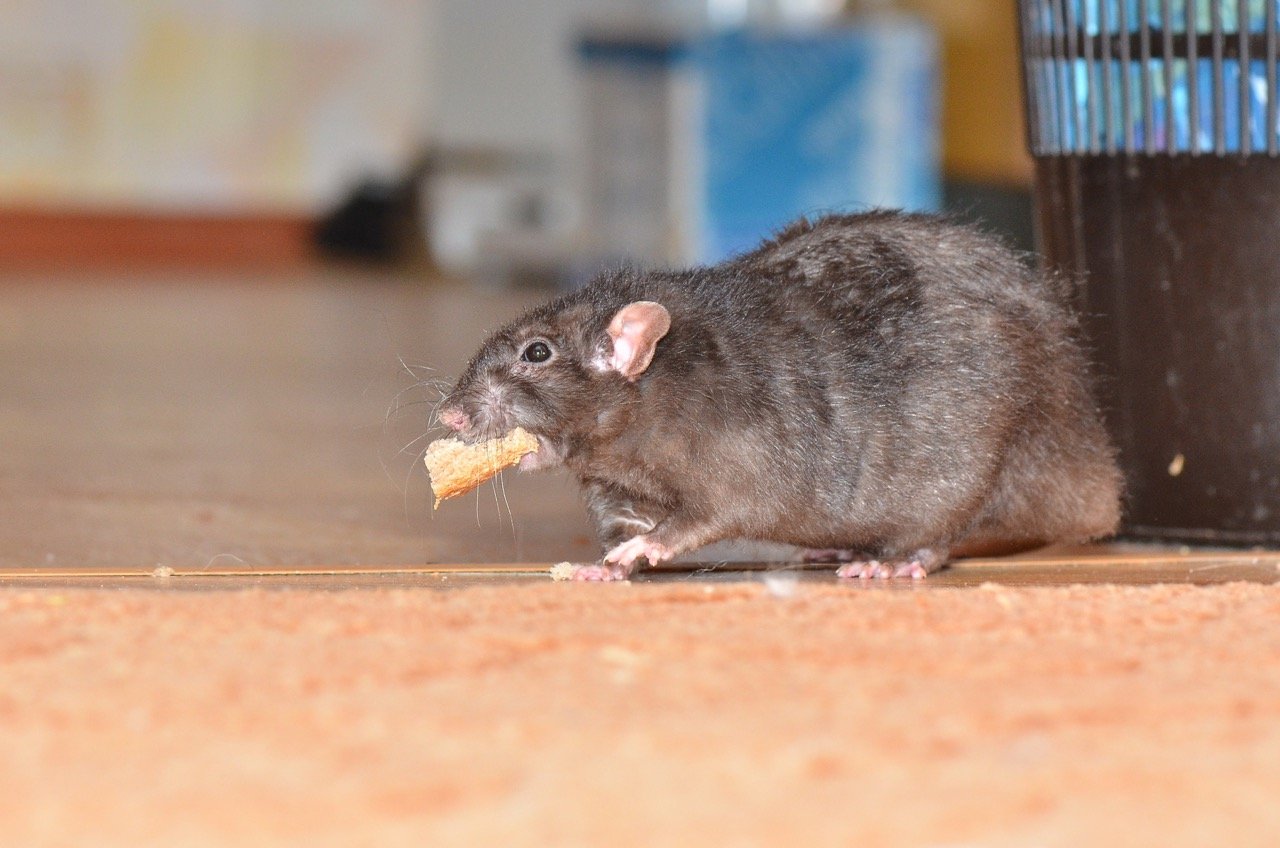
You open a kitchen cabinet, move a box in the garage, or inspect a quiet corner of the attic—and notice small, dark pellets.
Could they be rat droppings?
Finding rat droppings in your home is unpleasant, but it also provides an important clue. Rodents may be using that area to travel, search for food, or find shelter.
The next step isn’t simply to sweep the pellets away. Rodent waste requires careful handling, and the location of the evidence may help you understand where activity is occurring.
For Florida homeowners, knowing what to look for, how to approach cleanup, and when to request a professional inspection can help address both the immediate concern and the conditions that allowed rodents inside.
What Do Rat Droppings Look Like?
Rat droppings are generally dark, elongated pellets. Their size and shape can vary depending on the rodent species.
They are usually larger than mouse droppings, but appearance alone isn’t always enough for reliable identification.
Homeowners may discover them:
-
Along walls and baseboards.
-
Inside cabinets.
-
Behind appliances.
-
In garages and storage areas.
-
In attics.
-
Near suspected rodent entry points.
The location can be as informative as the pellets themselves. Droppings repeatedly appearing along the same route may suggest that rodents are regularly moving through that area.
Rat Droppings vs. Mouse Droppings: What’s the Difference?
Rat and mouse droppings can look similar at first glance.
Mouse droppings are generally smaller, while rat droppings tend to be larger. However, size varies, and other debris can sometimes be mistaken for rodent waste.
Don’t rely on a photograph or a single pellet to make a definitive identification.
A pest control professional can evaluate the droppings alongside other evidence, such as gnaw marks, nesting material, sounds, and possible entry points.
Do Rat Droppings Mean Rats Are Still in the House?
Not necessarily.
Droppings indicate that rodents have used the area, but they don’t establish whether activity is happening at that exact moment.
Older evidence may remain long after rodents have left. On the other hand, new droppings appearing in a previously cleaned area may indicate continued or renewed activity.
Rather than judging the situation by appearance alone, look at the broader pattern.
Are you finding additional pellets? Hearing scratching sounds? Noticing disturbed food packaging or new gnaw marks?
These details can help determine whether a current rodent problem needs attention.
Are Rat Droppings Dangerous?
Rodent droppings and urine can carry pathogens, so they should be handled carefully.
One important risk during cleanup is disturbing contaminated material and releasing particles into the air. For that reason, the CDC advises against sweeping or vacuuming rodent droppings before they have been properly disinfected.
This doesn’t mean every dropping contains a disease-causing organism. It means homeowners should use appropriate precautions rather than treating rodent waste like ordinary household dust.
If you become ill after a possible rodent exposure, speak with a healthcare professional and mention the exposure.
What Should You Do When You Find Rat Droppings?
First, avoid disturbing the area.
If possible, take a photograph from a safe distance. Note where the droppings were found and whether there are other signs nearby.
Keep children and pets away from the affected space until it has been appropriately cleaned.
If you find a large accumulation, extensive nesting material, or contamination in a difficult-to-access area, seek professional assistance rather than attempting a major cleanup yourself.
How to Clean Up Rat Droppings Safely
For a limited amount of rodent waste in an accessible area, follow established public-health guidance.
The CDC recommends the following approach for homes and outbuildings:
1. Ventilate the Area
Open doors and windows for 30 minutes before cleaning, then leave the area during that ventilation period.
2. Wear Gloves
Use rubber or plastic gloves to avoid direct contact with contaminated material.
3. Wet the Droppings With Disinfectant
Spray the droppings and any visible urine with an appropriate disinfectant until thoroughly wet.
Follow the product’s label instructions for the required contact time. The CDC specifies five minutes for its recommended bleach solution, or the time stated on the disinfectant label.
Never mix bleach with ammonia or other cleaning products.
4. Remove the Material With Paper Towels
Use paper towels to pick up the wet material and place the used towels in a covered garbage container that is regularly emptied.
Do not dry sweep or vacuum the droppings.
5. Disinfect the Surrounding Surfaces
Clean and disinfect affected hard surfaces, including nearby floors, countertops, cabinets, or drawers as appropriate.
Different materials may require different cleaning methods.
6. Wash Your Hands
Wash your gloved hands before removing the gloves. Then remove them and wash your hands thoroughly with soap and warm water.
For detailed instructions covering different surfaces and situations, consult the CDC’s rodent cleanup guidance .
Can You Vacuum Rat Droppings?
Do not use an ordinary vacuum to remove untreated rodent droppings, urine, or nesting materials.
Vacuuming or sweeping can disturb contaminated material and increase the possibility of inhaling particles. Wet disinfection and careful removal are the recommended starting points.
If you’ve already vacuumed the area, consult the CDC’s cleanup instructions for the appropriate next steps.
What If You Find Rat Droppings in the Kitchen?
Droppings in food preparation or storage areas require particular attention.
Inspect cabinets, drawers, pantry shelves, and nearby appliances for additional evidence.
Food or packaging that may have been contaminated should be evaluated carefully and discarded when appropriate.
Clean and disinfect affected surfaces using methods suitable for the materials involved.
Before returning food or kitchen items to the area, make sure the surfaces have been properly cleaned and any continuing rodent activity is being addressed.
What If You Find Rat Droppings in the Attic?
Attics can be difficult to inspect and clean safely.
Droppings may be present near insulation, stored belongings, or areas with limited access.
If contamination is extensive or involves exposed insulation, professional cleanup may be appropriate. The CDC recommends additional precautions for heavy infestations and provides specific guidance for contaminated insulation and stored materials.
An attic inspection should also consider how rodents reached the space.
Cleaning alone won’t prevent additional droppings if the animals can still enter through the roofline or other structural openings.
Can Rat Droppings Be Found in the Garage?
Yes. Garages can provide food, shelter, and access opportunities for rodents.
Look for evidence around stored pet food, shelving, boxes, and the edges of the garage door.
If droppings appear repeatedly, inspect for damaged seals, gaps around utility lines, and other possible access points.
Contaminated cardboard may need to be discarded, while certain hard, nonporous storage containers can be cleaned and disinfected according to the material and applicable guidance.
What Other Signs Should You Look For?
Rat droppings are one clue, but they shouldn’t be evaluated in isolation.
Other possible signs of rodent activity include:
-
Gnaw marks on packaging or materials.
-
Scratching sounds in walls or ceilings.
-
Shredded nesting material.
-
Disturbed stored items.
-
Repeated sightings.
-
Evidence near exterior openings.
The CDC identifies droppings and gnaw marks as common signs of rodent activity.
Finding several signs in the same area can help a professional determine where to focus the inspection.
How Do Rats Get Into a Home?
Rats may investigate openings around doors, vents, utility penetrations, and other vulnerable structural areas.
A garage, attic, or storage room may offer protected access if a gap remains available.
Inspecting the exterior is important because the place where droppings appear isn’t always the place where the rodents entered.
For example, droppings in the attic may indicate activity overhead, but the entry route could be elsewhere along the roofline.
The CDC recommends looking for and sealing gaps around the home as part of rodent prevention.
If rodents may still be inside, coordinate exclusion carefully rather than sealing an active opening without a plan.
Why Do Rat Droppings Keep Appearing After Cleaning?
New droppings in a previously cleaned area can indicate that rodent activity is continuing or has resumed.
The property may still offer food, water, shelter, or access through an unaddressed opening.
This is why cleanup and rodent control are separate—but connected—parts of the solution.
Cleanup addresses contaminated material. Rodent management addresses the animals and the conditions supporting their activity.
Both deserve attention.
How Can You Reduce the Chances of Rats Returning?
A practical prevention strategy begins with everyday property maintenance.
Store pet food and other edible materials appropriately. Keep garbage containers closed, clean up spills, and remove unnecessary clutter.
Inspect exterior doors, garage seals, vents, and utility openings for damage.
Address leaks and other moisture problems, and keep landscaping maintained so exterior areas remain accessible for inspection.
If you have a history of rodent activity, continue monitoring previously affected areas for new evidence.
These steps can help reduce opportunities for rodents, but persistent activity may require professional evaluation.
When Should You Call a Rodent Control Professional?
Consider a professional inspection if droppings continue appearing, you hear movement in the walls or attic, or you cannot identify how rodents are entering.
Professional assistance is also appropriate when contamination is extensive, difficult to access, or associated with nesting materials.
A thorough evaluation can help determine whether rodents are currently present, identify potential entry points, and establish an appropriate management plan.
Don’t Ignore the Evidence
Finding rat droppings doesn’t tell you everything about a rodent problem, but it tells you something important: rodents have accessed that space.
Treat the material carefully, follow safe cleanup guidance, and look for other signs of activity.
Most importantly, don’t stop at removing the droppings.
Identifying the conditions that brought rodents into your home is an essential part of reducing the chances of finding new evidence later.
Contact 911 Home Helps Today
Have you discovered rat droppings in your kitchen, attic, garage, or another area of your Florida home? 911 Home Helps can inspect your property, identify signs of rodent activity, evaluate potential entry points, and recommend an appropriate rodent control and prevention strategy.
Sources and References
The health and safety recommendations in this article are based on guidance from the Centers for Disease Control and Prevention (CDC), including How to Clean Up After Rodents , How to Seal Up to Prevent Rodents , and How to Prevent Rodents . These resources provide guidance on safely handling rodent waste, identifying potential entry points, and reducing conditions that attract rodents to residential properties.