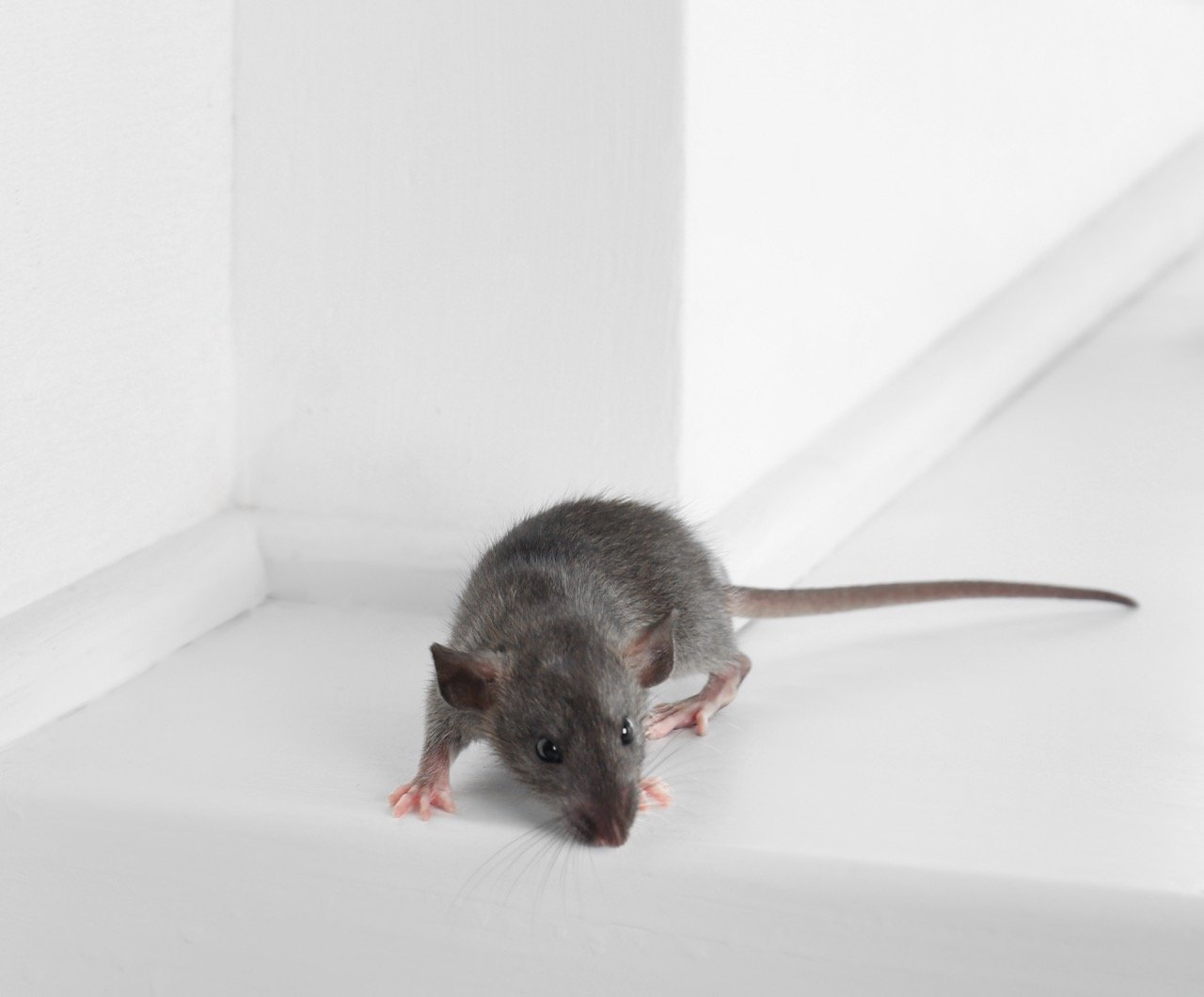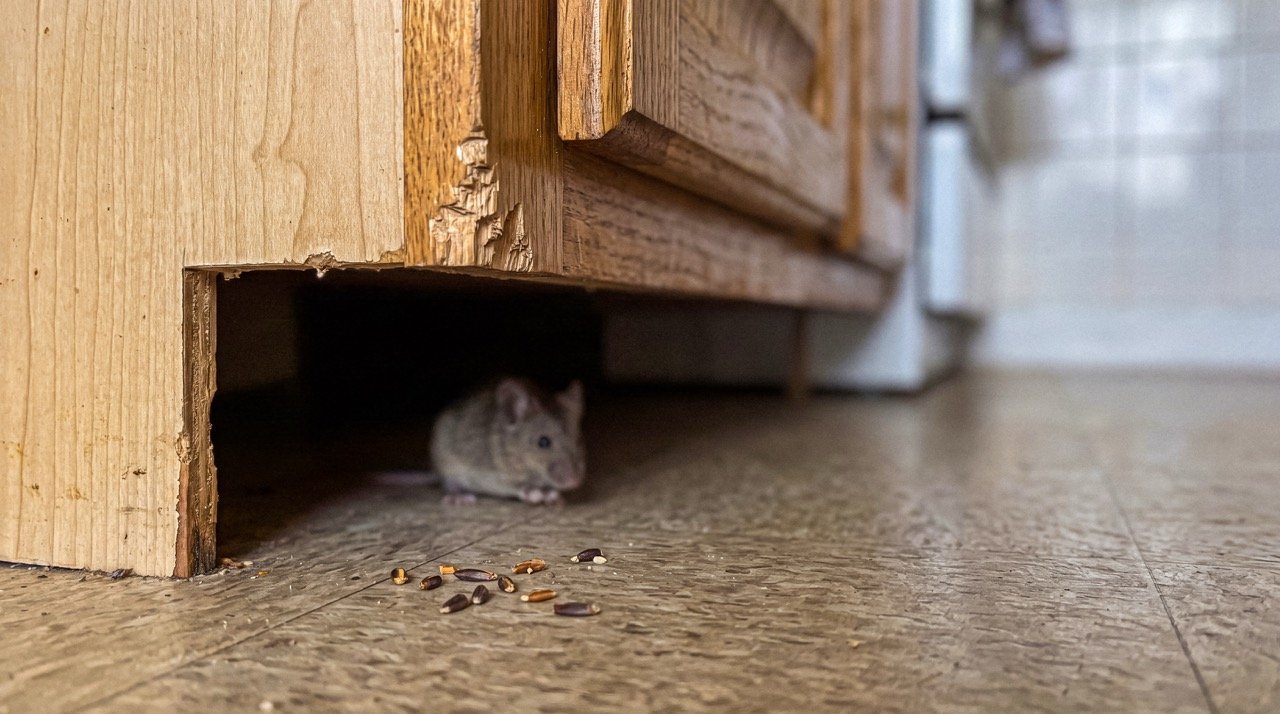
Finding a mouse in the kitchen or hearing scratching noises in the attic is usually when homeowners start thinking about rodent control. But the best time to think about rats and mice is before they make themselves comfortable inside your property.
Rodents are constantly looking for food, water, and protected places to live. Residential properties can provide all three, particularly when small structural openings give them an easy path indoors.
For Florida homeowners, rodent prevention can be important throughout the year. Warm weather, vegetation, outdoor food sources, garages, attics, and other conditions can create opportunities for rodents to live close to residential structures.
Learning how to rodent-proof your home involves more than setting a few traps. A strong prevention strategy focuses on limiting access, removing attractants, maintaining outdoor areas, and identifying the conditions that make your property appealing to rats and mice.
Here’s where to start.
Why Do Rodents Enter Homes?
Before preventing rodents, it helps to understand what they’re looking for.
Like most pests, rats and mice are primarily interested in three resources:
- Food.
- Water.
- Shelter.
A home may offer food through pantry products, pet food, garbage, bird seed, or even crumbs.
Water can come from leaking plumbing, pet bowls, irrigation, or outdoor sources.
Shelter is available in protected areas such as:
- Attics.
- Garages.
- Wall voids.
- Storage rooms.
- Crawl spaces.
When these resources are combined with accessible entry points, a property becomes much more attractive to rodents.
Start With a Complete Exterior Inspection
If you want to rodent-proof your home, begin outside.
Walk slowly around the structure and look for anything that could provide access.
Pay attention to:
- Exterior walls.
- Foundation areas.
- Rooflines.
- Doors.
- Windows.
- Vents.
- Utility penetrations.
- Garage doors.
Don’t assume an opening is too small to matter.
Mice, in particular, can take advantage of surprisingly small gaps.
Look for cracks, damaged materials, loose components, or areas where pipes and cables enter the structure.
Check Exterior Doors for Gaps
Doors are common entry points because they naturally create openings in the building envelope.
Inspect:
- Front doors.
- Back doors.
- Patio doors.
- Garage entry doors.
Check the weather stripping and door sweeps.
If you can see daylight beneath or around a closed exterior door, pests may also be able to find that opening.
Replacing damaged seals can help reduce access for rodents as well as insects.
Pay Special Attention to the Garage
Garages can be particularly vulnerable.
The large garage door opens frequently and may develop gaps along the bottom or corners.
Once rodents enter the garage, they may find:
- Stored food.
- Pet food.
- Cardboard.
- Clutter.
- Water.
- Additional openings leading into the home.
Inspect the bottom seal and edges of your garage door regularly.
Also check the door connecting the garage to the interior of your home.
Inspect the Roofline and Attic
Rodents don’t always enter at ground level.
Certain rats are capable climbers and may access elevated areas using trees, fences, utility lines, or structural features.
Inspect accessible exterior areas around:
- Roof vents.
- Eaves.
- Soffits.
- Roof edges.
- Attic ventilation.
Damaged or open areas may provide access to the attic.
If you aren’t comfortable safely inspecting elevated areas, avoid climbing onto the roof yourself and consider professional assistance.
Check Vents and Utility Openings
Homes require openings for ventilation and utilities, but these areas can become pest entry points when damaged or improperly protected.
Inspect around:
- Dryer vents.
- Plumbing penetrations.
- Electrical lines.
- Cable connections.
- Air conditioning components.
- Other exterior utilities.
The goal isn’t to block necessary ventilation or equipment.
Instead, make sure openings are appropriately protected while continuing to function as intended.
Trim Trees Away From the Structure
Landscaping can create convenient pathways toward your home.
Tree branches that extend close to the roof may allow climbing rodents to approach potential attic entry points.
Dense vegetation touching exterior walls can also create protected travel routes.
Regularly maintain:
- Tree branches.
- Shrubs.
- Vines.
- Dense vegetation.
Creating separation between landscaping and the structure can make it more difficult for rodents to approach hidden openings and easier for homeowners to inspect exterior walls.
Remove Yard Debris
Rodent prevention begins before the animal reaches your house.
Outdoor clutter can provide shelter close to the structure.
Keep an eye on:
- Fallen branches.
- Leaf piles.
- Unused materials.
- Dense ground cover.
- Old equipment.
- General yard debris.
Removing unnecessary hiding areas can make your property less attractive to rodents.
Store Firewood Properly
Firewood and lumber can create protected spaces where rodents and other pests can hide.
Avoid stacking wood directly against exterior walls whenever practical.
Keeping wood organized and separated from the structure helps reduce shelter opportunities immediately next to your home.
It also makes rodent evidence easier to notice.
Secure Outdoor Garbage
Garbage is one of the most obvious food sources around residential properties.
Rodents have an excellent sense of smell and can investigate areas where food waste is regularly available.
Use garbage containers with properly fitting lids and avoid allowing bags of food waste to remain exposed.
Clean spills around trash storage areas when necessary.
Reducing accessible food outdoors can discourage rodents from repeatedly visiting your property.
Don’t Forget Pet Food
Pet food can be highly attractive to rats and mice.
If possible:
- Avoid leaving pet food outdoors overnight.
- Clean spilled food.
- Store large bags in secure containers.
- Keep indoor feeding areas clean.
This is especially important in garages, where homeowners commonly store large bags of dog or cat food.
An open or loosely sealed bag can provide rodents with a consistent food supply.
Manage Bird Seed
Bird feeders can unintentionally attract rodents.
The birds aren’t necessarily the problem—the seed that falls onto the ground is.
Rats and mice may visit feeding areas to eat spilled seed.
If you have bird feeders:
- Clean underneath them regularly.
- Avoid excessive seed accumulation.
- Store extra bird food securely.
- Monitor the area for rodent activity.
This allows you to continue enjoying birds while reducing an unintended food source.
Store Pantry Food Securely
Once rodents enter the home, kitchens and pantries become obvious targets.
They may chew through certain types of packaging to reach food.
Consider keeping items such as:
- Cereal.
- Grains.
- Baking ingredients.
- Snacks.
- Pet food.
in properly sealed containers when appropriate.
Clean pantry spills and periodically inspect less frequently used shelves for signs of activity.
Keep the Kitchen Clean
Rodents don’t need a large meal.
Crumbs, food residue, and grease can provide enough encouragement for a hungry mouse to continue exploring.
Regularly:
- Wipe countertops.
- Sweep floors.
- Clean beneath appliances when possible.
- Remove food waste.
- Store leftovers properly.
Sanitation alone can’t prevent rodents if structural entry points remain open, but it removes one of the major reasons they may stay.
Control Indoor Moisture
Water is another important resource.
Inspect areas around:
- Kitchen sinks.
- Bathroom plumbing.
- Washing machines.
- Water heaters.
- Utility areas.
Repair leaks and address persistent moisture when possible.
Rodent prevention is most effective when the property provides fewer reliable sources of both food and water.
Reduce Clutter in Garages and Attics
Quiet, cluttered spaces offer rodents plenty of opportunities to hide.
Cardboard, paper, fabric, and insulation may also provide nesting materials.
Keeping storage areas organized can:
- Reduce hiding locations.
- Make droppings easier to notice.
- Reveal gnaw damage sooner.
- Make inspections easier.
For long-term storage, sealed containers may be preferable to large amounts of cardboard.
Watch for Early Signs of Rodent Activity
Even after you rodent-proof your home, regular monitoring remains important.
Watch for:
- Droppings.
- Scratching noises.
- Gnaw marks.
- Damaged food packaging.
- Nesting materials.
- Grease marks.
- Unusual pet behavior.
Catching these signs early gives you an opportunity to investigate before rodents become more established.
Should You Use Traps as Prevention?
Traps are generally used to address existing rodent activity rather than replace exclusion and prevention.
If rodents already have access to your home, traps alone don’t solve the structural problem.
Another animal may eventually use the same opening.
Long-term prevention focuses on understanding:
- Where rodents are entering.
- What attracts them.
- Where they’re traveling.
- Which areas need to be secured.
This is why exclusion is such an important component of rodent management.
What Is Rodent Exclusion?
Rodent exclusion refers to identifying and addressing structural openings that allow rats or mice into a building.
This may involve vulnerable areas around:
- Doors.
- Vents.
- Rooflines.
- Utilities.
- Foundations.
- Garages.
However, exclusion should be approached carefully when rodents are already inside.
Simply sealing every visible opening without considering the animals currently occupying the structure could potentially trap them indoors.
When active rodent activity is present, removal and exclusion should be coordinated appropriately.
Can You Completely Prevent Rodents?
No prevention strategy can guarantee that a rodent will never approach your property.
Florida homes exist within environments where wildlife and pests are naturally present.
The goal is to make your property:
- Harder to enter.
- Less attractive.
- Easier to monitor.
A well-maintained property with fewer food sources and fewer structural vulnerabilities presents rodents with fewer opportunities to become established.
When Should You Call a Pest Control Professional?
Professional assistance may be appropriate if:
- You already hear rodents in the attic or walls.
- Droppings continue appearing.
- You find nesting materials.
- Rodents return after trapping.
- You can’t locate the entry point.
- Roof or attic access needs evaluation.
- Multiple areas show signs of activity.
A professional inspection can help determine whether rodents are currently present and identify potential vulnerabilities around the property.
Prevention Is Easier Than Dealing With an Established Infestation
The best rodent problem is the one that never gets the opportunity to develop.
Learning how to rodent-proof your home means looking beyond traps and focusing on the property as a whole.
Seal vulnerable entry points, maintain landscaping, secure garbage and food, reduce clutter, control moisture, and regularly inspect areas where rodents are likely to hide.
These steps won’t remove rodents that are already established inside your home, but they can create a much stronger foundation for long-term prevention.
Contact 911 Home Helps Today
Want to keep rats and mice from turning your home into their next nesting place? 911 Home Helps can inspect your property for signs of rodent activity and identify potential entry points that may need attention.