You’re lying in bed when you hear it: scratching, scurrying, or movement somewhere above the ceiling. It stops for a while, then starts again.
If this happens repeatedly, you may be dealing with rodents in the attic.
Attics provide many of the things rats and mice look for: shelter, warmth, nesting materials, and limited human activity. Once rodents find a way inside, they can remain hidden for extended periods while traveling through areas homeowners rarely inspect.
For Florida homeowners, rodent activity can occur throughout the year. Understanding the signs, possible entry points, and appropriate response can help you identify a problem before it becomes more established.
Why Do Rodents Like Attics?
An attic can provide an ideal environment for rodents.
Unlike kitchens or living rooms, attics may go days or weeks without anyone entering them.
That privacy gives rodents an opportunity to:
- Build nests.
- Store food.
- Travel undisturbed.
- Hide from people.
- Raise young.
Insulation, cardboard, paper, and other materials commonly stored in attics can also provide useful nesting material.
The challenge is that homeowners may not notice the activity until noises, odors, or other evidence become obvious.
What Kind of Rodents Can Get Into an Attic?
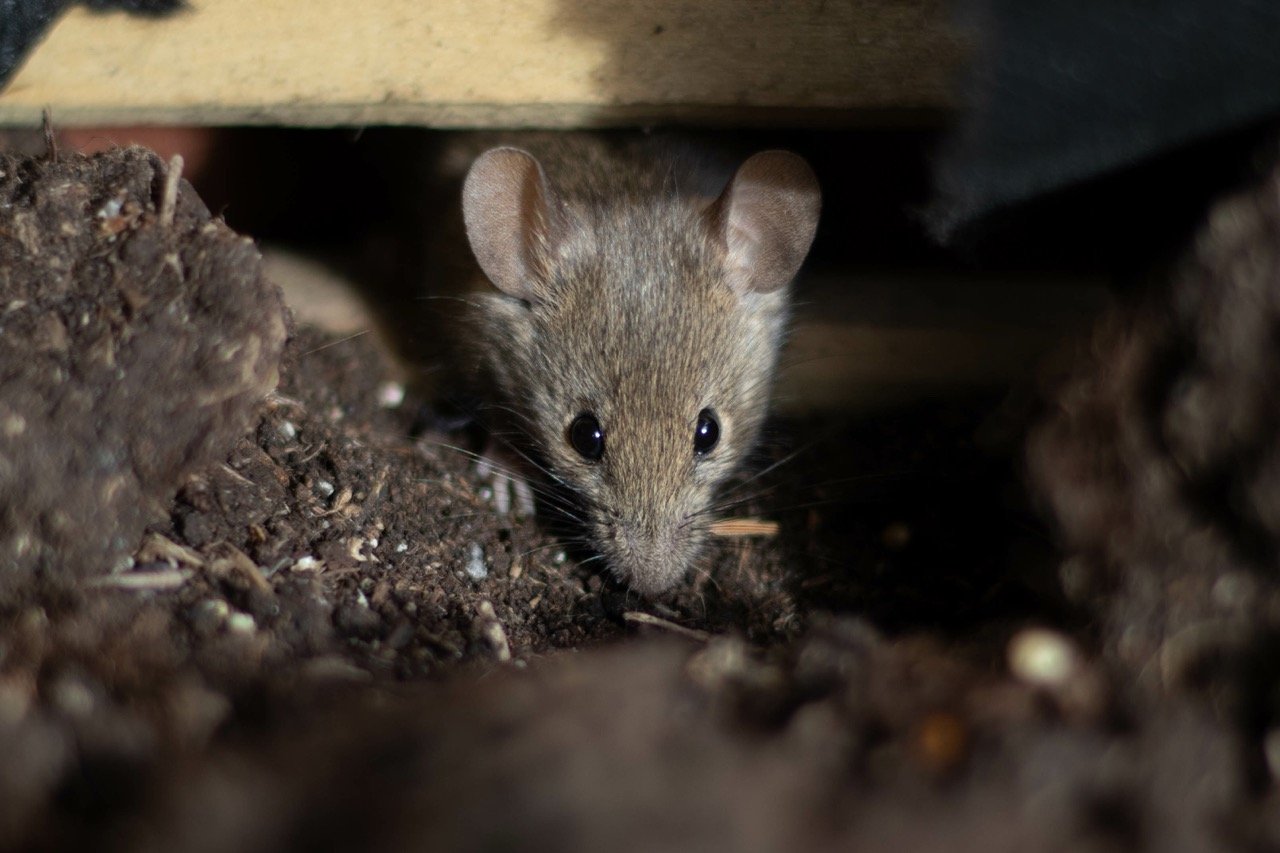
Both rats and mice may enter residential structures.
The exact species can vary depending on the location and property conditions.
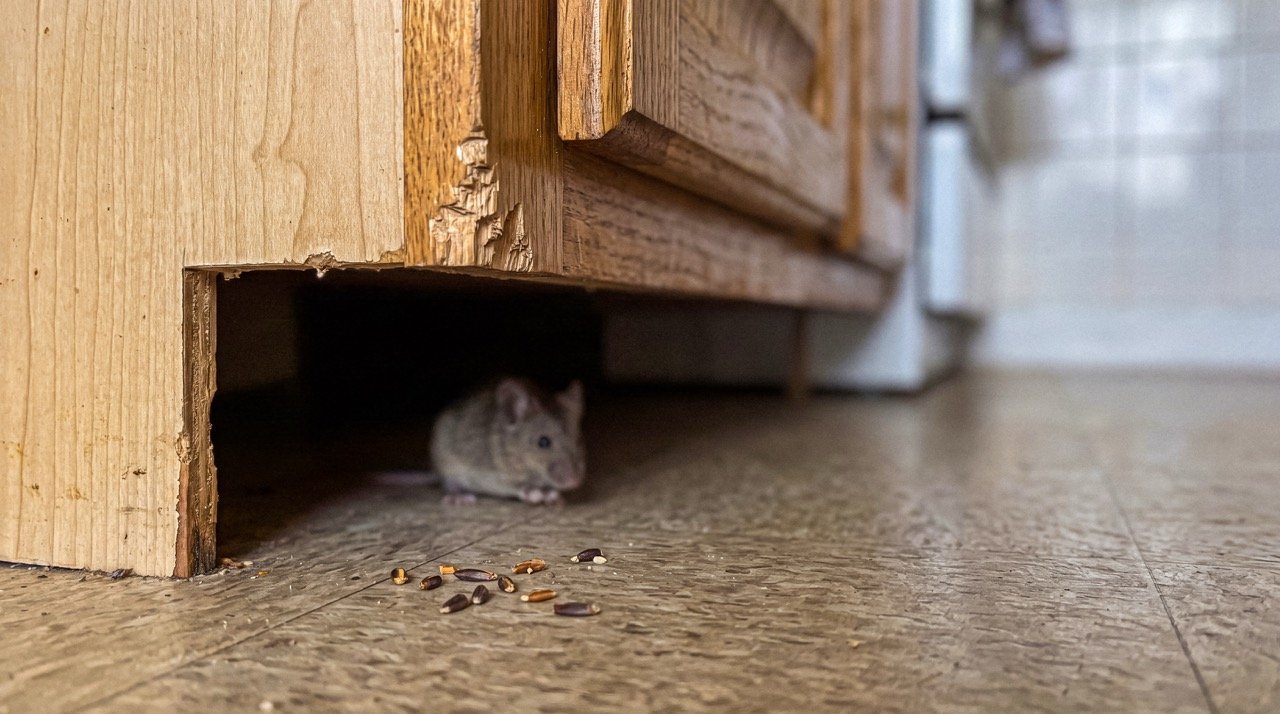
Mice are particularly good at taking advantage of very small openings, while certain rats are skilled climbers and can access elevated parts of a structure.
Because different rodents have different behaviors, professional identification can help determine which pest is present and how it may be entering.
1. Scratching and Scurrying Noises
One of the most common signs of rodents in the attic is noise.
Rodents are often active when the home becomes quiet, which means homeowners frequently hear them at night.
Sounds may include:
- Scratching.
- Scurrying.
- Gnawing.
- Rustling.
- Light tapping.
- Movement across the ceiling.
Pay attention to when and where the noises occur.
Repeated activity in the same area can help identify where rodents may be traveling or nesting.
2. Rodent Droppings
Droppings are another important warning sign.
You may find them:
- Near attic entry points.
- Along beams.
- Around stored belongings.
- Near nesting areas.
- Along frequently traveled paths.
The size and appearance of droppings can sometimes provide clues about whether rats or mice are responsible.
Avoid handling rodent droppings directly with bare hands. Contaminated areas should be approached using appropriate cleanup precautions.
3. Damaged Insulation
Attic insulation can provide rodents with both shelter and nesting material.
Signs of activity may include:
- Disturbed insulation.
- Tunnels or pathways.
- Compressed areas.
- Shredded material.
- Visible nesting sites.
If an area of insulation looks noticeably different from surrounding sections, it may deserve closer inspection.
4. Gnaw Marks
Rats and mice need to gnaw regularly because their teeth continuously grow.
Inside an attic, they may chew on:
- Wood.
- Cardboard.
- Plastic.
- Stored belongings.
- Building materials.
Fresh gnaw marks or repeated damage can indicate active rodent activity.
The size of the marks may also help professionals determine what type of rodent is present.
5. Nesting Materials
Rodents build nests using materials they can easily shred or collect.
Common nesting materials include:
- Paper.
- Cardboard.
- Fabric.
- Insulation.
- Soft packaging.
Nests are typically located in protected areas where rodents feel secure.
If you find concentrated piles of shredded material in an unusual location, avoid disturbing them unnecessarily and consider having the area professionally inspected.
6. Unusual Odors
An established rodent problem can sometimes produce a persistent unpleasant or musty odor.
Odors may be associated with:
- Urine.
- Droppings.
- Nesting areas.
- Contaminated materials.
If a smell seems strongest near an attic entrance or a particular ceiling area, pest activity may be one possible explanation.
However, attic odors can have many causes, so smell alone isn’t enough to confirm rodents.
7. Your Pets May Notice First
Dogs and cats can sometimes detect movement that homeowners don’t immediately hear.
You may notice a pet:
- Staring at the ceiling.
- Becoming alert at night.
- Reacting to specific walls.
- Following sounds across a room.
This behavior doesn’t confirm a rodent problem, but combined with scratching noises or other evidence, it can provide another useful clue.
How Do Rodents Get Into the Attic?
Finding rodents is only part of the problem.
The next question is: how did they get there?
Rodents can take advantage of vulnerabilities around:
- Rooflines.
- Vents.
- Eaves.
- Utility penetrations.
- Damaged exterior materials.
- Gaps around structural components.
Some rodents can also climb trees, fences, utility lines, and other exterior features that provide access to the roof.
An opening that looks insignificant to a homeowner may still be large enough for a rodent to use.
Can Trees Give Rats Access to Your Roof?
Vegetation can contribute to rodent access when branches extend close to or touch the structure.
Certain rats are capable climbers and may use:
- Tree branches.
- Fences.
- Vines.
- Exterior structures.
to reach elevated areas.
Maintaining landscaping and trimming vegetation away from the home where practical can help reduce convenient pathways.
However, landscaping is only one possible access route. A complete inspection should also evaluate structural openings.
Can Rodents Damage an Attic?
Yes.
Rodents can affect both stored belongings and building materials.
Potential damage may involve:
- Insulation.
- Cardboard storage.
- Wood.
- Plastic materials.
- Personal belongings.
They may also contaminate areas with urine and droppings.
The longer rodents remain undetected, the more opportunity they have to travel, nest, and damage materials.
This is why repeated attic noises shouldn’t simply be ignored.
Do Rodents Chew Electrical Wiring?
Rodents are known for gnawing on many materials, and wiring can potentially be among them.
Damage to electrical components can create concerns beyond pest control.
If you discover wiring that appears damaged, avoid attempting electrical repairs unless you’re qualified to do so. Appropriate professionals should evaluate suspected electrical damage.
Addressing the rodent problem is also important to help prevent additional gnawing.
Are Rodents in the Attic a Health Concern?
Rodent activity can create sanitation concerns because droppings, urine, and contaminated nesting materials may accumulate in enclosed areas.
Homeowners should avoid sweeping, vacuuming, or directly handling significant rodent contamination without understanding appropriate cleanup precautions.
The extent of contamination can vary widely depending on how long rodents have been present and the size of the infestation.
Professional evaluation can help determine whether additional cleanup or remediation may be appropriate.
Should You Seal the Entry Point Immediately?
Finding an opening and immediately sealing it may seem like the obvious solution, but timing matters.
If rodents are already inside, sealing every exit without an appropriate removal strategy can potentially trap animals within the structure.
Rodent exclusion should therefore be coordinated with the management of the animals already present.
The goal is not simply to close a hole. It’s to remove the rodent activity and then prevent future access.
Why Traps Alone May Not Solve Attic Rodents
Traps can be one component of rodent management, but they don’t necessarily address the entire problem.
If you remove one rodent but leave the entry point open, another may eventually take its place.
Effective management should consider:
- Which rodent is present.
- How many may be active.
- Where they’re entering.
- Where they’re nesting.
- What conditions are attracting them.
- Which openings need to be sealed.
Without addressing these factors, homeowners may experience recurring activity.
How Can You Help Prevent Rodents From Entering the Attic?
Prevention focuses heavily on reducing structural access.
Inspect the Roofline
Look for damaged or open areas around eaves, vents, and roof components.
Maintain Exterior Vents
Damaged or improperly protected vents may provide entry opportunities.
Trim Vegetation
Keep tree branches and dense vegetation from providing easy access to the structure where possible.
Reduce Outdoor Food Sources
Secure garbage, pet food, bird seed, and other potential food sources.
Keep Storage Organized
Organized attic spaces make new rodent activity easier to notice.
Monitor Previous Entry Points
If your property has experienced rodents before, periodically check repaired areas for new damage.
When Should You Call a Pest Control Professional?
Consider professional assistance if:
- You repeatedly hear attic noises.
- Droppings are present.
- You find nesting materials.
- Insulation has been disturbed.
- You discover gnaw damage.
- Rodents return after DIY trapping.
- You can’t identify how they’re entering.
A professional inspection can help identify the rodent, evaluate the attic, locate potential access points, and develop an appropriate control strategy.
Don’t Ignore Noises Above Your Ceiling
An occasional sound in the attic can have many explanations. But repeated scratching, scurrying, droppings, damaged insulation, or nesting materials shouldn’t be ignored.
Rodents in the attic can remain hidden for long periods, giving them time to establish nests and damage materials before homeowners realize how extensive the problem has become.
Successful rodent control requires more than removing the animal you can hear. Identifying entry points and preventing future access are equally important parts of protecting your home.
Contact 911 Home Helps Today
Hearing scratching or movement above your ceiling? 911 Home Helps can inspect your property for signs of rats, mice, and other rodent activity and help identify potential entry points around your home.