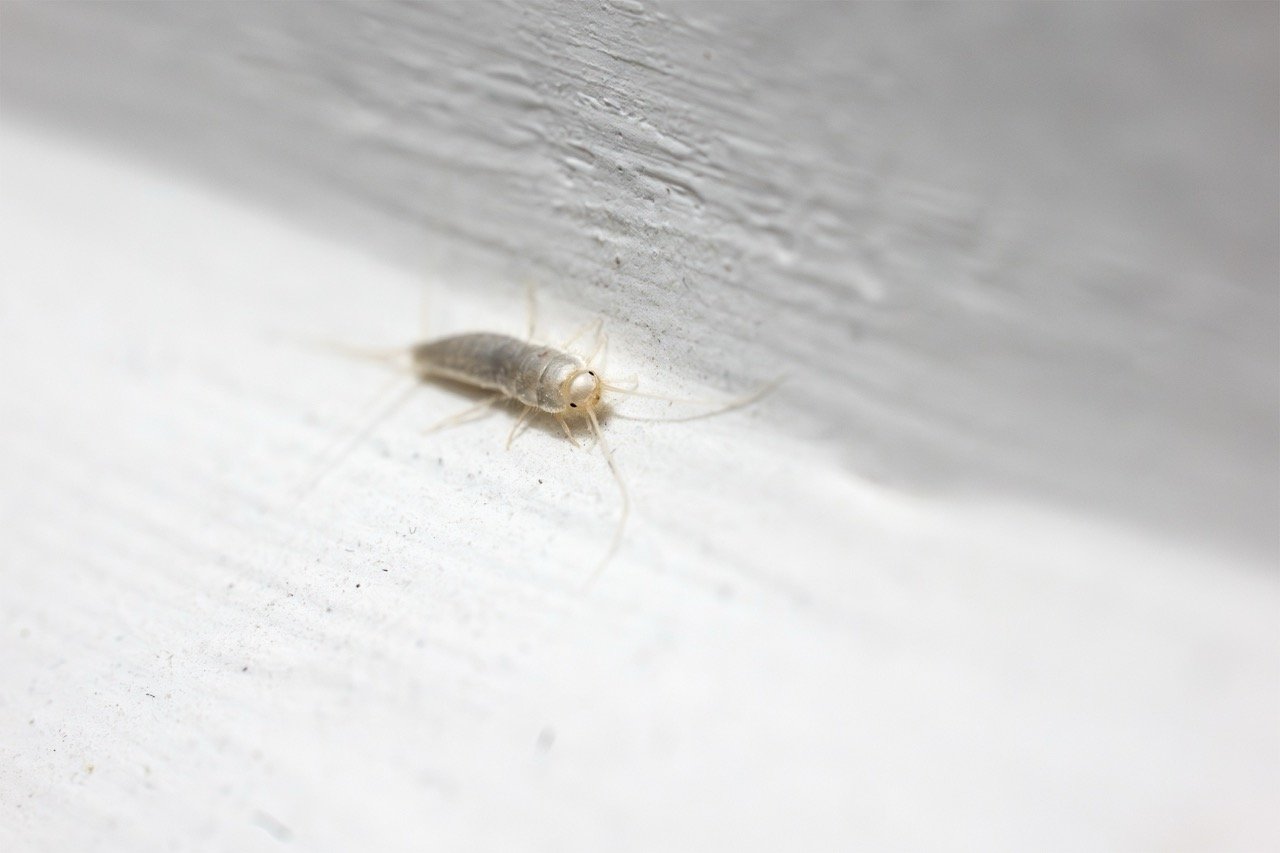
You turn on the bathroom light at night and notice a small, silvery insect quickly disappearing beneath the cabinet. A few days later, you spot another one near the bathtub.
If this sounds familiar, you may be dealing with silverfish.
Finding silverfish in your bathroom can be surprising, especially when you keep the space clean. However, these insects are often attracted to conditions that have little to do with everyday housekeeping.
Bathrooms can provide the moisture, shelter, and protected hiding places that silverfish prefer. In Florida, where humidity is already a common concern, certain indoor conditions may make these areas particularly appealing.
Understanding why silverfish appear and what encourages them to remain can help you develop a more effective prevention strategy.
What Are Silverfish?
Silverfish are small, wingless insects known for their silvery appearance and quick, fish-like movements.
They have elongated bodies, long antennae, and three tail-like appendages at the rear.
Unlike some household pests, silverfish do not bite people or spread disease through bites. However, they can become a nuisance and may damage certain household materials.
Silverfish feed on a variety of substances, including materials containing starches and other carbohydrates.
They may be associated with paper, cardboard, book bindings, adhesives, and certain fabrics.
Although they can appear in several areas of a home, bathrooms are particularly common places to encounter them.
Why Are There Silverfish in My Bathroom?
The main reason silverfish appear in bathrooms is that these spaces can offer favorable environmental conditions.
Moisture is especially important.
Bathrooms regularly experience humidity from showers, baths, and running water. If ventilation is inadequate, damp conditions may persist.
Silverfish also prefer protected spaces where they can remain undisturbed.
The combination of humidity and hiding places can make a bathroom suitable for their activity.
High Humidity
Silverfish generally favor humid environments.
After a hot shower, moisture may collect on walls, floors, mirrors, and other surfaces.
If the bathroom remains humid for extended periods, it may become more attractive to moisture-loving pests.
Plumbing Leaks
A small leak beneath a sink or around a pipe can create persistent dampness.
These conditions may support silverfish and other pests.
Inspect plumbing connections and cabinet interiors for signs of moisture.
Poor Ventilation
Bathrooms without effective ventilation may retain humidity longer than necessary.
Using an appropriate exhaust fan and addressing ventilation problems can help reduce excess moisture.
Hidden Shelter
Silverfish prefer dark, protected areas.
They may hide beneath cabinets, behind baseboards, around plumbing openings, or in other concealed spaces.
Because they are often active at night, homeowners may not notice them during the day.
Are Silverfish Common in Florida?
Silverfish can occur in Florida homes, particularly where suitable moisture and shelter are available.
Florida’s warm, humid climate may contribute to conditions that support these insects.
However, outdoor humidity isn’t the only factor.
Indoor ventilation, plumbing maintenance, storage habits, and building conditions also influence where silverfish may appear.
A home with persistent moisture problems may provide more favorable conditions than one where humidity is effectively managed.
Where Do Silverfish Hide in Bathrooms?
Silverfish may use narrow spaces that are difficult to inspect during routine cleaning.
Common hiding places include:
- Beneath bathroom cabinets.
- Around baseboards.
- Behind loose wall coverings.
- Near plumbing penetrations.
- Inside damp storage areas.
- Around cracks and crevices.
- Beneath stored paper or cardboard.
Finding one silverfish near a sink doesn’t necessarily mean it lives inside the drain.
It may simply be moving through the surrounding area.
Do Silverfish Come From Bathroom Drains?
Silverfish are sometimes spotted near bathtubs, sinks, and drains, leading homeowners to assume they are coming through the plumbing.
However, silverfish are not typically drain-dwelling insects.
They may become trapped in smooth-sided sinks or tubs after wandering into them.
If you repeatedly find silverfish near a drain, inspect the surrounding area for moisture, gaps, and concealed hiding places rather than assuming the drain itself is the source.
Are Silverfish Dangerous?
Silverfish are not generally considered dangerous to people.
They are not known for biting humans or transmitting diseases through bites.
Their main significance in homes is as nuisance pests and potential sources of damage to certain materials.
For example, silverfish may feed on paper products, adhesives, and other materials containing substances they can digest.
Although a single silverfish doesn’t necessarily indicate a major problem, recurring sightings deserve attention.
Can Silverfish Damage Your Home?
Silverfish can damage certain belongings, particularly when activity continues over time.
Materials that may be affected include:
- Books and paper.
- Cardboard.
- Wallpaper adhesives.
- Stored documents.
- Some fabrics.
- Other starch-containing materials.
Damage may appear as irregular surface marks, small holes, or areas where material has been scraped away.
However, similar damage can result from other insects or ordinary deterioration.
Accurate identification helps determine the cause.
Why Do Silverfish Come Out at Night?
Silverfish are primarily nocturnal.
They often remain concealed during the day and become more active when the environment is dark and quiet.
This explains why homeowners may notice them after turning on the bathroom light late at night.
The insects may quickly move toward a protected area when disturbed.
Seeing them at night doesn’t necessarily mean they are entering the home at that moment.
They may already be sheltering nearby.
Does Finding One Silverfish Mean You Have an Infestation?
Not necessarily.
A single sighting doesn’t establish how many silverfish are present.
However, repeated sightings in the same area may suggest that conditions are supporting ongoing activity.
Pay attention to the frequency and location of sightings.
If silverfish appear in several rooms or continue returning despite moisture control and cleaning, a professional inspection may be useful.
How to Get Rid of Silverfish in Your Bathroom
Effective silverfish management begins with identifying and correcting favorable conditions.
Rather than focusing only on the insects you can see, investigate moisture, shelter, and access opportunities.
1. Reduce Excess Humidity
Use the bathroom exhaust fan during showers and allow it to run afterward as appropriate.
If the space remains persistently humid, investigate whether the ventilation system is functioning properly.
2. Repair Plumbing Leaks
Check beneath sinks, around toilets, and near other plumbing connections.
Repair leaks and dry affected materials appropriately.
3. Remove Unnecessary Clutter
Avoid storing large amounts of cardboard, paper, or other unnecessary materials in damp bathroom areas.
Organized storage makes it easier to inspect for insects.
4. Inspect Cracks and Gaps
Look for openings around baseboards, cabinets, and plumbing penetrations.
Appropriate sealing can reduce potential hiding places and movement routes.
5. Clean Hard-to-Reach Areas
Regularly clean beneath cabinets and around fixtures where dust and debris may accumulate.
Cleaning alone may not eliminate silverfish, but it supports broader prevention.
6. Monitor Activity
Keep track of where and when silverfish appear.
If activity continues, this information can help a pest control professional evaluate the problem.
Can Silverfish Spread to Other Rooms?
Yes.
Silverfish aren’t limited to bathrooms.
They may also appear in kitchens, laundry rooms, closets, attics, and storage spaces where suitable conditions exist.
A homeowner who finds silverfish in the bathroom may later notice them around stored papers or other materials.
If sightings occur throughout the home, consider whether moisture or storage conditions in multiple areas are contributing.
Can Silverfish Live in a Clean Bathroom?
Absolutely.
Silverfish are not necessarily a sign of poor housekeeping.
A clean bathroom may still provide high humidity, small structural gaps, and protected hiding places.
This is why repeated cleaning without addressing moisture may not resolve the issue.
The most useful prevention strategy focuses on environmental conditions rather than cleanliness alone.
What About Silverfish in Bathroom Cabinets?
Bathroom cabinets may offer dark, protected spaces close to plumbing.
If you find silverfish inside a cabinet, remove stored items carefully and inspect the area.
Look for leaks, condensation, damp materials, and visible gaps around pipes.
Avoid storing unnecessary paper or cardboard in areas that frequently become humid.
If the cabinet shows water damage, address the moisture source before returning belongings.
Should You Use Insecticides for Silverfish?
Pest control products may be appropriate in some situations, but identification and proper application matter.
Avoid applying random products to bathroom surfaces, plumbing openings, or personal-care storage areas.
Always follow pesticide label directions and keep products away from children and pets as instructed.
A professional can help determine whether treatment is necessary and which areas should be addressed.
How Can You Prevent Silverfish From Coming Back?
Long-term prevention focuses on making the bathroom less favorable to silverfish.
Maintain ventilation, repair leaks promptly, reduce unnecessary clutter, and inspect concealed areas periodically.
Keep an eye on changes such as peeling wallpaper, persistent dampness, or repeated insect sightings.
These signs may indicate conditions that deserve maintenance.
Although no prevention method guarantees that silverfish will never appear, reducing excess moisture and shelter can make the environment less suitable for them.
When Should You Call a Pest Control Professional?
Consider professional assistance if silverfish continue appearing, activity spreads to other rooms, or you notice damage to stored materials.
An inspection may also be helpful if you’re unsure whether the insects are silverfish or another household pest.
A professional can identify the insect, evaluate contributing conditions, and recommend an appropriate management strategy.
Keep Your Bathroom Less Inviting to Silverfish
Finding silverfish in your bathroom can be unsettling, but the solution often begins with understanding why they are there.
Humidity, plumbing leaks, poor ventilation, and concealed hiding places can create favorable conditions.
For Florida homeowners, maintaining moisture control and inspecting vulnerable areas are important parts of reducing recurring silverfish activity.
By addressing these conditions and seeking professional guidance when necessary, you can take a more proactive approach to keeping unwanted insects out of your home.
Contact 911 Home Helps Today
Are you noticing silverfish or other unwanted insects in your Florida bathroom? 911 Home Helps can inspect your property, identify signs of pest activity, evaluate contributing conditions, and recommend an appropriate pest control and prevention strategy.