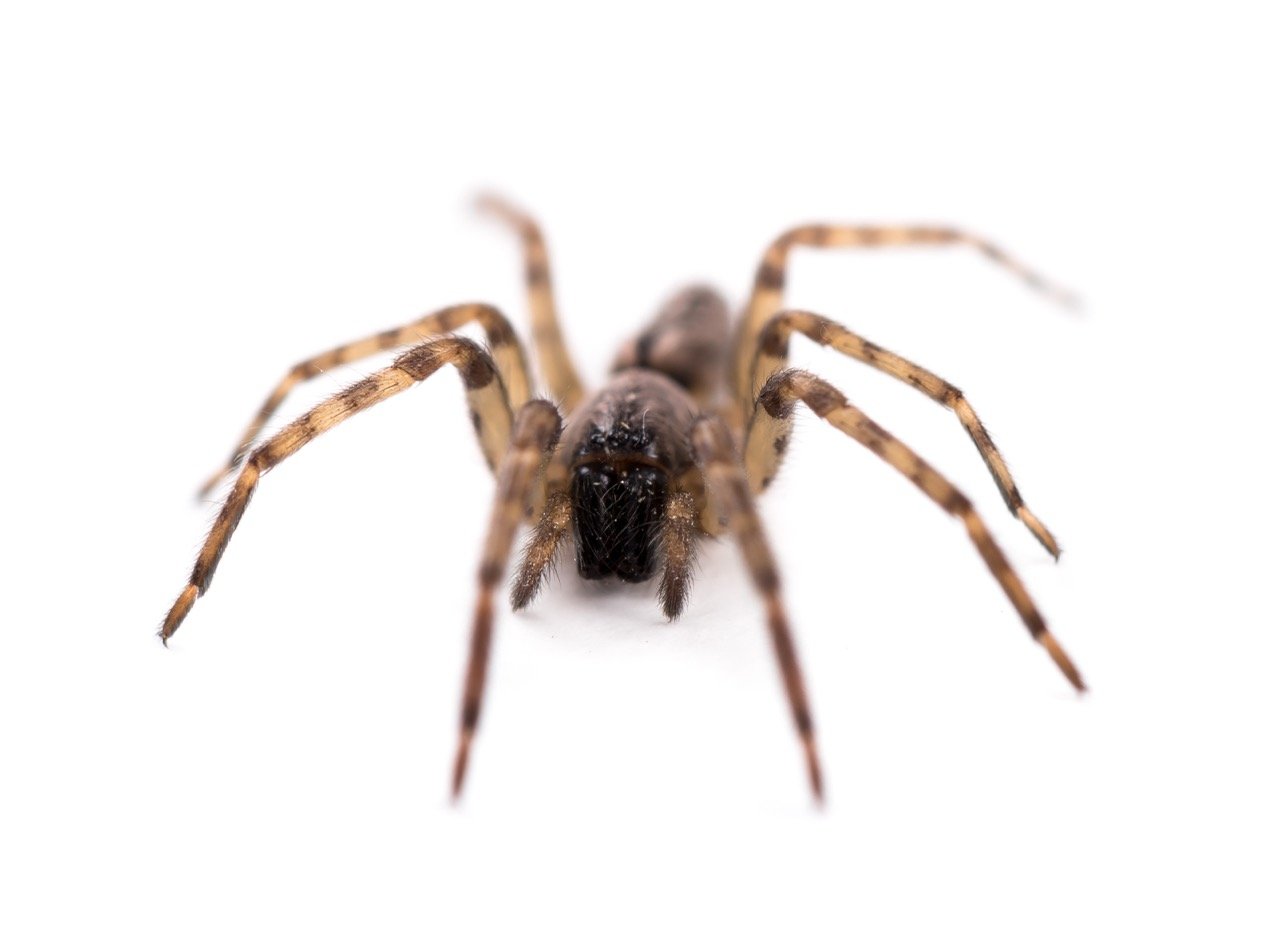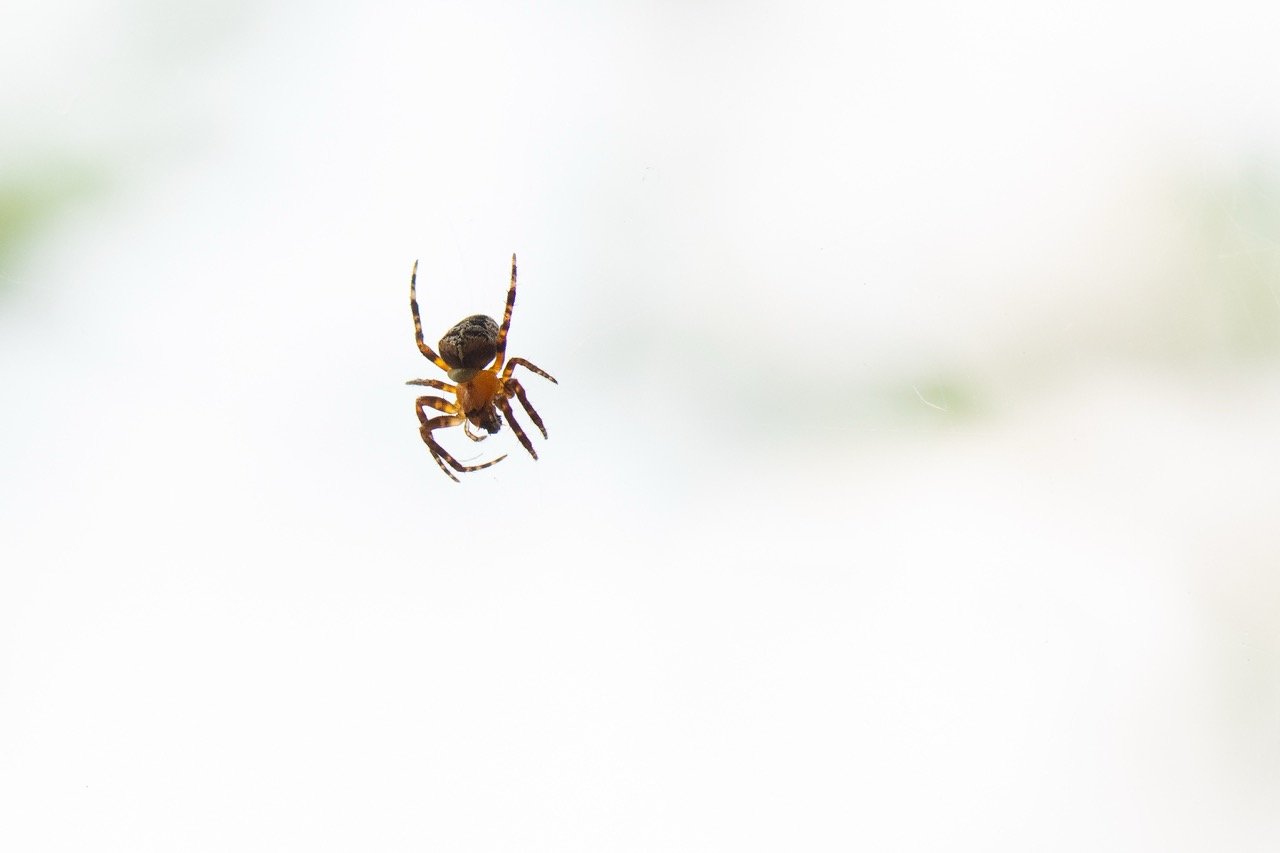
Finding a spider inside your home can be unsettling, especially when it seems like new ones keep appearing.
You remove a web from the corner of a room, only to find another one a few days later. Maybe spiders are showing up around windows, in the garage, near outdoor doors, or in quiet storage areas.
Eventually, you start asking: Why do I have spiders in my house?
Spiders may enter homes for several reasons. They look for shelter, protected areas, favorable environmental conditions, and—perhaps most importantly—food.
Because spiders feed on other small creatures, recurring spider activity can sometimes indicate that insects are also present around your property.
For Florida homeowners, understanding what makes a home attractive to spiders can help reduce their presence and reveal other pest conditions that may need attention.
Why Do Spiders Come Inside?
Spiders don’t necessarily enter a home because they want to live near people.
Residential properties simply provide many of the conditions they need.
Depending on the species, spiders may find:
- Shelter.
- Stable temperatures.
- Protected corners.
- Insects to eat.
- Dark hiding areas.
- Places to build webs.
Some spiders may wander indoors accidentally, while others find suitable conditions and remain.
An occasional spider doesn’t automatically indicate a pest problem.
Repeated spider activity, however, is worth looking at more closely.
Are Spiders Attracted to Food?
Not in the same way ants or rodents are.
A spider isn’t interested in the crumbs beneath your kitchen table.
Instead, spiders are interested in the insects those conditions may attract.
If your property has a steady population of:
- Flies.
- Mosquitoes.
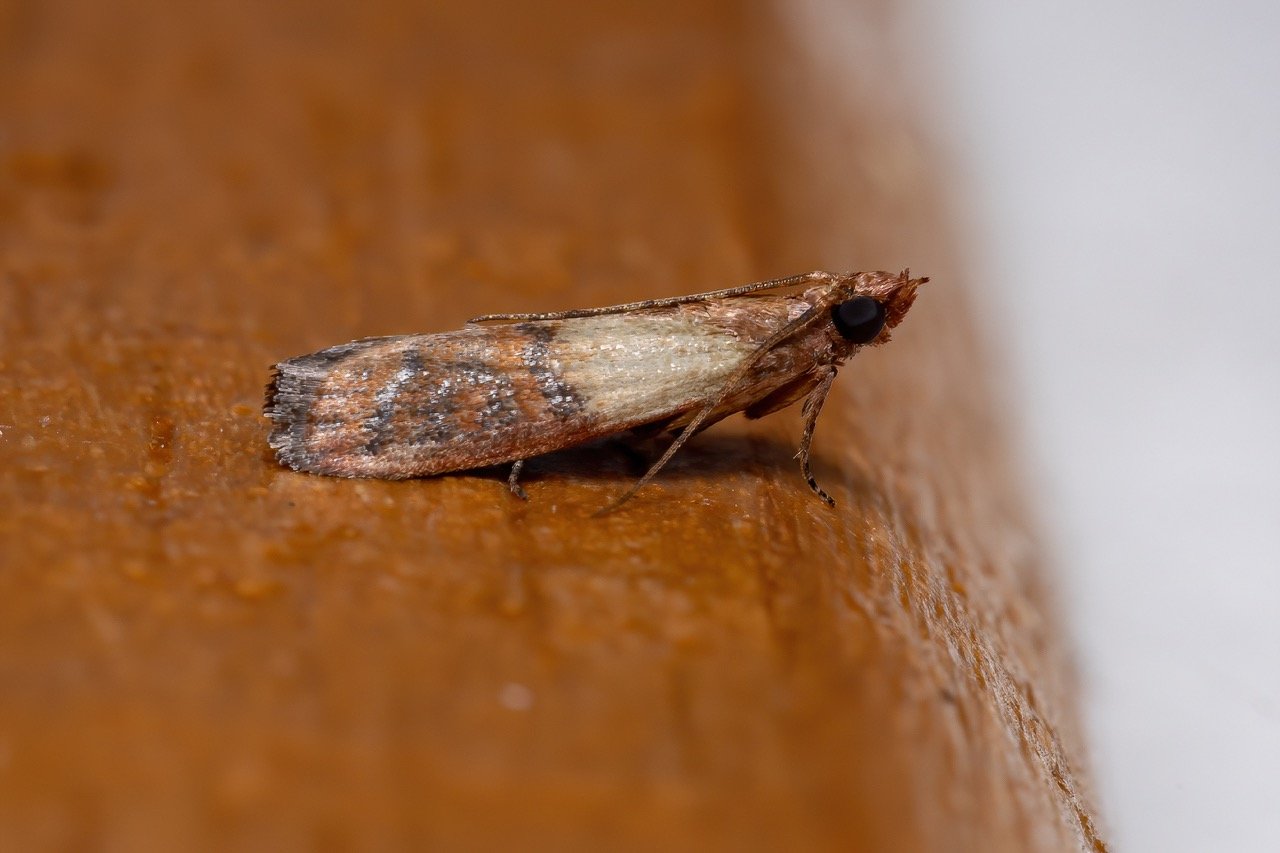
- Moths.
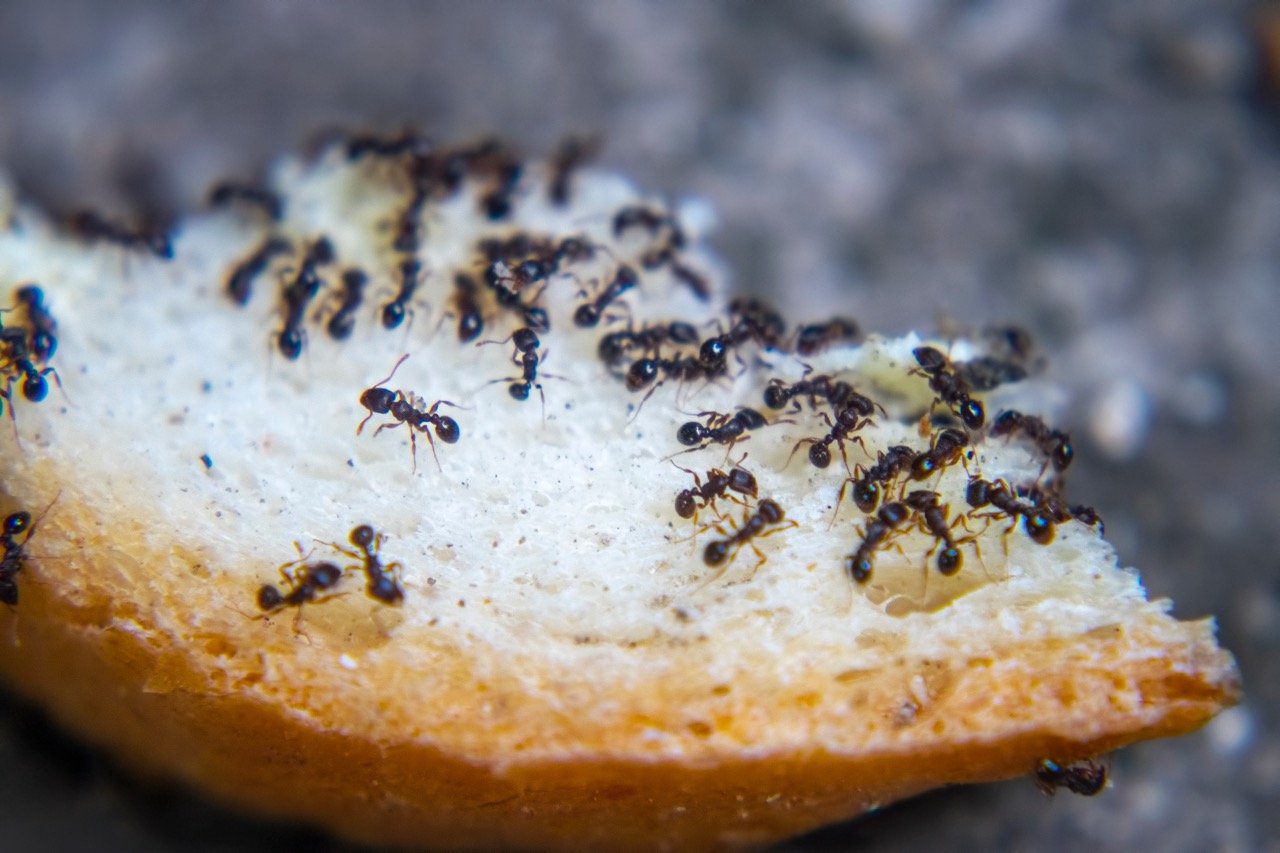
- Ants.
- Small insects.
spiders may have a reliable food source.
This is one reason controlling other pest activity can sometimes help reduce spider activity as well.
Do Spiders Mean You Have Other Bugs?
Sometimes.
Spiders are predators, so they need prey to survive.
If you’re regularly finding active webs with captured insects, your home may be providing enough food to support the spiders.
This doesn’t necessarily mean you have a serious infestation of another pest.
However, frequent spider activity can be a reason to look more carefully for insects around:
- Windows.
- Doors.
- Lights.
- Garages.
- Kitchens.
- Bathrooms.
Rather than treating spiders as an isolated issue, consider what may be attracting their prey.
Why Are There Spiders Around My Windows?
Windows are common locations for spider activity.
One reason is simple: insects are often attracted to light.
Small flying insects may gather around illuminated windows, particularly in the evening.
For a spider, that’s a convenient hunting area.
Windows can also provide:
- Corners for webs.
- Small structural gaps.
- Protection from weather.
- Access from outdoors.
If you repeatedly find spiders around the same window, inspect both the insect activity and the condition of the window itself.
Outdoor Lights Can Influence Spider Activity
Exterior lighting can attract insects.
Where insects gather, spiders may follow.
You may notice webs around:
- Porch lights.
- Garage lights.
- Patio lighting.
- Exterior doorways.
This doesn’t mean you need to keep your property completely dark.
Instead, regularly inspect and clean areas where webs repeatedly develop and consider whether unnecessary lighting is contributing to high insect activity.
How Do Spiders Get Into Your House?
Spiders can use many of the same structural openings as other pests.
Potential entry points include:
- Gaps around doors.
- Damaged window screens.
- Open windows.
- Utility penetrations.
- Garage doors.
- Exterior cracks.
- Vents.
- Openings around plumbing.
Some may also be carried indoors accidentally on stored objects, boxes, outdoor furniture, or other items.
A home doesn’t need to have a large opening for small spiders to get inside.
Why Are Spiders Common in Garages?
Garages can provide an ideal combination of shelter and food.
They often have:
- Less human activity.
- Dark corners.
- Storage boxes.
- Exterior access.
- Small insects.
- Gaps around garage doors.
Because garages connect the outdoors to the interior of the home, they can become a transition zone for many pests.
Regular cleaning and inspection can make spider activity easier to notice.
Why Are Spiders Hiding in Storage Areas?
Quiet storage spaces provide protection.
Closets, garages, attics, and storage rooms may remain undisturbed for long periods.
Cardboard boxes and clutter can create additional hiding places.
Keeping these areas organized can help by:
- Reducing protected spaces.
- Making webs easier to notice.
- Revealing other pest evidence.
- Allowing easier inspection.
This doesn’t guarantee spiders will disappear, but it makes the environment easier to monitor.
Does Clutter Attract Spiders?
Clutter doesn’t necessarily attract spiders from a distance.
However, it can create an environment where they can remain hidden.
Stacks of boxes, unused items, paper, and crowded storage areas provide many protected spaces.
Clutter can also support other insects, which may provide food for spiders.
Reducing unnecessary clutter is therefore a useful part of general pest prevention.
Why Are Spiders in the Bathroom?
Bathrooms may provide moisture and access to small insects.
Spiders may also enter through:
- Windows.
- Plumbing openings.
- Small wall gaps.
A spider in the bathtub doesn’t necessarily mean it came through the drain.
It may simply have wandered into the tub and been unable to climb the smooth surface.
If spiders repeatedly appear in the bathroom, inspect the surrounding room rather than focusing only on the drain.
Are Spiders Attracted to Moisture?
Certain environments with higher moisture can support insects that spiders feed on.
Bathrooms, laundry areas, garages, and outdoor vegetation may therefore experience more spider activity under some conditions.
Persistent moisture can also contribute to broader pest problems.
Check for:
- Plumbing leaks.
- Condensation.
- Damp storage areas.
- Poor drainage.
- Excessive irrigation.
Addressing moisture can make the environment less favorable for several types of pests.
Why Are There More Spiders After Rain?
Weather can influence pest movement.
Heavy rain may disturb outdoor habitats and change insect activity around residential structures.
When other insects move toward protected areas, spiders may also appear more noticeable.
Rain can additionally increase moisture around landscaping and create conditions that support insect populations.
If spider activity increases after wet weather, inspect both the exterior and interior for entry points.
Can Landscaping Attract Spiders?
Landscaping provides habitat for many insects and spiders.
Dense vegetation near exterior walls may offer:
- Shelter.
- Shade.
- Moisture.
- Insect prey.
- Pathways toward the structure.
Plants don’t need to be eliminated to prevent pests.
Instead, regular maintenance can help.
Trim vegetation when appropriate and avoid allowing excessive growth to create hidden areas directly against the structure.
What About Tree Branches Touching the House?
Branches touching roofs or exterior walls can create pathways for various pests.
Keeping trees properly maintained can reduce direct access to the structure.
This is particularly useful as part of a broader prevention strategy that also considers rodents, ants, and other pests.
Does Keeping Your House Clean Prevent Spiders?
Cleaning helps, but it isn’t a complete solution.
A spotless home can still have spiders if:
- Entry points exist.
- Insects are available.
- Outdoor conditions support activity.
- Protected hiding spaces are present.
Regular cleaning is still useful because it removes webs and makes new activity easier to identify.
Vacuuming corners and less frequently used spaces can also remove webs and egg sacs when encountered.
Should You Remove Spider Webs?
Removing webs can help you monitor activity.
If a web is removed and quickly rebuilt in the same location, that tells you the area is favorable for spiders.
Pay attention to repeated web locations.
They may point toward:
- High insect activity.
- Entry points.
- Exterior lighting.
- Protected hiding areas.
Instead of repeatedly removing the web without investigating further, ask why spiders keep choosing that particular location.
How Can You Help Prevent Spiders From Entering?
A combination of pest prevention and property maintenance can help.
Inspect Doors and Windows
Repair damaged screens and replace worn seals where necessary.
Reduce Other Insects
Because insects provide food for spiders, managing other pest populations can reduce an important attraction.
Remove Webs
Regularly remove webs from indoor and accessible outdoor areas.
Reduce Clutter
Organize garages, closets, and storage spaces.
Maintain Landscaping
Trim vegetation and reduce excessive growth against the structure.
Address Moisture
Repair leaks and investigate persistently damp areas.
Inspect Exterior Lighting Areas
Monitor lights that attract large numbers of flying insects.
These measures focus on making your home less attractive rather than simply removing individual spiders.
Does Seeing One Spider Mean You Have an Infestation?
No.
An individual spider may simply have wandered indoors.
The pattern matters more than a single sighting.
Pay closer attention if:
- Spiders appear frequently.
- Numerous webs develop.
- You find spiders throughout multiple rooms.
- Egg sacs are repeatedly present.
- Other insect activity is also high.
Recurring activity provides more reason to investigate the environment.
Should You Use DIY Spider Sprays?
Spraying an individual spider may remove that spider, but it doesn’t necessarily explain why spiders are present.
If insects continue entering the home and providing food, additional spiders may eventually appear.
A broader approach considers:
- Entry points.
- Insect prey.
- Landscaping.
- Lighting.
- Moisture.
- Hiding areas.
Addressing these conditions can be more useful for long-term prevention than repeatedly reacting to individual spiders.
When Should You Call Pest Control for Spiders?
Professional pest control may be appropriate when:
- Spider activity is frequent.
- Numerous webs repeatedly appear.
- You can’t determine where spiders are entering.
- Other pest populations appear high.
- DIY prevention hasn’t reduced the problem.
- You’re uncertain about the type of spider present.
Professional evaluation can look beyond the spiders themselves and determine what conditions around the property may be supporting their activity.
Spider Control Often Starts With Other Pests
If you’ve been asking “Why do I have spiders in my house?”, the answer may involve more than the spiders.
Spiders need shelter, but they also need food.
A property with abundant insects can provide a reliable food supply, while gaps around doors, windows, garages, and other exterior areas can give spiders access indoors.
Instead of focusing exclusively on eliminating the spiders you see, look at the property as a complete environment.
Reduce insect activity. Maintain landscaping. Repair entry points. Manage moisture. Remove webs and monitor where they return.
Understanding why spiders are present is one of the most important steps toward reducing their activity.
Contact 911 Home Helps Today
Are spiders and other pests becoming a recurring problem around your Florida home? 911 Home Helps can inspect your property, identify conditions contributing to pest activity, and recommend a professional pest control strategy based on your home’s needs.