You notice a small pile of what looks like sawdust, sand, or tiny pellets near a window, baseboard, or piece of wooden furniture. You clean it up, only to find another pile appearing in the same place a few days later.
What you’re seeing could be termite droppings, also known as frass.
For Florida homeowners, recognizing potential signs of termite activity is particularly important. Termites can remain hidden inside wood and other areas of a structure, which means visible evidence such as droppings may provide an important clue that something is happening beneath the surface.
But not every pile of debris is caused by termites. Understanding what termite droppings look like, where they’re commonly found, and what you should do when you discover them can help you respond appropriately.
What Are Termite Droppings?
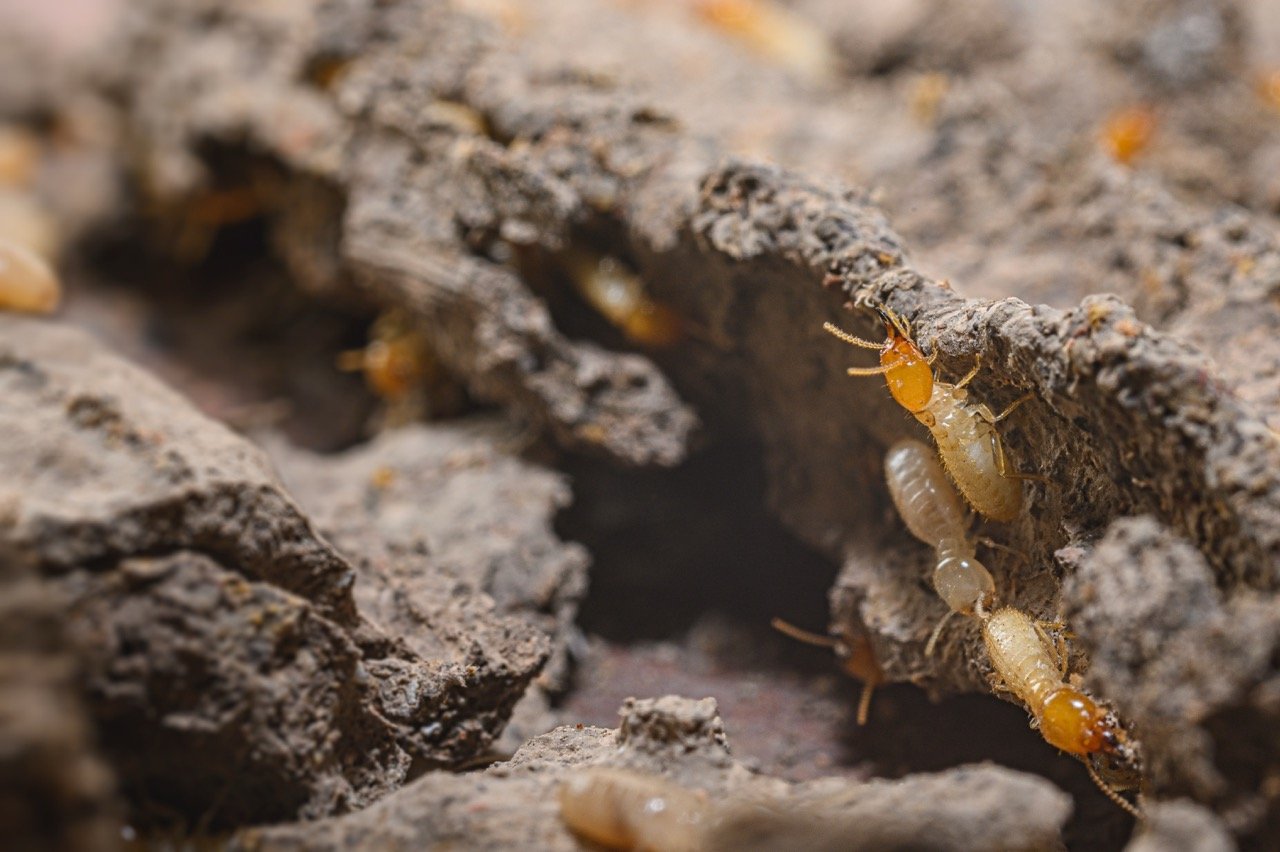
Termite droppings are waste produced by termites.
When discussing visible termite droppings around a home, homeowners are often referring to the small pellets associated with drywood termites.
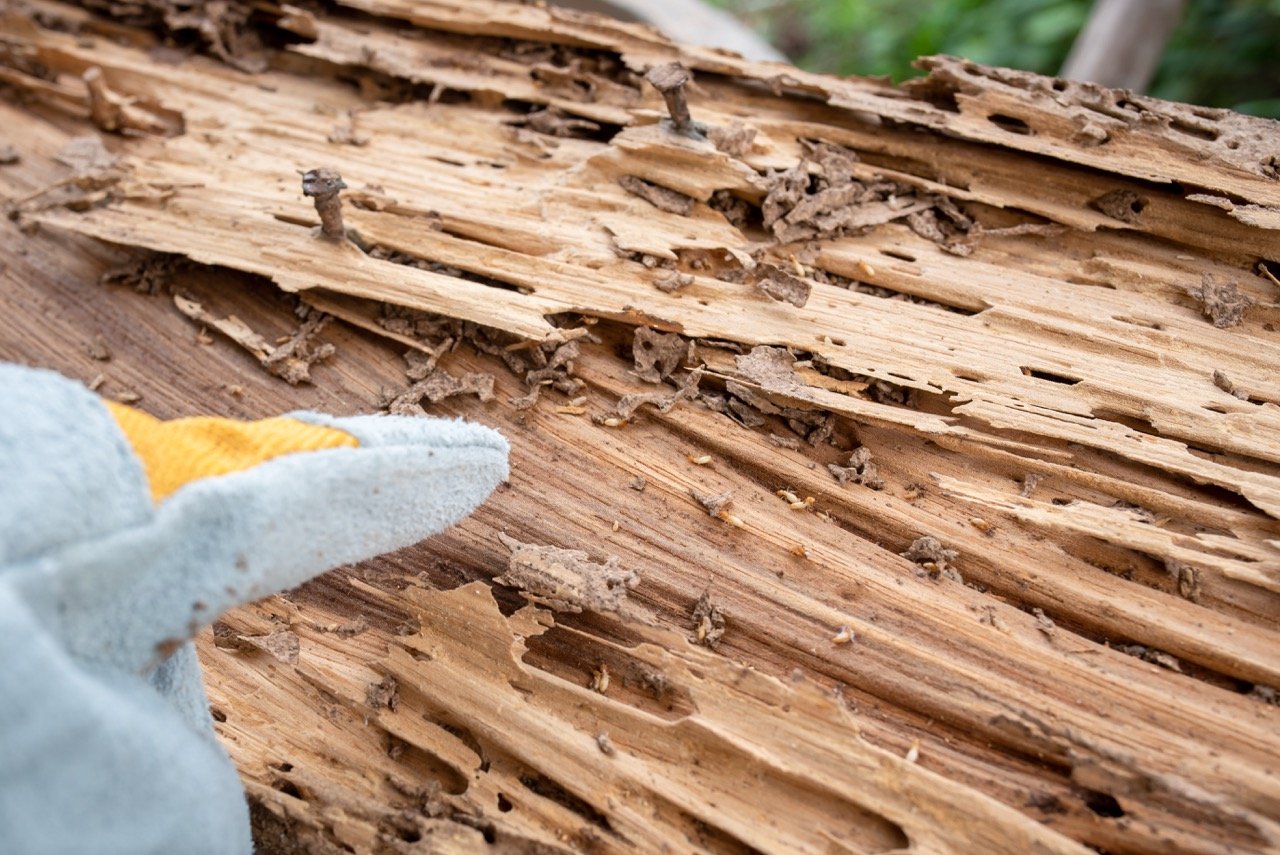
Drywood termites live and feed within wood. As they create galleries inside wooden materials, they produce waste that must be removed from the colony.
The termites create small openings in the wood and push the pellets outside. Over time, those pellets may accumulate into small piles beneath the affected area.
This is why homeowners sometimes discover termite evidence without seeing a single live termite.
What Do Termite Droppings Look Like?
Drywood termite droppings are extremely small and can easily be mistaken for other household debris.
They may look like:
- Tiny pellets.
- Coarse grains of sand.
- Sawdust from a distance.
- Small piles of seed-like particles.
Their color can vary depending on the type and color of wood the termites have been consuming.
You may see shades ranging from light tan or brown to darker colors.
One useful characteristic is their relatively consistent pellet-like appearance. Unlike ordinary sawdust, termite frass consists of individual compact particles rather than loose wood fibers.
However, identification can be difficult without experience, so suspicious debris should be professionally evaluated rather than diagnosed based on appearance alone.
Where Are Termite Droppings Usually Found?
Because drywood termites push their waste out of small openings in infested wood, droppings tend to accumulate directly beneath or near the affected material.
Homeowners may discover them around:
- Window frames.
- Door frames.
- Baseboards.
- Wooden flooring.
- Furniture.
- Attics.
- Wooden beams.
- Cabinets.
- Other structural wood.
Sometimes the pile appears in an open area even though the infestation itself remains completely hidden.
If you repeatedly find pellets in the same location after cleaning them away, that’s particularly important to investigate.
Why Do Termites Push Droppings Out of Their Colonies?
Drywood termites spend much of their lives inside the wood they infest.
Their galleries function as protected spaces where the colony lives and feeds.
To maintain these internal areas, termites remove waste through small openings sometimes referred to as kick-out holes.
The pellets fall from these openings and collect below.
This behavior can create one of the few visible signs of an otherwise concealed infestation.
The termites themselves may remain inside the wood while the evidence appears outside.
Are Termite Droppings the Same as Sawdust?
No, although the two can look similar from a distance.
Sawdust usually has a more irregular, fibrous appearance because it consists of particles created when wood is cut, drilled, damaged, or worked.
Drywood termite frass tends to consist of small, relatively uniform pellets.
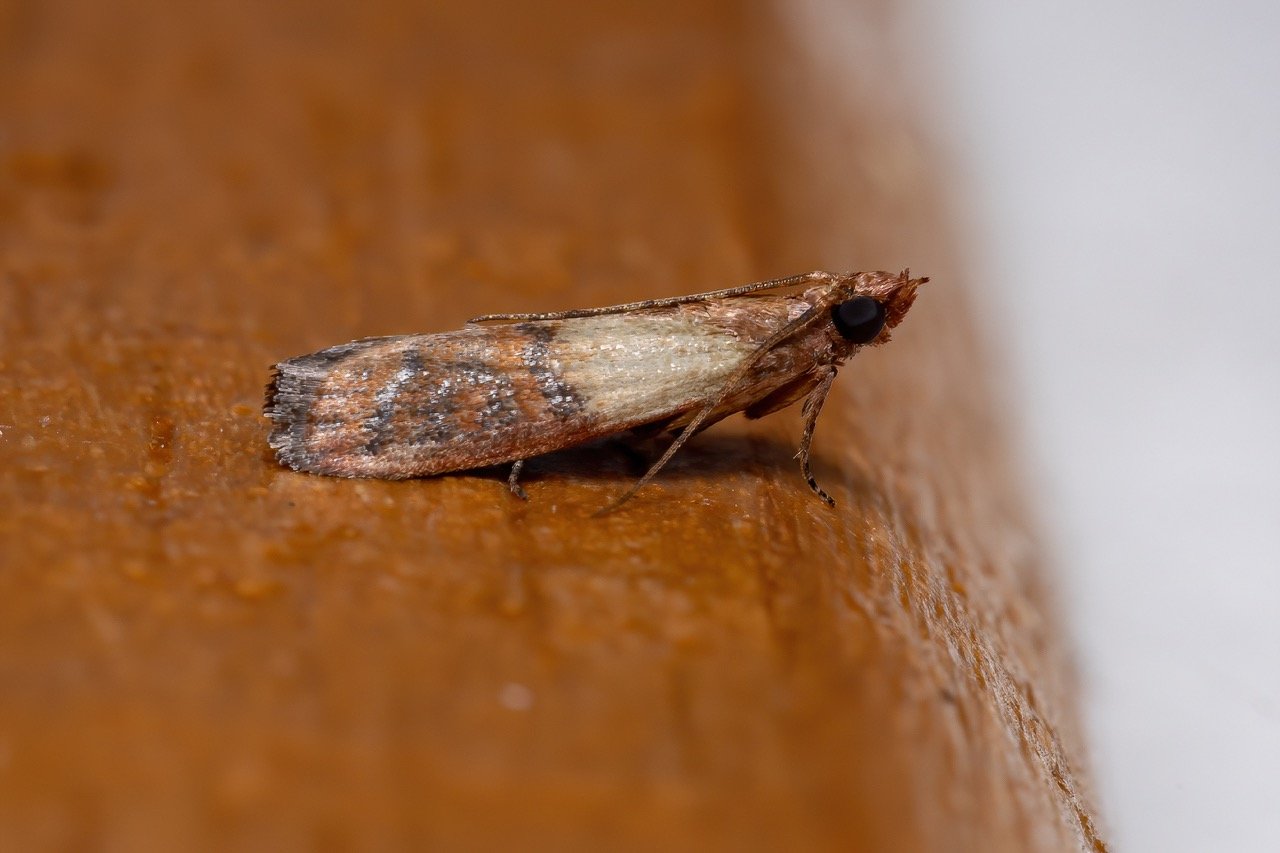
Other wood-destroying insects can also create debris around wooden materials, which makes accurate identification important.
If you aren’t sure whether you’re looking at termite droppings, sawdust, or evidence of another insect, avoid assuming based solely on an online photo.
A professional inspection can provide a more reliable answer.
Do All Termites Leave Visible Droppings?
No.
This is an important distinction.
Different termite species behave differently, and visible piles of frass are most commonly associated with drywood termites.
Subterranean termites, for example, live in environments connected to soil and don’t typically create the same visible piles of pellets that homeowners associate with drywood termite activity.
Instead, subterranean termite warning signs may include:
- Mud tubes.
- Damaged wood.
- Swarming activity.
- Discarded wings.
This means the absence of visible termite droppings does not mean a home is termite-free.
What Does It Mean If You Find Termite Droppings?
Finding suspected termite frass may indicate that drywood termites are—or have been—active in nearby wood.
However, droppings alone may not tell you:
- How extensive the infestation is.
- How long termites have been present.
- Whether the colony is currently active.
- How much wood has been affected.
- Whether additional areas are involved.
That’s why professional inspection is important.
A small pile on the floor may be the only visible evidence of activity occurring inside a much larger piece of wood.
Should You Clean Up Termite Droppings?
You can remove the debris, but it’s useful to document what you’ve found first.
Consider:
- Taking clear photos.
- Noting exactly where the pellets appeared.
- Keeping a small sample when practical.
- Monitoring whether the pile returns.
Simply vacuuming or sweeping away the droppings doesn’t address the termites that may be producing them.
If new pellets appear after the area has been cleaned, document that as well.
Recurring debris can provide useful information during a professional inspection.
Can You Find Termite Droppings in Furniture?
Yes.
Drywood termites can infest more than structural components of a house. Wooden furniture and other wooden items may also provide suitable material.
If you notice suspicious pellets beneath:
- Tables.
- Chairs.
- Cabinets.
- Shelving.
- Other wooden furniture.
inspect the item carefully for small openings or other signs of damage.
However, avoid aggressively breaking apart or disturbing the wood before an inspection, as this may make evaluating the activity more difficult.
What Other Signs Should You Look For?
If you’ve found suspected termite droppings, check the surrounding area for additional warning signs.
These may include:
Small Holes in Wood
Tiny openings may be associated with the removal of frass from termite galleries.
Hollow-Sounding Wood
Wood affected internally may sound different when gently tapped, although this alone isn’t enough to diagnose an infestation.
Discarded Wings
Termite swarmers shed their wings after leaving established colonies.
Small piles of wings near windows, doors, or other areas may indicate termite activity.
Swarming Insects
Winged termites emerging indoors are an important warning sign that deserves professional evaluation.
Visible Wood Damage
Damaged, weakened, or unusual wooden surfaces may warrant closer inspection.
Because termites frequently remain concealed, visible signs should be taken seriously even when the rest of the structure appears normal.
Why Are Termites a Concern in Florida?
Florida’s warm climate creates favorable conditions for several termite species.
Homeowners may encounter both drywood and subterranean termites, among others, and their behavior can differ significantly.
Termite activity can also be difficult to notice because much of it occurs:
- Inside wood.
- Behind walls.
- Beneath surfaces.
- Underground.
This makes routine awareness and professional inspections particularly valuable for Florida properties.
Waiting until substantial visible damage appears can allow termites additional time to affect wooden materials.
Can You Treat Termite Droppings Yourself?
Termite droppings aren’t the actual problem—they’re evidence of a potential problem.
Cleaning the pellets, spraying the surface, or sealing a visible hole doesn’t necessarily eliminate termites living inside the wood.
Effective termite management depends on factors such as:
- Termite species.
- Location of activity.
- Extent of the infestation.
- Type of structure.
- Areas affected.
A professional evaluation helps determine what treatment, if any, is appropriate.
Trying to treat only the visible evidence may leave the underlying colony untouched.
How Can You Help Prevent Termite Problems?
While no preventive measure can guarantee that termites will never appear, homeowners can reduce certain conditions that increase vulnerability.
Helpful habits include:
- Monitoring wooden areas for damage.
- Addressing moisture problems.
- Repairing leaks.
- Keeping exterior wood properly maintained.
- Avoiding unnecessary wood-to-soil contact where applicable.
- Scheduling termite inspections when suspicious signs appear.
Regularly paying attention to changes around windows, doors, baseboards, attics, and other wooden components can also help you notice potential problems sooner.
When Should You Schedule a Termite Inspection?
Consider scheduling a professional inspection if:
- You find unexplained pellet-like debris.
- The pellets return after cleaning.
- You discover small holes in wooden surfaces.
- You find discarded wings.
- You see winged insects indoors.
- Wooden areas appear damaged.
- You aren’t sure whether debris is frass or ordinary sawdust.
Termites are not a pest that homeowners should diagnose based only on a single photograph or internet description.
A professional can inspect the affected area and determine whether the evidence is consistent with termite activity.
Don’t Ignore Suspicious Termite Droppings
Finding a mysterious pile of tiny pellets doesn’t automatically confirm an active termite infestation, but it isn’t something you should simply sweep away and forget.
Termite droppings can provide an important clue about activity hidden inside wooden materials, particularly when the debris repeatedly appears in the same location.
Document what you’ve found, monitor the area, and have suspicious evidence professionally evaluated.
When termites are involved, identifying the problem early can help homeowners make informed decisions before hidden activity has more time to progress.
Contact 911 Home Helps Today
Found what looks like termite droppings around your windows, furniture, baseboards, or other wooden areas? 911 Home Helps can help determine whether termites may be responsible.