You haven’t seen any termites.
There are no insects crawling across the floor, no obvious damage around the walls, and nothing about your home immediately suggests an infestation.
So why would you need a termite inspection?
The answer comes down to how termites behave.
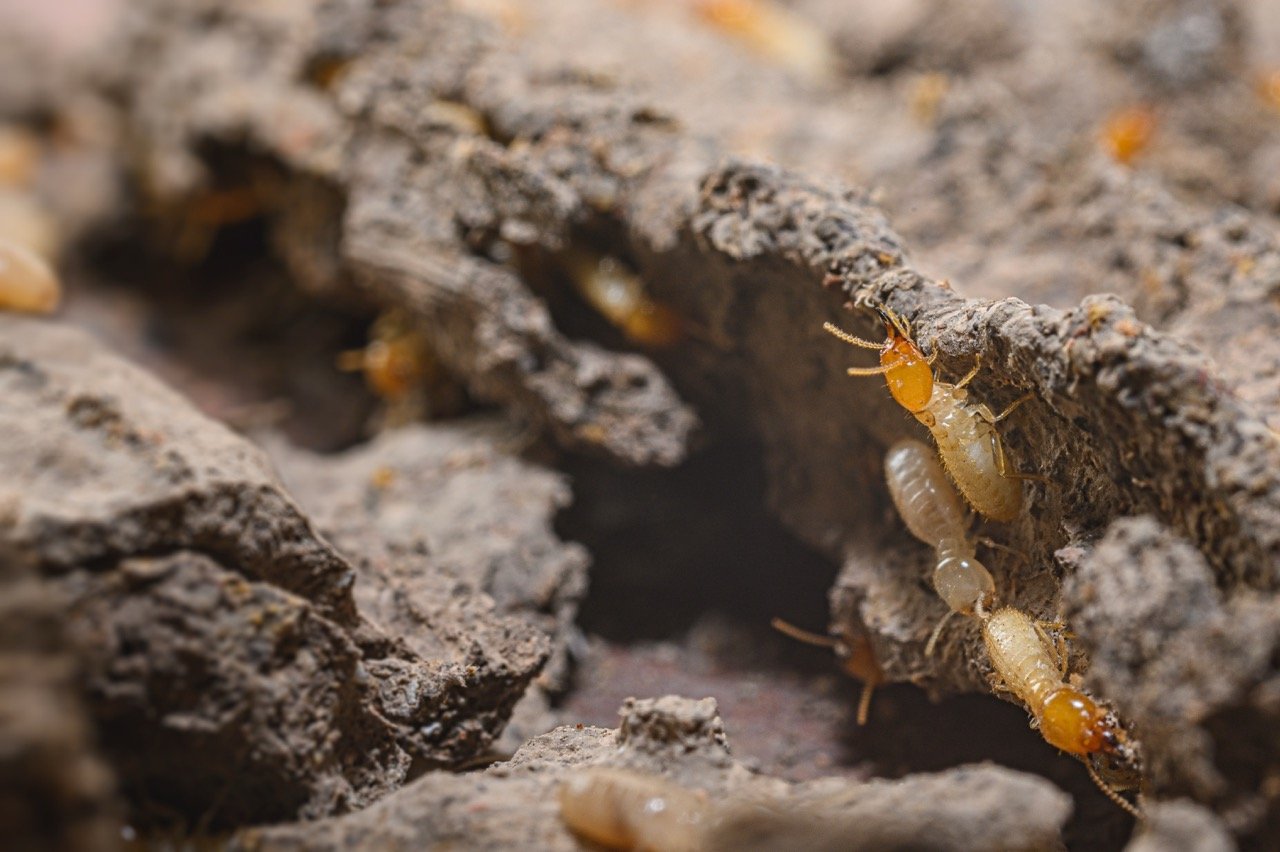
Unlike many household pests, termites can spend much of their time concealed. Depending on the species and location of the activity, they may be inside wooden materials, behind walls, around foundations, beneath flooring, or in other areas homeowners rarely inspect.
That means waiting until you physically see termites isn’t always the best way to determine whether a property has a problem.
For Florida homeowners, a professional termite inspection can provide valuable information even when there are no obvious insects in sight.
Can You Have Termites Without Seeing Them?
Yes.
In fact, one of the challenges with termites is that visible insects may not be the first warning sign.
Termites generally aren’t wandering around open rooms in the same way ants might cross your kitchen counter.
Much of their activity can remain hidden.
Depending on the type of termite, they may travel or feed:
- Inside wooden materials.
- Behind walls.
- Through protected pathways.
- Between soil and structural materials.
- Inside furniture.
- In other concealed locations.
As a result, homeowners may notice evidence of termites without ever seeing the insects themselves.
Why Are Termites So Difficult to Detect?
Termites need protected conditions.
Their behavior naturally keeps much of the colony away from everyday human activity.
Consider how rarely you inspect:
- Inside walls.
- Structural framing.
- Beneath flooring.
- Hidden wooden components.
- Inaccessible areas around the property.
A home can look completely normal on the surface while concealed pest activity develops elsewhere.
This is one reason professional inspection can be useful.
The objective isn’t simply to walk through the house looking for live termites. It’s to look for evidence and conditions associated with termite activity.
What Does a Termite Inspection Look For?
A professional termite inspection may evaluate accessible areas for several types of evidence.
Depending on the property and termite species, warning signs may include:
- Termite droppings.
- Discarded wings.
- Mud tubes.
- Swarmers.
- Small openings in wood.
- Suspicious wood damage.
- Conditions that may favor termite activity.
The inspector may also consider moisture, landscaping, wooden debris, and other environmental factors around the structure.
No single sign tells the entire story.
Instead, inspection involves looking at multiple clues to better understand what’s happening.
Termite Droppings Can Be Easy to Miss
Drywood termites can produce small pellet-like droppings known as frass.
These pellets may accumulate beneath small openings in infested wood.
The problem is that homeowners may mistake them for:
- Sawdust.
- Sand.
- Dirt.
- Dust.
- Ordinary household debris.
You may clean the pile without realizing what it represents.
If similar debris repeatedly appears in the same location, particularly beneath a wooden area, take a closer look.
Photograph it before cleaning and consider having it professionally identified.
Discarded Wings May Be the Only Evidence You Notice
Termite swarmers leave established colonies during reproductive events.
After landing, they shed their wings.
Homeowners may therefore discover wings around:
- Windows.
- Doors.
- Floors.
- Light sources.
- Window sills.
By the time you notice them, the swarm itself may already be over.
Don’t assume the absence of live insects means the evidence isn’t important.
Discarded wings can provide a useful clue that termite activity may be nearby.
What If You Saw Flying Insects but Aren’t Sure What They Were?
Flying ants and termite swarmers are commonly confused.
Both can suddenly appear in groups, and both have wings.
Some differences involve:
- Body shape.
- Antennae.
- Wing proportions.
However, identifying a small insect from a quick sighting isn’t always easy.
If you’ve found winged insects or discarded wings and can’t determine what they are, save a specimen or take clear photographs.
Professional identification can help determine whether additional termite evaluation is appropriate.
Mud Tubes Can Indicate Hidden Activity
Certain termites may create protected mud tubes between the soil and potential food sources.
These can sometimes be found around:
- Foundations.
- Exterior walls.
- Crawl spaces.
- Structural supports.
Homeowners who don’t routinely inspect these areas may never notice them.
A termite inspection can bring attention to locations that aren’t part of your normal household cleaning or maintenance routine.
Can Termites Damage Wood Without Obvious Surface Changes?
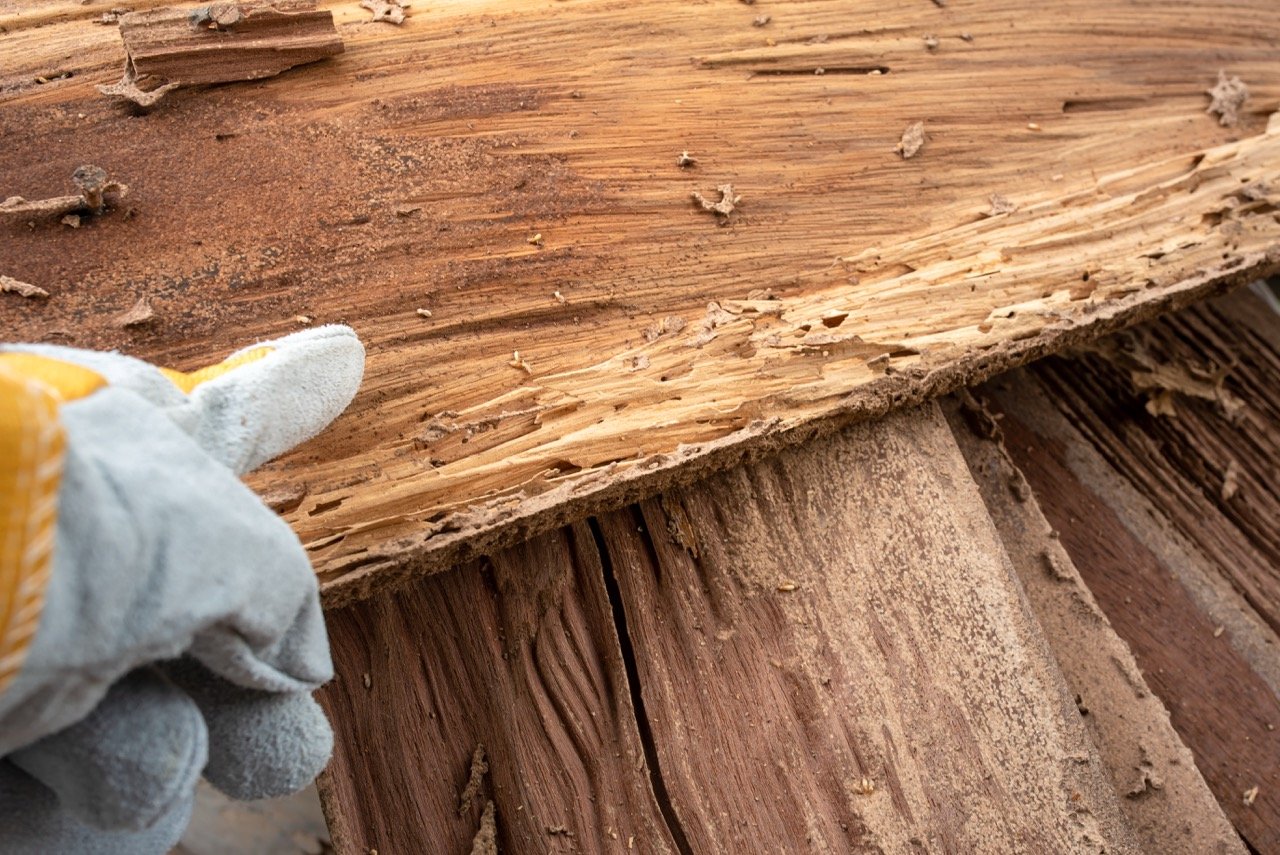
Termite activity can sometimes remain concealed within wooden materials.
The exterior may not immediately reveal what is happening inside.
Eventually, homeowners might notice:
- Changes in the appearance of wood.
- Small openings.
- Blistering or unusual surface changes.
- Hollow-sounding areas.
- Crumbling or weakened material.
However, these signs can have other causes as well.
Moisture, age, and other insects can also affect wood.
Professional evaluation helps distinguish suspicious termite evidence from unrelated property issues.
If My House Is Clean, Do I Still Need to Worry About Termites?
Yes, because termite activity isn’t primarily a cleanliness issue.
Keeping a clean home is an important part of general pest prevention, but termites are interested in cellulose-containing materials and favorable environmental conditions.
A well-maintained, spotless home can still experience termite activity.
This makes termites different from pest problems that are strongly influenced by exposed food or household sanitation.
Why Does Florida Require Extra Termite Awareness?
Florida’s climate can provide favorable environmental conditions for termite activity.
Warm temperatures and humidity are part of everyday life in the state, and homeowners may encounter different types of termites.
Properties also contain numerous potential cellulose sources, including wooden building materials and other items.
The surrounding environment matters too.
Conditions that deserve attention can include:
- Persistent moisture.
- Poor drainage.
- Wooden debris.
- Tree stumps.
- Wood stored near the home.
- Landscaping around the structure.
None of these conditions confirms an infestation.
They simply form part of the overall risk picture.
Do You Need a Termite Inspection After a Swarm?
If you find suspected termite swarmers or discarded wings, an inspection is a sensible next step.
A swarm can indicate an established termite colony somewhere in the surrounding environment.
If swarmers appear indoors or seem to be emerging from the structure, the situation deserves particular attention.
An inspection can help answer important questions:
- Were the insects actually termites?
- Is there other evidence around the property?
- Where might activity be located?
- What should happen next?
Simply killing the visible swarmers doesn’t answer those questions.
What If You Had Termites in the Past?
Previous termite activity is another reason to remain attentive.
Treatment of a previous infestation doesn’t mean homeowners should ignore all future termite evidence.
Properties and environmental conditions change.
New termite activity may occur, moisture problems can develop, and different areas of the structure can become vulnerable.
If your home has a known termite history, ongoing awareness and appropriate professional monitoring may be particularly useful.
What If You’re Buying a Home?
A termite inspection can also be valuable during the homebuying process.
A property may appear beautifully maintained while still containing evidence that isn’t obvious during a standard walkthrough.
Before purchasing, buyers may want to understand:
- Whether termite evidence is present.
- Whether previous activity is known.
- Whether treatment has been performed.
- Whether visible conditions may increase termite risk.
The exact inspections required or recommended during a real estate transaction can vary, so buyers should also coordinate with the appropriate real estate professionals.
The broader point is simple: don’t assume appearance alone tells you the property’s entire pest history.
Should You Inspect a Newly Built Home?
New doesn’t mean permanently protected from pests.
A newly built home still contains materials termites may investigate and exists within an environment where termite colonies can occur.
Construction can also change soil and landscaping conditions around a property.
New homeowners should establish good prevention habits early, including:
- Monitoring moisture.
- Maintaining drainage.
- Managing landscaping.
- Watching for swarmers.
- Investigating suspicious debris.
A new property may not currently have termite activity, but it isn’t automatically immune to future problems.
How Often Should You Get a Termite Inspection?
There isn’t one universal schedule that’s appropriate for every home.
Inspection frequency can depend on factors such as:
- Property history.
- Previous termite activity.
- Environmental conditions.
- Construction characteristics.
- Location.
- Professional recommendations.
Rather than relying on a generic timeline, ask a qualified pest control professional what makes sense for your particular property.
A home with a history of termite problems may require a different monitoring strategy from a property with no known previous activity.
Can You Perform a Termite Inspection Yourself?
Homeowners can certainly monitor their property for visible warning signs.
Regularly watch for:
- Wings.
- Frass.
- Mud tubes.
- Swarmers.
- Wood changes.
- Moisture problems.
This awareness is valuable.
However, a homeowner’s visual check isn’t necessarily equivalent to a professional termite inspection.
Professionals have experience identifying subtle evidence and distinguishing termite signs from other insects or property conditions.
DIY monitoring and professional inspection can therefore complement each other rather than being treated as interchangeable.
Should You Treat for Termites Just in Case?
Inspection and treatment aren’t the same thing.
The purpose of an inspection is to gather information.
Treatment decisions should be based on the type of termite activity, property conditions, and professional findings rather than assuming every home requires the same approach.
Different termite situations can require different management strategies.
Accurate identification comes first.
What Can You Do Between Inspections?
Homeowners can reduce some of the conditions associated with termite concerns.
Control Moisture
Repair plumbing leaks and investigate persistently damp areas.
Maintain Drainage
Avoid unnecessary moisture collecting around the structure.
Manage Wood and Debris
Monitor firewood, lumber, tree stumps, and unnecessary wooden materials around the property.
Watch Landscaping
Keep exterior areas maintained so structural surfaces remain easier to inspect.
Pay Attention After Swarms
Don’t ignore winged insects or piles of discarded wings.
Investigate Suspicious Debris
If unexplained pellets repeatedly appear beneath wood, document them and seek identification.
Prevention is largely about making the property easier to monitor and addressing favorable conditions where possible.
Does No Visible Evidence Mean No Termites?
Not necessarily.
This is perhaps the most important point for homeowners to understand.
A lack of visible termites simply means you haven’t seen termites.
It isn’t, by itself, confirmation that there is no hidden activity.
The same principle applies to many pests, but it’s particularly relevant to termites because of how much of their activity can occur inside concealed areas.
That’s why waiting for obvious damage isn’t an ideal detection strategy.
When Is a Termite Inspection Worth Considering?
A professional inspection may be appropriate if:
- You’ve found suspected termite droppings.
- You’ve seen swarmers.
- Discarded wings appear indoors.
- You notice suspicious mud tubes.
- Wood appears damaged or unusual.
- The property previously had termites.
- You’re purchasing a home.
- You’re unsure about suspicious insect activity.
- You want professional evaluation of your property’s termite risk.
You don’t need to wait until live termites are walking in front of you.
Early Awareness Matters
Termites can be difficult to detect precisely because they don’t always make their presence obvious.
A professional termite inspection gives homeowners an opportunity to look beyond visible insects and evaluate the evidence, environmental conditions, and accessible areas of the property.
That doesn’t mean every inspection will uncover termites.
And it doesn’t mean every home needs treatment.
The value is in knowing more about what’s happening before obvious damage becomes the reason you start investigating.
For Florida homeowners, staying aware of termite warning signs and responding to suspicious activity can be an important part of long-term property maintenance.
Contact 911 Home Helps Today
Concerned about termites even though you haven’t seen any live insects? 911 Home Helps can inspect your Florida property for signs of termite activity and help determine whether additional action may be needed.