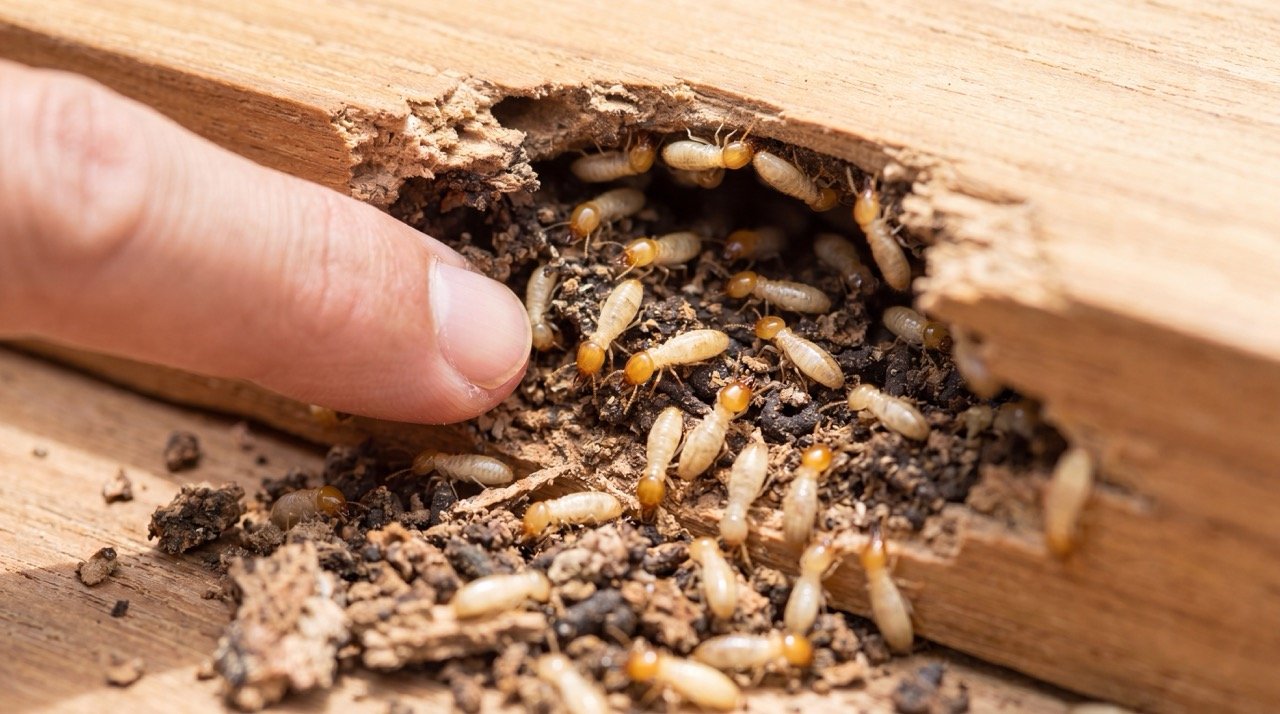
When homeowners think about termite damage, they often picture wooden beams, floors, or other structural components. But termites aren’t limited to those areas.
Wooden furniture can also be affected.
If you’ve noticed tiny pellets beneath a dresser, small openings in a wooden chair, or unusual damage around a cabinet, you may be wondering whether you’re dealing with termites in furniture.
The answer depends on the type of termite, the material involved, and the evidence present. Some termites can establish colonies directly within wooden items, while others may reach furniture through their existing foraging routes.
For Florida homeowners, recognizing suspicious signs early can help prevent an overlooked furniture problem from going uninvestigated.
Can Termites Really Live Inside Furniture?
Yes. Certain termites can infest wooden furniture.
Drywood termites are particularly relevant because they can establish colonies within wood without requiring direct contact with soil.
That means a wooden item may contain termite activity even when it is located above ground level.
Subterranean termites can also damage wooden materials, although their nesting and moisture requirements differ.
The important distinction is that furniture damage alone doesn’t identify the termite species.
A professional inspection can help determine whether termites are involved and which type is responsible.
What Types of Furniture Can Termites Damage?
Termites feed on cellulose, a component of wood and other plant-based materials.
Depending on the item and conditions, potentially affected furniture may include:
-
Wooden dressers.
-
Cabinets.
-
Tables.
-
Chairs.
-
Bed frames.
-
Bookshelves.
-
Desks.
-
Antique wooden furniture.
However, not every piece of furniture is equally vulnerable.
Materials, construction, finishes, and the termite species involved can influence whether an item becomes infested.
A wooden surface that looks intact from the outside may also conceal damage within.
What Are the Signs of Termites in Furniture?
Termite activity isn’t always immediately visible.
In some cases, homeowners notice small changes long before they see an insect.
The following signs deserve attention, especially when several appear around the same wooden item.
1. Small Piles of Pellets Beneath Furniture
Drywood termites produce small, hard fecal pellets, commonly called frass.
These pellets may be expelled through tiny openings in infested wood and accumulate beneath the affected area.
You might notice a small pile under a dresser, beside a table leg, or near a cabinet.
Because the pellets can resemble ordinary debris, they are easy to overlook.
If you find a recurring pile, photograph it before cleaning.
2. Tiny Openings in Wooden Surfaces
Small openings may appear in wood affected by certain insects.
Drywood termites can use openings to expel fecal pellets.
However, not every hole in furniture is caused by termites. Other wood-damaging insects may leave similar-looking evidence.
Identification should consider the opening, surrounding material, and any insects or pellets present.
3. Discarded Wings
Termite swarmers shed their wings after flight.
Finding a collection of similar-looking wings near furniture, windows, or other indoor areas can be a reason to investigate.
The wings alone may not reveal where the colony is located.
Preserve a specimen or photograph the evidence if possible.
4. Unusual Wood Damage
Wooden furniture may show changes such as damaged edges, weakened components, or areas that appear hollow.
These observations are not exclusive to termites.
Age, moisture, wear, and other insects can also affect wood.
A professional can help distinguish termite activity from other causes.
5. Visible Termites
Sometimes homeowners discover insects while moving or inspecting furniture.
If you suspect termites, avoid relying only on color or size to identify them.
Different termite species and colony members can look different, and some ants are easily confused with termite swarmers.
A clear photograph or preserved specimen may help with identification.
Why Are Drywood Termites Associated With Furniture?
Drywood termites can establish colonies inside suitable wood.
Unlike subterranean termites, they don’t need to maintain a direct connection to soil.
This allows them to infest certain wooden items independently of a ground-level foraging route.
Their activity can remain concealed because the colony occupies spaces within the material.
A homeowner may therefore discover pellets beneath a piece of furniture without seeing termites on its surface.
This is one reason recurring frass should not be dismissed as ordinary dust.
Can Subterranean Termites Damage Furniture Too?
Yes, under suitable conditions.
Subterranean termites typically maintain soil-connected activity and access to moisture, but they can forage into wooden materials within a structure.
Furniture located along an accessible route may become affected.
However, finding damage in a wooden item does not automatically mean subterranean termites are involved.
The surrounding evidence—including possible mud tubes, the location of the item, and structural conditions—helps guide identification.
Can Termites Spread From Furniture to Your House?
An infested wooden item can introduce termite activity into a property, particularly when drywood termites are present within the wood.
However, the outcome depends on the species, colony, and surrounding conditions.
You should not assume that every infested chair will lead to a structural infestation, but you also shouldn’t ignore confirmed termite activity in an item brought indoors.
If you suspect that a piece of furniture contains termites, arrange for professional identification before moving it throughout the home or attempting treatment.
Can Used Furniture Bring Termites Into a Home?
Potentially, yes.
Secondhand and antique wooden furniture may contain concealed insect activity.
This doesn’t mean homeowners need to avoid used furniture altogether.
It means a careful inspection is worthwhile before bringing a wooden item into the house.
Look for pellets, suspicious openings, discarded wings, visible insects, and unusual damage.
Pay particular attention to undersides, joints, drawers, and other less visible areas.
If an item shows concerning evidence, have it evaluated before introducing it into your living space.
Can Termites Hide in Furniture Without Visible Damage?
Yes.
Termites may remain concealed inside wooden materials, and the exterior can appear relatively normal while activity develops within.
This is why the absence of obvious surface damage doesn’t guarantee that an item is free from termites.
At the same time, homeowners shouldn’t assume that every older piece of wood contains an infestation.
An inspection is particularly useful when there is recurring frass, discarded wings, or other suspicious evidence.
Are Termite Droppings the Same as Sawdust?
No.
Drywood termite frass consists of fecal pellets. Sawdust is made up of wood particles.
To an untrained eye, both may look like small piles of debris beneath furniture.
Other wood-damaging insects can also produce material that resembles sawdust.
If you discover an unexplained pile, avoid making a diagnosis based only on its color.
Photograph the material and the wooden surface above it so a professional can examine the evidence.
Should You Throw Away Furniture With Termites?
Not automatically.
Whether an affected item can be retained depends on factors such as the termite species, the extent of damage, the furniture’s construction, and the available treatment options.
A professional inspection can help determine the appropriate next step.
Some items may be suitable for treatment, while severely damaged furniture may no longer be practical or safe to use.
If a chair, bed frame, or other load-bearing furniture component appears weakened, stop using it until its condition has been evaluated.
Can You Treat Termites in Furniture Yourself?
Homeowners should be cautious about applying products to suspected termite activity without first identifying the pest.
A surface application may not reach termites concealed inside wood, and products intended for one situation may not be appropriate for another.
Follow all pesticide label directions and avoid applying products to furniture in ways not permitted by the label.
Professional identification helps determine whether the problem involves drywood termites, subterranean termites, or another wood-damaging insect.
It also helps establish whether treatment should focus on the individual item, other areas of the property, or both.
What Should You Do If You Suspect Termites in Furniture?
Start by documenting the evidence.
Take photographs of the furniture, any pellets or wings, and the areas where you noticed activity.
If you find insects, a specimen may help with identification.
Avoid disturbing the item unnecessarily or moving it between rooms while the situation is being evaluated.
Then schedule a termite inspection.
A professional can examine the evidence, identify the likely pest, assess the affected material, and recommend appropriate next steps.
How Can Florida Homeowners Protect Wooden Furniture?
There is no single maintenance habit that guarantees furniture will remain termite-free.
However, a few practical steps can help homeowners recognize problems sooner.
Inspect Secondhand Wooden Items
Check furniture carefully before bringing it indoors, particularly around joints, undersides, and concealed surfaces.
Watch for Recurring Pellets
If small piles repeatedly appear beneath the same item, document the location and arrange for identification.
Address Moisture Problems
Repair leaks and investigate persistent dampness around wooden materials. Moisture management supports broader property maintenance, although drywood termites do not require soil contact.
Keep Inspection Records
Retain information about previous termite activity and treatments. This history may help a professional evaluate new evidence.
Schedule an Inspection When Signs Appear
Don’t wait for visible structural damage before investigating suspicious termite evidence.
When Is a Professional Termite Inspection Necessary?
Consider an inspection if you discover recurring pellets, discarded wings, visible termites, or unexplained damage in wooden furniture.
Professional evaluation is also worthwhile if you suspect an infested item was recently brought into the property.
An inspection can help answer several important questions: Are termites actually present? Which type is involved? Is activity limited to the furniture, or is there evidence elsewhere in the home?
Those answers should guide the management plan.
Don’t Overlook the Furniture in Your Home
Finding termites in furniture can be surprising, especially when the item appears normal from the outside.
Drywood termites can establish activity within wood, while subterranean termites may reach wooden materials through their foraging routes.
Because other insects and ordinary deterioration can create similar warning signs, accurate identification matters.
Pay attention to recurring pellets, discarded wings, unusual openings, and changes in wooden components. If something looks suspicious, document it and arrange for a professional inspection rather than relying on guesswork.
Contact 911 Home Helps Today
Have you noticed termite pellets, discarded wings, or suspicious damage around wooden furniture in your Florida home? 911 Home Helps can inspect your property, identify signs of termite activity, and recommend an appropriate termite control strategy based on the findings.