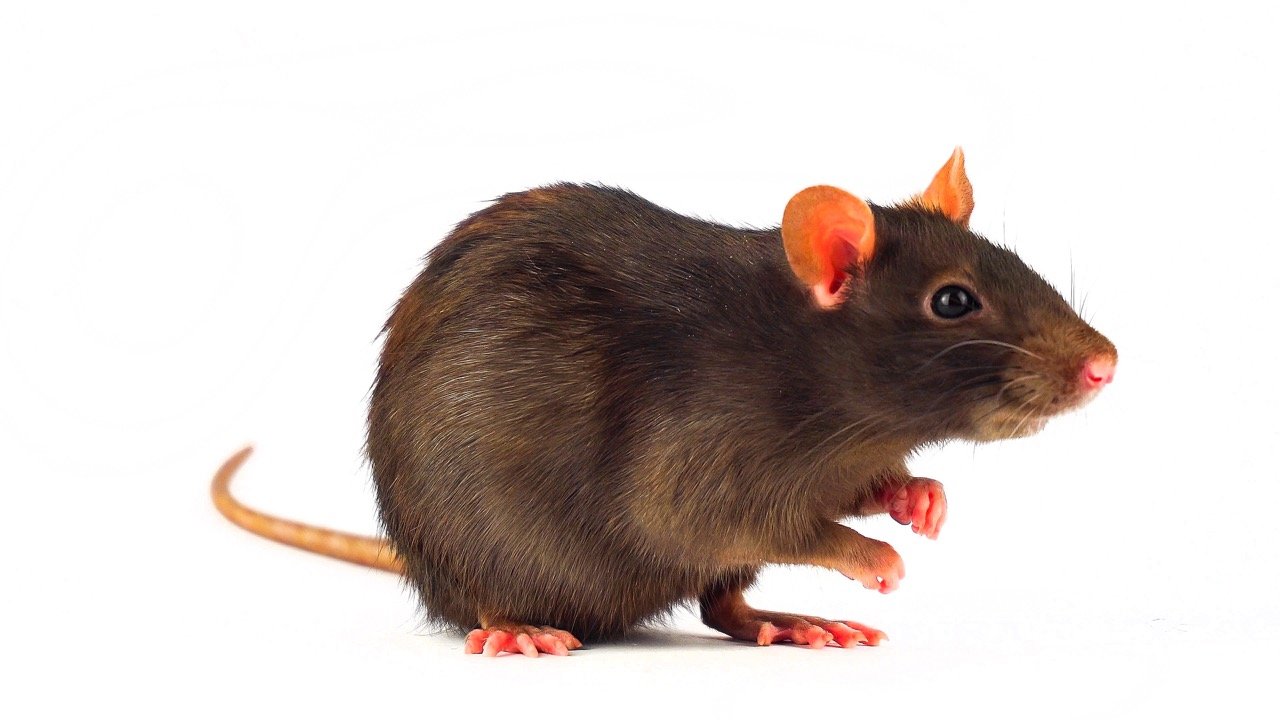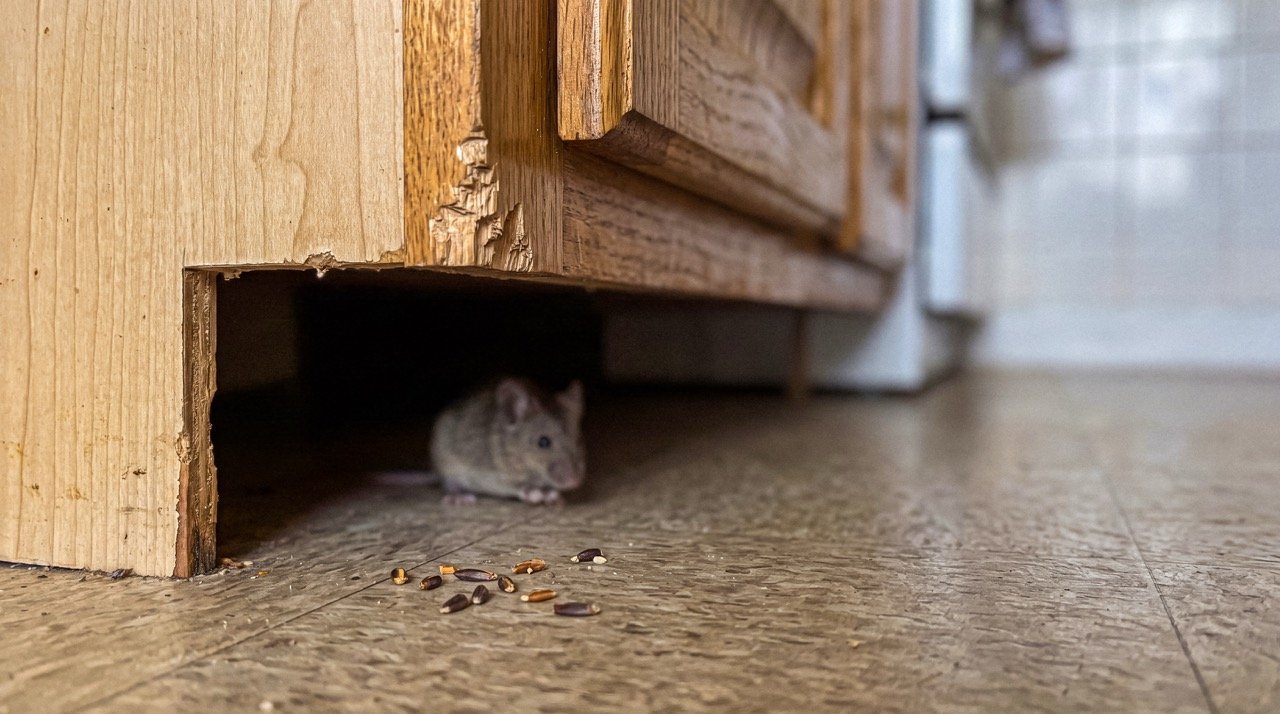
When rats or mice appear around a property, homeowners often focus on one question: How did they get inside?
That’s important, but there’s another question worth asking first: Why did they come to the property in the first place?
Rodents are constantly searching for the same basic resources every animal needs—food, water, and shelter. A residential yard can unintentionally provide all three.
Garbage, pet food, bird seed, fruit trees, dense vegetation, clutter, water sources, and protected storage areas can all make a property more attractive to rodents. Once rats or mice begin spending time around the yard, structural openings may give them an opportunity to move closer to—or inside—the home.
Understanding what attracts rodents is therefore an important part of long-term prevention.
Why Do Rodents Come to Residential Properties?
Rodents aren’t necessarily attracted to a home because it is dirty or poorly maintained.
They are looking for resources.
A property may provide:
- Reliable food.
- Accessible water.
- Protected nesting areas.
- Vegetation.
- Warm shelter.
- Structural entry points.
Even well-maintained homes can have some of these conditions.
The goal of prevention isn’t to create an environment where wildlife never approaches. Instead, it’s to reduce the resources and opportunities that encourage rodents to remain close to the structure.
Garbage Is a Major Food Source
Household garbage can contain everything a rat or mouse needs for a meal.
Food scraps, packaging, leftovers, and other organic waste can create strong odors that rodents may investigate.
Outdoor garbage areas deserve particular attention.
Make sure:
- Trash containers close properly.
- Bags aren’t regularly left exposed.
- Spills are cleaned.
- Food waste isn’t accumulating around bins.
If a garbage container is damaged or can’t close securely, replacing it may reduce easy access to food.
Pet Food Can Attract Rodents
Pet food is still food—and rodents don’t care who it was originally intended for.
Leaving pet food outdoors can create a consistent feeding opportunity.
Indoor storage matters too.
Large bags of dog or cat food are frequently kept in garages, pantries, or utility rooms. If rodents gain access to those spaces, loosely sealed bags may be easy targets.
Consider storing pet food securely and cleaning up spilled pieces.
Avoid leaving unnecessary food outside overnight when practical.
Bird Feeders Can Become Rodent Feeders
Bird feeders are another overlooked food source.
The feeder itself may be elevated, but seeds often fall onto the ground.
That spilled seed can attract:
- Rats.
- Mice.
- Other wildlife.
You don’t necessarily have to remove your bird feeder.
Instead:
- Clean beneath it.
- Avoid allowing large amounts of seed to accumulate.
- Store extra bird food securely.
- Monitor the surrounding area for rodent evidence.
If you begin finding droppings or noticing nighttime activity around the feeder, it may be contributing to the problem.
Fruit Trees Can Provide Easy Meals
Florida properties may have fruit-producing trees and plants.
Fallen fruit can become an easy food source when it remains on the ground.
Regularly collect fruit that has dropped, particularly when it begins accumulating beneath trees.
The same principle applies to vegetable gardens and other edible landscaping.
You can still enjoy your garden—the goal is simply to avoid providing rodents with a constant supply of unattended food.
Outdoor Cooking Areas Need Attention
Patios, grills, and outdoor kitchens can also provide food residue.
After entertaining or cooking outside, clean:
- Food scraps.
- Grease.
- Spills.
- Dirty dishes.
- Pet food.
A few crumbs may seem insignificant, but repeated access to food can encourage rodents to keep exploring the same area.
Compost Can Attract Rodents
Composting can be useful, but poorly managed compost may attract pests.
Food scraps and organic materials can become accessible feeding sources.
If you compost at home, use an appropriate system and manage it carefully.
Avoid allowing loose food waste to accumulate openly near the structure.
What Water Sources Attract Rodents?
Food isn’t the only attraction.
Rodents also need water.
Potential sources around residential properties include:
- Leaking outdoor faucets.
- Pet water bowls.
- Irrigation.
- Poor drainage.
- Containers holding water.
- Plumbing leaks.
- Other persistent moisture.
A small amount of water may be enough to support regular rodent activity.
Inspect your property for leaks and unnecessarily wet areas, particularly near locations where you’ve noticed droppings or other signs.
Does Standing Water Attract Rats and Mice?
Standing water can contribute to an environment where rodents have access to water, but the context matters.
A bucket that repeatedly fills with rainwater, a leaking outdoor fixture, or a poorly draining area may provide a reliable source.
Standing water can also contribute to mosquito problems, giving homeowners another reason to address it.
After rainfall, walk around your property and empty unnecessary containers when practical.
Dense Landscaping Can Provide Shelter
Rodents don’t only visit properties to eat.
They also need places where they can move and hide with less exposure.
Dense shrubs and overgrown vegetation can create protected areas around a home.
Vegetation directly against exterior walls may also make it harder for homeowners to inspect the structure.
Regular landscaping maintenance can:
- Reduce hiding areas.
- Improve visibility.
- Make droppings easier to notice.
- Reduce direct pathways toward the home.
You don’t need an empty yard. You simply want landscaping that can be properly maintained and monitored.
Tree Branches Can Provide Access to the Roof
Some rodents are capable climbers.
Tree branches extending close to a roof can help them approach:
- Eaves.
- Soffits.
- Roof vents.
- Attic areas.
Once near the roofline, an existing structural opening may provide access inside.
Maintaining appropriate separation between trees and the structure can therefore be an important part of rodent prevention.
Yard Debris Creates Hiding Places
Piles of debris can provide shelter close to the house.
Examples include:
- Fallen branches.
- Leaves.
- Unused landscaping materials.
- Old equipment.
- General outdoor clutter.
These areas can make rodents feel protected while they explore the property.
Keeping the yard organized also makes it easier to identify signs of activity.
Wood Piles Can Shelter Rodents
Firewood and lumber can create protected spaces where rats, mice, and other pests may hide.
Avoid allowing wood piles to become undisturbed shelter directly against exterior walls when possible.
Keep stored wood organized and monitor the surrounding area.
If you find droppings, nesting materials, or gnaw marks nearby, investigate further.
Cluttered Garages Can Be Particularly Attractive
A garage may provide the perfect transition between the yard and the interior of the home.
Rodents entering a garage can find:
- Cardboard boxes.
- Pet food.
- Bird seed.
- Stored snacks.
- Clutter.
- Dark corners.
- Water.
Garages also have large exterior doors that can develop gaps along their edges.
Keeping the garage organized and inspecting the door seals can reduce both attraction and access.
Does Cardboard Attract Rodents?
Cardboard isn’t necessarily attracting rodents from outside because they want to eat your moving boxes.
However, cardboard can provide hiding and nesting opportunities.
Rodents may shred paper and cardboard materials for nests.
Large stacks of boxes also create protected spaces that are difficult to inspect.
For long-term storage, organized, durable containers can make pest monitoring easier.
Can Your Neighbor’s Property Attract Rodents?
Yes.
Rats and mice don’t recognize property boundaries.
Even if your own yard is well maintained, nearby food, shelter, vegetation, or garbage may support rodent populations.
You can’t control every surrounding property.
What you can control is how easily rodents can find resources and enter your home once they reach your yard.
This is why structural exclusion remains important even when the original attraction isn’t located on your property.
Why Do Rodents Come Inside After Finding Your Yard?
Once rodents regularly visit a yard, the house can offer an even better shelter opportunity.
Homes provide protection from:
- Weather.
- Predators.
- Outdoor disturbances.
Attics, garages, wall voids, and storage areas may provide quiet nesting environments.
If openings exist around the structure, rodents may eventually explore them.
Potential entry areas include:
- Garage doors.
- Rooflines.
- Vents.
- Utility penetrations.
- Exterior doors.
- Structural gaps.
Reducing attractants and addressing access points work together.
Doing only one leaves part of the problem unresolved.
Are Rodents Attracted to Dirty Homes?
Not necessarily.
A clean home can still experience rodents.
Even if your kitchen is spotless, rats or mice may be attracted by:
- Outdoor garbage.
- Pet food.
- Bird seed.
- Fruit.
- Landscaping.
- Water.
- Structural shelter.
Cleanliness is useful for pest prevention, but it doesn’t replace exterior maintenance and exclusion.
Rodent problems should not automatically be interpreted as a housekeeping failure.
What Are the Signs Rodents Are Visiting Your Yard?
Rodent activity isn’t always obvious.
Possible signs include:
- Droppings.
- Gnaw marks.
- Burrows or suspicious ground openings.
- Damaged food containers.
- Disturbed garbage.
- Nesting materials.
- Noises around structures.
- Nighttime sightings.
Pay particular attention to areas near food and shelter sources.
If signs repeatedly appear around the same location, try to identify what makes that area attractive.
What If Rodents Are Already Inside?
Removing outdoor attractants is still useful, but it won’t necessarily solve an established indoor problem.
If rats or mice have already entered the home, you need to consider:
- Where they’re nesting.
- How they’re entering.
- Which food and water sources they’re using.
- How current activity will be addressed.
- How future entry will be prevented.
Trapping an individual rodent without addressing entry points can leave the property vulnerable to additional animals.
How Can You Make Your Property Less Attractive to Rodents?
Start with the basics:
- Secure garbage.
- Store pet food properly.
- Clean spilled bird seed.
- Collect fallen fruit.
- Manage outdoor food residue.
- Repair water leaks.
- Reduce unnecessary standing water.
- Maintain vegetation.
- Remove yard debris.
- Organize garages.
- Monitor wood piles.
- Inspect structural openings.
None of these actions alone guarantees that rodents will stay away.
Together, however, they reduce the resources that encourage rats and mice to remain around the property.
Prevention Requires Both Attraction Control and Exclusion
Understanding what attracts rodents is only half of the prevention strategy.
Imagine removing every accessible food source while leaving a large opening into the attic.
A rodent may still use the home for shelter.
Now imagine sealing one entry point while leaving abundant food and water throughout the yard.
Rodents may continue visiting and searching for another way inside.
Effective rodent prevention considers both sides:
Why are rodents approaching the property?
And:
How could they get inside once they’re here?
Addressing both questions creates a much stronger prevention strategy.
When Should You Call a Pest Control Professional?
Professional assistance may be appropriate when:
- Rodent signs continue despite removing attractants.
- You find droppings inside.
- You hear scratching in walls or the attic.
- Rodents are repeatedly seen around the property.
- You can’t identify their entry points.
- Trapping hasn’t solved the problem.
- You suspect an established nest.
A professional inspection can help distinguish occasional outdoor activity from a larger rodent problem and identify conditions that may be contributing to it.
Make Your Home Less Inviting to Rats and Mice
If you’re wondering what attracts rodents, start by looking at your property through their perspective.
Where is the food?
Where is the water?
Where can they hide?
And where could they enter?
Garbage, pet food, bird seed, fruit, vegetation, water sources, clutter, and protected storage areas can all contribute to rodent activity.
Reducing these attractions—while also inspecting the structure for potential entry points—can make your home significantly less inviting.
Contact 911 Home Helps Today
Seeing signs of rats or mice around your Florida property? 911 Home Helps can inspect your home for rodent activity, identify potential attractants and entry points, and recommend an appropriate strategy for rodent control and prevention.