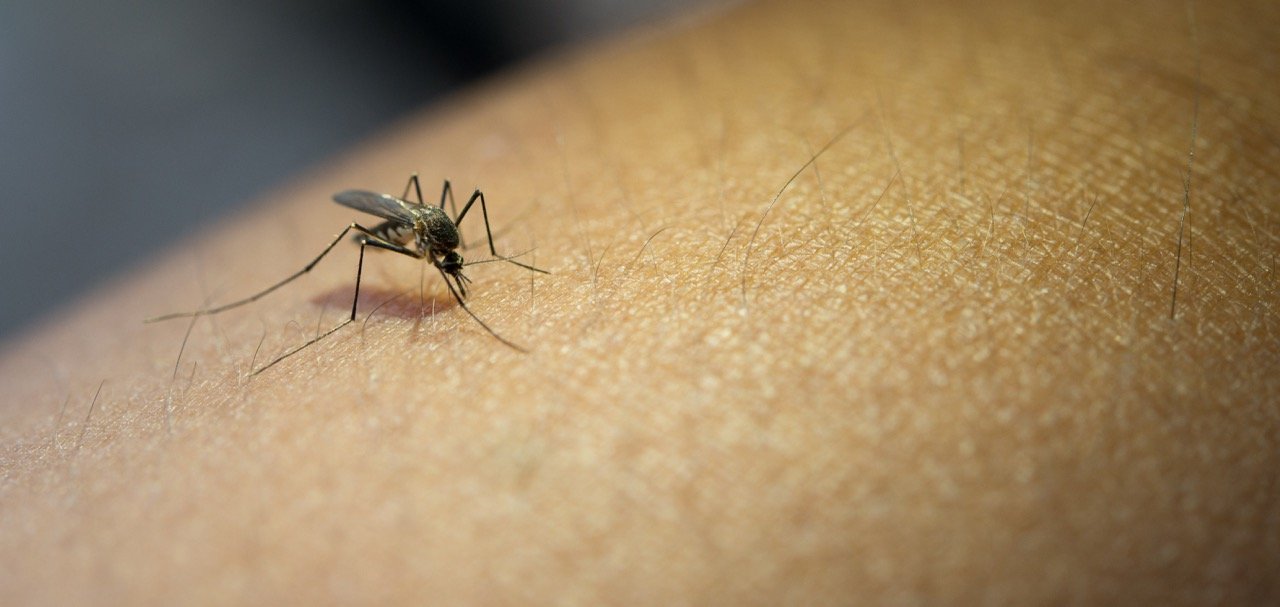
If you’ve ever stepped outside in Florida and immediately started swatting mosquitoes away, you’ve probably wondered whether there is a particular time when these insects are most active.
The short answer is yes—but it depends on the mosquito species.
Many mosquitoes are especially active around dawn and dusk, when temperatures are often lower and conditions are less harsh. However, some species can remain active during the daytime, which means Florida homeowners may encounter mosquitoes at almost any hour when environmental conditions are favorable.
So, when are mosquitoes most active, and what does that mean for your backyard?
Understanding mosquito behavior can help you plan outdoor activities, identify problem areas around your property, and take practical steps to reduce mosquito activity.
When Are Mosquitoes Most Active During the Day?
There isn’t one universal mosquito schedule.
Different mosquito species have different activity patterns.
Some are more likely to search for hosts during:
- Early morning.
- Late afternoon.
- Dusk.
- Evening.
Others can be active during daylight hours.
This is why avoiding your yard at one specific time isn’t enough to completely avoid mosquitoes.
Environmental conditions also matter. Temperature, shade, humidity, wind, rainfall, and available resting areas can all influence mosquito activity.
Why Are Mosquitoes Common Around Dawn and Dusk?
For many mosquito species, dawn and dusk provide favorable conditions.
Florida afternoons can be hot and exposed to intense sunlight. Around sunrise and sunset, temperatures may become more moderate.
These periods can also provide:
- Higher relative humidity.
- Less direct sunlight.
- Reduced heat exposure.
- Favorable conditions for movement.
As a result, homeowners often notice a significant increase in mosquito activity while sitting outside in the early morning or enjoying a patio in the evening.
Are Mosquitoes Active During the Day?
Yes.
One common misconception is that mosquitoes only come out at night.
Some species are active during daylight hours and may readily approach people during the day.
This means you may encounter mosquitoes while:
- Gardening.
- Walking around the yard.
- Using the pool.
- Working outdoors.
- Sitting on a shaded patio.
- Playing outside with children.
If you’re regularly being bitten during daylight hours, don’t automatically assume the insects couldn’t be mosquitoes.
Why Are There Mosquitoes in My Yard All Day?
If mosquito activity seems constant around your property, your yard may provide conditions that allow them to remain nearby.
Mosquitoes don’t spend every moment flying around looking for people.
They also rest.
During hot or bright parts of the day, some mosquitoes may seek protected areas such as:
- Dense shrubs.
- Tall grass.
- Shaded vegetation.
- Areas beneath decks.
- Covered patios.
- Other cool, protected locations.
A heavily landscaped yard can therefore provide both resting areas and potential breeding locations.
When people enter these areas, mosquitoes may become active even outside their typical peak periods.
Shade Can Make a Big Difference
Compare an open area exposed to direct Florida sunlight with a dense, shaded corner surrounded by vegetation.
The conditions can be very different.
Shaded environments may remain:
- Cooler.
- More humid.
- Less exposed to sunlight.
- Protected from wind.
These conditions can make certain areas of a property more comfortable for resting mosquitoes.
If one part of your yard consistently has more mosquito activity than another, inspect the landscaping and shade conditions.
Does Weather Affect When Mosquitoes Are Active?
Absolutely.
Mosquito behavior isn’t controlled by the clock alone.
Weather can influence when and where you encounter them.
Temperature
Extremely hot conditions may reduce activity for some mosquitoes during exposed periods.
Humidity
Mosquitoes generally benefit from humid environments, something Florida provides in abundance.
Wind
Mosquitoes are relatively small flying insects, so stronger air movement can make flight more difficult.
Rain
Rain can create new water sources around properties. After rainfall, water may accumulate in containers and other locations, creating potential breeding opportunities.
The combination of these factors means mosquito activity can change from one day to another.
Why Do Mosquitoes Seem Worse After Rain?
Rain can transform a property.
Water may collect in places homeowners don’t immediately notice, including:
- Plant saucers.
- Gutters.
- Buckets.
- Toys.
- Tarps.
- Furniture covers.
- Trash containers.
- Low areas around the yard.
These small collections of water may create breeding opportunities for mosquitoes.
Rain can also increase overall moisture and humidity around vegetation.
If mosquito activity increases after wet weather, inspect the property carefully for water rather than checking only obvious areas.
What Time Should You Check Your Yard for Mosquitoes?
There isn’t a required time, but inspecting the yard when mosquitoes are noticeably active can help you identify problem areas.
Walk around your property and pay attention to where activity increases.
Is it near:
- Dense shrubs?
- A shaded patio?
- Potted plants?
- A drainage area?
- The pool equipment?
- Outdoor containers?
Then inspect those locations for both standing water and protected resting areas.
Mosquito control is often more effective when you understand why a specific part of the property has high activity.
Where Do Mosquitoes Go During the Hottest Part of the Day?
Mosquitoes don’t necessarily disappear when activity decreases.
Some may simply move into protected environments.
Common resting areas can include:
- Beneath leaves.
- Inside thick vegetation.
- Shaded structures.
- Cool corners around the property.
- Protected outdoor spaces.
This is one reason simply looking for standing water may not explain all of the mosquito activity around your home.
Water is important for mosquito reproduction, while vegetation and shade can provide places for adult mosquitoes to rest.
Both should be considered.
Can Landscaping Increase Mosquito Activity?
Yes, certain landscaping conditions can contribute to a mosquito-friendly environment.
This doesn’t mean homeowners need to remove attractive plants or eliminate their gardens.
Instead, focus on maintenance.
Overgrown vegetation can create shaded, humid areas that mosquitoes may use during the day.
Helpful practices include:
- Trimming excessive growth.
- Removing unnecessary yard debris.
- Maintaining grass.
- Checking dense vegetation.
- Avoiding excessive irrigation.
- Inspecting planters for standing water.
A well-maintained yard is easier to monitor for mosquito activity.
What About Mosquitoes Around the Pool?
Having mosquitoes near a swimming pool doesn’t necessarily mean the pool itself is producing them.
A properly maintained swimming pool is very different from stagnant water sitting unnoticed in a small container.
Look around the surrounding pool area.
Potential water sources may include:
- Pool toys.
- Covers.
- Planters.
- Outdoor furniture.
- Buckets.
- Drainage areas.
Mosquitoes may also rest in landscaping surrounding the pool.
Evaluate the entire outdoor environment rather than assuming the main body of pool water is responsible.
Can Mosquitoes Come From a Neighbor’s Property?
Yes.
Mosquitoes don’t recognize property lines.
Even if you’ve carefully eliminated standing water around your own home, adult mosquitoes can move from nearby areas.
Possible sources may include:
- Neighboring yards.
- Community landscaping.
- Drainage areas.
- Nearby vegetation.
- Other water-holding environments.
This is one reason homeowners sometimes experience mosquitoes despite maintaining their own property carefully.
Reducing favorable conditions at home can still help, but it can’t control every factor in the surrounding environment.
How Can You Reduce Mosquito Activity Around Your Home?
Start by making your property less favorable for mosquitoes.
Remove Standing Water
Regularly empty unnecessary water from:
- Containers.
- Buckets.
- Plant saucers.
- Toys.
- Covers.
- Other outdoor items.
Inspect Gutters
Blocked or poorly draining gutters can retain water.
Maintain Landscaping
Trim excessive vegetation and reduce dense, protected resting areas where practical.
Manage Irrigation
Avoid overwatering areas that remain persistently wet.
Keep Outdoor Areas Organized
Clutter can make small water sources harder to notice.
Inspect After Rain
A quick property check after storms can reveal new water sources before they’re forgotten.
Small changes can collectively make the environment less favorable.
Does Staying Indoors at Dusk Solve the Problem?
It may reduce your exposure to certain mosquito species, but it doesn’t address the mosquito population around your property.
And because some mosquitoes are active during the day, changing your schedule isn’t a complete mosquito-control strategy.
If your yard consistently has high mosquito activity, investigate the environment rather than simply avoiding the outdoors.
Your patio, pool, garden, and backyard should be spaces you can enjoy.
When Is Mosquito Activity a Reason to Call a Professional?
Seeing an occasional mosquito outdoors is normal in Florida.
Professional assistance may be worth considering when:
- Mosquitoes make outdoor areas difficult to use.
- Activity remains high despite removing standing water.
- You can’t identify where mosquitoes are coming from.
- Dense landscaping appears to harbor significant activity.
- Mosquitoes quickly return after DIY efforts.
- You want a professional evaluation of your property.
A mosquito-control strategy should consider the specific environment rather than focusing on only one possible source.
Mosquito Prevention Should Focus on the Entire Property
Knowing when mosquitoes are most active can help you understand why your yard feels different at certain times of day.
Many mosquitoes are particularly noticeable around dawn and dusk, while other species can remain active during daylight hours.
Florida’s warm, humid environment also means mosquito activity isn’t limited to a single narrow window.
Instead of relying solely on timing, look at the bigger picture.
Standing water, shade, vegetation, drainage, rainfall, and neighboring environments can all influence the mosquitoes you encounter around your home.
Reducing these favorable conditions can make your property less inviting and help you regain enjoyment of your outdoor spaces.
Contact 911 Home Helps Today
Are mosquitoes making it difficult to enjoy your Florida backyard, patio, or pool area? 911 Home Helps can evaluate your property, identify conditions that may be contributing to mosquito activity, and recommend an appropriate mosquito-control strategy.
Contact us today to schedule a professional pest inspection and learn more about mosquito control solutions for your home.