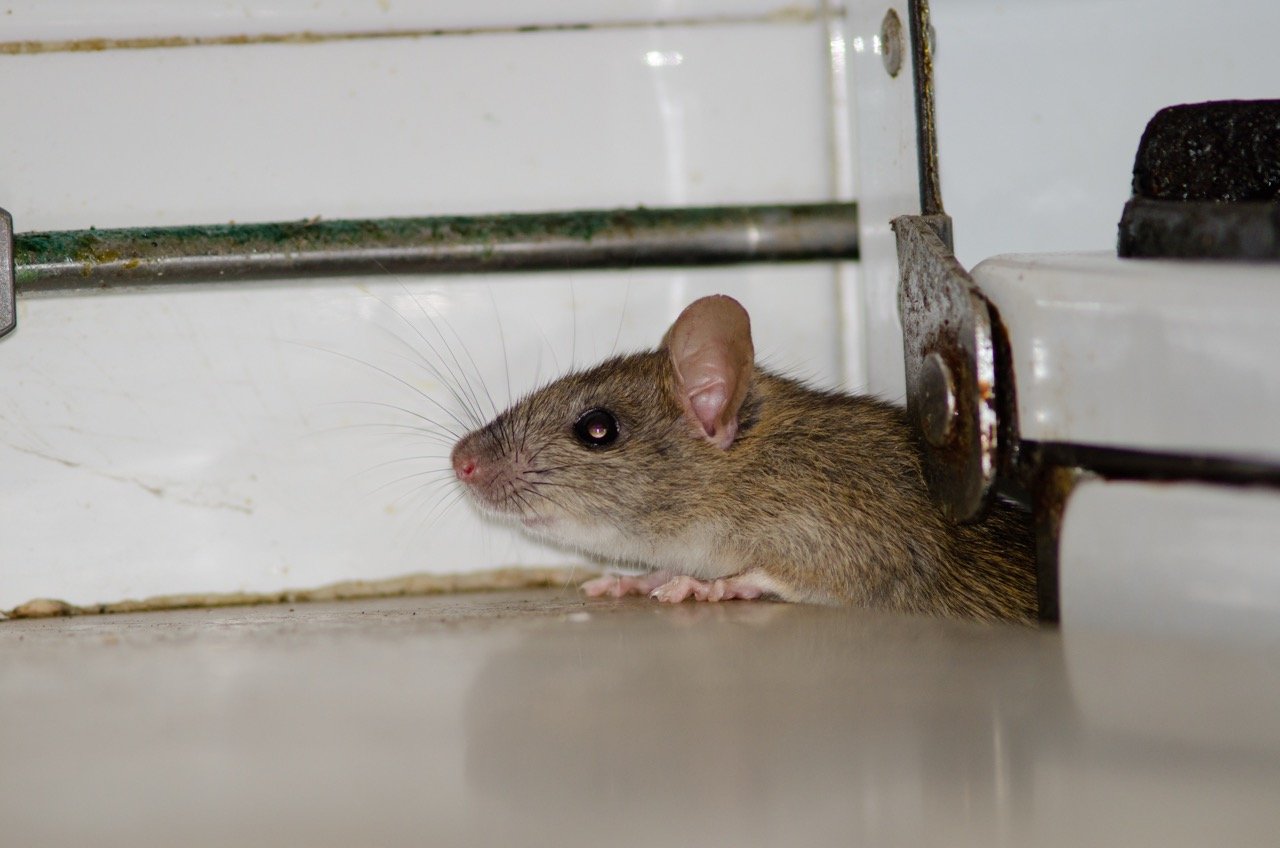
You may hear scratching at night, notice droppings in the garage, or discover that something has been getting into stored food. But when you look around during the day, there isn’t a rat anywhere in sight.
So, where do rats hide during the day?
Rats generally prefer protected, quiet areas where they can remain relatively undisturbed. Depending on the property and the type of rodent involved, hiding places may be inside attics, walls, garages, storage areas, dense vegetation, or other sheltered locations around a home.
For Florida homeowners, identifying these hiding areas can be particularly important because warm weather, landscaping, outdoor food sources, and structural access points can create favorable conditions for rodents.
If you’re seeing signs of rats but can’t find them during daylight hours, understanding their behavior can help you determine where to investigate next.
Why Don’t You Usually See Rats During the Day?
Rats are often more active when human activity is lower.
For many homes, that means nighttime.
During quieter hours, rodents may leave protected areas to search for:
- Food.
- Water.
- Nesting materials.
- New shelter.
- Access to different parts of a property.
During the day, they may return to areas where they feel protected.
This is why a homeowner can have rodent activity without regularly seeing a live rat.
Droppings, noises, gnaw marks, damaged food packaging, and nesting materials may be more noticeable than the animals themselves.
Where Do Rats Hide During the Day Inside a House?
Rats prefer areas that provide shelter and relatively easy access to resources.
The exact location depends on the property, but several areas deserve particular attention.
Attics
Attics can provide excellent hiding conditions for rodents.
They’re typically quiet, dark, protected, and rarely visited by homeowners.
An attic may also contain:
- Insulation.
- Stored belongings.
- Nesting materials.
- Structural openings.
- Access near the roofline.
If rats reach the roof through trees, exterior structures, or other pathways, gaps around vents, soffits, eaves, and roof components may provide opportunities to enter.
Signs of rodents in the attic can include scratching sounds, droppings, damaged insulation, gnaw marks, or nesting materials.
Inside Wall Voids
Walls provide another protected environment.
Homeowners may hear scratching or movement without being able to see what is causing it.
Wall voids can also connect different areas of a structure, allowing pests to move while remaining concealed.
Trying to open a wall simply because you hear a sound isn’t recommended.
Instead, note when and where the noise occurs and have the area evaluated if activity continues.
Garages
Garages are one of the most important places to investigate.
They frequently combine easy exterior access with plenty of potential shelter.
A garage may contain:
- Cardboard boxes.
- Pet food.
- Bird seed.
- Garbage.
- Stored household products.
- Clutter.
- Dark corners.
Garage doors can also develop gaps that rodents may investigate.
If you suspect rats are using your garage, check along walls and behind stored items for droppings or gnaw marks.
Storage Rooms
A quiet storage room can provide many hiding opportunities.
Stacks of boxes and belongings create spaces where rodents can move without being easily noticed.
Cardboard and paper materials may also be used for nesting.
Keeping storage areas organized makes it easier to identify new activity.
Behind Appliances
Protected areas behind large appliances can sometimes provide rodents with hiding places, particularly if food, warmth, or water is nearby.
The kitchen deserves attention because it can provide access to food.
Look for evidence around:
- Refrigerators.
- Stoves.
- Cabinets.
- Pantry areas.
- Plumbing.
Avoid moving heavy appliances unsafely just to search for rodents. If signs point toward a difficult-to-access area, professional inspection may be more appropriate.
Where Do Rats Hide Outside During the Day?
Not every rodent visiting your property is living inside the house.
Rats may hide outdoors and approach the home when searching for resources.
Common outdoor areas include dense vegetation, debris, wood piles, and other protected spaces.
Dense Shrubs and Vegetation
Overgrown landscaping can provide shade and cover.
When dense vegetation grows directly against the house, it may also allow rodents to approach the structure without remaining exposed for long.
Regular landscaping maintenance can improve visibility and make the perimeter easier to inspect.
Wood Piles
Stored wood can create protected gaps and hiding spaces.
Wood piles located close to a structure may be especially worth monitoring.
Check around them for:
- Droppings.
- Gnaw marks.
- Nesting material.
- Unusual movement.
Keeping stored materials organized can reduce sheltered areas.
Yard Debris
Leaves, branches, unused landscaping materials, and outdoor clutter can create additional cover.
Removing unnecessary debris makes your yard less attractive as a protected hiding environment and helps you notice pest activity sooner.
Around Garbage Areas
Garbage provides a potential food source as well as surrounding areas where rodents may hide.
Keep outdoor garbage containers properly closed and clean up spilled waste.
If you repeatedly see rodent evidence near the bins, inspect the surrounding area for potential shelter.
Can Rats Hide Under Decks or Outdoor Structures?
Protected spaces beneath outdoor structures can provide shelter from weather and human activity.
Depending on the property, rats may investigate areas beneath:
- Decks.
- Sheds.
- Exterior storage areas.
- Other raised structures.
These spaces can become especially attractive when food or water is also nearby.
If possible, keep these areas maintained and avoid allowing unnecessary debris to accumulate.
Do Rats Hide in Trees?
Some rats are capable climbers and may use trees as part of their movement around a property.
Branches near roofs can create pathways toward upper portions of a home.
This is particularly relevant when investigating possible attic activity.
Maintaining trees and preventing branches from creating direct pathways to the structure can be part of a broader rodent prevention plan.
What Are the Signs of a Rat Hiding Nearby?
You don’t need to physically see a rat to recognize potential rodent activity.
Look for clues such as:
- Droppings.
- Gnaw marks.
- Scratching or scurrying sounds.
- Damaged food packaging.
- Nesting materials.
- Disturbed insulation.
- Unusual odors.
- Signs around garbage.
- Pet behavior focused on a particular area.
The location of these signs can help narrow down where rodents may be spending time.
For example, repeated droppings in one corner of a garage may indicate a regular travel route nearby.
What Do Rat Droppings Tell You?
Droppings are one of the most common signs homeowners notice.
Their location can help identify areas where rodents are active.
You may find them:
- Along walls.
- Inside cabinets.
- Near stored food.
- In garages.
- In attics.
- Around storage areas.
Avoid handling rodent droppings directly.
If you’re dealing with significant rodent evidence or aren’t sure how to clean an affected area appropriately, professional guidance can help.
Why Do I Hear Rats but Never See Them?
Rodents can move through concealed areas.
You may hear activity in:
- Walls.
- Ceilings.
- Attics.
- Other structural spaces.
The sounds may be more noticeable at night when the house is quiet.
However, noises alone don’t always confirm rodents. Buildings can produce sounds for many reasons, and other animals may also enter structural areas.
Look for additional evidence before assuming the source.
What Does It Mean If You See a Rat During the Day?
A daytime rat sighting shouldn’t automatically be interpreted as proof of a severe infestation.
Rodent behavior can vary.
A rat may be active during the day because it was disturbed, is searching for resources, or has adapted its activity to conditions around the property.
However, repeated daytime sightings—especially when combined with droppings, noises, gnaw marks, or other evidence—are worth investigating.
The pattern of activity matters more than one isolated sighting.
What Attracts Rats to Their Hiding Places?
A good hiding location becomes even more appealing when food and water are nearby.
Common rodent attractants around homes include:
- Garbage.
- Pet food.
- Bird seed.
- Fallen fruit.
- Outdoor food residue.
- Water sources.
- Clutter.
- Dense vegetation.
This is why rodent control shouldn’t focus only on finding the nest.
You also need to understand why rodents are staying around the property.
Can Cleaning Make Rats Leave?
Cleaning is an important part of rodent prevention, but it doesn’t necessarily remove an established rodent problem.
A clean property can still provide shelter and structural access.
For example, you could remove every crumb from your kitchen while rats continue using an attic because an exterior opening allows them inside.
Effective prevention considers:
Food + water + shelter + access.
All four should be evaluated.
Should You Seal a Hole If You Think a Rat Is Inside?
Be careful.
Finding a structural opening is important, but immediately sealing every suspected entry point without understanding current rodent activity can create problems if animals are already inside.
Rodent exclusion should consider:
- Whether rodents are currently present.
- How they’re entering.
- Where they’re traveling.
- How existing animals will be addressed.
- How future entry will be prevented.
A professional can help develop an appropriate sequence for control and exclusion.
Are Traps Enough to Solve a Rat Problem?
Traps may play a role in rodent management, but they don’t automatically solve the conditions that caused the problem.
If you remove one rat while leaving:
- Accessible food.
- Water.
- Structural openings.
- Attractive shelter.
the property may remain vulnerable.
Long-term prevention requires addressing the environment as well as current activity.
How Can You Make Rat Hiding Places Less Attractive?
Start by reducing unnecessary shelter and resources.
Around the property:
- Maintain landscaping.
- Remove yard debris.
- Organize storage areas.
- Monitor wood piles.
- Secure garbage.
- Store pet food properly.
- Clean spilled bird seed.
- Collect fallen fruit.
- Repair leaks.
- Inspect doors and structural openings.
Inside the home, keep garages, pantries, and storage areas organized enough that new evidence is easy to detect.
The goal isn’t simply to make the property look tidy.
It’s to make it harder for rodents to remain concealed and supported.
When Should You Call a Pest Control Professional?
Professional rodent control may be appropriate if:
- You repeatedly hear scratching in walls or the attic.
- Droppings continue appearing.
- You see rats indoors.
- Food packaging is being damaged.
- You find nesting materials.
- Rodent activity continues despite prevention efforts.
- You can’t identify where rodents are entering.
- You suspect rats are living in inaccessible areas.
A professional inspection can help identify both current activity and the conditions allowing rodents to remain around the property.
Finding the Hiding Place Is Only Part of the Solution
So, where do rats hide during the day?
They may be in attics, walls, garages, storage areas, dense landscaping, wood piles, outdoor structures, or other quiet spaces that provide protection.
But simply locating a hiding place doesn’t necessarily solve the problem.
The more important questions are:
Why are rodents staying on the property?
What are they eating?
Where are they finding water?
And how are they moving between outdoor areas and your home?
Successful rodent prevention considers the entire environment rather than focusing only on the rat you may—or may not—see.
Contact 911 Home Helps Today
Hearing scratching or finding signs of rats around your Florida home? 911 Home Helps can inspect your property for rodent activity, identify potential hiding areas and entry points, and recommend an appropriate approach to rodent control and prevention.