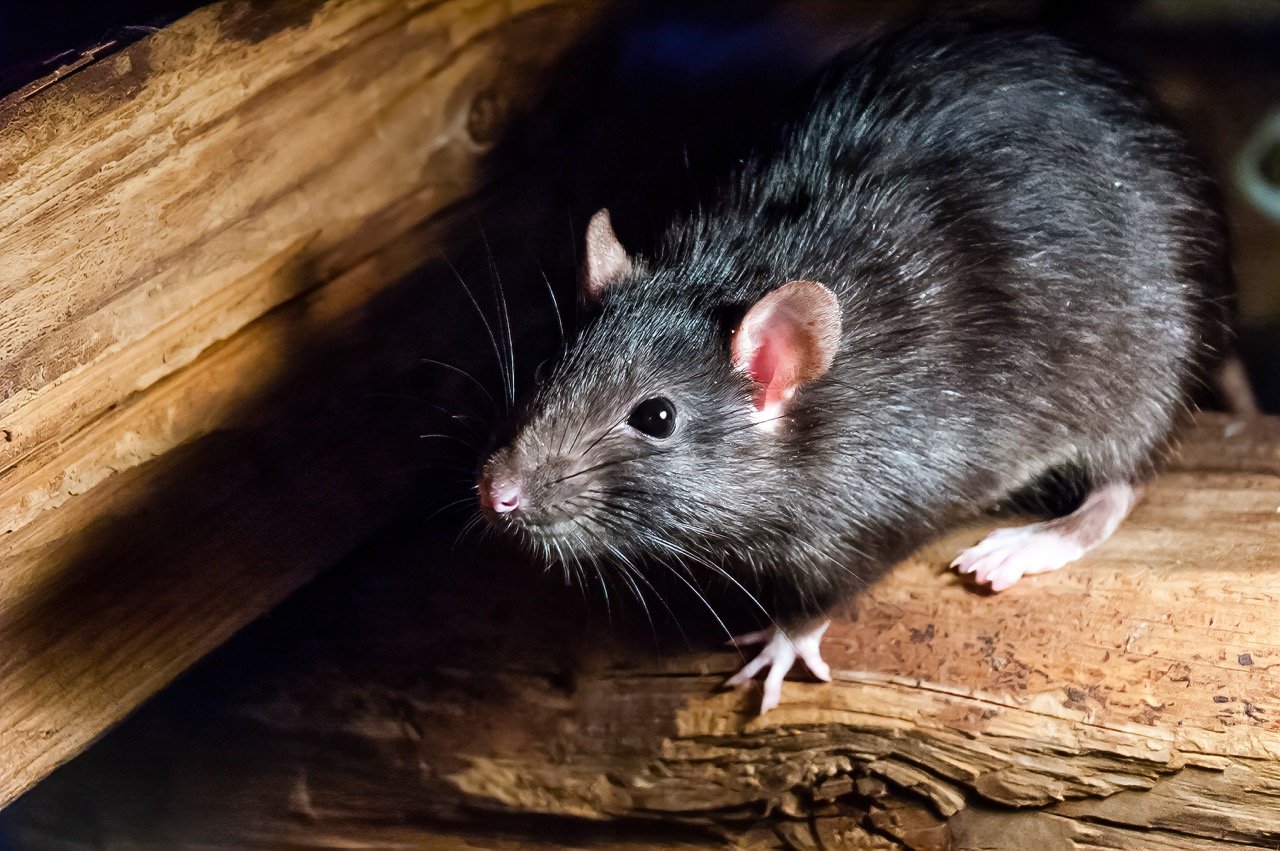
You hear scratching in the attic, discover droppings in the garage, or spot a rat running along the fence. You take steps to address the problem, and for a while, everything seems quiet.
Then the signs return.
If you’re wondering why do rats keep coming back, the answer often has more to do with the conditions around your property than with one individual rodent.
Rats look for food, water, shelter, and safe routes through their environment. If your home continues to provide those resources—or if entry points remain open—new rodents may eventually discover the same opportunities.
For Florida homeowners, understanding what supports recurring rodent activity is an important part of building a longer-term prevention strategy.
Why Do Rats Keep Coming Back After You Get Rid of Them?
Removing rodents that are currently present does not necessarily eliminate the conditions that brought them to the property.
Imagine a garage with a gap beneath the door, an accessible bag of pet food, and several stacks of stored boxes. Even if the rodents using that space are removed, the garage may still offer food, shelter, and a way inside.
Other rodents in the surrounding environment may eventually investigate it.
This is why rodent management should consider two separate questions:
-
How can the current activity be addressed?
-
What needs to change to reduce the chances of future activity?
Both matter.
Food Sources May Still Be Available
Rats are opportunistic when searching for food. A property doesn’t need to have obvious piles of garbage to offer something useful.
Potential food sources include pet food, bird seed, unsecured trash, fallen fruit, and food residue around outdoor dining areas.
Even small amounts of accessible food can encourage rodents to investigate an area repeatedly.
Check Pet Food Storage
If you keep pet food in a garage, laundry room, or outdoor storage area, inspect the packaging.
A loosely closed bag may be accessible to rodents. Consider transferring food into an appropriate, durable container and cleaning up spilled pieces around feeding areas.
If pets eat outside, avoid leaving uneaten food available overnight.
Inspect Garbage Areas
Trash cans that do not close properly can provide food opportunities.
Check whether lids fit securely and whether food waste regularly accumulates around the containers. Cleaning the surrounding area can help reduce lingering residue.
Look for Fallen Fruit
Fruit trees can be a valuable part of a Florida landscape, but fallen fruit may also attract wildlife and pests.
Collect fruit that has dropped to the ground rather than allowing it to accumulate beneath trees.
Water Can Keep Rodents Interested in Your Property
Food is only one part of the equation.
Rats also need access to water, and moisture around a property can make certain areas more attractive.
Check for dripping outdoor faucets, leaking irrigation equipment, standing water, and drainage problems.
A plumbing leak near a garage or exterior wall deserves attention for more than one reason: it can affect the building while also providing moisture that pests may use.
Your Yard May Offer Plenty of Shelter
Rats prefer locations where they can move and rest with some protection.
Around residential properties, possible shelter areas include dense vegetation, cluttered storage, wood piles, and spaces beneath certain outdoor structures.
A yard can look tidy from the street while still containing protected areas along fences, behind sheds, or beneath stored materials.
Walk around the property and consider what a small animal could use for cover.
Dense Vegetation
Overgrown shrubs and thick ground cover can make activity harder to notice.
Maintain vegetation appropriately and keep exterior structural areas accessible for inspection.
Stored Materials
Unused equipment, boxes, and stacked items can create undisturbed spaces.
Organizing these materials makes it easier to spot droppings, gnaw marks, and other signs before activity becomes established.
Wood and Debris Piles
Avoid allowing unnecessary debris to accumulate near the structure.
If you store firewood, keep the area organized and inspect it periodically.
Rats May Still Have a Way Inside
One of the most important reasons rats return is that the original access route remains available.
Rodents can investigate openings around a building, including gaps near doors, utility penetrations, roofline components, and vents.
If an opening is never addressed, the property may remain accessible even after the current rodents are removed.
Common areas worth inspecting include:
-
Garage door edges and thresholds.
-
Exterior doors.
-
Gaps around pipes and cables.
-
Damaged vents.
-
Soffits and eaves.
-
Roofline openings.
-
Other visible structural gaps.
Not every opening is obvious from ground level. Some require a closer inspection of the exterior.
Why Do Rats Keep Coming Back to the Attic?
An attic can offer a protected location away from everyday household activity.
Depending on the property, rats may reach upper areas using nearby trees, fences, pipes, or textured exterior surfaces.
Once they reach the roofline, damaged or vulnerable building components may provide an entry opportunity.
If you repeatedly hear activity overhead, focusing only on the attic interior may miss the access route outside.
A rodent inspection should consider how the animals are reaching the structure, not simply where the sounds are heard.
Can Rats Return Through the Same Entry Point?
Yes. If an opening remains accessible, it may continue to provide a route into the building.
However, homeowners should avoid sealing a suspected active entry point without first determining whether rodents are still inside.
Closing an opening while animals remain in the structure can create additional problems.
A professional can help assess current activity and coordinate exclusion appropriately.
Why Traps Alone May Not Solve a Recurring Problem
Traps may be part of a rodent management strategy, but they don’t repair a damaged vent, close a structural gap, remove spilled food, or fix a water leak.
If those conditions remain unchanged, the property may continue to attract rodents.
This is why a comprehensive approach often includes inspection, management of current activity, exclusion, and preventive maintenance.
The exact approach should depend on the property and the findings.
Are New Rats Coming In, or Were Some Never Removed?
Recurring activity can have different explanations.
It may involve rodents that remained in the structure, new animals entering through an existing opening, or activity occurring elsewhere on the property.
Without an inspection, it’s difficult to determine which explanation applies.
The location and timing of evidence can help.
For example, fresh droppings in a previously cleaned area suggest activity has continued or resumed. New scratching sounds in a different section of the building may provide additional information about movement.
Documenting those details helps a pest professional evaluate the situation.
How Can You Tell If Rats Are Still Active?
Look for evidence rather than relying only on whether you’ve seen a rat.
Possible signs include:
-
Fresh droppings.
-
New gnaw marks.
-
Scratching or movement sounds.
-
Disturbed stored items.
-
Shredded nesting material.
-
Repeated sightings.
-
Activity around suspected entry points.
A quiet night doesn’t necessarily mean all activity has ended.
Likewise, an old dropping doesn’t prove rodents are currently present. Its location and surrounding evidence matter.
Why Are Rats Coming Back to My Garage?
Garages frequently combine several conditions rodents may find useful.
They may contain stored food, cardboard boxes, tools, equipment, and less frequently disturbed corners. Garage doors can also develop gaps that deserve inspection.
If rodent activity keeps returning to your garage, check both the contents and the building.
Move stored items where practical, inspect accessible edges, secure food, and look for evidence around the door and utility openings.
A clean garage with an open access route may still have a problem. A sealed garage with accessible food and an overlooked opening may also remain vulnerable.
Can Neighbors’ Properties Affect Rodent Activity?
Rodents move through outdoor environments, so activity isn’t always limited to one property.
Nearby food sources, vegetation, waste areas, and shelter may influence where rodents travel.
You may not be able to control conditions beyond your property, but you can make your own home less accessible and less inviting.
Focus on the conditions you can maintain consistently.
Does Florida Weather Affect Rodent Activity?
Florida’s climate allows homeowners to encounter rodent activity throughout the year.
Rainfall and changing outdoor conditions may influence where animals seek shelter, but a rodent problem shouldn’t be treated as something that only matters during one season.
Regular inspections are useful, particularly after storms or when you notice changes around the roofline, garage, or exterior walls.
What Should You Do If Rats Keep Returning?
Start by looking for patterns.
Where are the signs appearing? Is the activity concentrated in the attic, garage, kitchen, or yard? Does it return after stored food is brought into a particular area? Have you noticed a damaged door seal or roofline opening?
These observations can help identify what needs attention.
A practical prevention plan may include the following steps.
1. Identify Current Activity
Document droppings, sounds, damage, and sightings. Avoid assuming that every sign has the same cause.
2. Inspect the Exterior
Look for accessible gaps, damaged components, and possible travel routes.
3. Secure Food Sources
Store pet food and other edible materials appropriately. Maintain garbage areas and clean spills.
4. Address Moisture
Repair leaks and investigate drainage problems.
5. Reduce Shelter
Keep vegetation maintained and storage areas organized.
6. Coordinate Exclusion
If rodents are using the structure, make sure exclusion is planned around the current activity rather than sealing animals inside.
7. Continue Monitoring
After the immediate issue is addressed, watch for new evidence and maintain the improvements.
When Should You Call a Rodent Control Professional?
Professional evaluation is worth considering when you repeatedly find droppings, hear activity in walls or ceilings, discover gnawed materials, or cannot identify where rodents are entering.
An inspection can help distinguish current activity from older evidence and identify conditions that may be supporting the problem.
It can also help determine which repairs and preventive measures are appropriate for the property.
If you encounter rodent droppings or nesting material, avoid dry sweeping or vacuuming them. Follow appropriate public-health cleaning guidance and use professional assistance when the contamination is extensive or difficult to access.
Long-Term Rodent Prevention Requires More Than a One-Time Fix
So, why do rats keep coming back?
Often, the property still offers something they need.
Accessible food, water, protected hiding areas, and structural openings can continue to support activity even after individual rodents have been removed.
The most useful approach is to address the current problem while also investigating what made the property accessible in the first place.
For Florida homeowners, that means paying attention to both the interior and exterior of the home, maintaining storage and landscaping, repairing vulnerable areas, and monitoring for new signs.
Contact 911 Home Helps Today
Are rats repeatedly appearing in your attic, garage, yard, or other areas of your Florida home? 911 Home Helps can inspect your property, identify signs of rodent activity, evaluate potential entry points, and recommend an appropriate rodent control and prevention strategy.