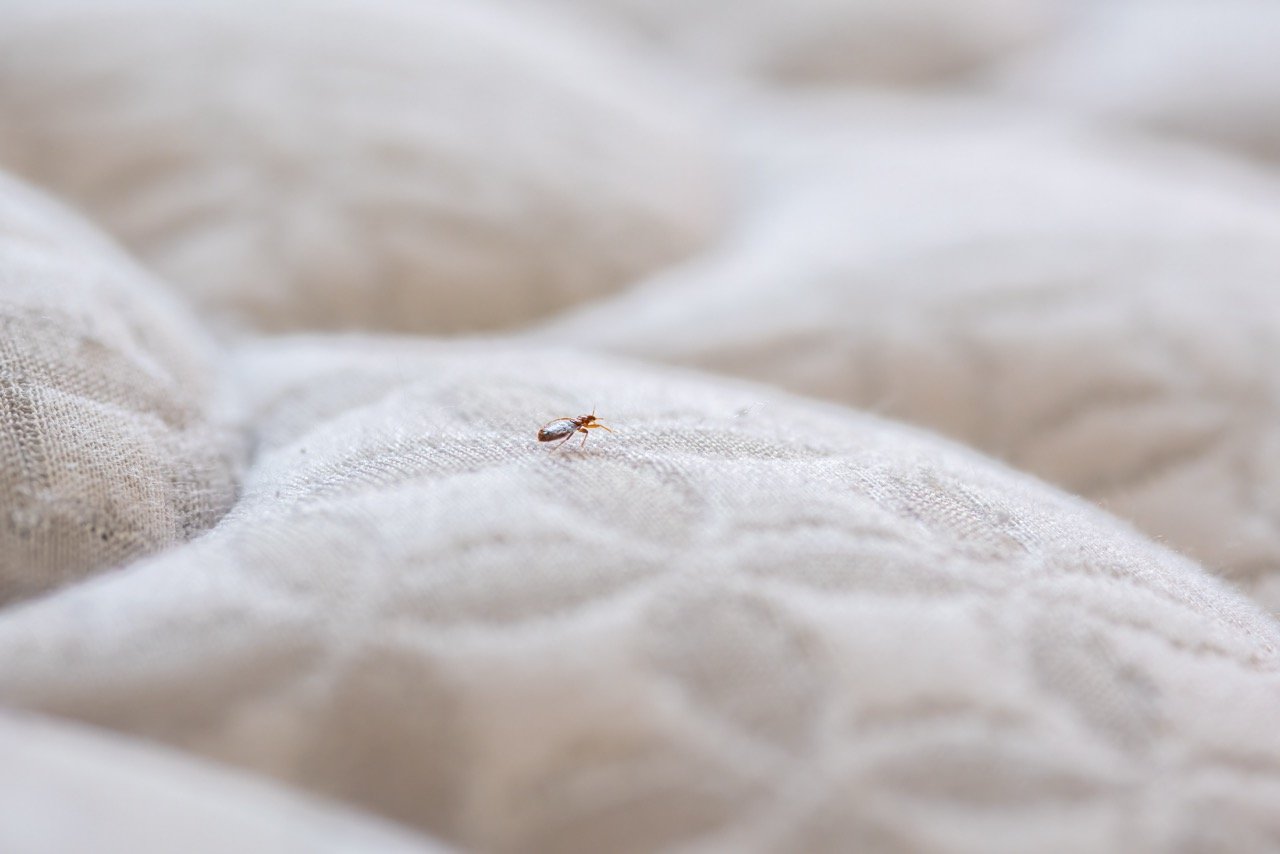
You return from a vacation, unpack your suitcase, and notice a small insect near your clothes. Suddenly, a question comes to mind: could you have brought bed bugs home?
If you’re wondering can bed bugs travel on clothes, the answer is yes. Bed bugs can hitchhike on clothing and other personal belongings, although they are more commonly associated with luggage, bags, and items kept near infested resting areas.
Unlike some other pests, bed bugs don’t need to fly or jump to move between locations. They crawl and can be transported when people move their belongings.
For Florida homeowners who travel for work, vacations, or family visits, understanding how bed bugs spread can make post-trip inspections and prevention more manageable.
Can Bed Bugs Travel on Clothes You’re Wearing?
Yes, bed bugs can occasionally be carried on clothing.
However, they generally prefer to hide in protected spaces rather than remain exposed on a moving person.
They may be found in the folds, seams, or pockets of clothing, particularly when garments have been left near an infested bed, sofa, or other resting area.
This is why the way you store clothing while traveling matters.
A shirt placed inside a suitcase on a luggage rack presents a different situation from clothing left on the floor beside an infested bed.
Neither situation guarantees exposure, but keeping belongings organized can reduce opportunities for bed bugs to hide in them.
How Do Bed Bugs Get Into Luggage?
Luggage provides several potential hiding places.
Suitcase seams, zippers, pockets, handles, and fabric folds may offer protected spaces for small insects.
If a suitcase is placed on or near an infested bed, bed bugs may crawl onto or into it.
Once the suitcase is closed and transported, the insects can travel with it.
This is one reason bed bug prevention focuses on belongings as well as the room itself.
Can Bed Bugs Travel From Hotels to Your Home?
Yes.
Hotels are one possible location where travelers may encounter bed bugs, but they are not the only one.
Bed bugs can be present in different residential and shared environments, and their presence is not necessarily a reflection of cleanliness.
A traveler may unknowingly transport an insect in a suitcase, bag, or other personal item.
However, finding a bed bug after a trip does not automatically mean the hotel was the source. Identification and the circumstances of the discovery matter.
Where Do Bed Bugs Hide in Clothing?
Bed bugs may shelter in areas that provide protection from disturbance.
When inspecting clothing, pay attention to:
-
Seams.
-
Folds.
-
Pockets.
-
Cuffs.
-
Collars.
-
Fabric layers.
Also inspect the bag or suitcase where the clothing was stored.
A careful check should include the belongings surrounding the clothes, not just the garments themselves.
What Do Bed Bugs Look Like?
Adult bed bugs are small, flat, oval-shaped insects that are generally brownish in appearance.
Their appearance changes somewhat after feeding.
Younger bed bugs are smaller and can be more difficult to notice.
Because other insects may look similar, identification based on a brief sighting isn’t always reliable.
If you discover a suspicious insect, take a clear photograph or preserve a specimen when practical.
A pest control professional can help determine whether it is actually a bed bug.
What Are the Signs of Bed Bugs in Luggage?
A visible insect is one possible clue, but it isn’t the only one.
Other signs may include dark spotting, shed insect skins, or eggs in protected areas.
Check suitcase seams, pockets, and other concealed sections.
Not every dark mark or small particle indicates bed bug activity, so avoid drawing conclusions from one suspicious spot.
If you find several concerning signs, keep the belongings contained and arrange for identification.
Can Bed Bugs Survive Inside a Suitcase?
Bed bugs can remain concealed in luggage and other belongings.
A suitcase may provide protected spaces where insects are difficult to see during a quick inspection.
This is why simply leaving luggage closed for a short period should not be considered a reliable bed bug treatment.
If you suspect exposure, follow appropriate inspection and treatment guidance rather than assuming the problem will resolve on its own.
What Should You Do With Clothes After Traveling?
A few practical steps can help you inspect your belongings before putting everything away.
Inspect Your Luggage
Check seams, pockets, zippers, and other concealed areas.
Keep Travel Clothes Separate
If you suspect bed bug exposure, avoid immediately mixing the clothing with the rest of your wardrobe.
Use Appropriate Laundry Methods
For clothing and fabrics that can tolerate it, a hot dryer cycle can help kill bed bugs. Follow the garment’s care instructions and established bed bug guidance.
Washing alone may not reliably eliminate every life stage.
Check Non-Washable Items
Shoes, bags, and other belongings may require a different approach.
Do not place items in a dryer unless the manufacturer indicates that doing so is safe.
Monitor for Evidence
Pay attention to suspicious insects or other signs after unpacking.
These steps are particularly useful when you have a reason to suspect exposure, such as finding a bed bug during your stay.
Does Washing Clothes Kill Bed Bugs?
Laundry can be part of bed bug management, but the method matters.
The U.S. Environmental Protection Agency (EPA) notes that drying items on high heat for 30 minutes can kill bed bugs and their eggs. Washing alone generally does not provide the same assurance.
Always consider fabric care instructions and whether the item can safely tolerate the recommended temperature.
For items that cannot be treated this way, seek guidance on an appropriate alternative.
Can Bed Bugs Survive in Clean Clothes?
Yes.
Bed bugs are not attracted to clothing because it is dirty.
They may use clean or worn clothing as a hiding place if the item is accessible.
This is why cleanliness alone cannot prevent bed bugs.
Storage practices, inspection, and appropriate treatment of potentially exposed belongings are more relevant to reducing the risk of transporting them.
Can Bed Bugs Travel on Shoes?
They can potentially hide in or around shoes and other personal items.
Shoes may have seams, folds, and protected areas that are difficult to inspect.
If you suspect exposure, include footwear in your examination rather than focusing only on clothing.
Do not apply pesticides to shoes or other personal items unless the product label specifically permits that use.
How Can You Check a Hotel Room for Bed Bugs?
A brief inspection when you arrive can help you look for obvious signs.
Pay attention to the mattress seams, headboard area, and nearby furniture.
Look for visible insects, dark spotting, shed skins, or other suspicious evidence.
Keep luggage away from the bed while inspecting.
If you discover signs that concern you, notify the accommodation provider and request assistance.
A quick visual check cannot guarantee that a room is free of bed bugs, but it may help you identify an obvious problem before unpacking.
Where Should You Keep Your Suitcase in a Hotel?
Avoid placing luggage directly on the bed or upholstered furniture.
A suitable luggage rack can help keep belongings away from common resting areas.
Inspect the rack before using it and keep clothing organized inside the suitcase rather than scattered around the room.
These habits can reduce unnecessary contact between personal belongings and potential hiding places.
Should You Unpack Everything Into Hotel Drawers?
If you’re concerned about bed bug exposure, keeping clothing organized inside your luggage may make it easier to inspect your belongings before departure.
Using drawers is not automatically unsafe, but it introduces additional surfaces and storage spaces.
The appropriate approach depends on the circumstances and your comfort level.
The most important point is to remain aware of where your belongings are stored.
What If You Find a Bed Bug While Traveling?
If you discover an insect you suspect is a bed bug, document it.
Take a photograph or preserve the specimen when possible.
Notify the accommodation provider and avoid moving belongings unnecessarily between rooms.
Before returning home, consider how you will contain and inspect potentially exposed items.
If the insect is confirmed as a bed bug, professional guidance can help you decide which belongings need attention.
Can One Bed Bug Start an Infestation?
A single bed bug sighting deserves attention, but it does not establish that an infestation is present.
The circumstances matter, including whether the insect is correctly identified and whether additional evidence exists.
Because bed bugs can be difficult to detect, don’t ignore a confirmed sighting simply because you haven’t found others.
Monitor the area and arrange a professional inspection if you suspect activity in your home.
What Should You Do If You Find Bed Bugs After Returning Home?
Avoid moving potentially affected belongings throughout the house.
Keep suspect items contained while determining the next steps.
Document any insects or signs you find, and inspect the suitcase and nearby belongings.
Use appropriate laundering methods for items that can safely tolerate them.
If you find confirmed bed bugs or recurring evidence, contact a pest control professional.
Avoid applying random insecticides to clothing, bedding, or luggage. Product labels specify where and how pesticides may be used, and misuse can create safety concerns.
Are Bed Bug Bites Enough to Confirm an Infestation?
No.
Skin reactions vary, and bites alone cannot reliably identify the insect responsible.
Some people develop noticeable reactions, while others may have little or no visible response.
Other conditions can also cause similar-looking marks.
If you suspect bed bugs, look for physical evidence and seek professional identification rather than relying only on skin symptoms.
How Can You Reduce the Risk of Bringing Bed Bugs Home?
Prevention doesn’t require treating every trip as an emergency.
A few consistent habits can help:
-
Inspect the sleeping area for obvious warning signs.
-
Keep luggage off beds and upholstered furniture.
-
Store clothing in an organized way.
-
Check belongings before unpacking at home.
-
Use appropriate laundry methods when exposure is suspected.
-
Seek identification if you find a suspicious insect.
These measures cannot guarantee that bed bugs will never be transported, but they can help reduce opportunities for accidental introduction.
When Should You Call a Bed Bug Control Professional?
Consider professional assistance if you find a confirmed bed bug at home, discover repeated signs around sleeping areas, or suspect that exposed belongings have introduced activity into the property.
An inspection can help identify the pest, evaluate where activity is occurring, and determine an appropriate management strategy.
Early identification is preferable to repeatedly treating belongings without knowing whether bed bugs are actually present.
Travel Smart and Inspect Your Belongings
So, can bed bugs travel on clothes?
Yes. Clothing can provide a way for bed bugs to move between locations, particularly when garments are stored near an infested area.
Luggage and other personal belongings can also provide hiding places.
The goal isn’t to worry about every suitcase or piece of clothing. It’s to understand how bed bugs move, recognize suspicious evidence, and use practical prevention measures when traveling.
For Florida homeowners, careful inspection and appropriate handling of potentially exposed belongings can help reduce the risk of bringing an unwanted pest home.
Contact 911 Home Helps Today
Have you discovered suspicious insects in your luggage, clothing, or sleeping areas after a trip? 911 Home Helps can inspect your Florida property, help identify bed bug activity, and recommend an appropriate pest control strategy based on the findings.
Sources and References
The prevention and laundry recommendations in this article are informed by guidance from the U.S. Environmental Protection Agency (EPA), including Protecting Your Home from Bed Bugs and Do-It-Yourself Bed Bug Control . These resources explain how bed bugs may be transported through belongings, how to inspect for signs of activity, and how heat and other management methods can be used appropriately.