Pest Control and Termite Control

Category: Bed Bugs Control

  • Protecting Your Children From Bed Bugs Indoors

    Protecting Your Children From Bed Bugs Indoors

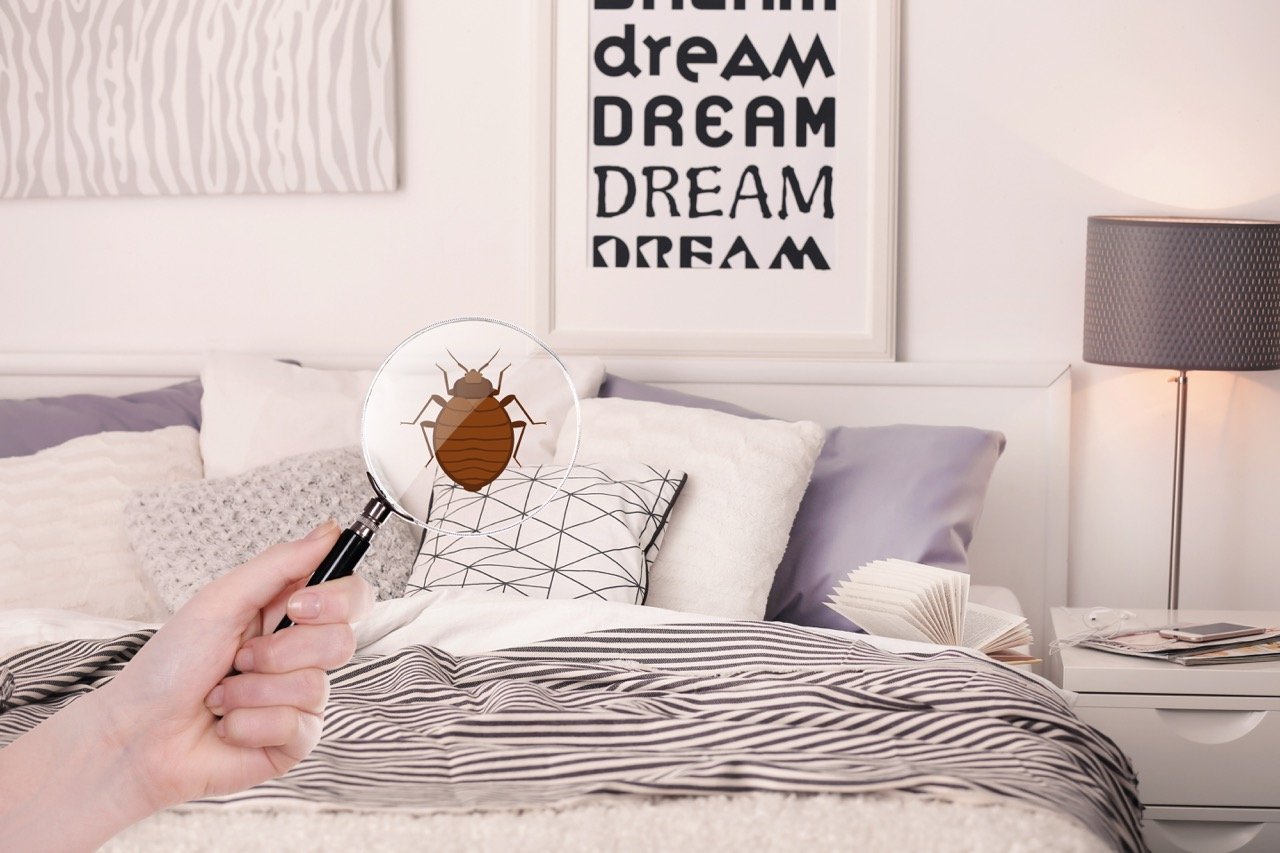
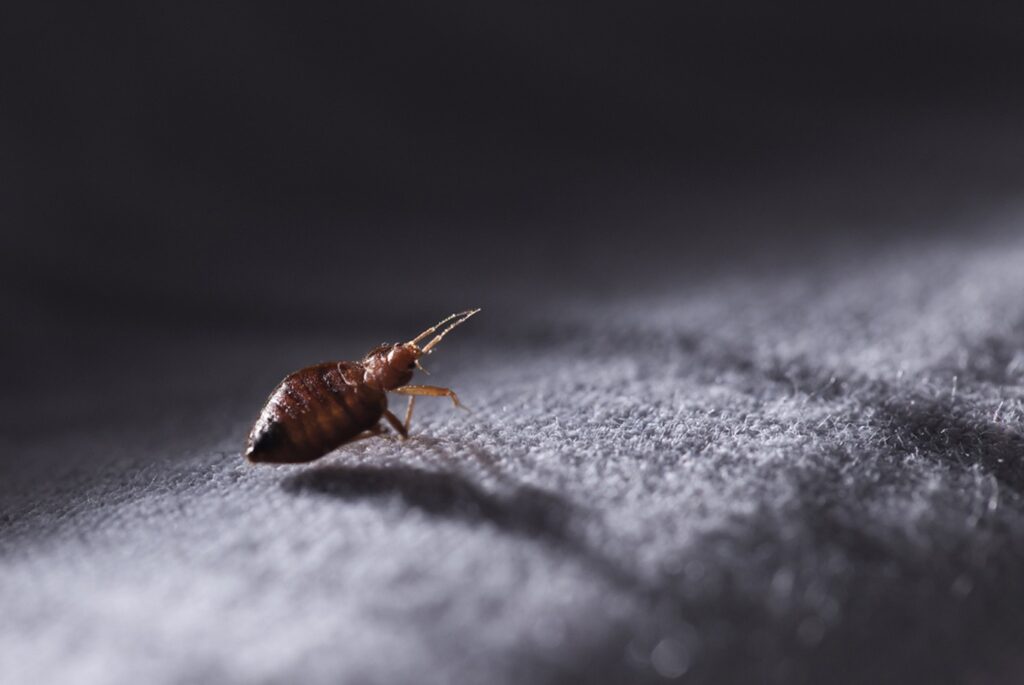
    Few things cause as much concern for parents as the idea of bed bugs hiding in their home, especially in places where their children sleep, play, and rest. These tiny pests are known for their ability to spread quickly and cause itchy welts, sleepless nights, and emotional distress. Although bed bugs don’t transmit disease, their presence in a home, particularly around children, requires careful attention and informed action.

    This article outlines how bed bugs can affect your household, how to spot early signs, and why involving professionals is the most reliable path to peace of mind.

    Understanding the Risk to Children

    Children are more vulnerable to the effects of bed bugs for several reasons. Their skin is more sensitive, and they may not be able to clearly express the discomfort they’re feeling. Prolonged exposure can lead to scratching, secondary infections, and psychological stress, especially in younger children.

    Some common signs of exposure in kids include:

    • Small, red bite marks that appear in a line or cluster
    • Unexplained itching or skin irritation, especially during the night
    • Trouble sleeping or unusual fussiness at bedtime
    • Allergic reactions in rare cases

    Because children often spend time playing on floors, lying on carpets, or sharing beds and stuffed toys, the potential for contact with bed bugs increases significantly. And since these pests are notoriously difficult to detect in their early stages, regular monitoring and proper household hygiene are essential.

    Key Areas to Inspect in Your Home

    One of the most challenging aspects of dealing with bed bugs is their ability to remain hidden in plain sight. They don’t just stay in mattresses as they spread through multiple parts of your home, especially in places where children spend their time. Understanding where these pests tend to hide is critical for early detection and control.

    Begin by thoroughly inspecting:

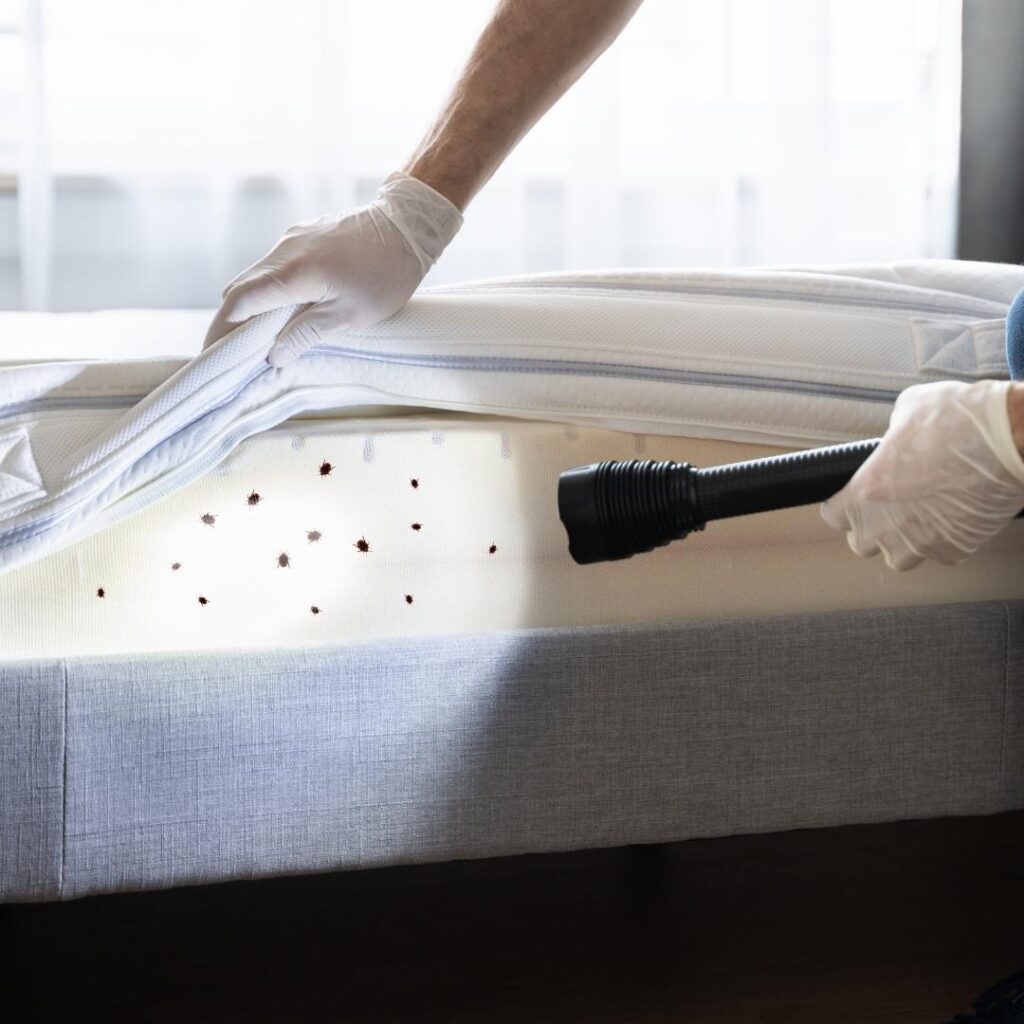
    • Bedding and mattresses: This is their most common hiding place. Check seams, tufts, and folds of mattresses and box springs for live bugs, eggs, or rust-colored stains from crushed insects.
    • Children’s toys and plush items: Bed bugs are attracted to warmth and soft textures. Favorite stuffed animals, play mats, and nursery chairs may harbor pests without showing immediate signs.
    • Upholstered furniture and cushions: Sofas, recliners, and padded benches, especially those located in bedrooms or living areas, are known spots for bed bugs to settle.
    • Cracks, joints, and baseboards: These tiny spaces provide the perfect environment for pests to stay out of view. Use a flashlight to scan along walls, floors, and even curtain rods or picture frames.
    • Drawers, closets, and backpacks: Bed bugs can hitchhike on clothing, shoes, and school bags. Regularly rotating and inspecting stored items helps ensure they don’t create unnoticed breeding zones.

    Because infestations often begin in a single room before spreading, it’s crucial to look beyond just your child’s bedding. An early and comprehensive inspection can help prevent a full-scale household issue.

    Smart Habits to Prevent Infestations

    Prevention should never be based on temporary fixes or reactive behavior. Instead, build consistent habits into your household routine to discourage bed bug activity.

    • Keep sleeping areas uncluttered: Piles of books, clothing, and toys offer cover for insects.
    • Launder fabrics often: Wash and dry sheets, pillowcases, and soft toys on high heat weekly.
    • Use protective covers: Encase mattresses and pillows in certified bed bug-proof covers.
    • Limit secondhand items: Be cautious with used furniture or clothing. Always inspect and clean thoroughly before bringing anything indoors.
    • Vacuum regularly: Focus on baseboards, corners, and under beds where crumbs and pests often settle.

    For families weighing different methods, this overview of making the right choice between DIY and professional pest control may offer valuable insight.

    Why Professional Intervention Is the Safer Choice

    Despite the abundance of do-it-yourself methods available online, addressing bed bugs, especially around children, is not a task to take lightly. Many treatments found in stores are contact-based, meaning they only affect bugs that are visible. This leaves hidden populations to continue multiplying out of sight.

    Additionally, over-the-counter chemicals can pose health concerns when used improperly in homes with children. Even natural or “non-toxic” options may still cause allergic reactions or respiratory issues.

    Relying on expert services ensures:

    • A detailed inspection that uncovers even the most hidden infestations
    • Treatment plans tailored to your specific home and level of activity
    • Use of child-safe, EPA-approved methods that target all life stages of bed bugs
    • Ongoing monitoring and follow-up to prevent reinfestation

    Choosing professional help is often more cost-effective in the long run. This article on how professionals save you money breaks down the real value of long-term pest solutions.

    When Extra Help Makes All the Difference

    There comes a point when checking for pests and cleaning up visible signs no longer feels effective. If your child is still waking up with unexplained bites or you’re spotting possible bed bug activity despite your best efforts, it may be time to step back and bring in outside support.

    While it’s natural for families to attempt their own solutions at first, bed bugs are notoriously resilient. Their ability to hide inside wall voids, behind electrical outlets, and deep within furniture makes them especially difficult to eliminate without professional-grade tools and training. Missing even a few eggs or nymphs can result in a reinfestation that starts the cycle all over again.

    If you’ve reached the point where DIY solutions have fallen short or if you simply want to protect your children from risk altogether, bringing in trusted experts is a step toward long-term relief and peace of mind.

    Let the Experts Handle It

    Your child’s health and comfort should never be left to chance. For thorough inspection and effective treatment, contact 911 Pests Experts today.

  • How to Get Rid of Ants

    How to Get Rid of Ants

    How to Get Rid of Ants

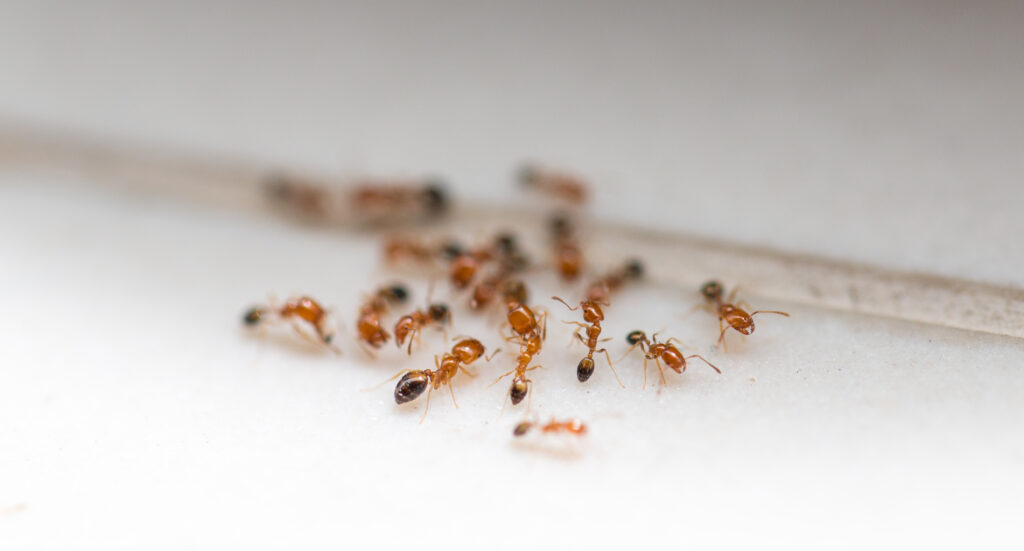
    Ants are sociable insects that can develop colonies of hundreds of millions of individuals. When these anthills develop in urban areas, and can even occur inside the walls of houses and buildings, it is necessary to use control methodologies to reduce structural damage or food loss caused by ants.

    Domestic species of ants usually settle in moist, heat-protected places where they have access to water and food sources, such as food scraps and candy. In houses, they usually occur in kitchens and pantries.

    Ants can be a pesky problem for many homeowners, but there are ways to prevent them from invading your space. Here are three simple steps to help keep them at bay.

    These 3 simple steps will help keep them from marching into your home:

    1.Keep a clean home: Ants are attracted to food and water, so make sure to clean any spills or crumbs in your kitchen and dining area. Store food in airtight containers and take out the trash regularly.

    2.Seal entry points: Ants can enter your home through even the tiniest cracks and crevices. Seal any      openings around doors, windows, and pipes with caulk or weather stripping.

    3.Use natural deterrents: There are several natural substances that ants dislike, such as vinegar, cinnamon, and peppermint oil. Try spraying vinegar around entry points or placing cinnamon sticks near problem areas.

    Occasional visits by ants to food scraps do not symbolize an intense infestation, and perhaps learning to live with them is the most ecologically recommended. In other situations, when there is a loss of stored food or the appearance of holes in the wall, the search for trained professionals is the best choice, and you should avoid homemade ant killer recipes that may contain harmful chemicals.

    By following these simple steps, you can help keep ants from marching into your home and disrupting your daily routine.

    Stay vigilant and proactive, and you’ll be able to enjoy a pest-free environment in no time.

  • THE GUIDE TO BUG EXTERMINATION

    THE GUIDE TO BUG EXTERMINATION

    The Guide to Bug Extermination

    Bugs extermination refers to the process of eliminating and controlling populations of unwanted insects or pests from a particular area, such as homes, gardens, or businesses. Pest control is essential to maintain a safe and healthy environment, prevent property damage, and ensure the well-being of both humans and pets. Here are some key points to consider when dealing with bugs extermination:

    • Identification:
      Proper identification of the pests is crucial before starting any extermination process. Different pests require different approaches for effective control.
    • Prevention:
      The best way to deal with pests is to prevent them from entering your property in the first place. This includes sealing cracks, keeping food properly stored, and maintaining a clean environment.
    • Non-Chemical Methods:
      Before resorting to chemical solutions, consider non-chemical methods such as using traps, removing breeding sites, and maintaining good hygiene practices.
    • Chemical Methods:
      If the infestation is severe, chemical solutions might be necessary. Common options include insecticides, pesticides, and repellents. It’s important to choose products that are safe for humans, pets, and the environment, and to follow the instructions carefully.
    • Professional Help:
      For larger infestations or if you’re unsure about handling pesticides safely, it’s advisable to seek the help of a professional pest control service. They have the expertise and tools to deal with various pests effectively.
    • Integrated Pest Management (IPM):
      IPM is an approach that combines various strategies to manage pests in a more holistic and environmentally friendly manner. It involves monitoring, prevention, and targeted use of pesticides as a last resort.
    • Environmental Impact:
      Be mindful of the potential impact of pesticides on the environment, including beneficial insects, plants, and water sources. Choose environmentally friendly options whenever possible.
    • Safety Precautions:
      When using pesticides or other chemicals, follow safety guidelines to protect yourself, others, and pets from exposure. Wear appropriate clothing and gear, and keep the treated area off-limits until it’s safe.
    • Regular Maintenance:
      Regular cleaning, maintenance, and monitoring are key to preventing future infestations. Identifying and addressing potential entry points and breeding sites can help avoid future problems.
    • Education:
      Learn about the pests common to your area, their behaviors, and their life cycles. This knowledge can help you take appropriate preventive measures.

    Remember that squashing bugs is an ongoing process. Even after successfully dealing with an infestation, it’s important to remain vigilant to prevent future outbreaks. Always prioritize safety, both for yourself and the environment, when dealing with pest control methods. When in doubt, consult our The Guide to Bug Extermination.