Key Takeaways
● South Florida’s warm, humid climate creates the perfect breeding ground for at least 5 different cockroach species, including the infamous Palmetto Bug.
● The 5 most notable types of roaches in South Florida are American, German, Florida Woods, Brown-Banded, and Australian cockroaches.
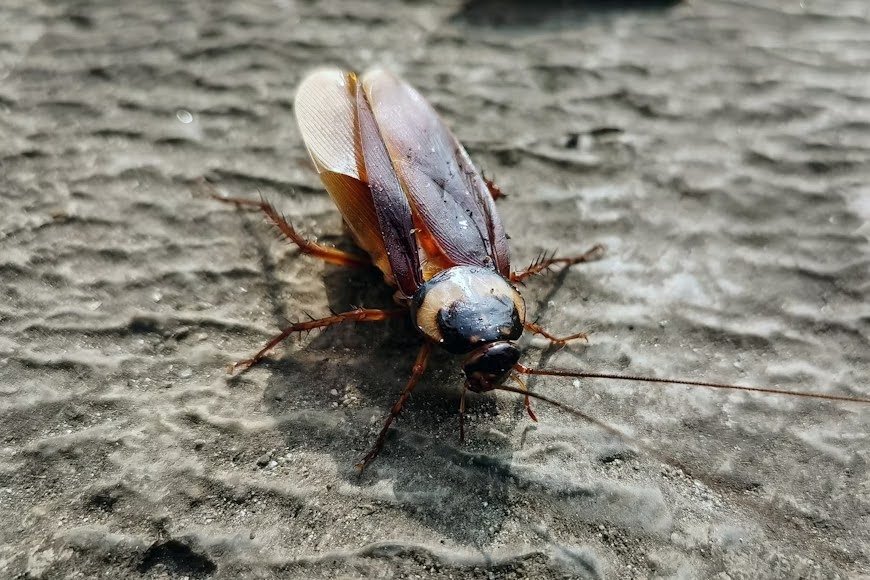
● American cockroaches (Palmetto bugs) are the largest and most visible roach species in South Florida, growing up to 2 inches long and capable of flight.
● German cockroaches pose the greatest risk of infestation due to their rapid reproductive rate: females can produce 30–40 offspring every few weeks.
● 911 Home Helps offers a proven 3-step roach control process, a free inspection, targeted treatment, and add-on services such as sanitation and insulation, backed by over a decade of pest control expertise in South Florida.
Types of Roaches in South Florida
American, German, Florida Woods, Brown-Banded, and Australian cockroaches are the five most common roach species found in South Florida homes. Each type has distinct physical features, hiding habits, and movement patterns that affect how and where they invade.
Cockroaches are masters of hiding, often going unnoticed until populations grow large. Early signs of an infestation include live roaches, droppings that resemble coffee grounds or black pepper, small brown egg casings, and a musty, oily odor. In South Florida, they typically hide in dark, warm, humid areas near food and water and emerge at night. Daytime activity often signals a serious infestation.
In this article, you will learn how to identify each species by appearance, hiding spots, and movement behavior, along with targeted control strategies to eliminate them effectively.
911 Home Helps: Miami’s Most Trusted Pest Control Experts!
Family-Owned Excellence | 4.9★ Google Rating

Protect Your Home & Family: Comprehensive pest elimination for homes and businesses in Miami-Dade and Broward Counties. From termites to mosquitoes, we deliver fast, effective solutions with honest pricing and clear communication every step of the way.
Why Choose Us:
- ✓ Free inspection and consultation, no obligations
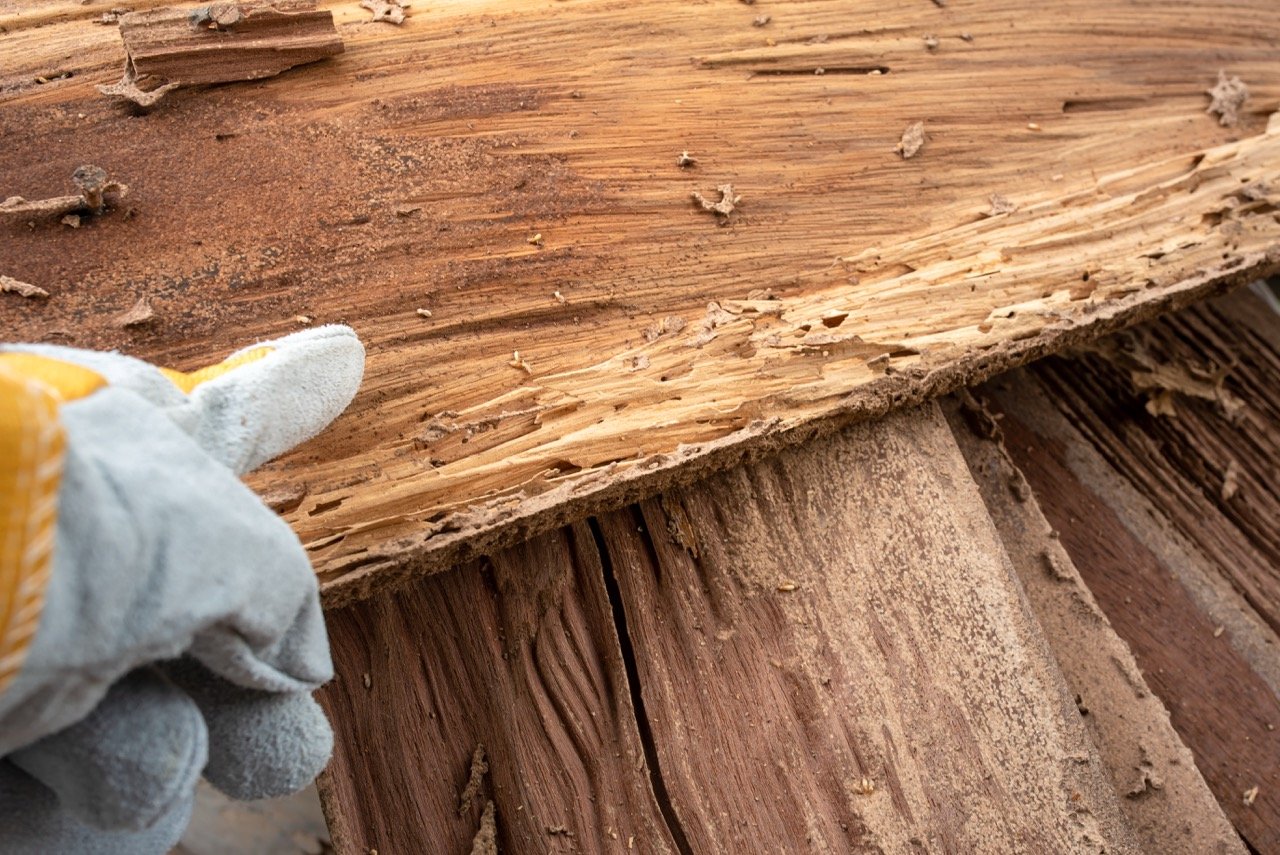
- ✓ Tent & tentless termite treatments (Drywood, Subterranean & Formosan)
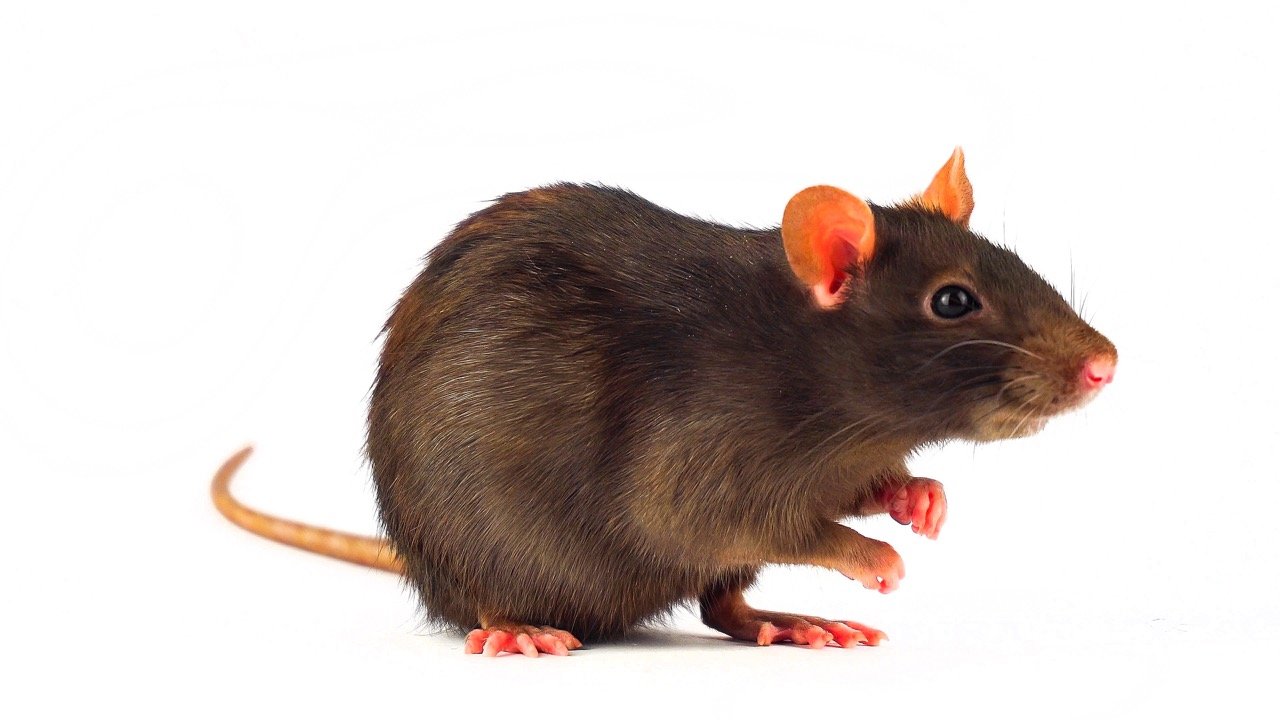
- ✓ Comprehensive rodent, roach, and mosquito control
- ✓ TAP Insulation for year-round energy savings
- ✓ Family-owned with trained, certified technicians
Your home deserves protection you can trust. We’re local, fast, and always transparent.
5 Common Roach Species in South Florida
1. American Cockroach (Palmetto Bug)
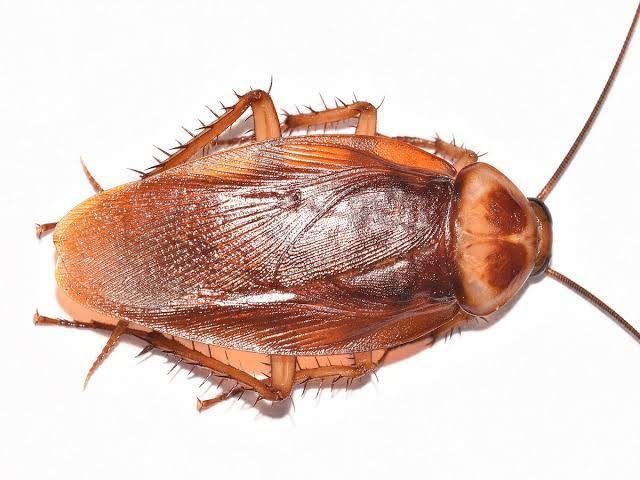
The American cockroach, commonly known as the Palmetto Bug in Florida, can grow up to 2 inches long and features a distinctive yellowish figure-eight pattern on its head. Despite their name, American cockroaches originated in Africa and were introduced to America in the 1600s via shipping.
Palmetto bugs prefer warm, moist environments and are commonly found outdoors in mulch, around palm trees, and in sewers. They can fly short distances and are known for their startling ability to glide down from ceilings or walls when disturbed.
Though they typically live outdoors, these roaches frequently enter homes through small cracks, utility pipes, or under doors. Both weather extremes drive them inside: dry spells push them indoors in search of water, while heavy rains flood their outdoor habitats and force them to seek higher ground. This makes them a year-round concern for South Florida homeowners.
2. German Cockroach
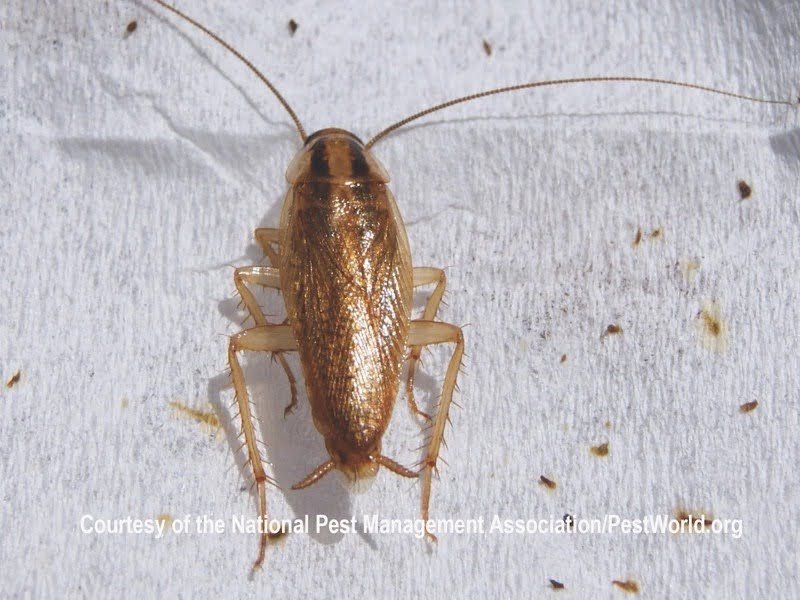
German cockroaches are smaller than Palmetto bugs, measuring only about ½ inch in length, and feature two distinctive dark parallel stripes running from their head to their wings. German roaches are strictly indoor pests that rarely venture outside, spending their entire lives within human structures.
What makes German cockroaches particularly problematic is their incredible reproductive capacity. Females can produce 30 to 40 offspring per egg case, with a new case every few weeks, allowing populations to explode rapidly if left untreated.
They prefer warm, humid areas near food sources, making kitchens and bathrooms their primary habitats. These roaches are notorious hitchhikers, often entering homes in grocery bags, used appliances, or furniture, which is why even the cleanest homes can suddenly develop infestations.
3. Florida Woods Cockroach
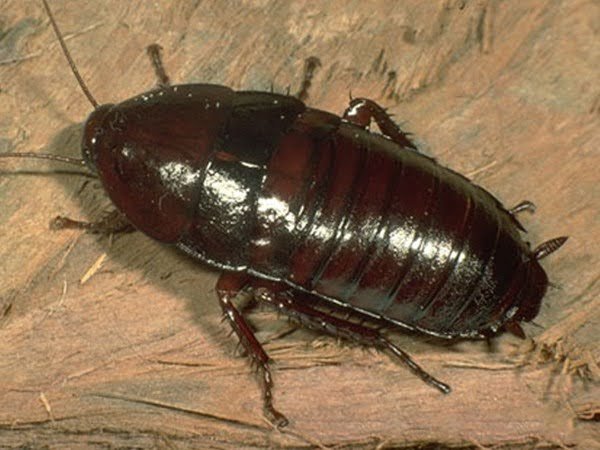
The Florida Woods cockroach can grow up to 1.5 inches long and has a distinctive shiny appearance. Florida Woods cockroaches show little interest in human food, feeding instead on decaying plant matter. This makes them beneficial decomposers in natural settings.
What makes these roaches particularly memorable is their defense mechanism: when threatened, they release a foul-smelling fluid that earns them their “stinking” nickname. This pungent odor can be quite noticeable and unpleasant.
While they prefer to remain outdoors in palm fronds, tree hollows, and mulched areas, they occasionally wander into homes, especially when brought in with firewood or during heavy rains that flood their natural habitats.
4. Brown-Banded Cockroach
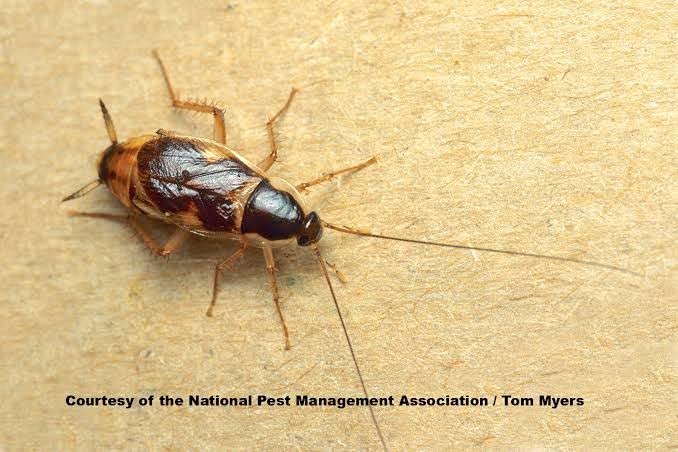
Brown-banded cockroaches are small pests, measuring only about ½ inch long, with distinctive light brown bands across their dark brown bodies. While most cockroach species seek out moisture, brown-banded roaches break the pattern by thriving in dry, warm areas at higher elevations within the home.
This preference leads them to infest unusual locations, such as inside electronics, behind picture frames, in furniture, and even in bedroom closets or attics, areas not typically associated with cockroach activity.
They’re also known for their ability to climb smooth surfaces and even walk across ceilings, distributing their egg cases in hidden, elevated locations throughout the home. Although less common than German or American cockroaches in South Florida, brown-banded infestations can be challenging to eliminate because they are widespread throughout living spaces.
5. Australian Cockroach
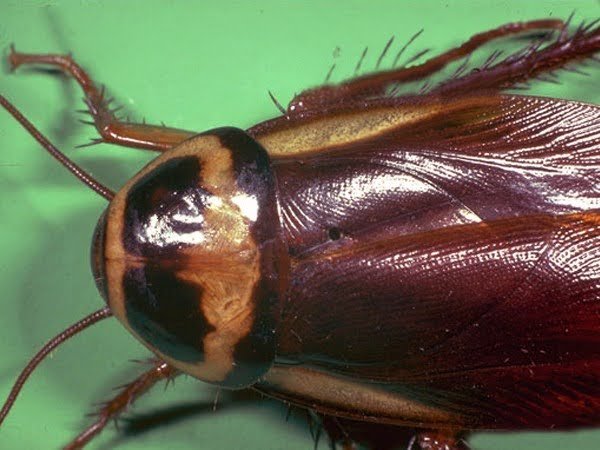
Growing to about 1.5 inches long, the Australian cockroach thrives in South Florida’s tropical climate. Despite their name, they actually originated in Africa but have spread worldwide through commerce and shipping.
In South Florida, Australian cockroaches frequently invade homes from outdoor gardens, particularly ornamental plants and greenhouses. They prefer warm, humid environments and are commonly found in roof spaces, water meter boxes, and around plumbing fixtures.
These roaches are excellent flyers and can easily move between indoor and outdoor environments, making them a persistent pest in many South Florida neighborhoods.
South Florida Roaches: Summary Table
| Species | Size | Appearance | Preferred Habitat | Flight Capability | Key Risk |
|---|---|---|---|---|---|
| American (Palmetto Bug) | Up to 2 inches | Reddish-brown, yellow figure-eight on head | Mulch, sewers, palm trees; moves indoors in extreme weather | Yes, short distances | Enters homes through cracks, pipes, and doors |
| German | ~½ inch | Light brown, two dark parallel stripes on head | Kitchens, bathrooms; exclusively indoors | Rarely flies | Rapid reproduction (30–40 offspring per egg case) |
| Florida Woods (Skunk Roach) | Up to 1.5 inches | Dark, shiny body | Palm fronds, tree hollows, mulched areas | No | Releases foul-smelling defensive fluid |
| Brown-Banded | ~½ inch | Dark brown with light brown bands | Dry, warm, elevated areas; electronics, furniture, closets | Males can fly | Spreads throughout living spaces, hard to locate |
| Australian | ~1.5 inches | Resembles American; yellow margins on thorax and wing edges | Gardens, greenhouses, roof spaces, plumbing areas | Yes, strong flyers | Easily moves between indoor and outdoor environments |
Effective Control Methods for Florida Roaches
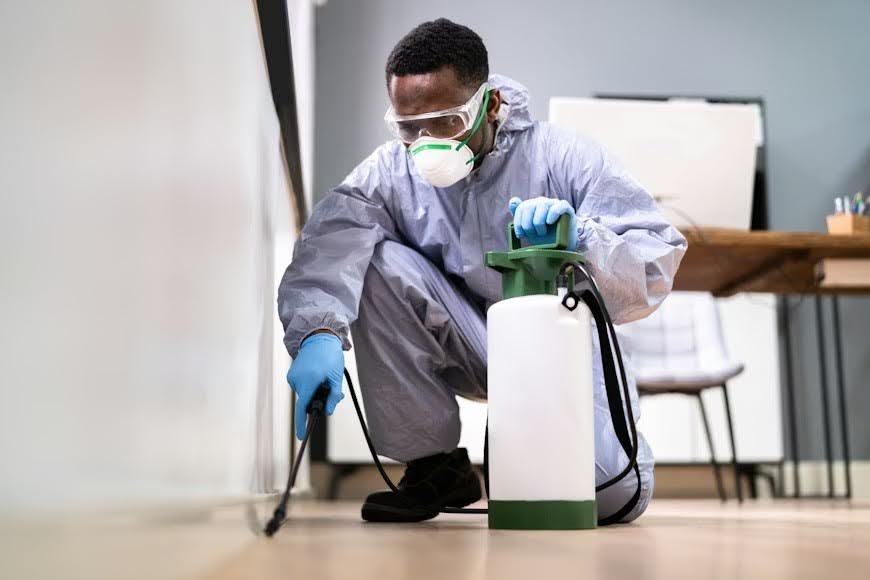
Best Baits & Insecticides for Each Type
The effectiveness of cockroach baits and insecticides varies significantly by species. For German cockroaches, gel baits containing fipronil or indoxacarb are highly effective when placed in small amounts at multiple locations near harborage areas.
Their communal feeding and grooming behaviors make baits particularly effective through secondary kill: roaches that consume bait return to the nest and contaminate others. For larger species such as American and Australian cockroaches, combined approaches often work best.
Insect growth regulators (IGRs) are valuable tools for cockroach management across all species. These compounds don’t kill adult roaches but prevent juveniles from developing properly, eventually breaking the reproductive cycle.
When combined with traditional insecticides or baits, IGRs provide long-term population suppression even after the initial treatment’s effectiveness diminishes.
For outdoor-dwelling species like Florida Woods and Australian cockroaches, granular baits applied to landscaped areas can significantly reduce populations before they have a chance to enter your home. Perimeter treatments around entry points, such as door gaps, vents, and utility openings, provide an additional layer of protection against these species.
Brown-banded cockroaches require a different strategy because they scatter across dry, elevated areas throughout the home rather than clustering near kitchens and bathrooms.
Placing bait stations and sticky traps in bedrooms, closets, behind picture frames, and near electronics is essential to target their preferred harborage areas. Since they distribute egg cases in hidden, elevated locations, thorough inspections of upper cabinets, shelving, and ceiling fixtures are critical to breaking their reproductive cycle.
Professional vs. DIY Treatment Options
While DIY roach control products are readily available, professional pest management offers several advantages for addressing South Florida’s resilient cockroach populations. Professional technicians can accurately identify cockroach species, locate hidden harborage areas, and apply commercial-grade products that aren’t available to consumers.
They also understand the biology and behavior of different roach species, enabling targeted treatment approaches that address the specific challenges each species poses.
For moderate to severe infestations, professional treatment is almost always more effective and often more economical in the long run. DIY treatments frequently fail because homeowners underestimate the extent of the infestation or apply products incorrectly.
Additionally, professionals can implement comprehensive integrated pest management (IPM) programs that combine multiple control strategies, including exclusion, habitat modification, and targeted chemical applications where needed.
Keep Your South Florida Home Roach-Free with 911 Home Helps
At 911 Home Helps, we specialize in roach control across South Florida, bringing over a decade of hands-on expertise to every job.
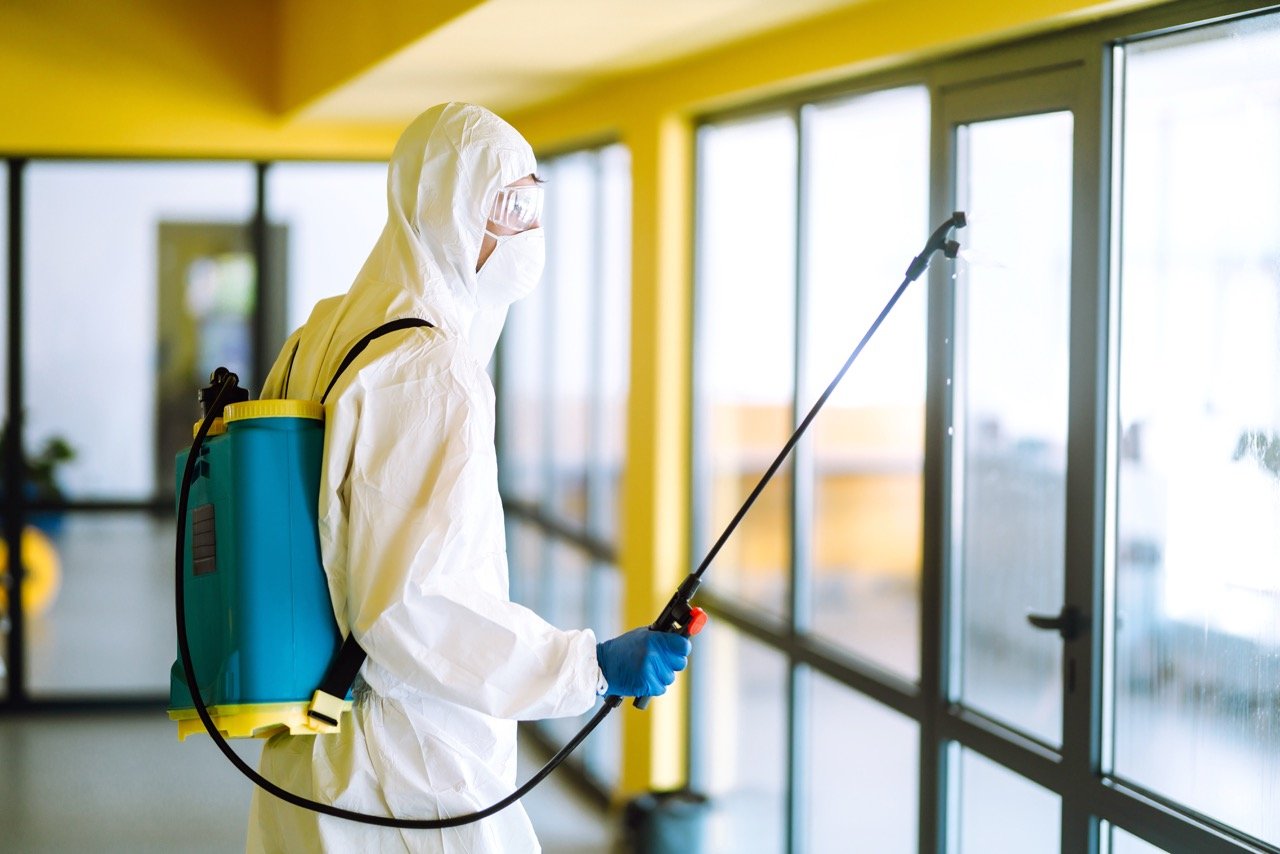
Our 3-step process starts with a free inspection to pinpoint the exact issue, followed by targeted treatments tailored to the specific species in your home. We also offer add-on services, such as sanitation and insulation, to help keep your property less attractive to future roach populations.
Don’t let a small problem turn into a full-blown infestation. Call 911 Home Helps today at (786) 269-6959 or email info@911homehelps.com to get a free inspection and take back your home.
Schedule Your Free Inspection Today→
Frequently Asked Questions (FAQs)
What is the most common type of roach in South Florida?
The American cockroach, widely known as the Palmetto bug, is the most commonly spotted roach in South Florida. These reddish-brown insects can grow up to 2 inches long and are frequently found outdoors in mulch, around palm trees, and in sewers.
They can also enter homes through cracks, pipes, and doorways, especially during rainy seasons.
Are palmetto bugs and cockroaches the same thing?
Yes. “Palmetto bug” is simply a regional nickname for the American cockroach. Despite their less alarming name, palmetto bugs are full-fledged cockroaches that can carry bacteria and allergens into your home.
They earned the nickname from their habit of sheltering under palmetto plants across Florida.
Why are German cockroaches so hard to get rid of?
German cockroaches reproduce at an extraordinary rate; a single female can generate over 30,000 descendants in one year under ideal conditions.
Their small size gives them access to countless hiding spots, and they’ve developed resistance to many common insecticides. They also live exclusively indoors, establishing colonies that require systematic, multi-method professional treatment to fully eliminate.
How can I tell if I have a roach infestation versus a random sighting?
A single adult roach indoors may be a stray that wandered in from outside.
However, finding baby roaches (nymphs), egg casings, droppings that resemble black pepper or coffee grounds, or seeing roaches during the day are strong indicators of an active breeding population within your home that needs prompt attention.
How can 911 Home Helps resolve my roach problem?
911 Home Helps uses a proven 3-step process: a free, comprehensive inspection to identify the species and locate harborage areas; targeted treatments using safe, potent methods tailored to the specific roach type; and optional add-on services, including sanitation and insulation, to prevent future infestations.
With over a decade of experience serving South Florida, our trained team handles properties of all kinds and sizes. Call us at (786) 269-6959 to get started.
*Disclaimer: Results may vary depending on the severity of the infestation and the property’s condition. Pricing varies by service type and property size. Contact 911 Home Helps for a free inspection and personalized quote.