Key Takeaways
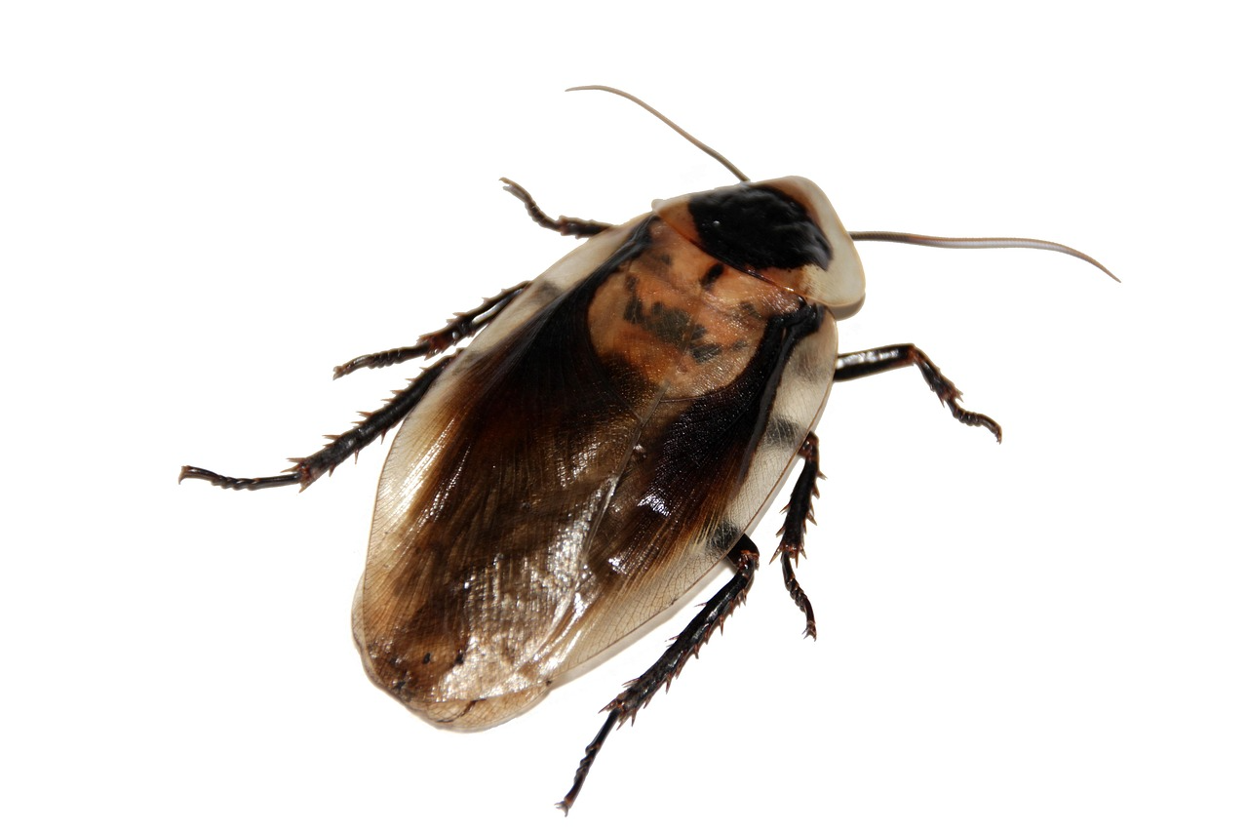
● Roach droppings look like black pepper or coffee grounds (small species) or dark cylindrical pellets with ridges (large species), while termite droppings are tiny, hard, six-sided capsules that pile up like sawdust.
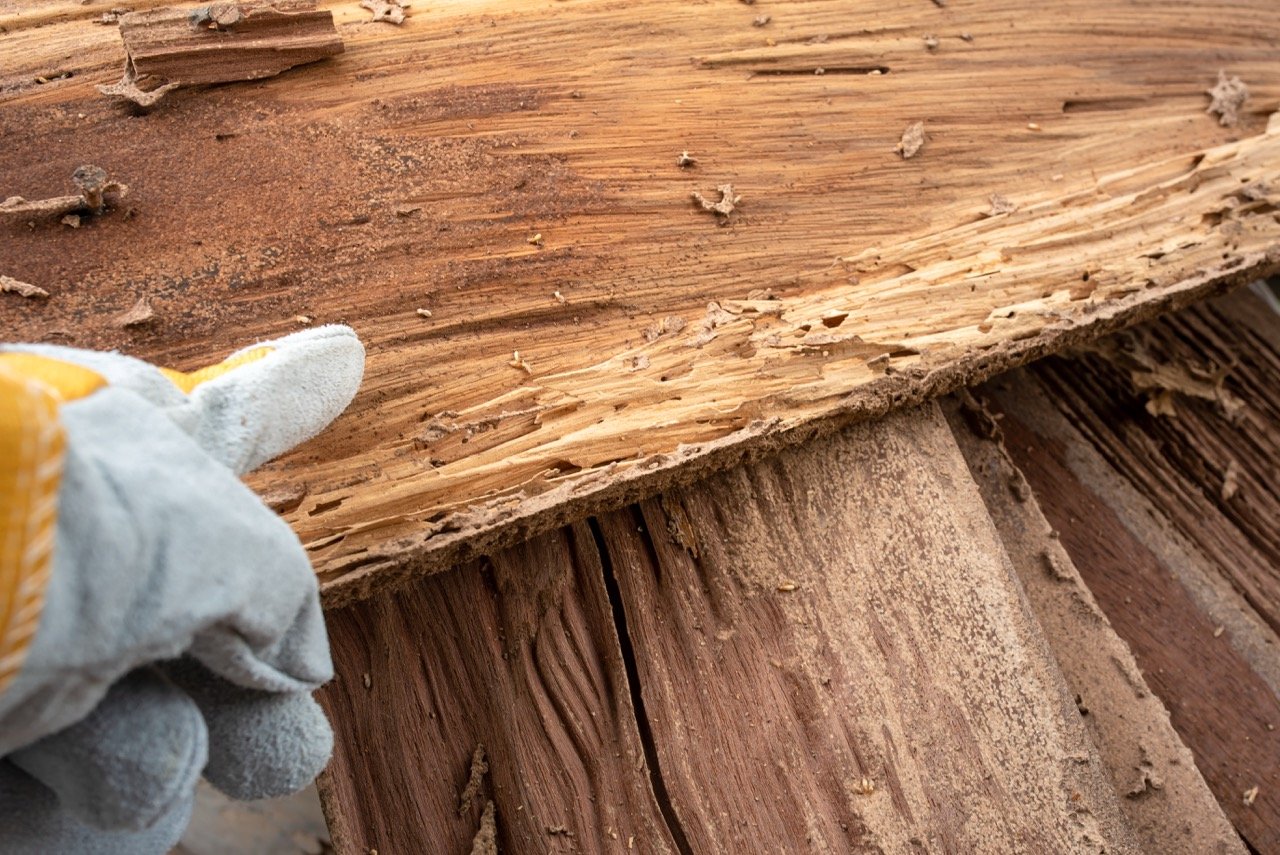
● Location matters: roach droppings scatter across surfaces they travel, while termite frass piles up neatly below kick-out holes in wood.
● Both roach and termite droppings are serious warning signs; one threatens your health, the other threatens your home’s structure.
● 911 Home Helps identifies and treats both roaches and termites using a proven 3-step process: free inspection, targeted treatment, and optional sanitation services to eliminate the problem correctly.
Roach vs Termite Droppings: Here Is How to Tell Them Apart Fast
Finding unidentified droppings in your home is unsettling, but knowing exactly what you’re looking at can mean the difference between a quick fix and thousands of dollars in damage.
Roach droppings and termite droppings are two of the most commonly confused pest leavings, and it’s easy to see why. Both are small, dark, and easy to dismiss as dirt or dust. But they have distinct characteristics in size, shape, texture, and location that give away which pest you’re dealing with.
Roach droppings are dark brown or black, smeared or pellet-shaped, and scattered along travel paths. Termite droppings (frass) are tiny, hard, six-sided pellets with rounded ends that pile up in neat mounds below infested wood. Let’s break down each one in detail so there’s zero guesswork.
911 Home Helps: Miami’s Most Trusted Pest Control Experts!
Family-Owned Excellence | 4.9★ Google Rating

Protect Your Home & Family: Comprehensive pest elimination for homes and businesses in Miami-Dade and Broward Counties. From termites to mosquitoes, we deliver fast, effective solutions with honest pricing and clear communication every step of the way.
Why Choose Us:
- ✓ Free inspection and consultation, no obligations
- ✓ Tent & tentless termite treatments (Drywood, Subterranean & Formosan)
- ✓ Comprehensive rodent, roach, and mosquito control
- ✓ TAP Insulation for year-round energy savings
- ✓ Family-owned with trained, certified technicians
Your home deserves protection you can trust. We’re local, fast, and always transparent.
What Roach Droppings Look Like
German Cockroach Droppings: Size, Shape & Color
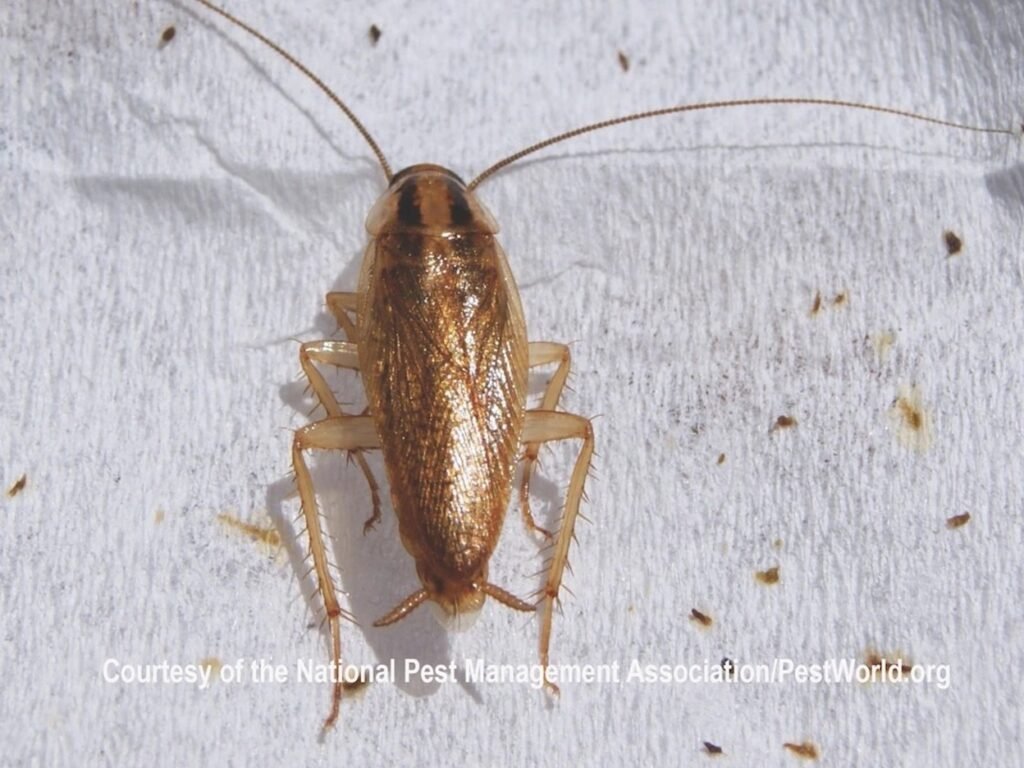
German cockroach droppings are tiny, roughly 1 millimeter in size, and look almost identical to ground black pepper or fine coffee grounds. They are dark brown to black in color and appear as small, irregular specks or smears rather than distinct pellets.
Because German cockroaches are the most common indoor roach species, homeowners most often encounter their droppings first. You’ll often find them concentrated in specific spots because roaches defecate where they rest and feed.
One important health note: roach droppings contain proteins known to trigger asthma attacks and allergic reactions, particularly in children. This is a nuisance issue and a public health concern.
American Cockroach Droppings: Size, Shape & Color
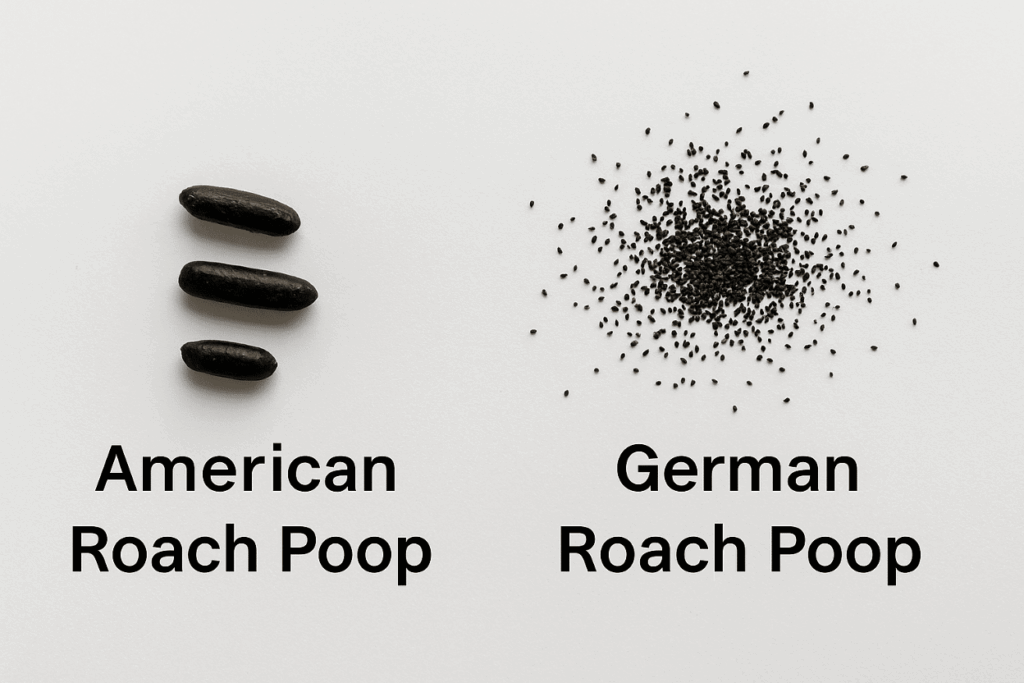
American cockroach droppings are cylindrical, dark brown to black, and measure up to ¼ inch in length. The key distinguishing feature is the ridges that run along the sides of each pellet. Mouse droppings are smooth; roach droppings are not.
The tips of American cockroach droppings are blunt and rounded, whereas mouse droppings taper to a point at both ends. If you’re unsure whether you’re dealing with roaches or mice, that ridge detail is the fastest way to tell them apart.
What Termite Droppings Look Like
Subterranean Termite Tubes
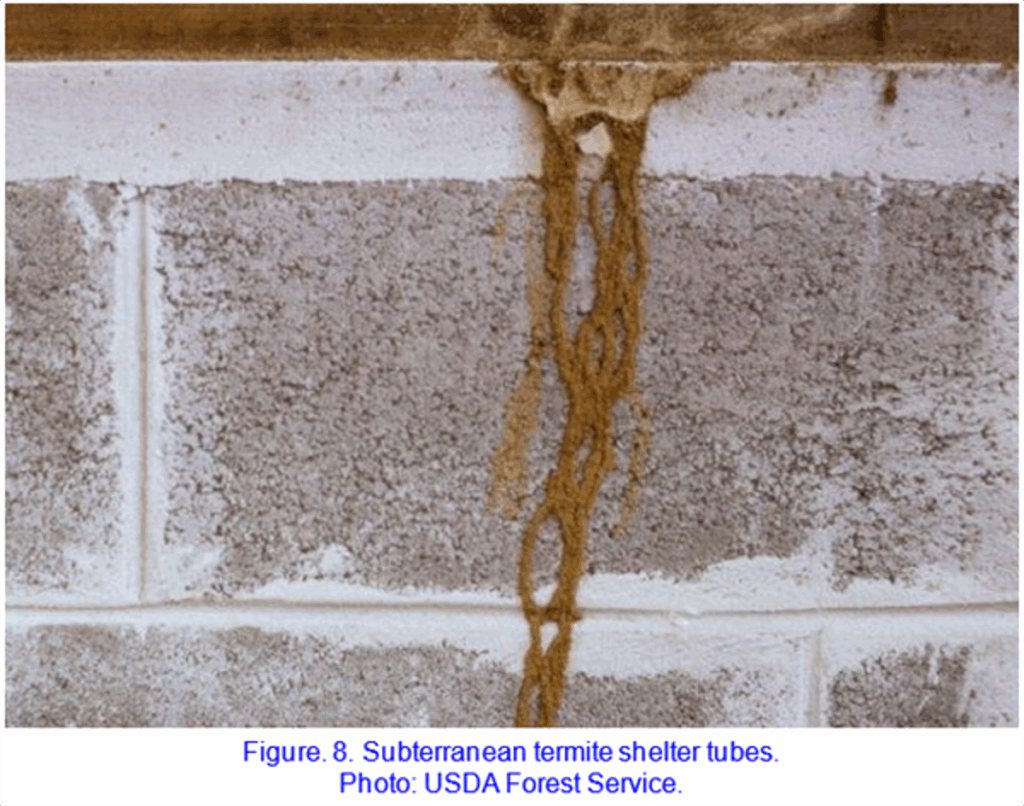
Here’s something most homeowners don’t know: not all termites leave visible droppings. Subterranean termites, the most destructive termite species in the U.S., use their feces to build mud tubes and tunnel linings, so you’ll never find their frass sitting out in the open.
These mud tubes are pencil-width tunnels made of soil, wood particles, and termite excrement, and they typically run along foundation walls, floor joists, and plumbing penetrations. Their purpose is to maintain the moisture subterranean termites need to survive while providing a protected path between the underground colony and the wood inside your home.
If you break open an active mud tube, you’ll often see live termites moving through it. Finding mud tubes on your foundation is one of the clearest signs of a subterranean termite infestation, even though you’ll never find a single visible dropping from this species.
The termites that do leave visible droppings are drywood termites, and their frass has a very specific appearance that sets it apart from almost every other pest.
Drywood Termite Droppings: Size, Shape & Color
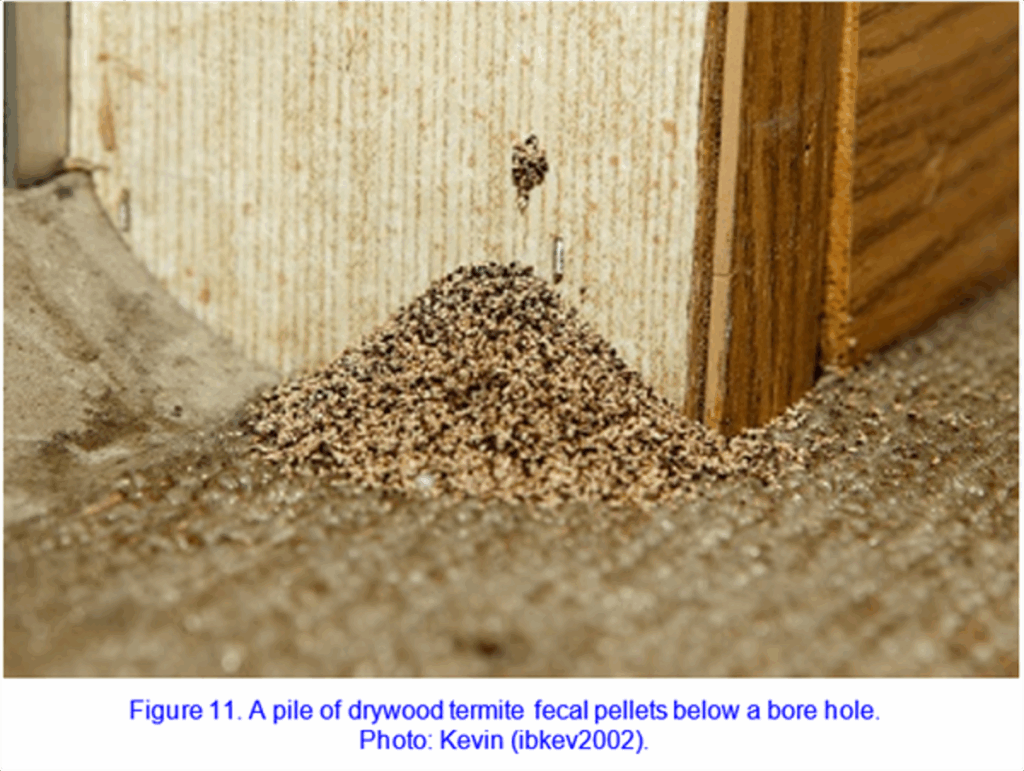
Drywood termite frass is unlike anything else you’ll find in your home. Each dropping is a tiny, hard capsule, roughly 1 millimeter long, with six concave sides and rounded ends. This six-sided shape is the most reliable way to confirm you’re dealing with drywood termites, not any other pest. Under a magnifying glass, the geometric shape is unmistakable.
The color of drywood termite droppings varies depending on the type of wood being consumed, ranging from light tan and beige to dark brown or almost black. A single pile of frass can contain multiple shades because termites move through different wood sections over time. The pellets are always dry, hard, and will not smear when touched, a critical difference from roach droppings.
Roach Droppings vs Termite Droppings: Side-by-Side Comparison
| Feature | Roach Droppings | Termite Droppings (Drywood) |
|---|---|---|
| Size | 1mm (German cockroach) to 1/4 inch (American cockroach) | Approximately 1mm, uniform across the pile |
| Shape | Irregular specks (small species) or ridged cylinders with blunt ends (large species) | Six-sided capsule with concave sides and rounded ends; consistent across every pellet |
| Color | Consistently dark brown to black regardless of species | Varies from light tan to dark brown or black, depending on the wood consumed |
| Texture | Soft; will smear when pressed with a gloved finger | Hard and granular; feels like coarse sand, will not smear |
| Smell | Musty, oily odor that intensifies with heavy infestations | No noticeable odor |
| Distribution Pattern | Scattered along travel paths, follows the roach’s movement across surfaces | Neat, cone-shaped piles directly below kick-out holes in infested wood |
| Typical Location | Kitchens, bathrooms, pantries, behind appliances, under sinks | Near wooden structures, windowsills, baseboards, attic framing |
| Recurrence After Cleaning | Reappears scattered across the same travel paths within 24–48 hours | Reappears in the same spot directly below the kick-out hole |
| Commonly Confused With | Ground black pepper, coffee grounds, or mouse droppings | Sawdust, fine sand, or construction debris |
| What It Signals | Active roach population, health risk from allergens and bacteria | Active drywood termite colony, structural damage already underway |
If You Found Droppings, Call 911 Home Helps to Fix It
Finding droppings is unsettling, but we help you identify whether it is roach or termite frass by examining texture, shape, color, and location. Knowing the difference puts you in control and helps prevent a small issue from becoming a larger infestation.
At 911 Home Helps, we bring over a decade of experience using a 3-step process: free inspection, accurate identification, and targeted treatment. We handle roaches, termites, and more with lasting solutions. Contact us today for a free inspection and clear answers.
Schedule Your Free Inspection Today→
Frequently Asked Questions (FAQs)
How can I tell the difference between roach and termite droppings at a glance?
Press a gloved finger across the droppings. Roach frass smears dark; termite frass feels like hard sand and won’t smear. Shape confirms it, termite pellets are uniform six-sided capsules, while roach droppings are irregular specks or ridged cylinders. Scattered droppings near food mean roaches; neat piles near wood mean termites.
Are roach or termite droppings dangerous to my family’s health?
Roach droppings contain proteins that trigger asthma and allergic reactions, especially in children. Termite droppings aren’t directly toxic, but what they signal, active structural damage to your home’s wood framing, is the bigger danger, often compounding silently for years before discovery.
Can roach droppings be mistaken for termite frass, and vice versa?
Yes, especially German cockroach specks, which are similar in size to termite frass. Termite frass is also frequently dismissed as sawdust. The key distinctions are texture, geometric shape, and pile pattern. If unsure, clean the area and check again in 48 hours; fresh droppings confirm an active infestation.
What should I do immediately after finding unidentified droppings in my home?
Document the location with photos. Check nearby wood for kick-out holes (termites) or moisture sources (roaches). Clean the area and return in 24–48 hours. If fresh droppings appear, the infestation is active, and professional treatment is the most effective next step.
How can 911 Home Helps if I’ve found droppings but can’t identify the pest?
911 Home Helps’ free inspection starts with accurate identification. We confirm the pest, locate the full extent of the infestation, and build a treatment plan targeting the specific species. Misidentification leads to the wrong treatment and wasted time; we make sure that doesn’t happen. Call (786) 269-6959 to schedule.
*Disclaimer: Results may vary depending on the severity of the infestation and the property’s condition. Pricing varies by service type and property size. Contact 911 Home Helps for a free inspection and personalized quote.