Key Takeaways
● Rats in walls leave behind multiple clues: sounds, smells, marks, and physical damage that most homeowners miss until the infestation is severe.
● Scratching noises at night are one of the earliest and most reliable signs of rats living inside your walls.
● Some signs, like greasy smudge marks and ammonia-like odors, point specifically to rats rather than mice or other pests.
● 911 Home Helps deliver a complete rodent solution, not just a temporary fix. From free inspection to targeted treatment and post-infestation sanitation, our 3-step process eliminates rats and protects your home against future invasions.
Rats in Your Walls Are Easier to Spot Than You Think
Rats don’t move in quietly. They gnaw, they nest, they leave droppings, and they mark their paths with grease from their fur. The problem isn’t that they hide their presence; it’s that homeowners often mistake the signs for something else or don’t recognize them until the infestation has grown significantly.
Knowing what to look for and listen to can make all the difference. In this article, we will discuss 10 signs that indicate you have rats in your walls, and exactly what each one means.
911 Home Helps: Miami’s Most Trusted Pest Control Experts!
Family-Owned Excellence | 4.9★ Google Rating

Protect Your Home & Family: Comprehensive pest elimination for homes and businesses in Miami-Dade and Broward Counties. From termites to mosquitoes, we deliver fast, effective solutions with honest pricing and clear communication every step of the way.
Why Choose Us:
- ✓ Free inspection and consultation, no obligations
- ✓ Tent & tentless termite treatments (Drywood, Subterranean & Formosan)
- ✓ Comprehensive rodent, roach, and mosquito control
- ✓ TAP Insulation for year-round energy savings
- ✓ Family-owned with trained, certified technicians
Your home deserves protection you can trust. We’re local, fast, and always transparent.
10 Signs You Have Rats in Your Walls
1. Scratching or Scurrying Sounds at Night
This is the sign that sends most people to search online at 2 a.m. Rats are nocturnal, which means they’re most active between dusk and dawn. During those hours, they scratch, gnaw, and scurry through wall cavities, ceiling spaces, and floor voids. The sounds are often described as rapid, light scratching, similar to fingernails on wood, or a quick pattering movement that starts and stops.
The location of the sound matters. Scratching near the base of walls often points to rats moving through floor-level cavities. Sounds higher up, near the ceiling line, suggest they’ve accessed the wall from the attic or roof entry points. Gnawing sounds are slower and more rhythmic, and usually mean they’re chewing through a material to expand their access.
2. Gnaw Marks on Wood, Wires, or Pipes
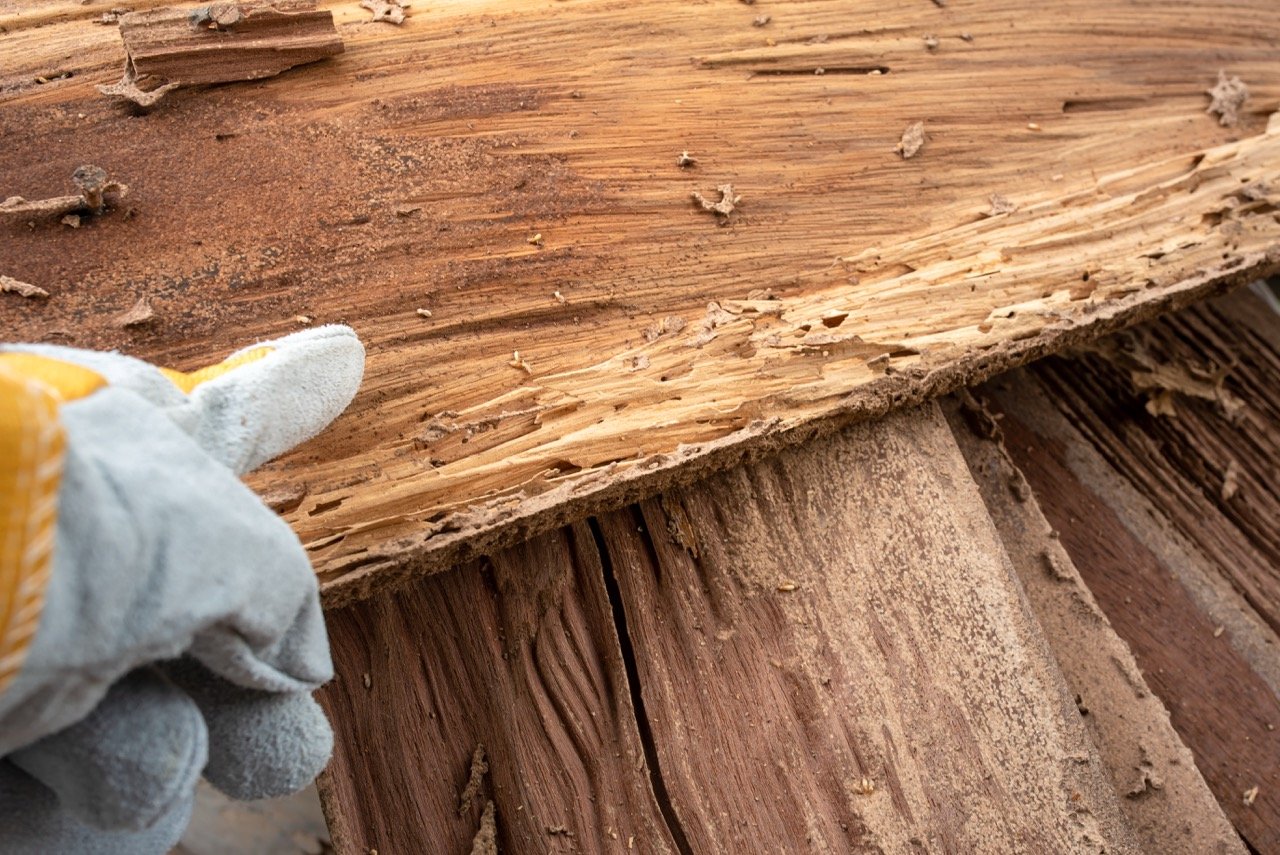
Rats have incisors that never stop growing, which means they never stop chewing. Inside walls, they’ll gnaw through wooden studs, plastic pipe fittings, and electrical wiring without hesitation.
Chewed wiring is particularly serious; it’s one of the leading causes of house fires linked to rodent infestations. Look for gnaw marks around entry points, baseboards, pipe openings, and any area where different materials meet.
Fresh gnaw marks are lighter in color. Older marks darken over time from exposure and grease. If you’re seeing light-colored, rough-edged marks, the activity is current and ongoing.
3. Dark, Pellet-Shaped Droppings
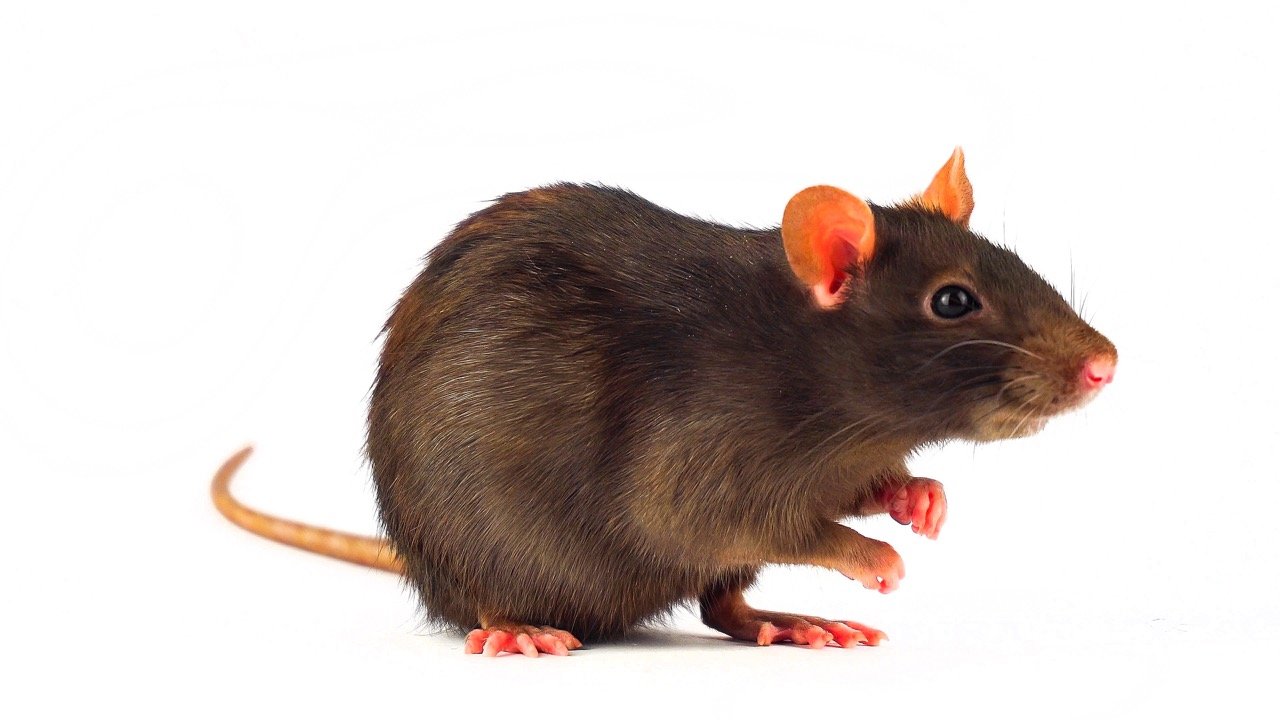
Rat droppings are dark brown to black, roughly 12–20mm long, and shaped like a capsule or spindle. They’re noticeably larger than mouse droppings, which average only 3–6mm.
You’ll most often find them concentrated near food sources, along baseboards, inside cabinets, near attic access points, or clustered at the base of walls where rats enter and exit. A single rat can produce 40–50 droppings per day, so even a small infestation leaves a visible trail quickly.
4. A Strong Ammonia or Musty Smell
Rat urine has a sharp, ammonia-like odor that intensifies in enclosed spaces. Inside a wall cavity, that smell can build up significantly before it becomes noticeable on the other side.
If a room suddenly has a persistent musty or sharp chemical smell that doesn’t go away with cleaning, that’s a red flag. The odor is especially strong near baseboards, behind appliances, or in corners where rats frequently travel and urinate to mark their routes.
5. Greasy Smudge Marks Along Walls
Rats follow the same routes repeatedly, pressing their bodies against walls and surfaces as they move. Over time, the natural oils and dirt in their fur leave behind dark, greasy streaks along baseboards, door frames, and the lower sections of walls.
These marks, sometimes called “rub marks” or “grease marks,” are among the most specific indicators of rats among other pests. Mice don’t produce them as prominently because they are smaller. If you see dark, oily smudges at rat height along a wall that won’t wipe clean easily, that’s a reliable sign of repeated rat traffic.
6. Rat Nests Made From Shredded Material
Rats build nests in warm, hidden spots, and wall cavities are ideal. Inside walls, they’ll pull in insulation, shredded paper, fabric scraps, cardboard, and anything soft they can carry. The nest itself is a dense, matted clump of material packed into a corner or void.
You’re unlikely to see the nest directly unless you open a wall, but you may find shredded material near baseboards, behind appliances, or around pipe openings that lead back into the wall.
7. Visible Footprints or Tail Drag Marks
In dusty areas, attic floors, basement corners, or spaces behind large appliances, rats leave clear footprints. Their front paws leave four-toed prints while their back paws leave five-toed prints, typically 20–25mm in length for a common Norway rat.
Between the footprints, you’ll often see a thin drag line from their tail running through the dust. To check for activity in a suspect area, sprinkle a thin layer of flour or talcum powder along a baseboard overnight and check it in the morning. Fresh tracks confirm active movement.
8. Pets Acting Strangely Near Walls or Floors
Dogs and cats can detect rats by smell and hearing long before humans can see any visible signs. If your pet is suddenly fixated on a specific section of wall, pawing at it, sniffing intently, barking or whining at nothing visible, take it seriously.
This behavioral change is often one of the earliest warning signs, sometimes appearing days before any physical evidence becomes apparent. If your pet is circling the same corner of a room repeatedly over multiple nights, that section of the wall deserves a closer inspection.
9. Holes or Structural Damage in Walls & Floors
Rats can chew through surprisingly tough materials. A rat only needs a gap of about an inch to squeeze through, roughly the diameter of a quarter. Once inside a wall, they widen that access point over time, creating a clear entry hole that other rats can use.
Norway rats, the most common home-invading species in North America, tend to enter at ground level near foundations, while roof rats access homes from above through rooflines and utility lines.
10. A Dead Rat Smell Coming From Inside a Wall
A rat that dies inside a wall cavity produces a smell that’s impossible to ignore once it starts. It begins as a faint, sweet-sour odor within the first 24–48 hours and progresses into a heavy, putrid smell within 3–5 days, depending on temperature and humidity. In warmer months, decomposition accelerates significantly. The smell can permeate through drywall and linger in a room for weeks.
Locating the source requires following the strongest point of the odor, which often concentrates near an outlet, a baseboard gap, or a vent, where air moves through from inside the wall. In some cases, removal requires cutting into the drywall to extract the carcass and sanitize the area. Leaving it in place is not an option if you want the smell to resolve in a reasonable timeframe.

Stop Rats in Your Walls With 911 Home Helps
The signs are there if you know what to look for. Individually, each of these clues is easy to dismiss. Together, they tell a clear story: rats have moved in, and they’re not planning to leave. At 911 Home Helps, we’ve spent over a decade helping South Florida homeowners identify and eliminate rat infestations before they spiral into costly structural and health emergencies.
Our team doesn’t guess; we inspect thoroughly, treat strategically, and follow through with sanitation services that address what’s left behind long after the rats are gone. If any of the signs in this article sound familiar, don’t wait for the problem to get worse. Reach out to 911 Home Helps today for a free inspection and let our experienced team handle what’s living inside your walls, permanently.
Schedule Your Free Inspection Today→
Frequently Asked Questions (FAQs)
What are the most common signs of rats in walls?
The most telling signs include scratching or scurrying noises at night, dark pellet-shaped droppings near baseboards, greasy smudge marks along walls, a sharp ammonia-like odor, and gnaw marks on wood, wires, or pipes.
Finding shredded nesting material near baseboards or wall openings is a more serious indicator; it means rats aren’t just passing through but have settled in and may already be breeding.
How dangerous are rats living inside walls?
Extremely dangerous, even without direct contact. Rat urine, droppings, and dander dry out in wall cavities and become airborne, creating indirect exposure risks for diseases such as Hantavirus, Leptospirosis, and Salmonellosis.
Rats also chew through electrical wiring inside walls, a leading cause of house fires, making a wall infestation both a health and a structural safety issue that demands prompt attention.
Will DIY traps be enough to get rid of rats in my walls?
DIY snap traps can work for early-stage, localized activity, particularly when entry points are visible and limited. However, if you’re hearing sounds in multiple walls, finding droppings in several rooms, or the activity hasn’t slowed after two weeks of trapping, the infestation has grown beyond what traps alone can resolve.
Professional treatment becomes essential when rats have accessed walls through the roof or foundation, as those areas require specialized inspection equipment and exclusion expertise.
How can 911 Home Helps resolve a rat infestation in my walls?
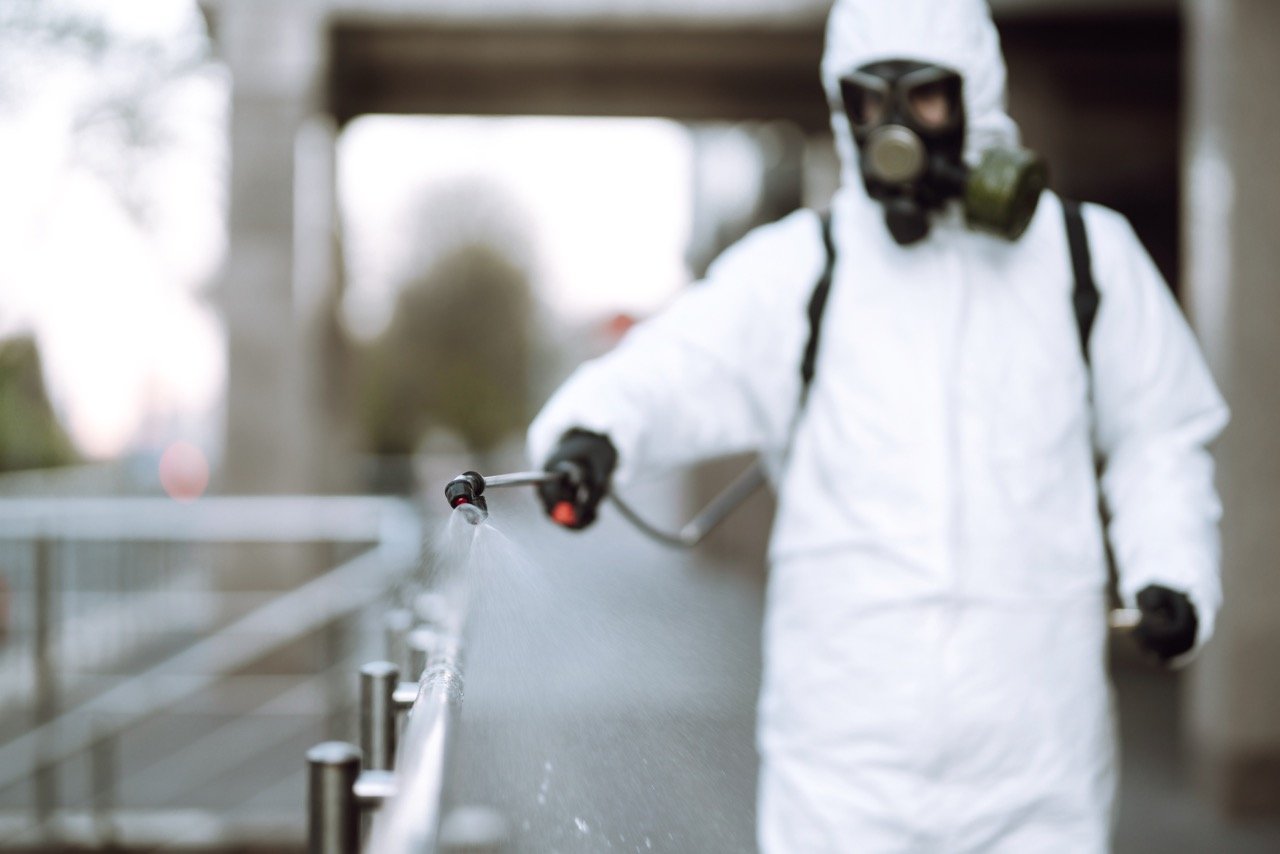
At 911 Home Helps, we tackle rat infestations using our proven 3-step process. It begins with a thorough free inspection to pinpoint every entry point and affected zone, including areas most homeowners overlook.
From there, we apply a customized targeted treatment designed to eliminate rats at all life stages, not just the ones you can hear. We round it out with add-on sanitation and insulation restoration services to address the hazardous residue left by rats, delivering a complete, long-lasting solution. Call us at (786) 269-6959 to get started.
*Disclaimer: Results may vary depending on the severity of the infestation and the property’s condition. Pricing varies by service type and property size. Contact 911 Home Helps for a free inspection and personalized quote.