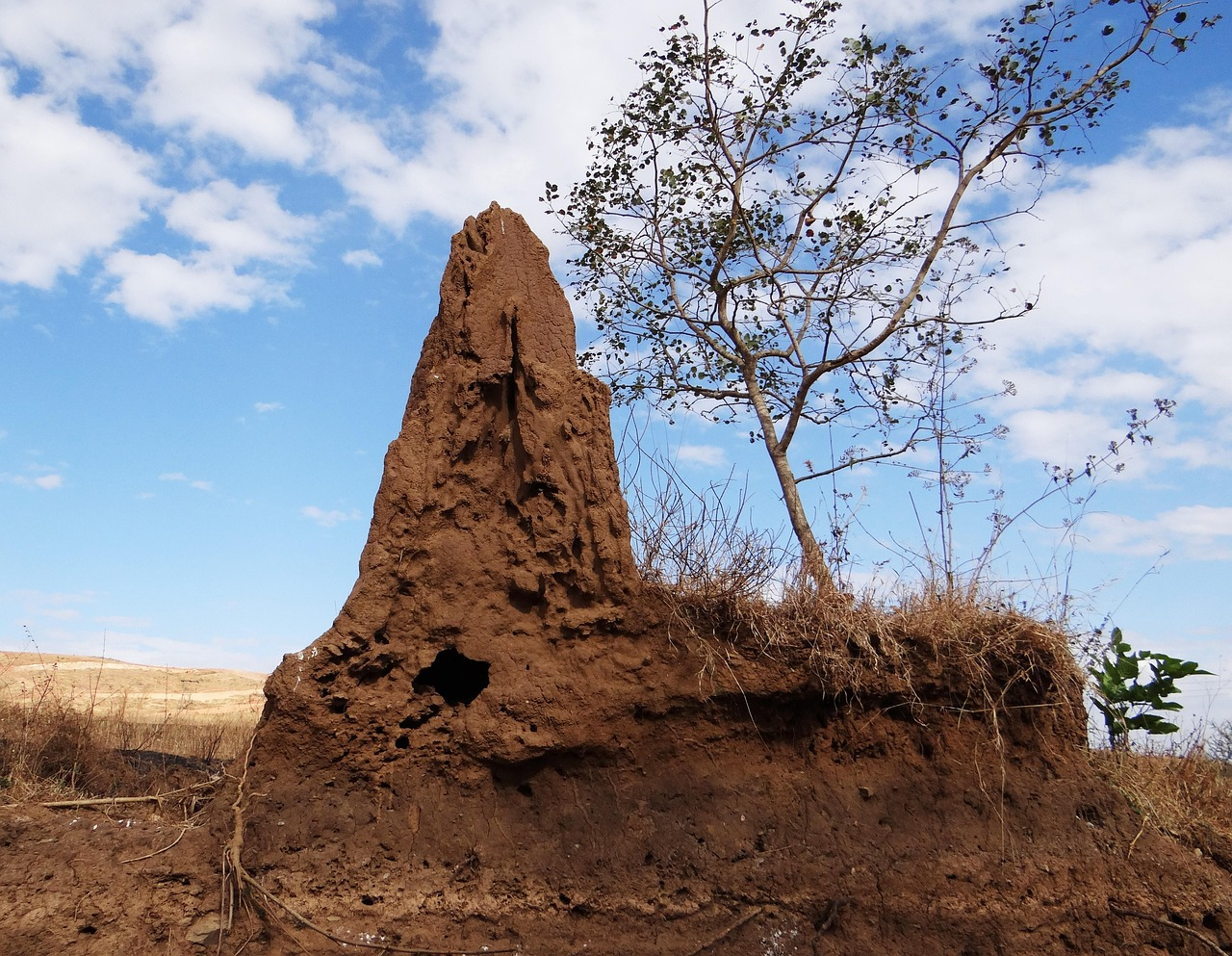
Older homes often come with architectural charm, but they also carry a hidden challenge: vulnerability to pests. The age of the structure, combined with years of wear and tear, creates ideal conditions for pests to find their way indoors. Cracks in the foundation, deteriorated weather stripping, and outdated construction methods can all contribute to a persistent problem if left unaddressed.
Identifying and managing pest entry points is a critical step in safeguarding your household and preserving the integrity of your home. Whether it’s rodents seeking shelter or insects infiltrating through moisture-damaged walls, older homes demand a strategic approach to pest prevention. This article outlines where to look, what to watch out for, and why expert intervention often leads to the most effective and lasting results.

Common Pest Entry Points to Watch For
A thorough inspection of your home’s exterior and interior is the first line of defense. Older homes can have numerous vulnerabilities that pests exploit. Here are the most common areas where pests typically gain access:
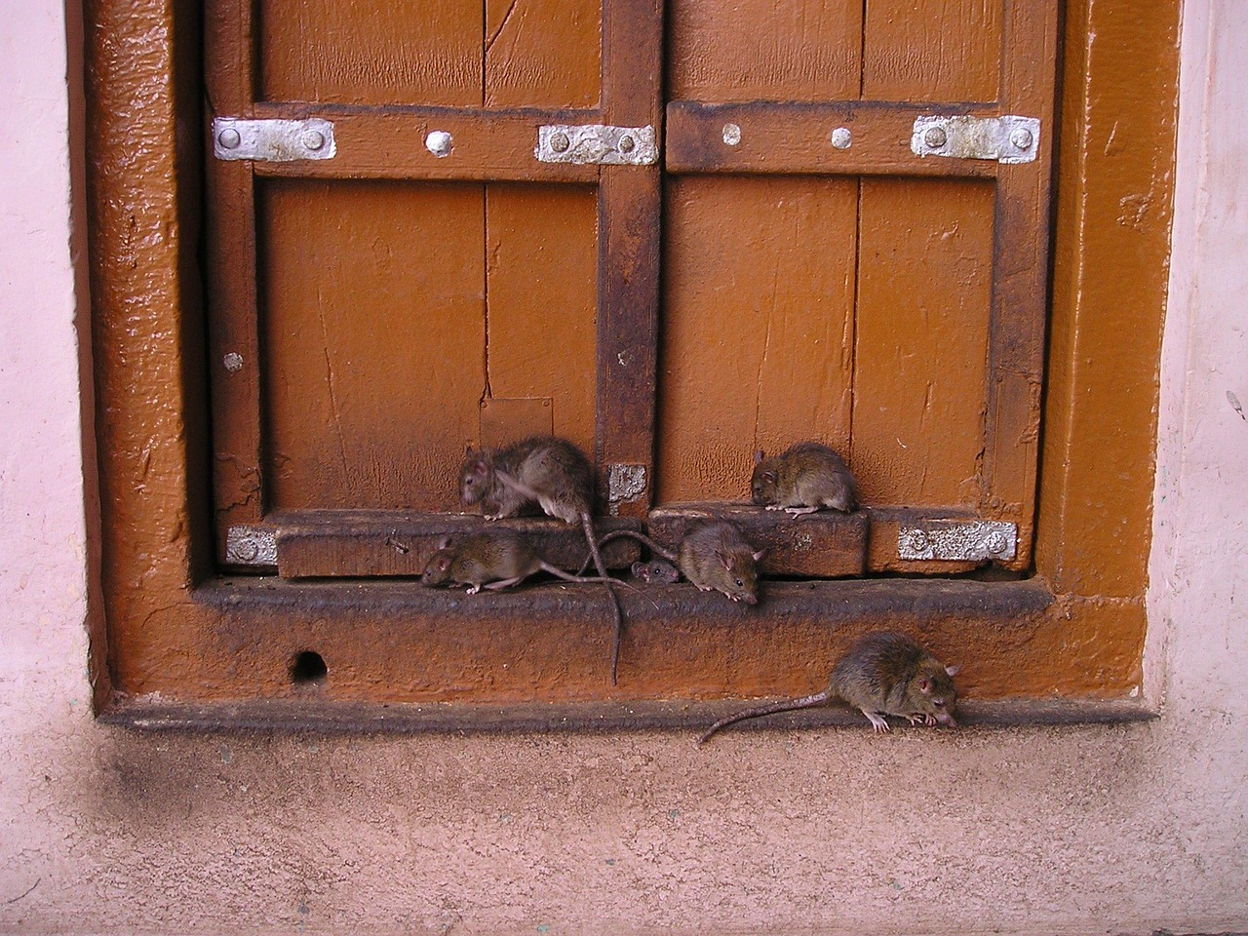
- Gaps in doors and windows: Over time, door frames and window sashes can warp or shift, leaving gaps that allow ants, spiders, and even rodents inside.
- Cracks in the foundation or siding: These often form due to settling or moisture damage, providing easy routes for termites and other insects.
- Damaged rooflines and soffits: Areas where fascia boards or shingles are deteriorated can be exploited by squirrels, bats, and birds.
- Utility entry points: Holes around pipes, vents, and electrical lines create ready-made pathways for a variety of pests.
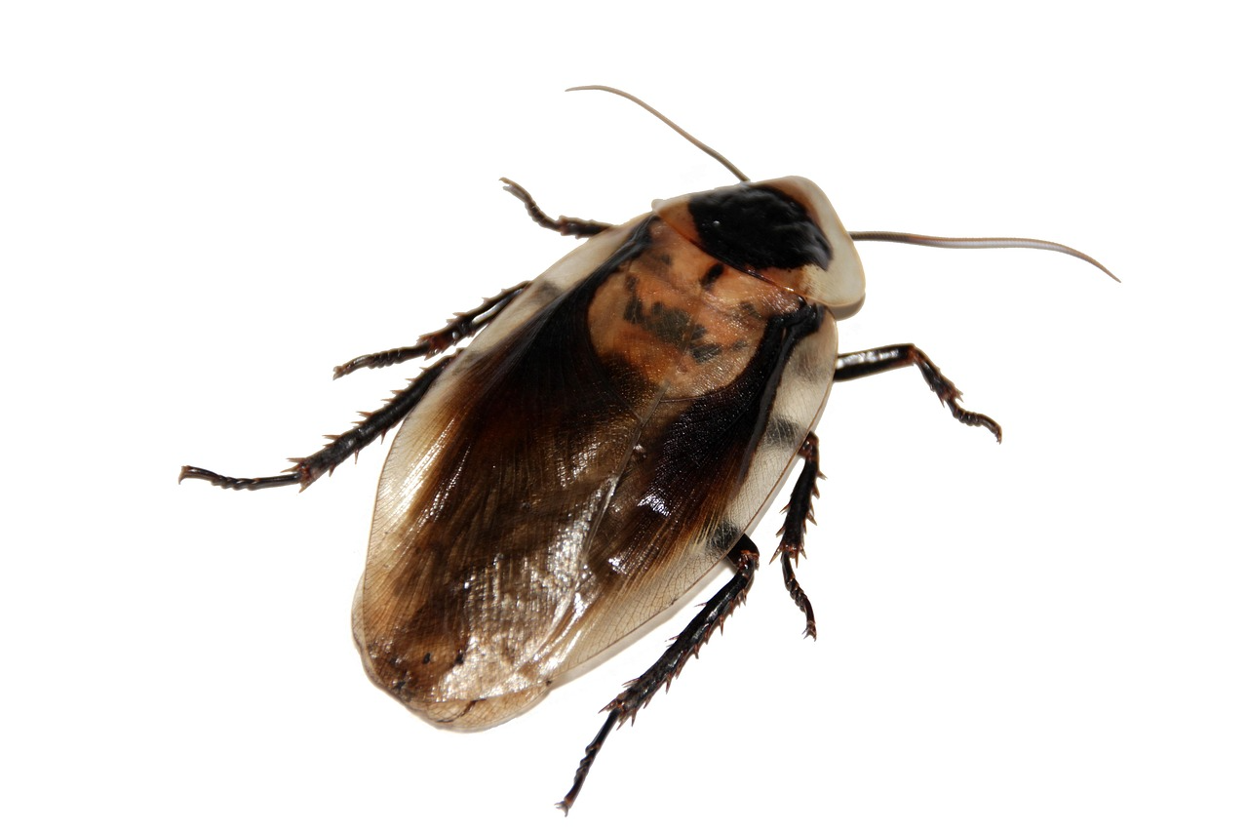
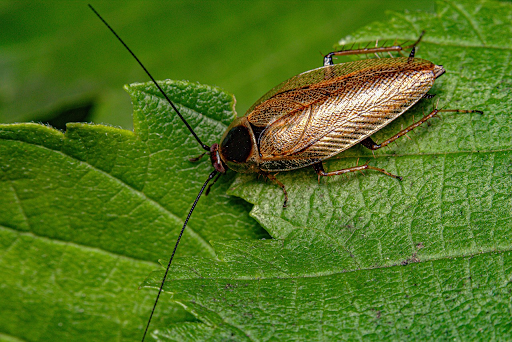
- Basement and crawl space vents: Insufficiently screened or sealed vents allow rodents and cockroaches to easily access your home.
Recognizing these vulnerabilities early can lead to timely and cost-effective interventions, preventing a minor nuisance from turning into a full-blown infestation.
Why Older Homes Are Especially Vulnerable
Time inevitably takes its toll on older properties. Original building materials may no longer meet modern standards or have been degraded by exposure to the elements. Issues like wood rot, settling foundations, and outdated ventilation systems contribute to this vulnerability.
Moreover, past repairs may have been temporary fixes that create an environment where pests easily exploit structural weaknesses. Moisture accumulation behind walls not only invites pest activity but can also complicate remediation efforts. In homes where children are present, ensuring bed bug safety is particularly important as even minor infestations can escalate into a health risk over time.
Sealing and Managing Entry Points Effectively
Once pest entry points are identified, sealing them properly is key to long-term protection. Consider these best practices to safeguard your home:
- Use pest-proof materials: Opt for durable sealing options like caulk, copper mesh, and steel wool rather than standard fillers that pests can easily breach.
- Prioritize moisture control: Repair leaks, replace rotted wood, and ensure proper drainage to make the environment less attractive to pests.
- Schedule seasonal inspections: Weather changes can alter entry points, so a regular inspection helps keep defenses robust all year.
While proper sealing is essential, it is only one part of an integrated approach to pest management. In some cases, the problem may extend beyond the exterior, requiring specialized treatment.
When It’s Time to Call a Professional
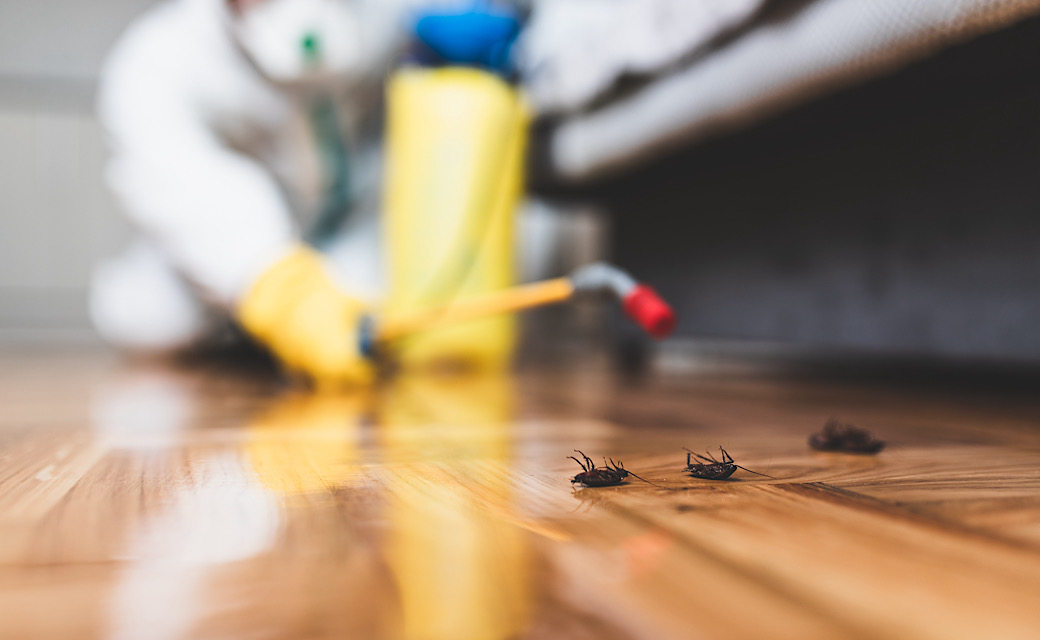
DIY solutions may seem appealing, but they often only address surface issues. Older homes, in particular, require experienced professionals who have the expertise and equipment to detect deep-seated problems, such as termite infestations within walls or rodent nests in inaccessible areas.
Choosing the right expert means opting for a pest control choice that focuses on long-term, sustainable solutions rather than temporary fixes. Professionals are trained to distinguish between harmless gaps and high-risk pest entry points. Their thorough inspections and effective treatments ensure that any existing infestation is addressed before preventative measures are implemented. Trusting trained experts often saves time, money, and stress in the long term.
Long-Term Maintenance for Lasting Protection
Securing your home against pests is not a one-time effort. Long-term maintenance is crucial for lasting protection and includes the following strategies:
- Installing door sweeps and upgrading weather stripping
- Screening vents and sealing unused chimneys
- Replacing deteriorated insulation and repairing structural weaknesses
- Keeping outdoor foliage and stored firewood at a safe distance from the home
- Scheduling annual professional pest inspections
Incorporating these practices into your seasonal home care routine not only helps keep pests at bay but also preserves the longevity of your structure. By addressing issues proactively, you can maintain the comfort and safety of your home for years to come.
Your Path to a Pest-Free Home
Ready to secure your home against pests? Let the experts at 911 Pests Experts provide you with a lasting solution tailored to your needs.