Landscaping isn’t just about curb appeal, as it also plays a powerful role in how pests interact with your home. Trees, grass, mulch, and garden beds may seem harmless, but when not maintained properly, these features can create ideal environments for pests to thrive and find access into your living space. Understanding the connection between outdoor design and indoor pest issues can help families take proactive steps toward long-term pest prevention.
This article explains how landscaping influences pest activity and outlines expert-backed methods to keep your yard from becoming a pest magnet.
How Pests Use Your Yard to Get Inside
Your lawn and garden may appear well-managed, but for pests, they can serve as a launchpad to invade your home. Moist soil, tall grass, and cluttered plant beds provide the food, water, and shelter that common household pests need.
Some of the most frequent culprits include:
- Ants and cockroaches, which build colonies in mulch or beneath stones before making their way indoors.
- Fleas and ticks, especially in shaded, overgrown areas where pets play or rest.
- Mosquitoes, which breed in standing water found in planters, clogged gutters, or even puddles near irrigation systems.
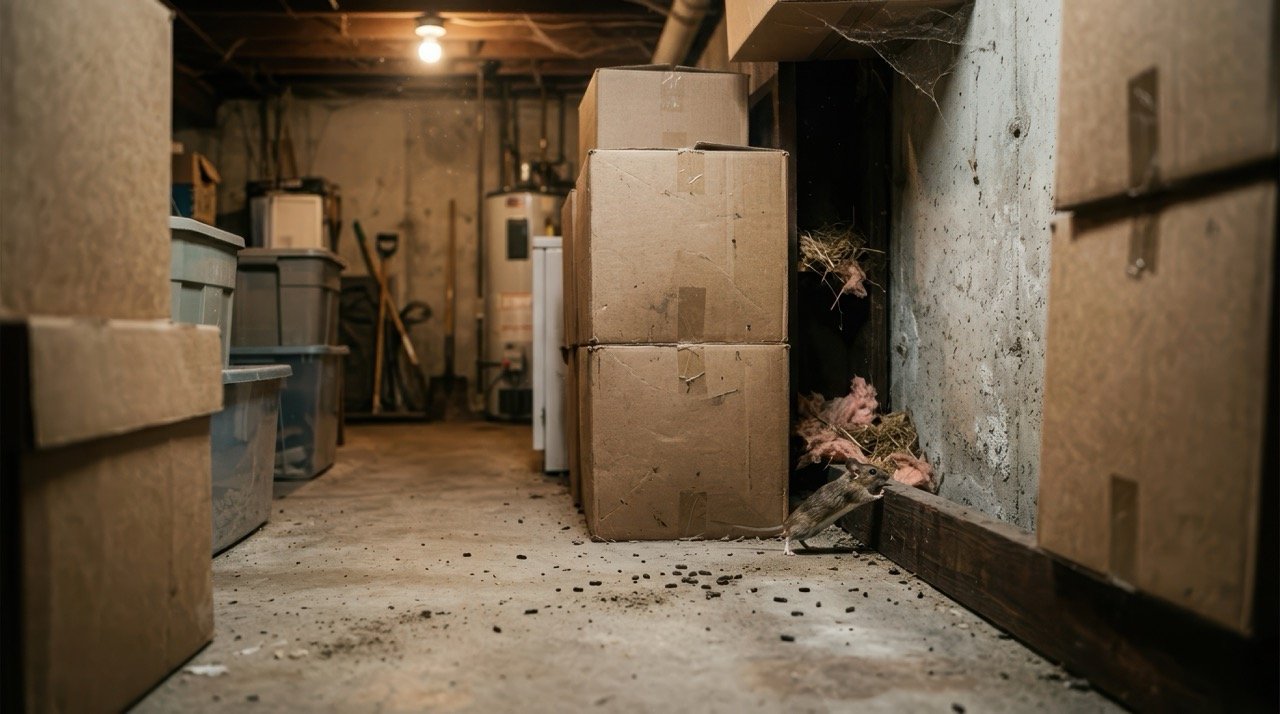
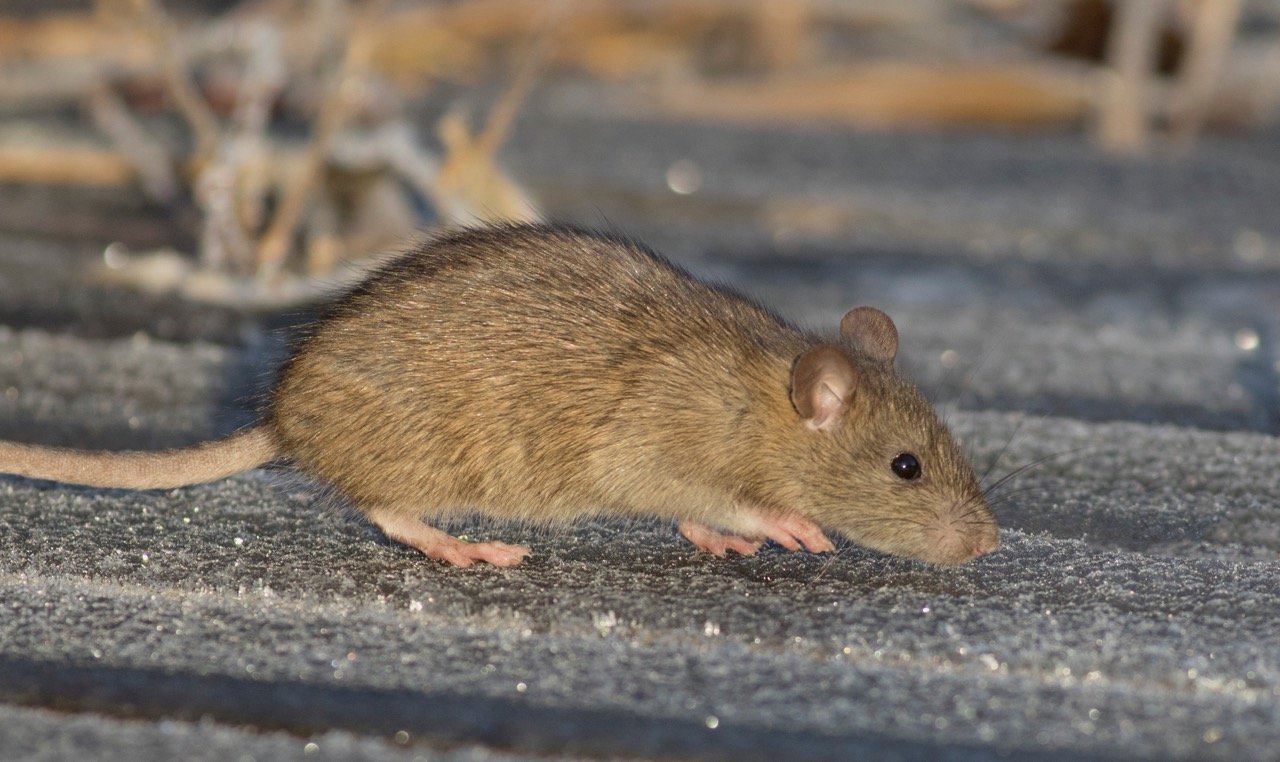
- Rodents, which nest under woodpiles or dense shrubs and look for nearby entry points into basements or garages.
When left unchecked, these exterior conditions allow pests to grow in numbers and inch closer to vulnerable access areas like door frames, window wells, and foundation cracks. For homes with pets, maintaining the yard is particularly important. Seasonal care tips, like those found in this guide on fleas and ticks this spring, can help reduce exposure risks for animals and their human companions alike.
Strategic Landscaping That Supports Pest Prevention
Creating a pest-resistant yard starts with planning. Proper landscape design doesn’t just reduce pest habitats; it also naturally deters them from approaching the home in the first place.
Here are the key principles to follow:
- Keep plants trimmed and spaced: Dense foliage that touches walls or windows can act as a highway for insects. Maintain several inches of clearance between vegetation and any structural surface.
- Use stone instead of mulch near the foundation: Organic mulch retains moisture and offers a home for ants and other insects. Gravel or decorative rocks are less appealing to pests.
- Choose native or pest-resistant plants: Some plants naturally repel certain bugs. Lavender, marigolds, and lemongrass can discourage mosquitoes and other insects.
- Avoid overwatering: Excessive moisture promotes fungal growth and invites mosquitoes. Make sure your irrigation system doesn’t pool water near your home.
- Elevate woodpiles and compost bins: These should be stored at least 20 feet away from the home and raised off the ground to prevent rodents from nesting.
A thoughtful landscape not only supports pest prevention but also reduces the need for chemical treatments in the long run.
Maintenance Tips to Keep Pests Away
Routine outdoor maintenance is essential in preventing pests from establishing a foothold. Even the best landscaping designs can become problematic if neglected over time.
Follow these habits to maintain a pest-resistant yard:
- Mow your lawn regularly: Tall grass attracts ticks and conceals crawling insects.
- Clean gutters and drains: Blocked water flow leads to puddles and standing water where pests can breed.
- Inspect for signs of nests: Wasps, ants, and rodents may attempt to settle near corners, decks, or sheds. Remove nests carefully and report persistent sightings to professionals.
- Secure outdoor trash bins: Use tight-fitting lids and clean containers weekly to prevent attracting scavengers.
- Seal any cracks in exterior walls: Look for gaps where utility lines enter and caulk them to eliminate entry points.
Keeping up with outdoor chores takes time and consistency. For households already facing indoor pest issues, a properly maintained yard can make treatment outcomes more effective and lasting.
When Landscaping Alone Isn’t Enough
While strategic landscaping plays a big role in pest prevention, it doesn’t eliminate the need for targeted control, especially once pests have made it indoors. In many cases, signs of trouble like trails of ants in the kitchen, roaches in the garage, or flea bites on pets indicate a larger problem that began outside and went unnoticed.
If infestations persist despite good landscaping habits, it’s a sign that the issue has gone beyond what physical barriers can solve. That’s where professional intervention becomes essential. Experts can assess your yard-to-house connection, identify problem zones, and apply solutions that work at both the exterior and interior levels.
For example, identifying the subtle signs of ant problems early on is critical. This breakdown of common ant infestations explains how colonies operate and why early action matters. While yard care helps keep numbers down, a trained eye is often needed to locate nests and root out the source entirely.
Let the Outdoors Work With You, Not Against You
A well-managed outdoor space is more than just a backdrop to family life, but also your first layer of protection against unwanted pests. Thoughtful landscaping and regular maintenance go hand in hand with effective home pest prevention. But when nature finds its way past your defenses, a professional solution may be the only way to reclaim peace indoors.
A Smarter Way to Protect Your Home
For expert assessment and targeted pest control solutions, reach out to 911 Pests Experts today. Your yard might be beautiful, but it should also be your safest boundary.