Key Takeaways
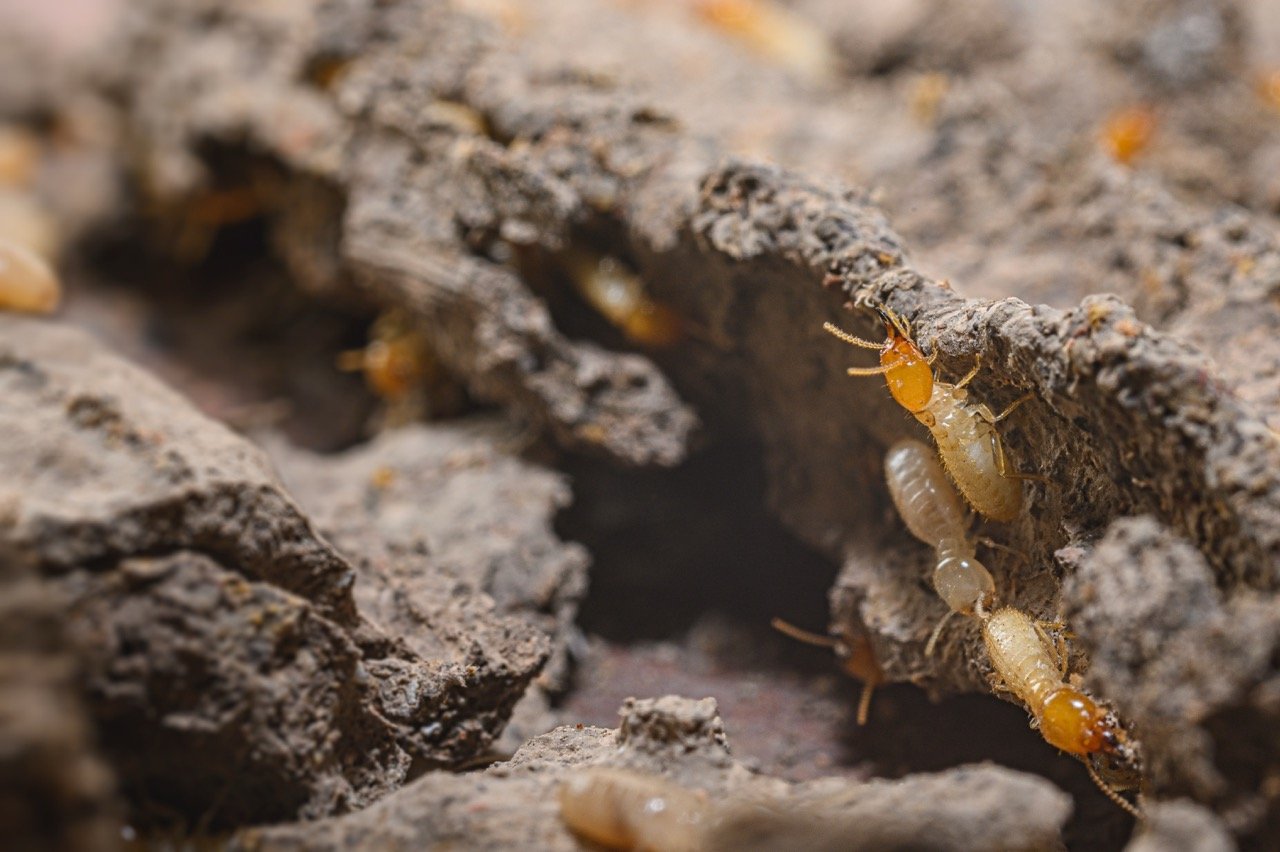
● Florida houses face threats from four main termite types: Subterranean, Eastern Subterranean, Formosan “super” termites, and Drywood species.
● Subterranean termites cause the most damage in Florida, with colonies containing millions of termites that work 24/7, consuming wood structures.
● Early termite detection signs include mud tubes, discarded wings, frass (termite droppings), hollow-sounding wood, and visible damage to wooden structures.
● Preventative measures, such as eliminating wood-to-soil contact and controlling moisture, can significantly reduce your home’s termite risk.
● 911 Home Helps offers free termite inspections, targeted treatments, and add-on services, including sanitation, pest control, and insulation, for complete protection.
Florida’s Destructive Termite Invaders: What You Need to Know
Florida’s climate creates ideal conditions for multiple termite species to thrive year-round. With temperatures rarely dropping below freezing and humidity levels consistently high, termites in Florida never go dormant as they do in northern states. This means termite colonies remain active 365 days a year, continuously feeding, breeding, and potentially damaging structures.
What makes Florida’s termite situation particularly concerning is that different species attack structures in different ways. While Subterranean termites build mud tubes and attack from the ground up, Drywood termites can infest furniture and wooden structures directly, without needing soil contact.
This means comprehensive protection requires understanding and addressing multiple termite threats simultaneously.
911 Home Helps: Miami’s Most Trusted Pest Control Experts!
Family-Owned Excellence | 4.9★ Google Rating

Protect Your Home & Family: Comprehensive pest elimination for homes and businesses in Miami-Dade and Broward Counties. From termites to mosquitoes, we deliver fast, effective solutions with honest pricing and clear communication every step of the way.
Why Choose Us:
- ✓ Free inspection and consultation, no obligations
- ✓ Tent & tentless termite treatments (Drywood, Subterranean & Formosan)
- ✓ Comprehensive rodent, roach, and mosquito control
- ✓ TAP Insulation for year-round energy savings
- ✓ Family-owned with trained, certified technicians
Your home deserves protection you can trust. We’re local, fast, and always transparent.
The 4 Main Types of Termites Destroying Florida Homes (Pictures Included)
1. Subterranean Termites: The Underground Destroyers
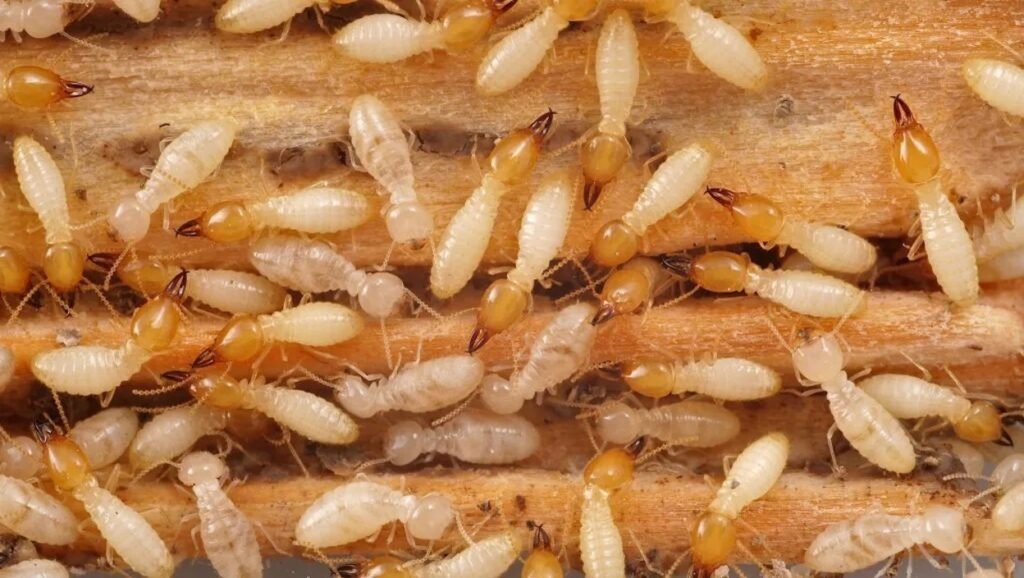
Subterranean termites live in underground colonies that can contain millions of individuals, constantly working to consume wooden structures. Unlike other termite species, subterraneans require constant soil contact and moisture to survive, which is why they build distinctive mud tubes to travel between their colony and food sources.
These pests enter homes through tiny cracks in foundations or any wood-to-soil contact points around your property. What makes them particularly dangerous is their ability to remain hidden while causing extensive structural damage.
A mature subterranean termite colony can consume nearly a pound of wood daily, potentially compromising support beams, floor joists, and wall studs before homeowners notice any visible signs.
2. Formosan “Super Termites”: Most Aggressive Species in Florida
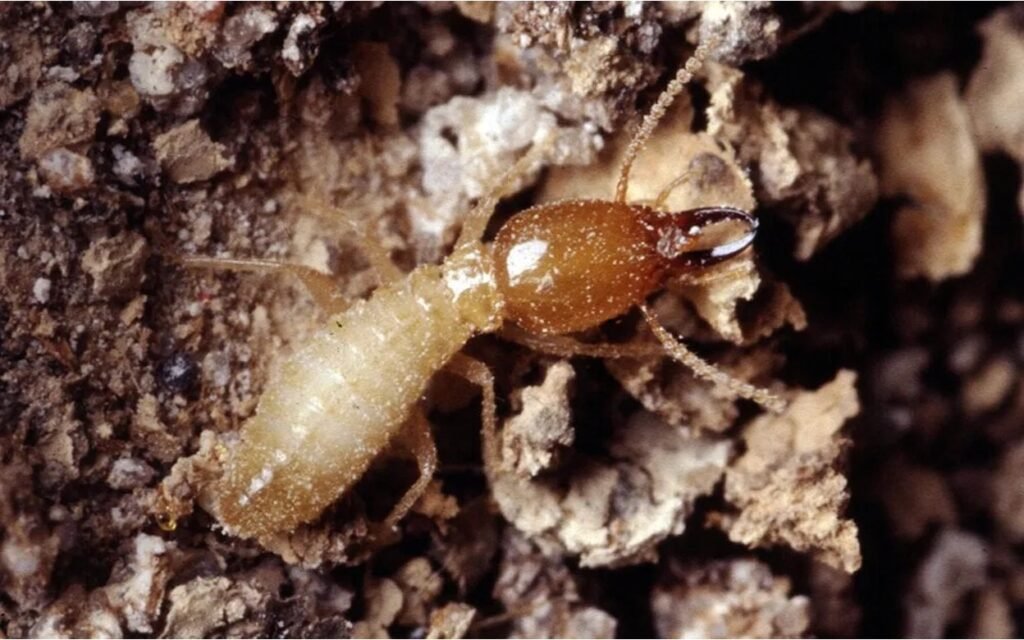
Since their introduction to Florida in the 1980s, Formosan subterranean termites have spread throughout the southern half of the state, causing unprecedented levels of damage. A single Formosan colony can contain several million termites, roughly 5–10 times larger than native termite colonies, allowing them to consume wood at an alarming rate.
What makes Formosan termites particularly threatening is their ability to establish aerial nests, allowing colonies to survive without ground contact as long as they have access to moisture. This means they can completely infest structures without the typical warning signs of subterranean activity.
Formosans also exhibit more aggressive feeding behavior, attacking multiple points in a structure simultaneously and even chewing through non-cellulose materials such as thin sheets of soft metal, plaster, and some plastics to access wood-based food sources.
3. Eastern Subterranean Termites: Florida’s Native Threat
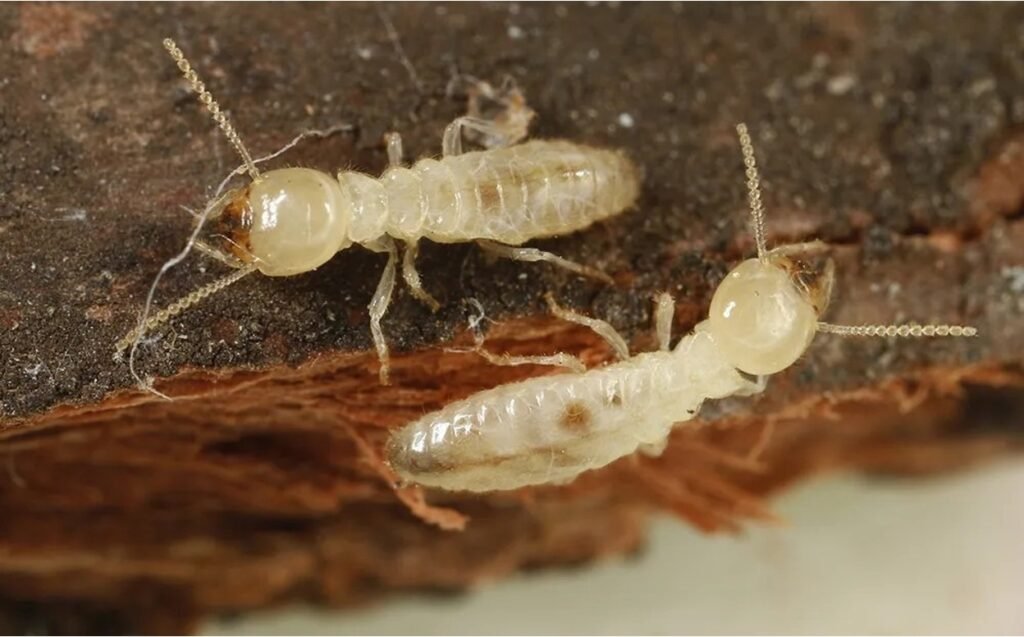
Eastern subterranean termites have smaller colonies than their invasive cousins—typically housing several hundred thousand workers rather than millions—but they remain a serious threat to wooden structures. They’re most recognizable during their spring swarming season when winged reproducers (alates) emerge to start new colonies.
Eastern subterranean workers are cream-colored, soft-bodied, about ¼ inch long, while their reproductive swarmers are dark brown to black, with translucent wings that extend beyond their body length.
Though less aggressive than Formosan termites, Eastern subterraneans compensate by establishing multiple satellite colonies around a property, creating a network of destruction that can be difficult to fully eradicate without professional help.
4. Drywood Termites: The Silent Wood Eaters
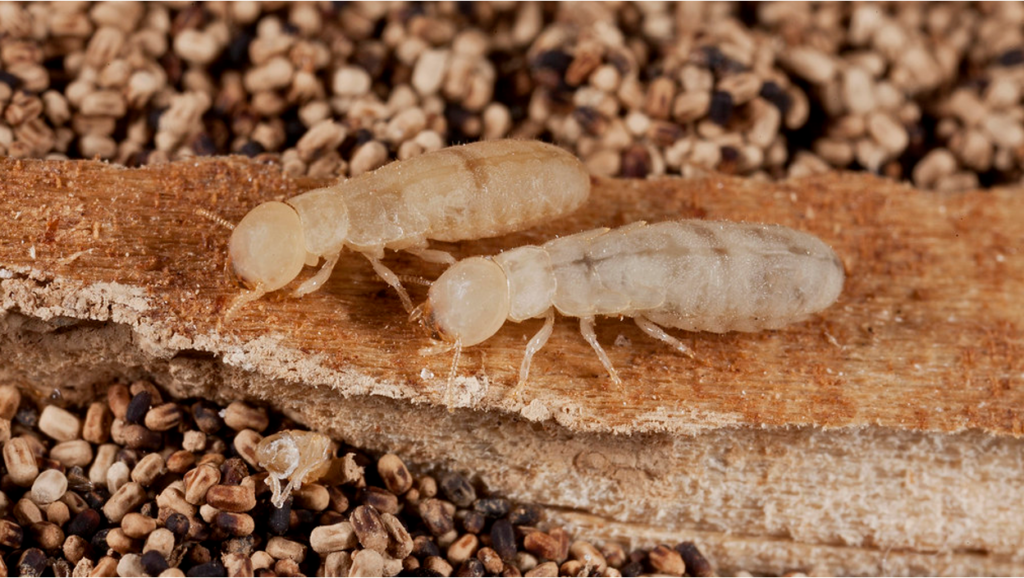
Unlike their subterranean cousins, drywood termites (Cryptotermes spp. and Incisitermes spp.) don’t need soil contact or external moisture sources to survive. This makes them particularly troublesome for Florida homeowners since they can infest virtually any wood in your home, from structural timbers to furniture, window frames, and even wooden picture frames.
Drywood termite colonies are smaller than subterranean varieties, typically containing just a few thousand members rather than millions. However, what they lack in numbers they make up for in stealth and distribution.
Multiple independent colonies can infest different areas of a home simultaneously, making complete eradication challenging. These termites often enter homes through exposed wood, unscreened attic vents, or by “hitchhiking” on infested furniture brought into the home.
Signs of Termite Infestation in Your Home
Mud Tubes: The Telltale Trail of Subterranean Termites
Mud tubes are the most recognizable sign of subterranean termite activity in Florida homes. These pencil-width tunnels are constructed from soil, wood particles, and termite saliva, creating protective pathways that shield termites from predators and maintain the humidity they need to survive.
You’ll typically find these tubes running vertically along foundation walls, support piers, plumbing fixtures, or any path that connects soil to wooden structures.
Frass: Tiny Pellets That Reveal Drywood Termites
Drywood termites create distinctive evidence in the form of frass—small, hexagonal pellets they push out of their galleries through kick-out holes in infested wood. These droppings often accumulate in small piles beneath infested areas, resembling coarse sawdust or coffee grounds.
The color of frass typically matches the wood being consumed, ranging from light beige to dark brown, and close inspection reveals a distinctive six-sided shape that distinguishes it from other wood-boring insect droppings.
Wood Damage: What Termite Destruction Actually Looks Like
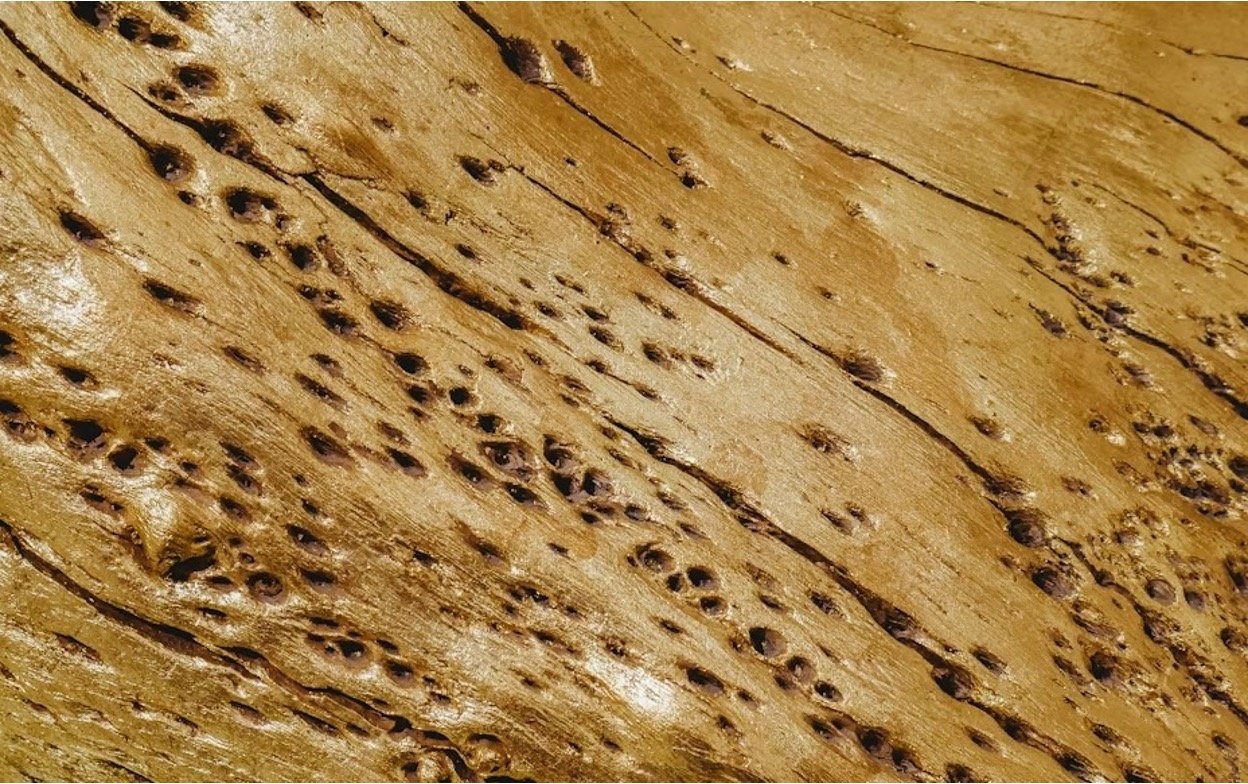
Termite damage in wood has a distinctive appearance that differs from water damage or normal aging. Subterranean termites consume wood along the grain, leaving behind layers of mud and soil within the tunnels. When you break open termite-damaged wood, you’ll find these mud-lined galleries running parallel with the wood grain.
Drywood termites, meanwhile, create large, clean chambers connected by smaller tunnels across the grain, often leaving thin veneers of wood intact while hollowing out the interior—this gives damaged wood a layered or “honeycomb” appearance when broken open.
Swarming Termites: When & Why You’ll See Flying Termites
Termite swarms are perhaps the most visible sign of an established colony nearby. Swarming occurs when mature colonies produce winged reproductive termites (alates) that fly out to mate and establish new colonies.
In Florida, different termite species swarm at different seasons of the year: Eastern subterranean termites typically swarm during daylight hours in early spring, Formosan subterranean termites swarm on warm nights between April and July, and drywood termites often swarm in late spring through fall, especially after rainfall.
How to Get Rid of Them: Do-It-Yourself (DIY) Termite Prevention
While professional treatment is necessary for active infestations, Florida homeowners can take several preventative measures to make their properties less attractive to termites. These strategies focus on eliminating conditions that termites need to survive and thrive.

Eliminate Wood-to-Soil Contact Around Your Home
Subterranean termites need direct paths from soil to wood to establish infestations. Inspect your home’s exterior and eliminate any points where wood touches soil directly. Keep wooden siding, door frames, and window frames at least 6 inches above ground level.
Replace any wooden support posts or stairs that contact soil with concrete or metal alternatives. For wooden fences or decorative elements, consider installing a concrete base between the soil and wood components to block termite access.
Control Moisture Problems That Attract Termites
Excessive moisture creates ideal conditions for termites, particularly Formosan and dampwood species. Repair leaky plumbing promptly and address any water accumulation issues around your foundation.
Ensure proper drainage by maintaining gutters and downspouts, directing water at least 3 feet away from your foundation. Consider installing dehumidifiers in chronically damp areas, such as crawl spaces and basements, to maintain lower humidity levels that discourage termite activity.
Create a Termite Barrier During Construction
If you’re building a new home or addition in Florida, incorporating termite-resistant design elements can provide long-term protection. Consider installing physical barriers, such as stainless steel mesh or crushed stone, beneath concrete slabs and around foundation penetrations to block termite entry points.
Pre-construction soil treatments create a chemical barrier that can provide protection for several years before requiring maintenance. For maximum protection, consider using naturally termite-resistant building materials for elements in contact with soil.
Regular Inspection Routine for Florida Homeowners
Develop a personal inspection schedule to catch termite activity early. At least quarterly, examine your home’s perimeter for mud tubes, check wooden structures for damage, and look for frass deposits under wood elements.
Pay special attention to areas prone to moisture, such as bathrooms, kitchens, laundry rooms, and around air conditioning units. Use a flashlight and a screwdriver during inspections; tap the wood and probe any suspicious areas that sound hollow or feel soft.
Why Professional Termite Control Is Worth It in Florida
Despite diligent preventive measures, Florida’s intense termite pressure often requires professional involvement for complete protection. Understanding the value of professional services helps homeowners make informed decisions about termite management.
Florida-Specific Termite Treatment Challenges
Florida’s termite situation presents unique challenges that require specialized knowledge and equipment. The presence of multiple termite species often necessitates a combination of treatment approaches; what works for subterranean termites may be ineffective against drywood termites.
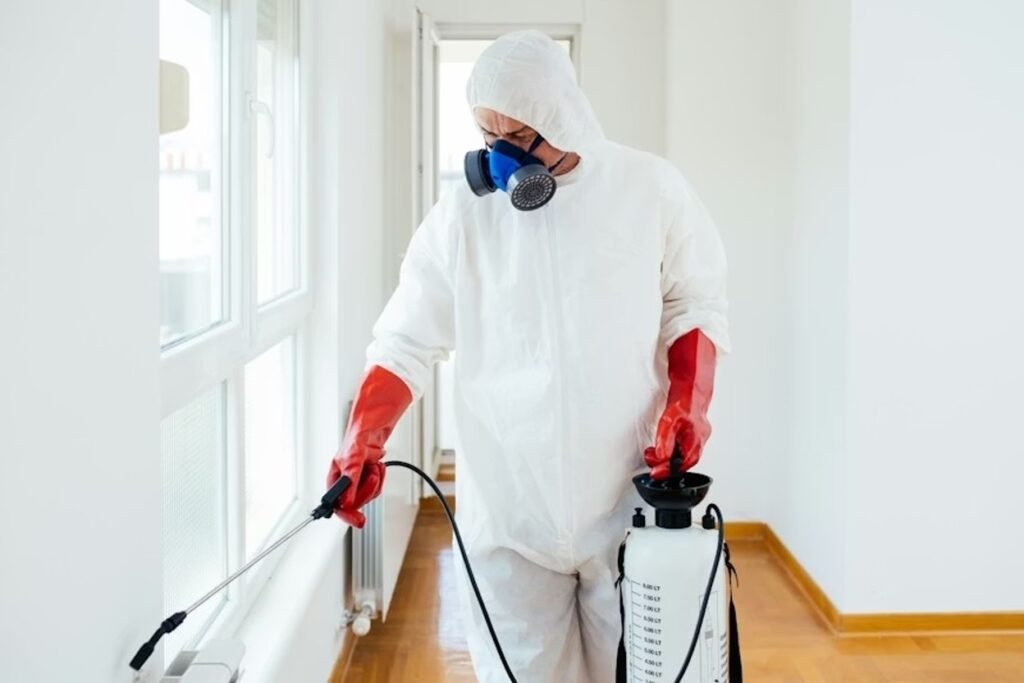
Professional pest control companies have access to commercial-grade equipment, such as specialized foam applicators, termite-detection technology, and fumigation tents, which aren’t available to homeowners, making their treatment process more comprehensive.
DIY Methods Provide Partial Coverage
DIY termite treatments often provide incomplete protection and can create a false sense of security. Over-the-counter termiticides typically lack the concentration and specialized formulations used by professionals, resulting in partial control that may temporarily reduce visible activity without eliminating colonies.
Warranty Protection & Ongoing Monitoring
Most professional termite companies in Florida offer renewable service warranties that provide continuous protection and financial coverage if termites return after treatment. These warranties typically include annual inspections by trained technicians who can spot early signs of termite activity that homeowners might miss.
For homes in high-risk areas such as South Florida, this ongoing monitoring is invaluable, enabling immediate intervention at the first sign of new termite activity before significant damage occurs.
Protect Your Florida Home from Termites with 911 Home Helps
At 911 Home Helps, we’ve spent over a decade helping Miami-Dade homeowners identify and eliminate termite threats before they cause thousands in structural damage.
Our 3-step termite control process starts with a free inspection to assess your property and detect hidden colonies. From there, we develop a targeted treatment plan based on the specific termite species and severity of your infestation. Once we’ve eliminated the problem, we offer add-on services, including sanitation and pest control, as well as insulation, to provide long-term protection.
We’re a family company built on honesty, transparency, and efficiency. Our technicians act fast because we know termite damage doesn’t wait—and neither should you.
Frequently Asked Questions (FAQs)
What are the most common types of termites in Florida?
Florida homeowners primarily deal with four termite species: Eastern Subterranean, Formosan Subterranean, Drywood, and Dampwood termites. Subterranean termites cause the most damage, living in underground colonies and building mud tubes to access wooden structures. Drywood termites infest wood directly without needing soil contact.
How can I tell if I have termites in my home?
Look for mud tubes along your foundation, piles of discarded wings near windows, small pellet-like droppings (frass) beneath wooden areas, hollow-sounding wood when tapped, and doors or windows that suddenly stick. Finding any of these signs warrants immediate professional inspection.
How quickly can termites damage my Florida home?
Termite damage accumulates faster in Florida due to year-round activity. A mature Formosan colony can consume nearly one pound of wood daily, potentially compromising structural integrity within months. Even smaller Eastern Subterranean colonies cause significant damage over time since they never go dormant.
Can I prevent termites on my own?
You can reduce termite risk by eliminating wood-to-soil contact, fixing moisture problems, maintaining proper drainage, and storing firewood away from your home. However, Florida’s intense termite pressure makes professional treatment and monitoring essential for complete protection.
Why should I choose 911 Home Helps for termite control?
911 Home Helps is a family-owned company with over 10 years of experience protecting Miami-Dade properties from termites. Our proven 3-step process includes a free inspection, targeted treatment customized to your specific infestation, and add-on services such as sanitation, pest control, and insulation. We prioritize honesty, transparency, and long-lasting results.
*Disclaimer: Results may vary depending on the severity of the infestation and the property’s condition. Pricing varies by service type and property size. Contact 911 Home Helps for a free inspection and personalized quote.