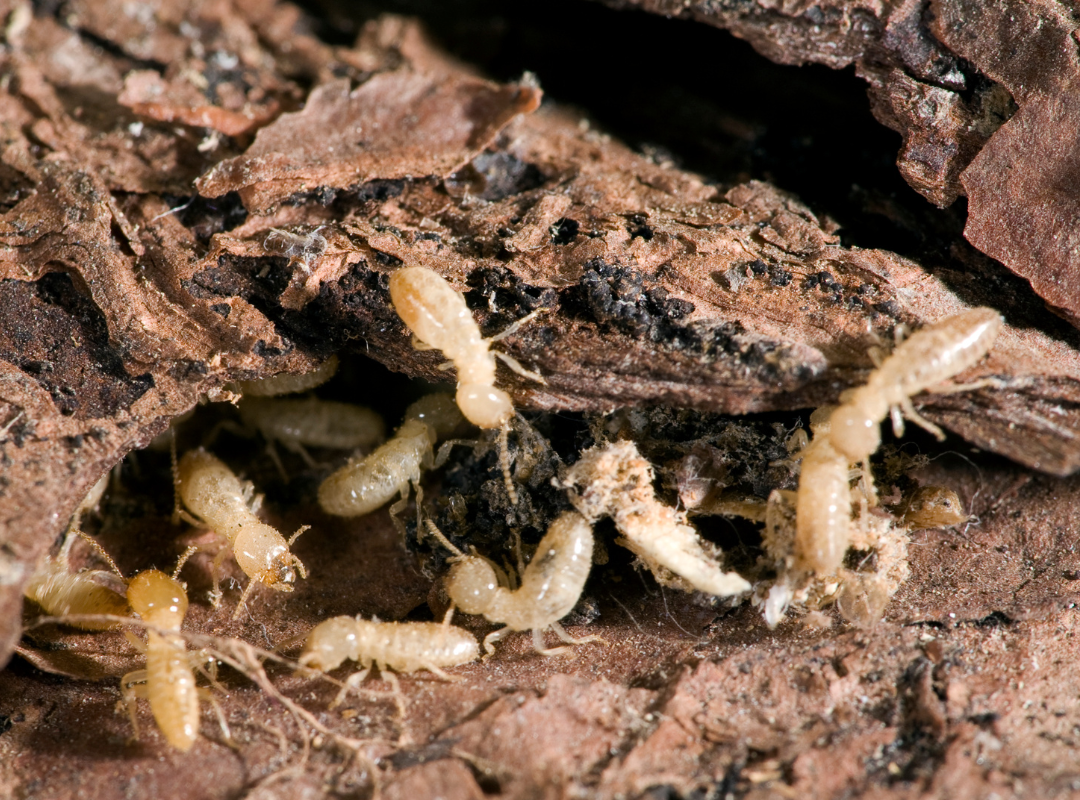
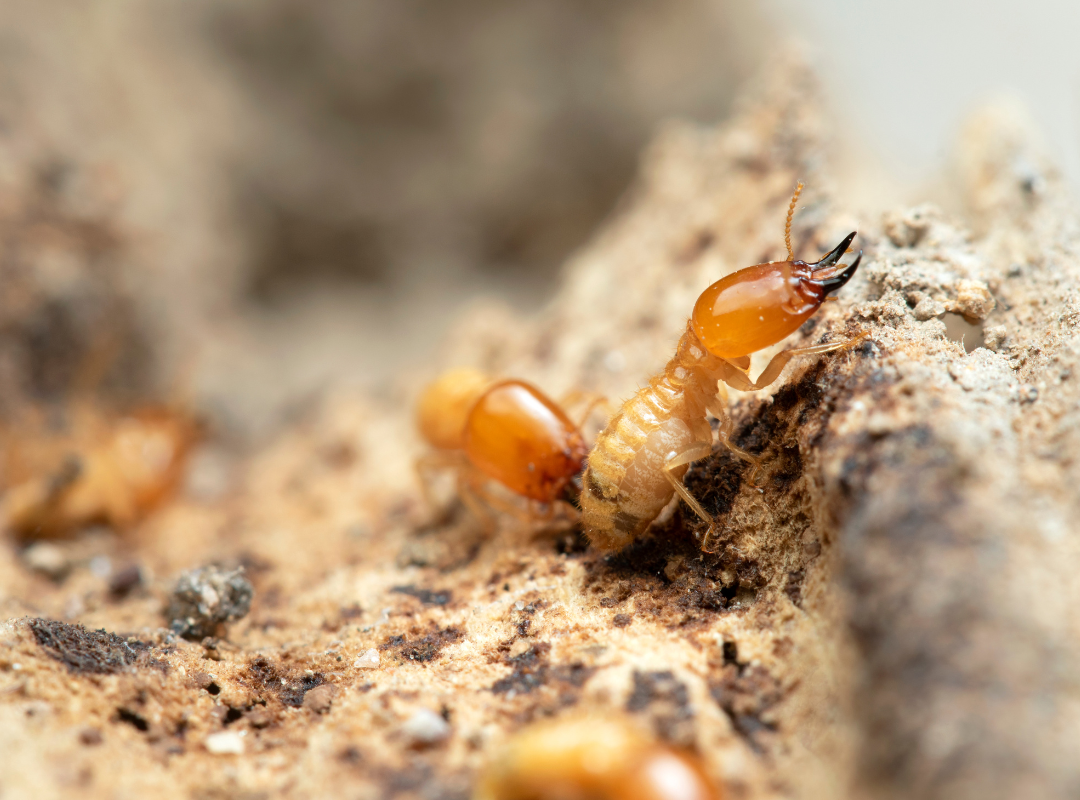
Termites are often called “silent destroyers” for good reason. These insects operate out of sight, feeding on wood and cellulose-based materials around the clock. Unlike other pests, a termite infestation doesn’t immediately reveal itself with noise or visible activity. By the time you notice damage, the destruction is often advanced. Left untreated, termite colonies can threaten the structural integrity of your home, lead to costly repairs, and even compromise your health and safety. This article explains the full scope of risks associated with ignoring termite activity and why quick, professional intervention is essential.
Structural Damage That Compromises Safety
At their core, termites are wood-consuming machines. In residential settings, that means they feed on framing, support beams, subfloors, and other critical components of a home’s structure. While the damage may appear superficial at first, untreated infestations can evolve into widespread issues that affect a building’s stability.
Here are some key areas where termite damage is especially dangerous:
- Floor supports and subflooring: These are commonly targeted, leading to sagging floors and unsafe walking surfaces.
- Wall studs and joists: Damage here may cause walls to bow, doors to stick, or ceilings to crack.
- Roof framing: Termites in attic spaces or roof trusses can weaken support structures, increasing the risk during storms.
- Wooden decks and porches: These exterior spaces are often built with untreated wood and are especially vulnerable.
In extreme cases, termite-related weakening can cause parts of the structure to collapse or fail under normal use, turning what seems like a small nuisance into a major safety hazard.
Financial Costs That Keep Rising
Many homeowners delay treatment because the damage is not immediately visible, but the longer a termite infestation is left alone, the higher the financial consequences become. Unlike storm damage, which is usually sudden and covered by insurance, termite destruction is considered preventable and often not insured.
Here’s how the costs add up over time:
- Repair work: This may include replacing damaged wood, drywall, flooring, or cabinetry.
- Structural restoration: For advanced cases, load-bearing beams and joists may need reinforcement or full replacement.
- Furniture and belongings: Termites can even infest wooden furniture, photo frames, or books.
- Pest removal: Delaying treatment often means a more aggressive and expensive extermination process.
- Home value: Properties with a termite history or unresolved damage can drop in market value and face more difficulty during resale.
Timely detection and mitigation are key to avoiding these compounding expenses. Spotting the early signs of a termite problem can help you act before the damage escalates.
Health and Environmental Concerns
While termites are not known to transmit disease to humans, their presence can still contribute to unhealthy indoor environments. The risk increases in homes with high moisture levels or where termites coexist with mold or fungi.
Possible concerns include:
- Air quality degradation: Damaged wood may become a breeding ground for mold, which releases spores into indoor air.
- Allergic reactions: The dust from termite nests or decaying wood can aggravate allergies and respiratory conditions.
- Secondary pests: Areas disturbed by termites can attract other insects, such as ants or beetles, which thrive in softened wood.
Additionally, homes with unresolved infestations may need to use more aggressive chemical treatments in the future, potentially increasing environmental exposure. Taking action at the earliest warning signs is the best way to avoid such risks. For details on how to identify trouble areas, see this helpful guide to termite warning signs in your home.
Damage That Stays Hidden Until It’s Too Late
One of the most dangerous aspects of a termite infestation is how quietly it develops. Termites often work for years without detection, especially in crawl spaces, behind walls, or inside flooring. By the time mud tubes, hollow-sounding walls, or swarms appear, the colony is usually well established.
Watch for these signs, which may point to long-term infestation:
- Blistered wood flooring or warped boards
- Maze-like patterns under paint or wallpaper
- Small piles of wings near doors and windows
- Soft wood that crumbles under pressure
- Clicking sounds coming from the walls at night
These symptoms usually indicate that termites have been active for a long time, and professional evaluation is the best way to assess how far the damage has spread.
Prevention and Early Action Make the Difference
Stopping termite damage before it begins requires a mindset of prevention. Annual inspections, moisture control, and sealing off vulnerable wood are all part of a solid, long-term strategy.
Key prevention measures include:
- Fix water leaks under sinks, around foundations, and in basements.
- Keep firewood and mulch at least 15 inches away from the home’s exterior.
- Install moisture barriers in crawl spaces to reduce humidity.
- Seal foundation cracks and ensure proper drainage around the home.
- Schedule regular inspections, especially if you’ve seen swarms in your area.
These steps are your best defense against future infestations and can significantly reduce your risk of costly repairs. Still, if signs are already present, the most effective course is a professional assessment.
When Delays Are Costly, Experts Make All the Difference
Ignoring termite activity doesn’t just put your house at risk; it also puts your safety, savings, and peace of mind in jeopardy. What starts as a few hidden insects can turn into structural collapse or severe financial strain if left untreated. Prompt evaluation by trained experts ensures the issue is diagnosed accurately and resolved completely.
If you suspect termite damage or want to take proactive steps, reach out to our team at 911 Pests Experts for a comprehensive inspection and reliable, long-term protection.