Key Takeaways
● South Florida is home to over 80 mosquito species, several of which are significant disease vectors that residents should learn to identify.
● The five most notable types of mosquitoes in South Florida are Yellow Fever, Black Salt Marsh, Eastern Saltmarsh, Gallinipper, and Malaria mosquitoes.
● Identifying mosquito species by their physical characteristics, flight patterns, and habitats can help you implement more targeted natural prevention methods.
● Eliminating standing water around your property is the most effective natural approach to controlling all mosquito species in South Florida.
● 911 Home Helps provides comprehensive mosquito control in Miami-Dade County with a free inspection, targeted treatments for all life stages, and add-on services for lasting protection.
Types of Mosquitoes in South Florida
South Florida’s tropical climate, year-round warmth, and abundant water sources make it one of the most mosquito-dense regions in the United States. With over 80 species found across the area, mosquitoes here aren’t just a seasonal nuisance; they’re a persistent health concern.
South Florida is home to five dangerous mosquito species: Yellow Fever, Black Salt Marsh, Eastern Saltmarsh, Gallinipper, and Malaria mosquitoes. Each species has distinct markings, habitats, and biting patterns that affect how and when they target people.
This guide breaks down the most dangerous and common mosquito species in South Florida, with photos and identifying features to help you recognize them. You’ll also find proven prevention strategies, from eliminating breeding sites and using natural repellents to understanding when professional mosquito control becomes the smartest move.
911 Home Helps: Miami’s Most Trusted Pest Control Experts!
Family-Owned Excellence | 4.9★ Google Rating

Protect Your Home & Family: Comprehensive pest elimination for homes and businesses in Miami-Dade and Broward Counties. From termites to mosquitoes, we deliver fast, effective solutions with honest pricing and clear communication every step of the way.
Why Choose Us:
- ✓ Free inspection and consultation, no obligations
- ✓ Tent & tentless termite treatments (Drywood, Subterranean & Formosan)
- ✓ Comprehensive rodent, roach, and mosquito control
- ✓ TAP Insulation for year-round energy savings
- ✓ Family-owned with trained, certified technicians
Your home deserves protection you can trust. We’re local, fast, and always transparent.
5 Most Notable Mosquito Species in South Florida You Need to Identify
1. Yellow Fever Mosquito (Aedes aegypti)
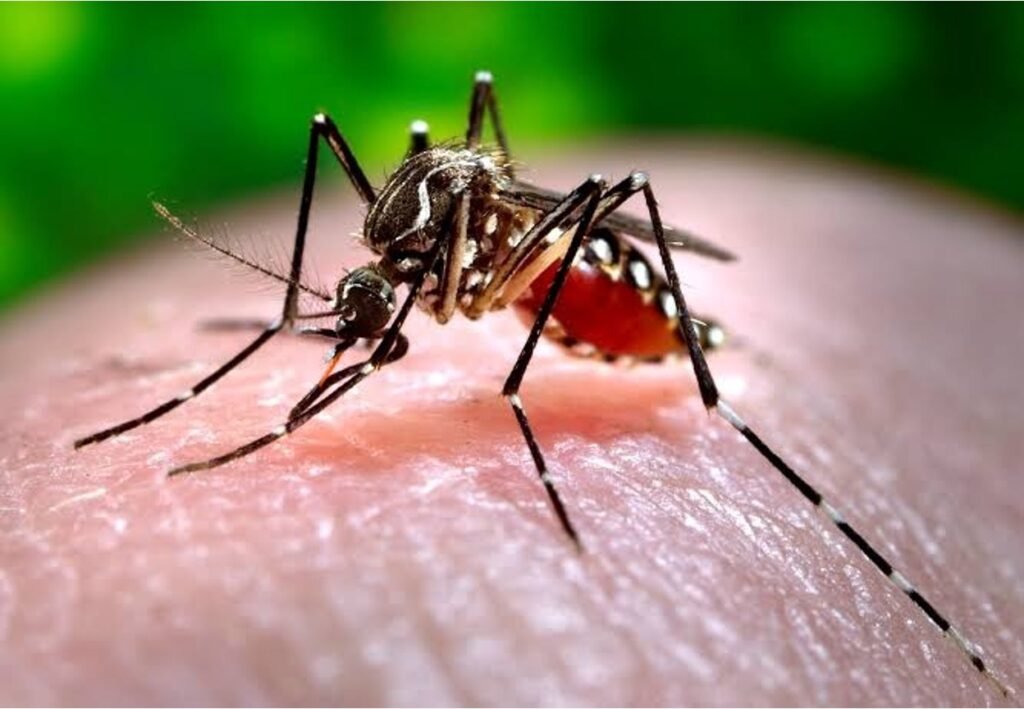
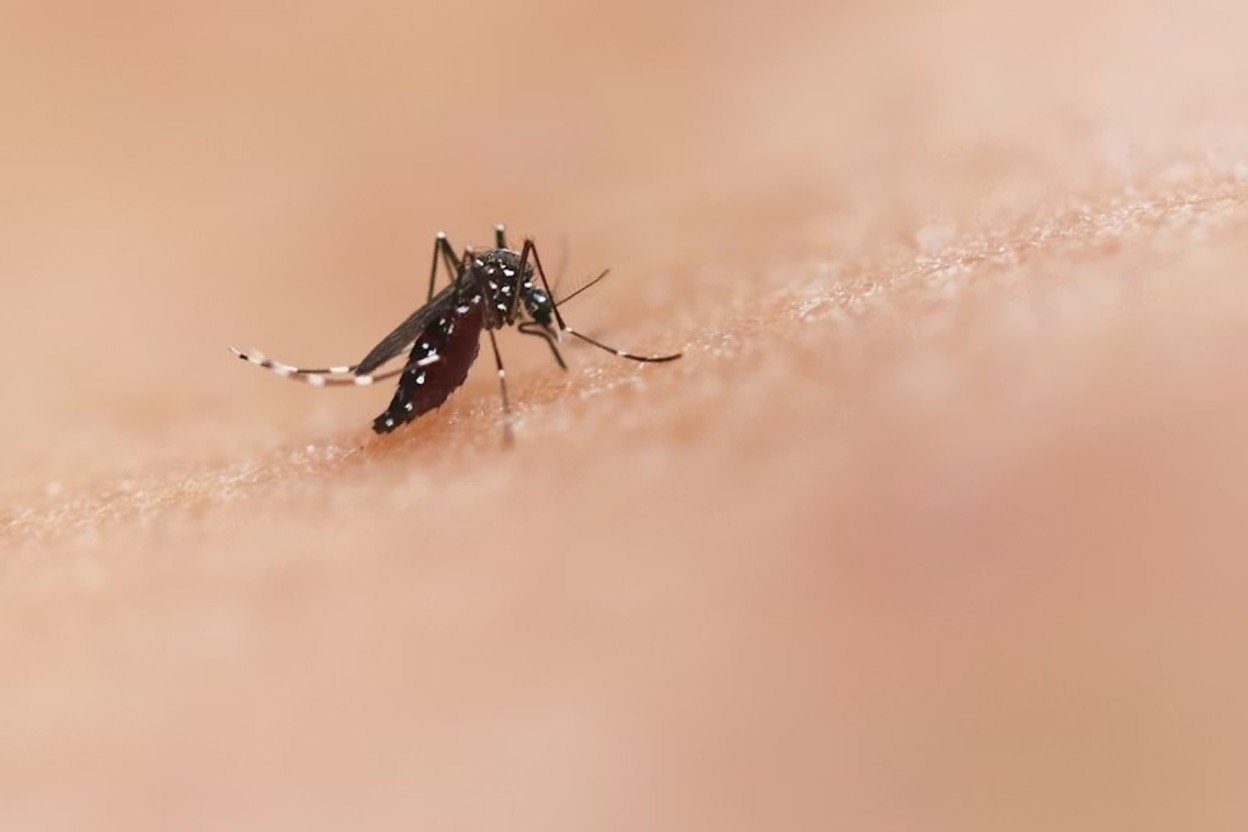
The Yellow Fever Mosquito is perhaps the most dangerous mosquito species in South Florida. This highly adaptable urban mosquito is easily recognized by its black body, distinctive white markings resembling a lyre or violin on its thorax, and white bands on its legs.
Despite its small size (about 1/4 inch), it’s a determined biter that prefers humans and often follows them indoors. It is the primary vector for dengue fever, Zika virus, chikungunya, and yellow fever, making it a serious public health concern. Unlike many mosquito species, Aedes aegypti bites during the day, with peak activity in the early morning and late afternoon.
This species breeds in small, artificial water containers commonly found around homes, including flower pots, discarded tires, bottle caps, and clogged gutters, making residential areas its preferred habitat.
2. Black Salt Marsh Mosquito (Aedes taeniorhynchus)
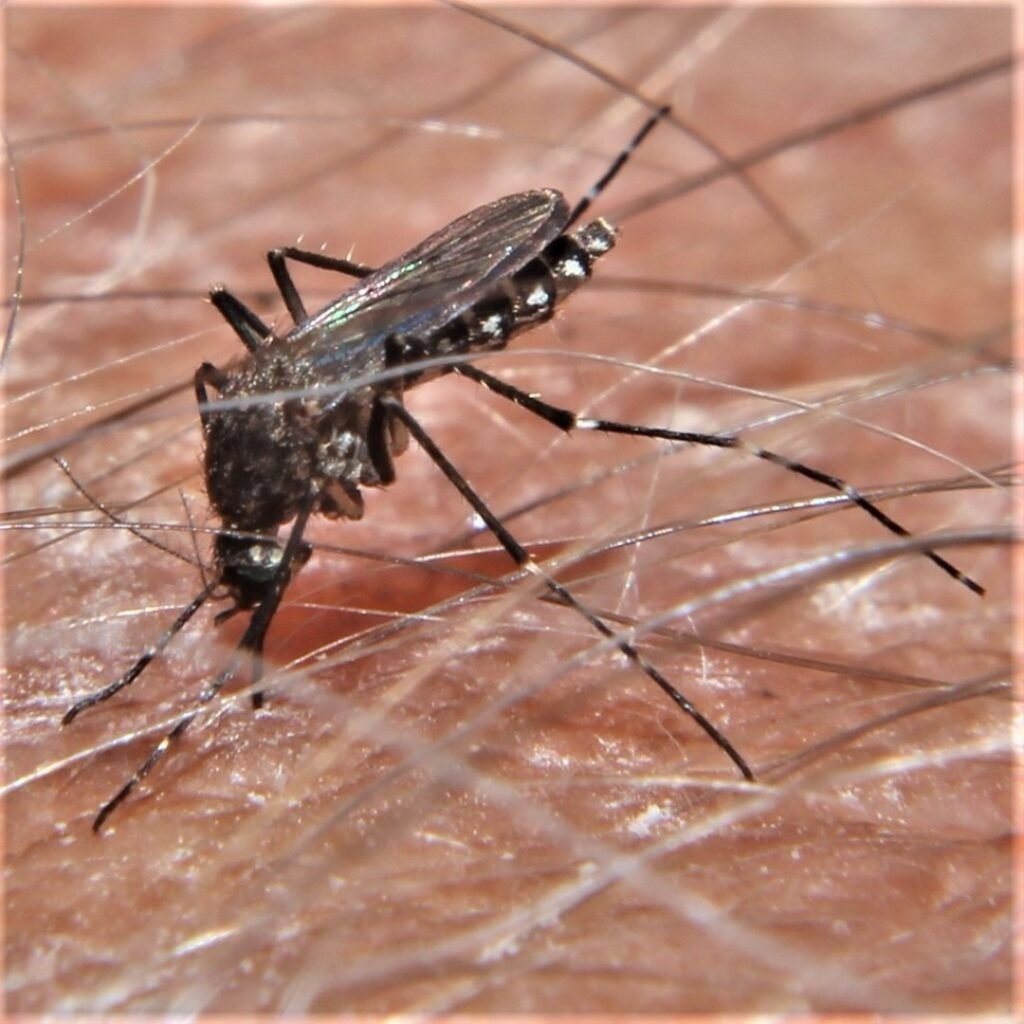
The Black Salt Marsh Mosquito is one of South Florida’s most notorious biters, capable of traveling up to 40 miles from its breeding site with wind assistance, putting even inland properties at risk. Identifiable by its dark body, distinct white band on the proboscis, white leg rings, and white scales on the sides of its thorax, this small-to-medium species makes up for its size with persistence and sheer numbers.
These mosquitoes emerge in massive swarms after high tides or heavy rains flood coastal salt marshes and mangrove areas. Females lay eggs in moist soil along marsh edges, where they can remain dormant for months before hatching rapidly once water levels rise. Most active at dawn and dusk, they will also bite throughout the day in shaded or overcast conditions.
Black Salt Marsh Mosquitoes are known vectors for dog heartworm and Venezuelan Equine Encephalitis, and their aggressive swarming behavior makes them one of the most disruptive species for South Florida residents and outdoor workers.
3. Eastern Saltmarsh Mosquito (Aedes sollicitans)
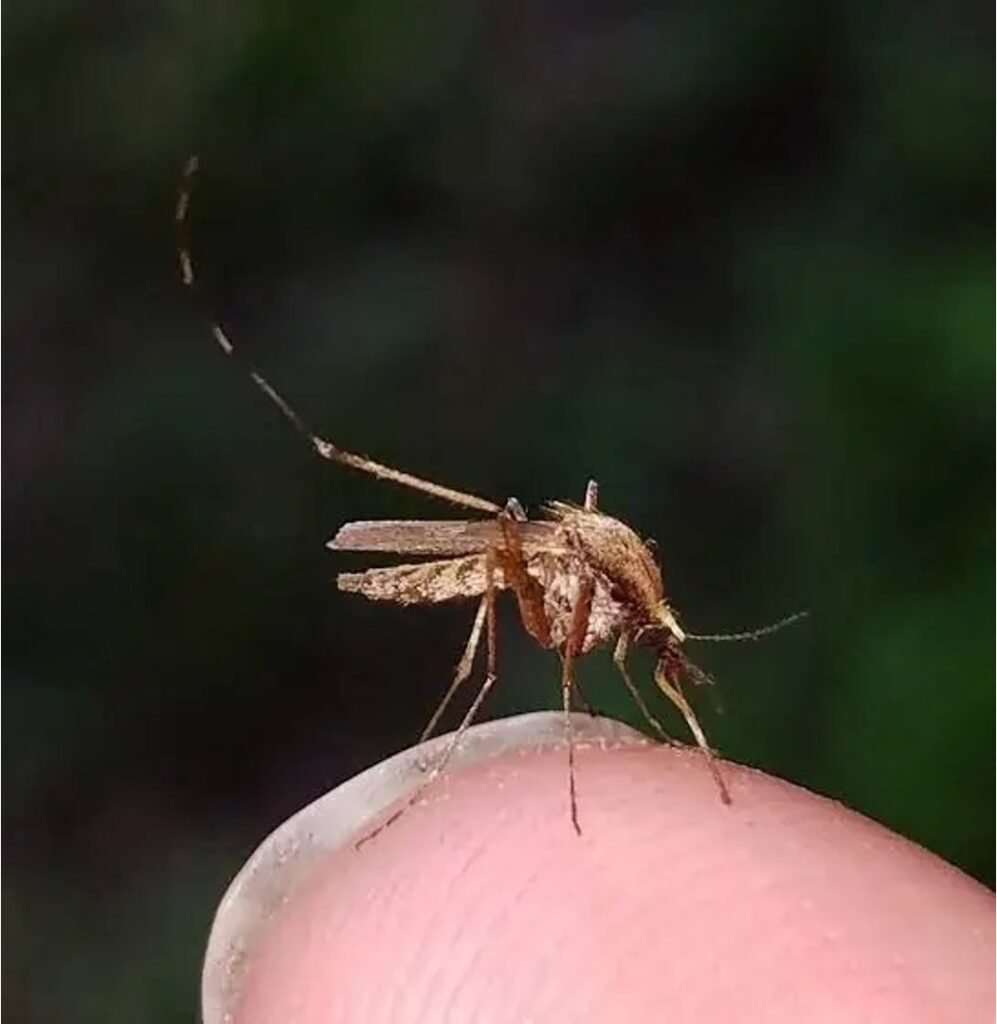
The Eastern Saltmarsh Mosquito closely resembles its cousin, the Black Salt Marsh Mosquito, but can be distinguished by the golden-brown scales on its thorax and a more prominent white ring in the middle of its proboscis.
This voracious biter is a strong flyer that can travel up to 10 miles from its breeding grounds in search of a blood meal. It breeds in habitats similar to those of its black counterparts but is particularly associated with high marsh areas that flood less frequently, where its eggs remain dormant until the next high tide or heavy rainfall creates suitable hatching conditions.
4. Gallinipper (Psorophora ciliata)
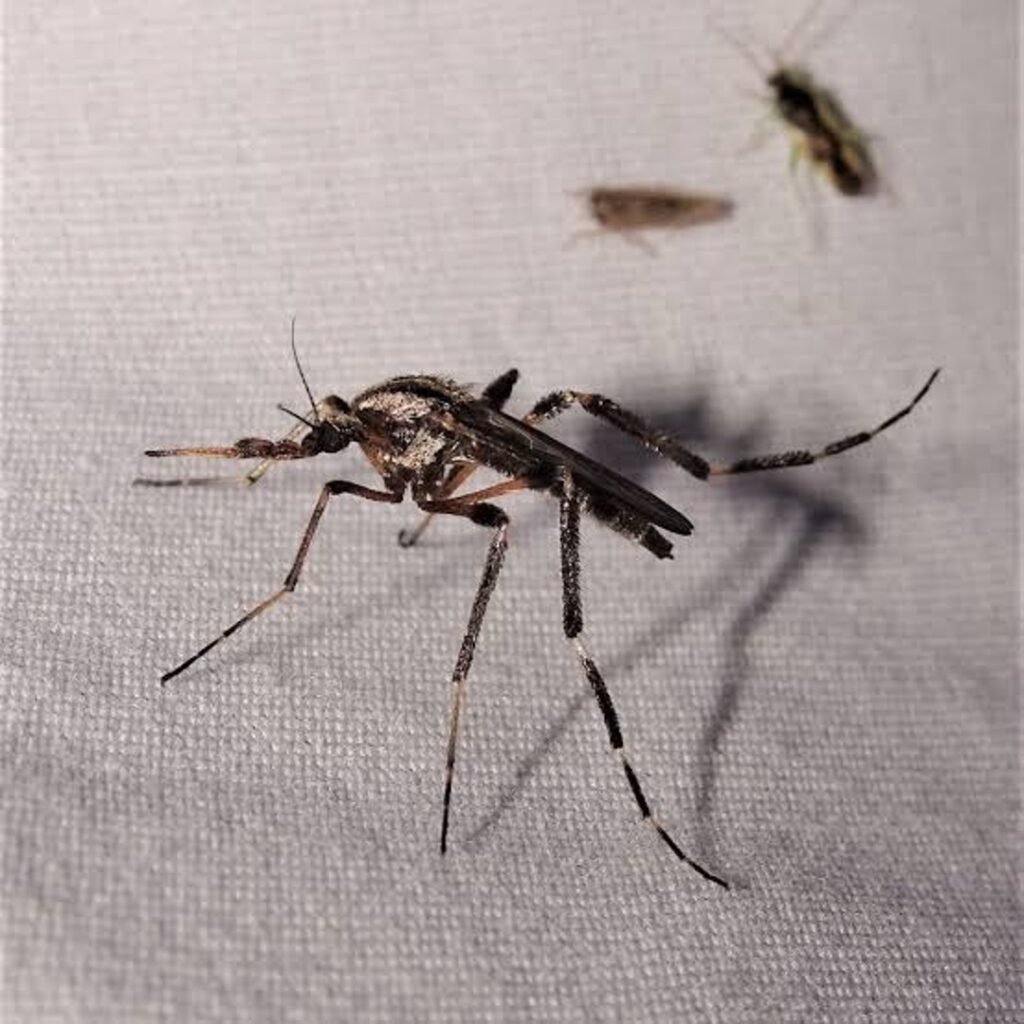
Known colloquially as the “gallinipper” or “shaggy-legged gallinipper,” Psorophora ciliata is one of Florida’s largest mosquito species, measuring up to 3/8 inch in length, which is about three times the size of typical mosquitoes.
This impressive insect features a distinctive brown body with yellow or golden scales, feathery antennae, and notably hairy legs with bristly scales, giving it a shaggy appearance.
Despite rumors to the contrary, gallinippers don’t pose extraordinary health risks; however, their large size makes their bite particularly painful, leading to the folk saying that they can “gallop and nip.” While they are not significant disease vectors, their painful bites can cause intense swelling and irritation, and excessive scratching may lead to secondary skin infections.
These formidable mosquitoes breed in temporary rain pools and flooded areas, especially after summer storms, and are most active at dusk when they aggressively seek blood meals from mammals, including humans.
5. Malaria Mosquito (Anopheles quadrimaculatus)
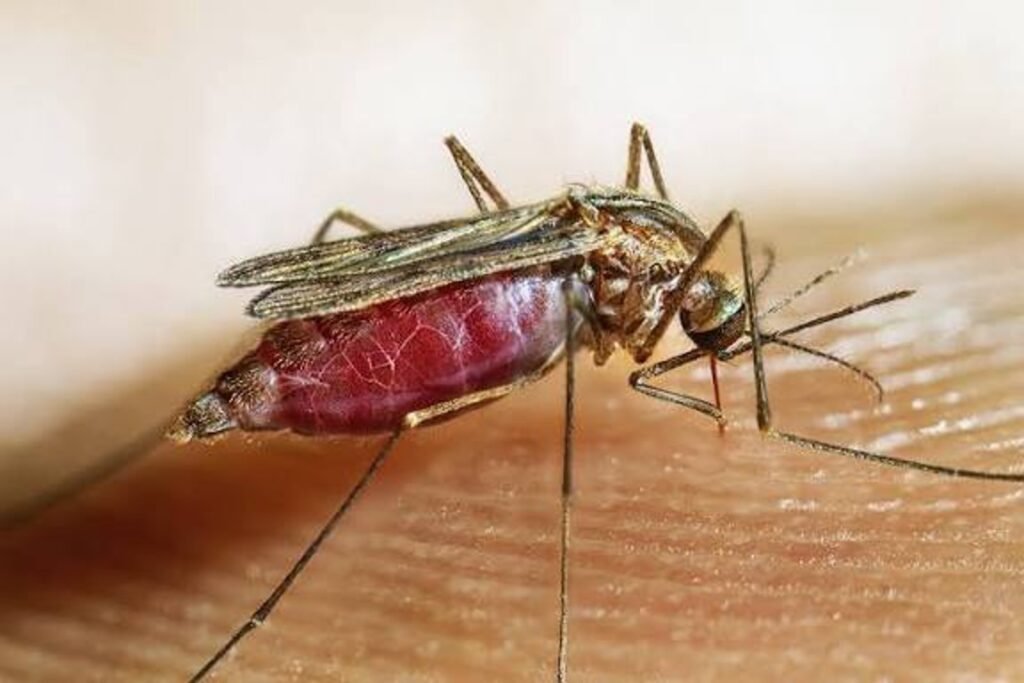
The Malaria Mosquito (Anopheles quadrimaculatus) has a distinctive appearance and posture that sets it apart from other South Florida mosquitoes. When resting, it positions its body at an angle to the surface rather than parallel to it, giving it a nose-down appearance.
This medium-sized brown mosquito features four dark spots on its wings and lacks the distinct scaling patterns seen in Aedes species. While malaria has been largely eliminated in the United States, this mosquito remains a potential vector if the disease is reintroduced and can still transmit other pathogens, such as West Nile virus.
Anopheles mosquitoes prefer clear, freshwater habitats with aquatic vegetation, including ponds, lakes, and slow-moving streams, and are primarily active at night, when they silently approach their victims without the telltale buzzing of other species.
South Florida Mosquitoes: Summary Table
| Species | Size | Key Markings | Diseases | Peak Activity | Habitat |
|---|---|---|---|---|---|
| Yellow Fever Mosquito (Aedes aegypti) | ~1/4 inch | Black body, white lyre pattern on thorax, white-banded legs | Dengue, Zika, Chikungunya, Yellow Fever | Daytime | Urban areas, indoor environments, artificial containers |
| Black Salt Marsh Mosquito (Aedes taeniorhynchus) | Small–medium | Dark body, white-banded proboscis, white leg rings | Dog Heartworm, Venezuelan Equine Encephalitis | Dawn and dusk | Coastal salt marshes, mangrove areas |
| Eastern Salt Marsh Mosquito (Aedes sollicitans) | Small–medium | Golden-brown thorax scales, prominent white proboscis ring | Eastern Equine Encephalitis, Dog Heartworm | Dawn and dusk | High marsh areas, coastal floodplains |
| Gallinipper (Psorophora ciliata) | ~3/8 inch | Brown body, yellow/golden scales, hairy bristled legs | Low disease risk; painful bite | Dusk | Temporary rain pools, flooded areas |
| Malaria Mosquito (Anopheles quadrimaculatus) | Medium | Brown body, four dark wing spots, nose-down resting posture | Malaria (if reintroduced), West Nile Virus | Nighttime | Clear freshwater ponds, lakes, slow streams |
Effective Mosquito Prevention Strategies
Eliminating Standing Water
The single most effective mosquito control measure is eliminating standing water where mosquitoes breed. A female mosquito can lay hundreds of eggs in as little as a tablespoon of water, and these can develop into adults in as few as 7 days in Florida’s warm climate.
Conduct a weekly inspection of your property to remove or refresh water in containers like pet dishes, bird baths, flower pot saucers, children’s toys, and rain barrels.
For water features that cannot be drained, consider adding mosquito-eating fish like Gambusia (mosquitofish) or treating with Bacillus thuringiensis israelensis (Bti). This naturally occurring bacterium specifically targets mosquito larvae without harming other wildlife, pets, or people.
Natural Predators That Help Control Populations
South Florida’s ecosystem includes numerous natural mosquito predators that can significantly reduce populations when their habitats are protected.
Bats are voracious mosquito hunters, with a single bat capable of consuming hundreds of mosquitoes in a single night. Installing bat houses on your property can help attract these beneficial mammals and provide natural mosquito control from dusk to dawn when many mosquito species are most active.
Dragonflies, often called “mosquito hawks,” are another powerful ally in mosquito management. Both adult dragonflies and their aquatic nymphs prey on mosquitoes, with the nymphs consuming mosquito larvae in water bodies and adults capturing mosquitoes in flight.
Birds such as purple martins, swallows, and warblers also consume significant numbers of adult mosquitoes and can be attracted to your property with appropriate bird houses and native plantings.
Protective Clothing Options
Wearing appropriate clothing provides a physical barrier that most mosquitoes cannot penetrate. Long-sleeved shirts and long pants made of tightly woven fabrics provide the best protection. Additionally, choose light-colored clothing, as mosquitoes are more attracted to dark colors, particularly blue and black.
For those spending extended time in heavily infested areas, consider investing in mosquito-repellent clothing with natural compounds, such as geraniol or lemongrass oil, embedded in the fabric.
Protect Your South Florida Property from Mosquitoes with 911 Home Helps
While eliminating standing water and using natural repellents can help reduce exposure, a thriving mosquito population often requires professional intervention to control fully. That’s where 911 Home Helps comes in.
With over a decade of pest control experience across Miami-Dade County, our team understands the unique mosquito challenges South Florida residents face. Our proven 3-step process begins with a free inspection to identify breeding grounds and vulnerable areas, followed by targeted treatments that address mosquitoes at every life stage, from eggs and larvae to full-grown adults.
We also offer add-on sanitation and insulation services designed to keep your property protected long-term. Don’t wait for mosquito season to escalate. Call 911 Home Helps today!
Schedule Your Free Inspection Now→
Frequently Asked Questions (FAQs)
Which mosquito species in South Florida is the most dangerous?
The Yellow Fever Mosquito (Aedes aegypti) is considered the most dangerous species in South Florida. It is the primary vector for dengue fever, Zika virus, chikungunya, and yellow fever. This species specifically targets humans, bites during daylight hours, and readily follows people indoors, making it a persistent and serious health threat for residents.
How can I reduce mosquitoes around my South Florida home naturally?
The most effective natural approach is eliminating standing water where mosquitoes breed; check pet dishes, flower pot saucers, bird baths, clogged gutters, and rain barrels weekly. You can also attract natural predators such as bats and dragonflies, use repellents containing oil of lemon eucalyptus, and plant natural deterrents, such as citronella grass and marigolds, around your yard.
Why are mosquitoes a year-round problem in South Florida?
South Florida’s consistently warm and humid climate means mosquitoes never experience the winter freezes that naturally reduce populations in northern states. The life cycle from egg to adult can be completed in as little as 7 days during warmer months, and some species’ eggs can remain viable for months or even years in dry conditions, hatching immediately when water becomes available.
How can I tell what type of mosquito is biting me?
Look for physical clues like body size, color patterns, and leg markings. Also note when and where you’re being bitten: Yellow Fever and Black Salt Marsh mosquitoes are daytime or dawn-and-dusk biters with black-and-white markings, while Malaria mosquitoes (Anopheles) are plain brown and bite primarily at night. Salt marsh mosquitoes often appear in large swarms near coastal areas at dawn and dusk, and the Gallinipper is hard to miss due to its large size and notably painful bite.
How can 911 Home Helps help with my mosquito problem?
911 Home Helps offers professional mosquito control across Miami-Dade County through a proven 3-step process. It starts with a free inspection to locate breeding grounds and entry points, followed by targeted treatments that eliminate mosquitoes at every stage of their life cycle. We also offer add-on services, such as sanitation and insulation, to deliver long-term protection. Call us at (786) 269-6959 to get started.
*Disclaimer: Results may vary depending on the severity of the infestation and the property’s condition. Pricing varies by service type and property size. Contact 911 Home Helps for a free inspection and personalized quote.