Florida’s warm and humid climate may be ideal for beachgoers and tropical landscaping, but it also creates a perfect breeding ground for pests. The state’s consistently high moisture levels, combined with seasonal rainfall and dense vegetation, contribute to an environment where pest infestation can occur quickly and persistently.
Understanding how humidity impacts pest activity is key to protecting your home from damage and maintaining a healthy living environment. In this article, we’ll explore how elevated moisture levels influence pest behavior, which pests are most affected, and what preventive strategies homeowners should adopt to mitigate risk.

Why Humidity Attracts Pests
Humidity plays a significant role in the life cycle and behavior of many common pests. From reproduction to nesting, high moisture content in the air or surrounding surfaces provides the conditions pests need to survive and thrive.
In Florida, humidity levels regularly surpass 70%, particularly during the summer and hurricane seasons. This excess moisture softens wood, creates damp hiding spots, and raises indoor humidity levels in homes that lack proper ventilation. As a result, pests are naturally drawn to these environments.
Some of the most common effects of high humidity on pest behavior include:
- Accelerated breeding cycles, especially for mosquitoes and cockroaches
- Mold and mildew development that attracts fungus-feeding pests like silverfish
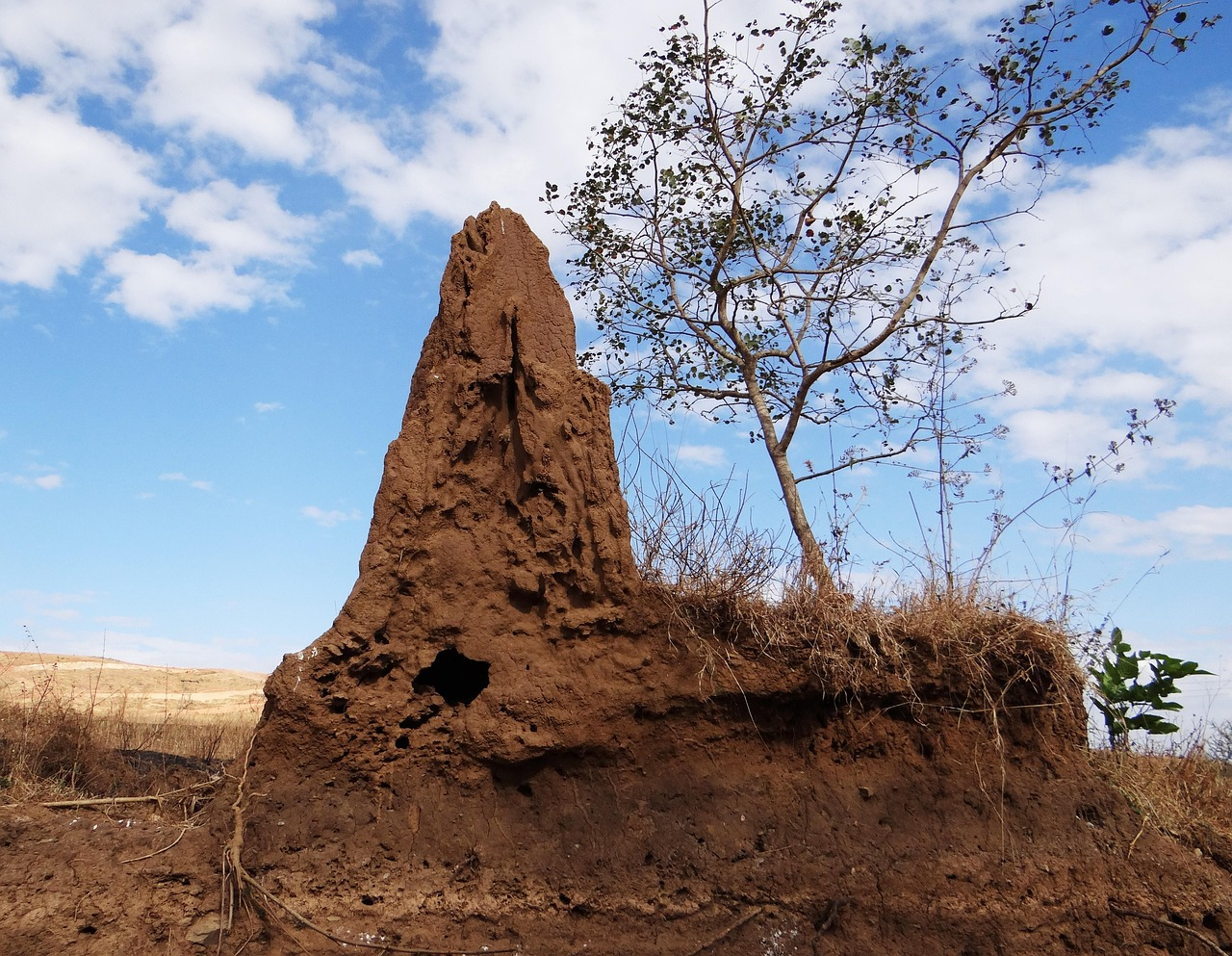
- Increased termite activity due to softened wood structures
- Greater survival rates of pest eggs and larvae in moist conditions
These conditions mean that homes in Florida must remain extra vigilant, especially during wetter months. If you’re unsure when pests are most likely to appear, it helps to monitor seasonal pest patterns that shift throughout the year.
Common Pests Linked to Moisture in Florida
Florida’s most problematic pests are often those that flourish in damp, humid environments. These pests not only multiply rapidly but also carry health and structural risks when left unchecked. Here are the top offenders:
- Termites: Dampwood and subterranean termites are highly active in moist wood and soil. Their colonies grow faster when the surrounding environment remains consistently humid.
- Mosquitoes: Standing water and moist air create ideal conditions for mosquitoes to breed, especially around gutters, plant trays, and clogged drains.
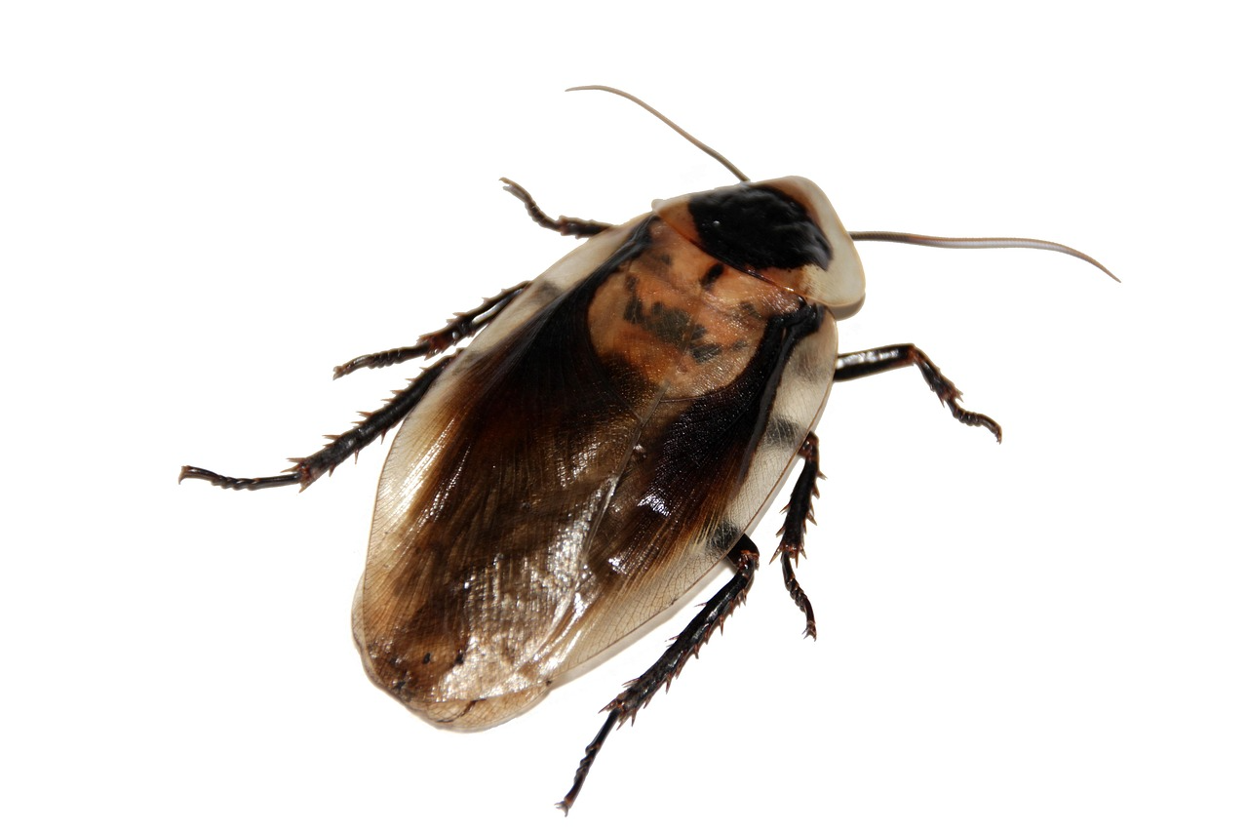
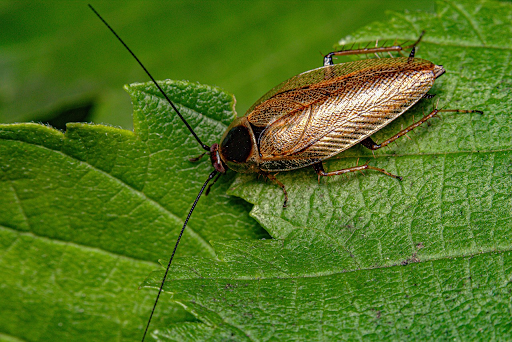
- Cockroaches: German and American cockroaches seek out damp areas like basements, under sinks, and behind appliances.
- Ants: Moist soil and water-damaged wood attract carpenter ants and other invasive species that are commonly found in Florida.
Identifying which pests are most active in your area during specific seasons can help you time your prevention efforts more effectively.
Key Areas in the Home Vulnerable to Moisture
Certain zones within a home are more prone to moisture accumulation than others. Recognizing and maintaining these areas is essential in preventing pest infestations.
- Bathrooms and laundry rooms: These spaces frequently retain steam and water vapor, making them prime areas for roaches and silverfish.
- Kitchens: Leaking pipes under sinks or behind appliances contribute to moisture buildup that can attract ants and cockroaches.
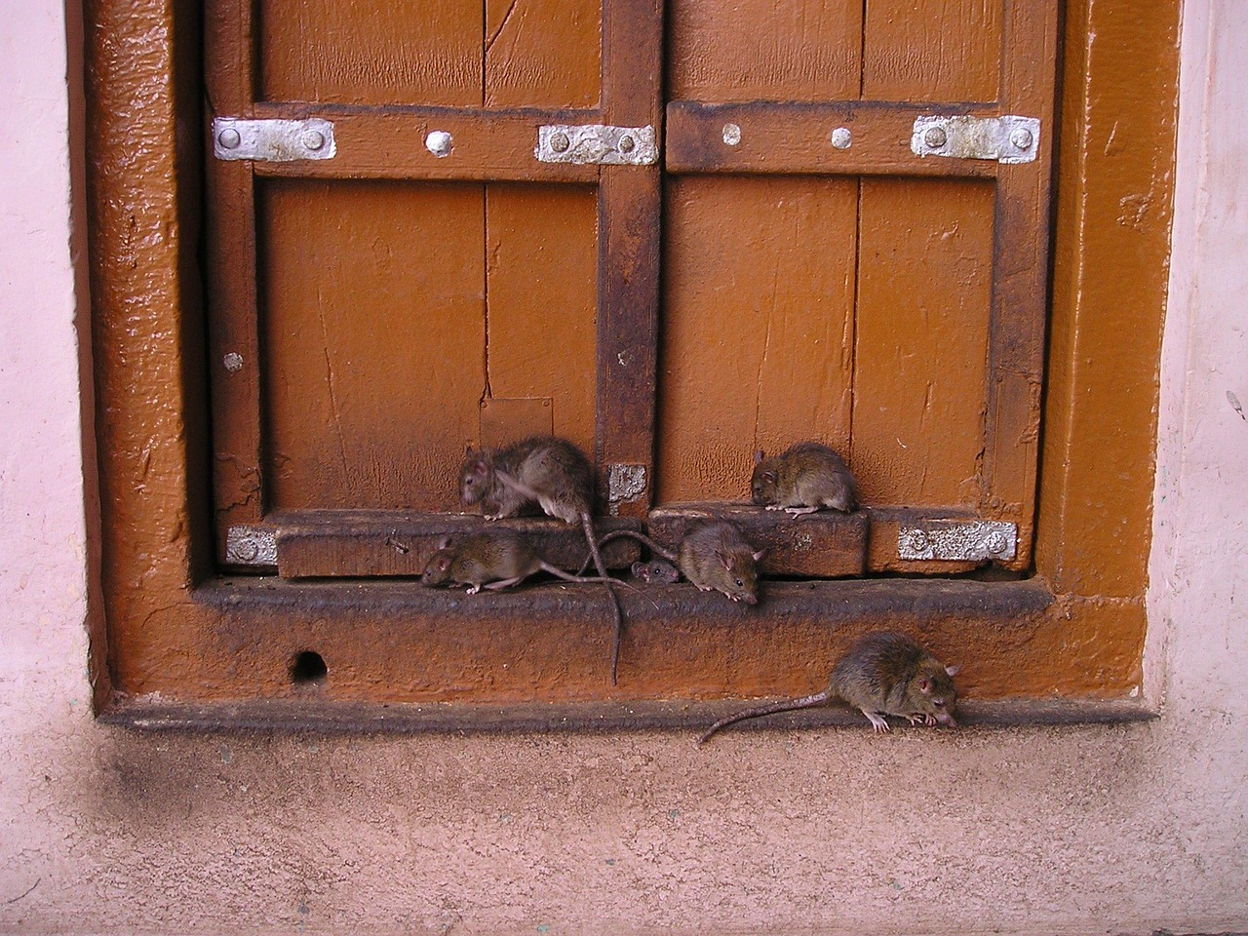
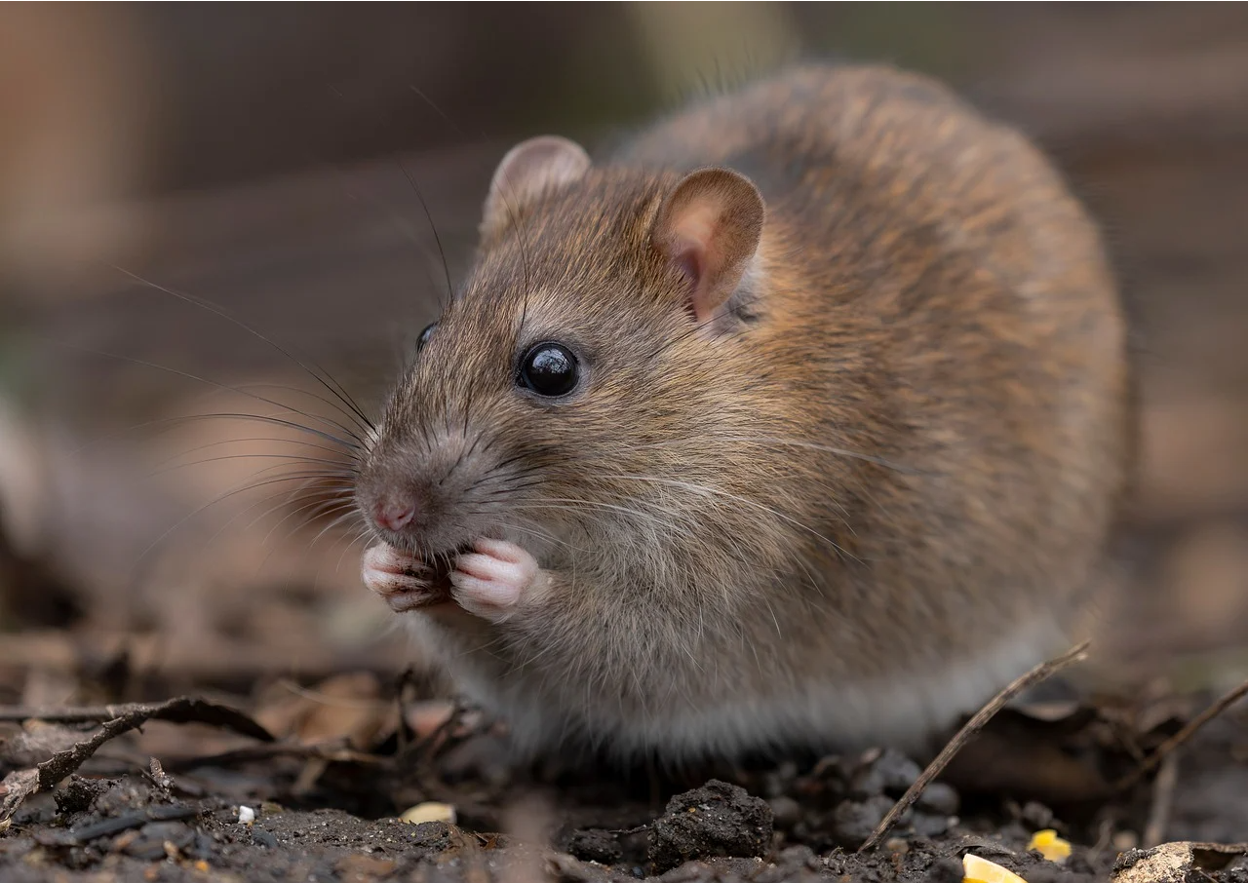
- Attics and crawl spaces: Without proper airflow, these zones can become humid and warm, attracting rodents, termites, and spiders.
- Basements and foundations: Ground moisture can seep through cracks, drawing in subterranean termites and other soil-dwelling pests.
- Gutters and exterior drains: When clogged, these hold standing water that becomes a breeding site for mosquitoes.
Taking the time to reinforce these areas is an important part of maintaining a pest-proof home and keeping Florida pests at bay throughout the year.
Managing Humidity as a Preventive Strategy
Controlling indoor and outdoor humidity levels can significantly reduce the chances of pest problems. Here are a few strategies that can be implemented:
- Install dehumidifiers in basements, crawl spaces, and other moisture-prone areas
- Use exhaust fans in kitchens, bathrooms, and laundry rooms to reduce trapped steam
- Seal leaks and plumbing issues to prevent water buildup
- Maintain proper drainage around your property to prevent pooling water
- Keep gutters clean to eliminate mosquito breeding sites
These methods not only reduce moisture but also strengthen your home’s defense against pests year-round. When paired with regular inspections and preventive treatments, homeowners can stay ahead of recurring issues.
Why Professional Help Matters in Florida’s Climate
Florida’s subtropical climate presents challenges that often go beyond DIY capabilities. While sealing cracks and using dehumidifiers can help, these measures may not address the root of an infestation. Persistent pest issues linked to moisture require expert evaluation and targeted treatment.
Pest control professionals understand how structural vulnerabilities interact with humidity to create ideal pest conditions. They have the tools to detect hidden issues and the training to implement solutions that offer long-term protection. More importantly, they can tailor treatment plans to match the unique characteristics of Florida homes and neighborhoods.
If pest issues continue despite your efforts, it’s a sign that deeper intervention is needed. A proactive approach that includes expert help will save time, reduce damage, and provide peace of mind.
Take Control of Moisture Before Pests Take Over
Humidity shouldn’t dictate the safety of your home. Let the experts at 911 Pests Experts help you keep moisture-related pests under control year-round.