Finding an unfamiliar insect crawling across your bathroom floor or hiding beneath a flowerpot can be unsettling, especially when it has a pair of noticeable pincers at the end of its body.
If you’ve encountered an earwig, you may have wondered whether it can bite, sting, or cause harm to your family.
Despite their intimidating appearance, earwigs are generally considered nuisance pests rather than dangerous household insects.
However, their presence indoors can still be frustrating, particularly when they appear repeatedly in bathrooms, kitchens, garages, or other damp areas.
So, are earwigs dangerous, and why do they enter Florida homes?
Understanding their behavior, preferred environments, and potential entry points can help homeowners recognize these insects and reduce unwanted activity around their properties.
What Are Earwigs?
Earwigs are insects belonging to the order Dermaptera.
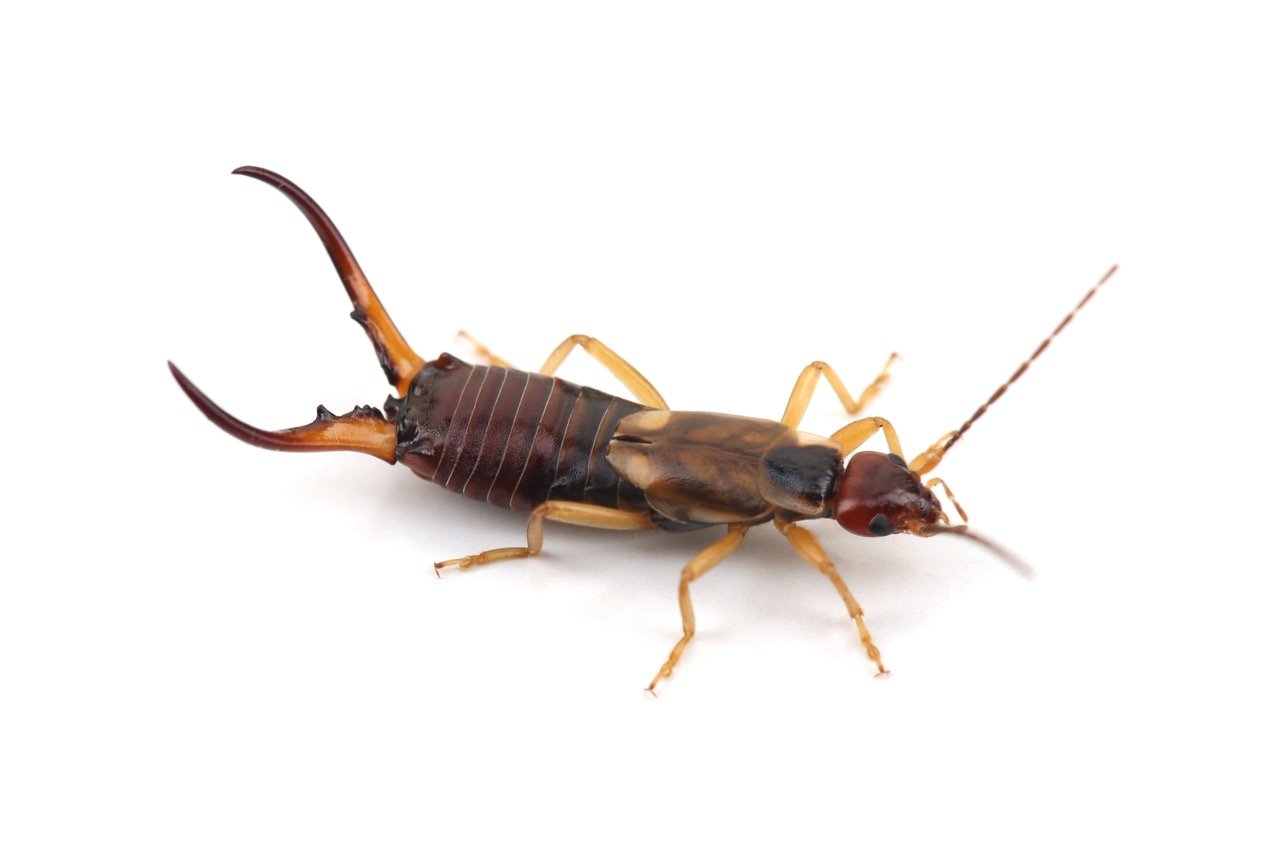
They are commonly recognized by their elongated bodies and a pair of curved appendages, called cerci, located at the rear of the abdomen.
These appendages resemble small pincers and are one of the earwig’s most distinctive features.
Depending on the species, earwigs may appear brown, reddish-brown, or dark in color.
Many species are primarily active at night and prefer protected environments where moisture is available.
During the day, they often hide beneath rocks, mulch, fallen leaves, wood, and other objects that provide shelter.
Although earwigs may occasionally enter homes, many species spend most of their time outdoors.
Are Earwigs Dangerous to Humans?
In most situations, earwigs are not considered dangerous to people.
Their pincers may look threatening, but they are not venomous stingers.
Earwigs may use these appendages for defense, interactions with other earwigs, and other behaviors.
If handled or trapped against the skin, an earwig may pinch.
However, these pinches are generally minor and do not involve injecting venom.
As with any minor skin injury, basic cleaning is appropriate if the skin is broken.
If unusual swelling, persistent pain, or signs of infection develop, seek medical advice.
For most homeowners, the primary concern associated with earwigs is their unwanted presence rather than a serious health threat.
Do Earwigs Bite?
Earwigs have mouthparts that allow them to feed on a variety of materials.
However, they are not known for seeking out humans to bite.
When people report an earwig bite, the sensation may actually have been caused by the insect’s rear pincers.
These pincers can sometimes grasp the skin when an earwig is disturbed.
The resulting discomfort is usually limited.
Earwigs do not feed on human blood and are not comparable to biting pests such as bed bugs, fleas, or mosquitoes.
Can Earwigs Crawl Into Your Ears?
One of the most persistent myths about earwigs is that they intentionally crawl into people’s ears.
Despite their name, earwigs do not seek out human ears as a normal part of their behavior.
The idea that they routinely enter ears to lay eggs or cause harm is a myth.
Like many small insects, an earwig could accidentally enter an unusual space, but this is not a characteristic behavior of the species.
Their name should not be interpreted as evidence that they are particularly attracted to human ears.
Why Are Earwigs Entering Your Florida Home?
Earwigs may enter homes when outdoor conditions change or when suitable shelter becomes available indoors.
Because they often prefer damp environments, moisture can play an important role in where they gather.
Florida’s warm climate, frequent rainfall, and irrigated landscapes can provide favorable outdoor conditions for these insects.
When earwigs move around a property, they may encounter openings that allow them to enter a building.
Common entry opportunities include gaps beneath doors, damaged weatherstripping, openings around utility lines, and other accessible structural spaces.
However, finding earwigs indoors does not necessarily indicate an established infestation.
Some may simply wander inside from nearby outdoor hiding places.
What Attracts Earwigs to a House?
Several environmental conditions may contribute to earwig activity around residential properties.
Moisture Around the Foundation
Damp soil and persistently wet areas may provide favorable conditions for earwigs.
Poor drainage, leaking outdoor faucets, and excessive irrigation can contribute to moisture accumulation.
Mulch and Leaf Litter
Mulch, fallen leaves, and decaying plant material may provide shelter.
These materials can retain moisture and create protected spaces where earwigs remain hidden during the day.
Outdoor Clutter
Wood piles, stacked materials, flowerpots, and other objects resting on the ground can provide hiding places.
When these items are close to exterior walls, earwigs may have more opportunities to approach the building.
Exterior Lighting
Earwigs are not generally attracted to lights in the same way as many flying insects.
However, outdoor lighting may attract other insects that serve as potential food sources for certain earwig species.
Gaps Around Doors and Windows
Small openings can allow earwigs to move indoors.
Damaged seals and poorly fitted doors may create accessible entry points.
Are Earwigs Common in Florida?
Earwigs can be found in Florida, particularly in outdoor environments where moisture and shelter are available.
Gardens, landscaped areas, mulch beds, and locations beneath outdoor objects may provide suitable habitats.
Florida’s rainy periods can influence moisture levels and insect movement.
However, earwig activity varies depending on local conditions, species, and the availability of shelter.
Not every Florida property will experience the same level of activity.
Homes surrounded by dense vegetation or persistently damp landscaping may encounter these insects more frequently than properties with fewer favorable hiding places.
Why Do Earwigs Appear After Rain?
Homeowners sometimes notice more earwigs around their homes following rainfall.
Rain can alter soil moisture, disturb existing hiding places, and influence insect movement.
When outdoor areas become saturated, some earwigs may move into different protected locations.
This movement can bring them closer to buildings.
However, rain does not automatically cause an indoor infestation.
Repeated sightings may reflect a combination of outdoor habitat conditions and accessible entry points.
Improving drainage and reducing moisture accumulation near the foundation may help make the immediate surroundings less favorable.
Where Do Earwigs Hide Inside a House?
When earwigs enter a home, they may seek out dark or protected locations.
Potential hiding places include bathrooms, laundry rooms, basements where present, garages, and areas beneath sinks.
They may also be found near doors or windows where they entered.
Because earwigs often prefer moisture, damp indoor spaces may be particularly relevant.
However, their presence in a room does not necessarily mean they are reproducing there.
A few individuals may have entered from outdoors and become trapped inside.
Why Are There Earwigs in My Bathroom?
Bathrooms can provide moisture and protected spaces that may attract earwigs after they enter a home.
Leaking plumbing, condensation, and damp areas beneath fixtures can create favorable conditions.
Earwigs may also enter through nearby structural openings rather than originating from the plumbing itself.
If you repeatedly notice them in the bathroom, inspect accessible areas for moisture problems and possible entry points.
A professional inspection may help determine whether the insects are coming from an outdoor source or whether indoor conditions are contributing to their presence.
Do Earwigs Live in Drains?
Earwigs may occasionally be found near sinks, tubs, or floor drains because these areas can be damp.
However, they are not typical drain-breeding insects.
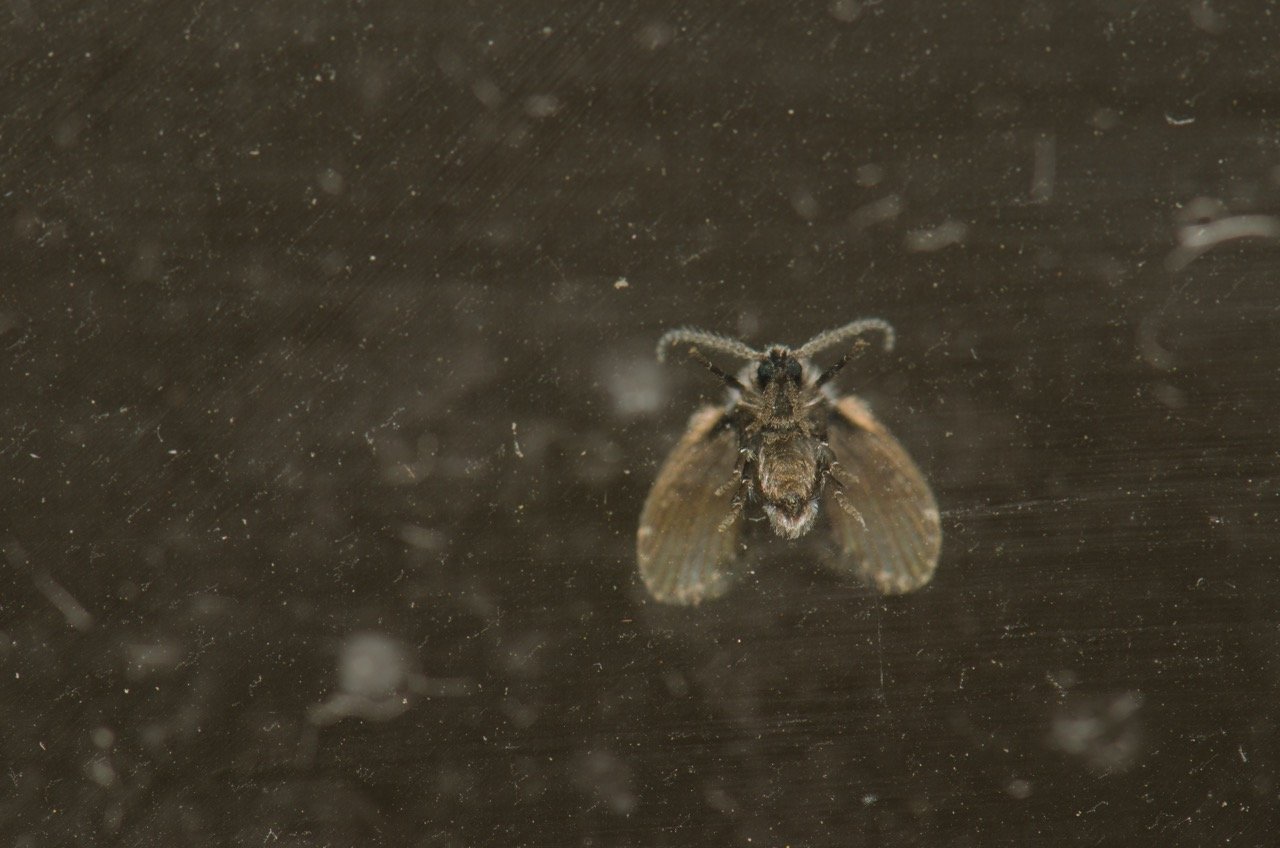
Unlike drain flies, which may develop in suitable organic buildup associated with drains, earwigs generally rely on other habitats.
Finding an earwig near a drain does not prove that it emerged from the plumbing.
If insects are repeatedly appearing around a particular fixture, accurate identification and inspection can help determine the source.
Can Earwigs Damage Your Home?
Earwigs are not generally considered structural pests.
They do not consume wood in the same way termites do, and they are not known for causing significant damage to residential building materials.
Their presence may be unpleasant, but finding a few earwigs does not mean your home’s structure is at risk.
However, conditions that attract earwigs, such as persistent moisture, may deserve attention for other reasons.
Water damage and ongoing leaks can affect building materials independently of earwig activity.
Addressing these maintenance concerns can help protect the property while reducing favorable pest conditions.
Do Earwigs Damage Plants?
Some earwig species feed on plant material and may damage tender leaves, flowers, or seedlings.
However, earwigs can also feed on other insects and organic matter.
Their role in gardens is therefore more complicated than simply being harmful.
In some situations, they may consume pests such as aphids.
In others, their feeding may contribute to damage on susceptible plants.
Before treating a garden, identify the actual cause of the damage.
Not every hole in a leaf is evidence of earwig feeding.
Are Earwigs a Sign of an Infestation?
Not necessarily.
Finding one or two earwigs indoors may indicate that they wandered in from outside.
An established indoor population is less common than occasional entry from outdoor habitats.
However, repeated sightings can suggest that favorable conditions or entry points remain present.
If you regularly discover multiple earwigs in the same areas, it may be worth investigating moisture levels, landscaping, and structural openings.
The frequency and location of sightings can help determine whether professional evaluation is appropriate.
How to Get Rid of Earwigs in Your House
Managing earwigs usually involves reducing favorable conditions and limiting opportunities for entry.
1. Reduce Excess Moisture
Repair leaking faucets and plumbing connections.
Improve drainage where water accumulates near the building.
Avoid excessive irrigation that keeps soil continuously wet.
2. Inspect Entry Points
Check accessible gaps around doors, windows, and utility penetrations.
Repair damaged weatherstripping and door sweeps.
Use appropriate materials to seal openings without blocking necessary ventilation or drainage.
3. Manage Mulch and Landscaping
Avoid allowing excessive organic debris to accumulate directly against exterior walls.
Maintain landscaping so that the area near the foundation is accessible for inspection.
4. Remove Outdoor Hiding Places
Relocate unnecessary piles of wood, leaves, and other materials away from the house.
Check beneath flowerpots and outdoor objects where moisture may collect.
5. Remove Indoor Earwigs
Individual earwigs can often be removed using a vacuum or other suitable method.
Dispose of collected insects appropriately.
However, removing visible insects alone may not prevent new ones from entering.
6. Consider Professional Pest Control
If earwigs continue appearing despite maintenance and exclusion efforts, a professional inspection may help identify contributing conditions.
A pest control professional can recommend appropriate management based on the extent of activity.
Can Vinegar Get Rid of Earwigs?
Vinegar is sometimes recommended as a household remedy for various insects.
However, there is limited evidence that ordinary vinegar applications provide reliable, long-term control of earwig populations.
Applying household substances around the home may also damage certain surfaces or plants.
A more dependable approach focuses on reducing moisture, managing outdoor shelter, and correcting accessible entry points.
Do Essential Oils Repel Earwigs?
Essential oils are frequently promoted as natural insect repellents.
However, their effectiveness against earwigs in real residential environments is not consistently established.
Some concentrated oils can irritate skin, affect pets, or damage household materials.
They should not be assumed to be harmless simply because they are plant-derived.
For recurring earwig problems, habitat management and appropriate exclusion measures are generally more useful starting points.
Should You Use Pesticides for Earwigs?
Pesticides are not always necessary for occasional earwig sightings.
In many situations, reducing moisture and outdoor hiding places can help limit activity.
If chemical treatment is considered, use only products labeled for the intended pest and application site.
Follow all label instructions and safety precautions.
Professional guidance may be useful when activity is persistent or when treatment is being considered near sensitive areas.
How to Prevent Earwigs During Florida’s Rainy Season
Florida’s rainy season can create moist conditions around residential properties.
To reduce favorable habitats, maintain gutters and downspouts so water drains appropriately.
Address standing water and drainage problems near the foundation.
Keep mulch and other landscaping materials properly maintained.
Inspect door seals and accessible structural openings.
Remove unnecessary debris that provides shelter close to the building.
These steps can help reduce earwig activity while supporting broader household pest prevention.
Can Earwigs Come Back After Pest Control?
Yes.
Earwigs may return if favorable outdoor conditions remain or if new insects continue entering through accessible openings.
For example, treating visible insects may provide temporary relief without addressing persistently damp mulch near the foundation.
Long-term management often requires combining appropriate pest control measures with moisture reduction and maintenance.
No treatment can guarantee that an outdoor insect will never enter the home again.
However, addressing contributing conditions can help reduce recurring activity.
When Should You Call a Pest Control Professional?
Consider professional assistance if earwigs appear repeatedly throughout your home, if you cannot identify where they are entering, or if activity continues despite preventive measures.
A professional can help confirm the insect’s identity and evaluate conditions that may be contributing to the problem.
This can be especially helpful when multiple pests are present or when moisture issues complicate the situation.
The appropriate management strategy should reflect the actual conditions found during the inspection.
Are Earwigs Dangerous? What Florida Homeowners Should Remember
So, are earwigs dangerous?
For most people, earwigs are primarily nuisance insects.
Although their pincers can occasionally cause a minor pinch, they are not venomous stingers and do not seek out humans as a food source.
Their presence indoors is often associated with nearby outdoor habitats, moisture, and accessible entry points.
Florida homeowners can help reduce unwanted activity by maintaining drainage, managing landscaping, removing hiding places, and sealing appropriate structural openings.
When earwigs continue appearing, professional identification and inspection can help determine the best next steps.
Contact 911 Home Helps Today
Are earwigs repeatedly appearing in your bathroom, garage, or other areas of your Florida home? 911 Home Helps can inspect your property, identify potential entry points, evaluate conditions that attract unwanted insects, and recommend an appropriate pest control and prevention strategy.