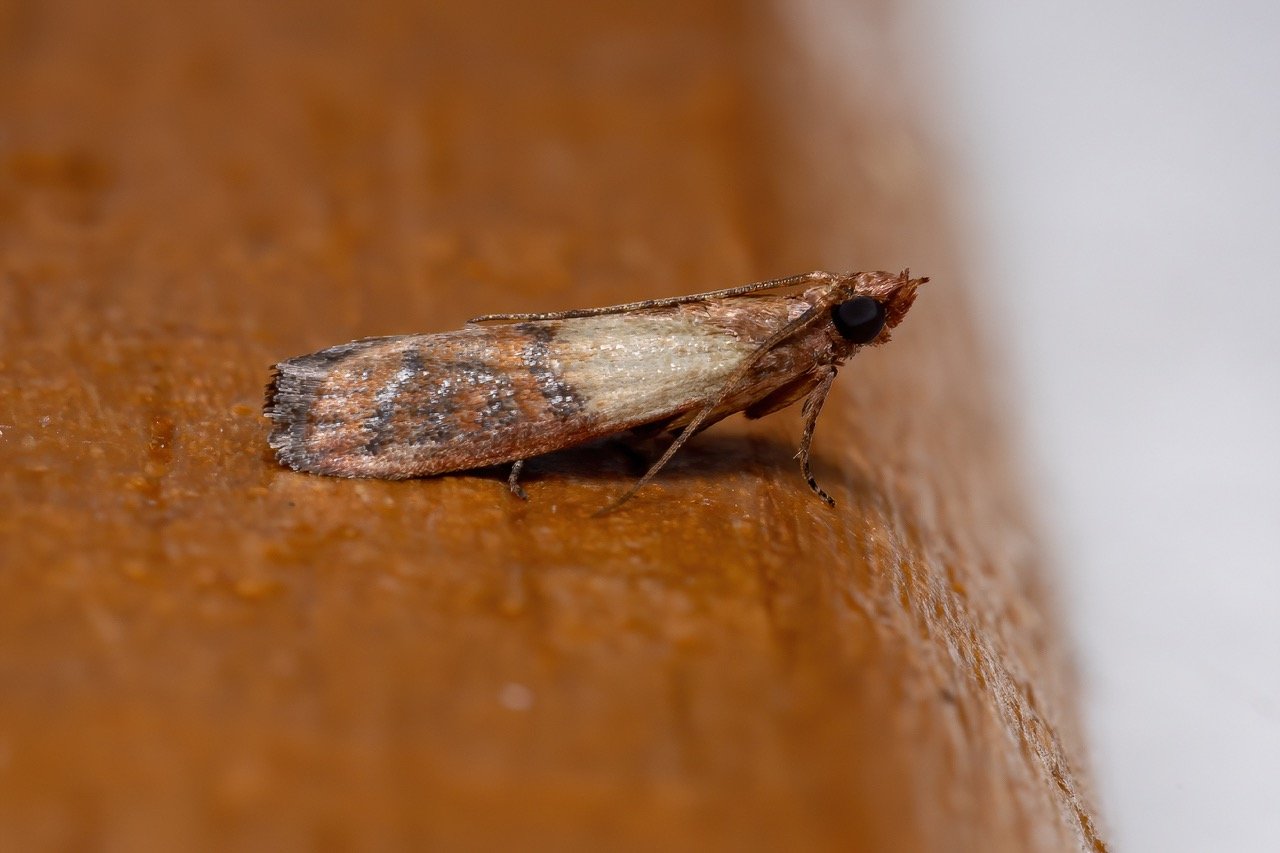
Have you noticed tiny, fuzzy flies resting on the walls near your bathroom sink? Perhaps they appear every morning, even after you’ve cleaned the counter and wiped down the surrounding surfaces.
These small insects may be drain flies, also known as moth flies.
Although they are generally considered nuisance pests, their repeated appearance can be frustrating, particularly when you cannot figure out where they are coming from.
Many homeowners assume the insects are entering through an open window or flying in from outdoors. However, drain flies in bathroom sink areas may be developing much closer than expected.
The buildup of organic material inside certain drains and other persistently wet locations can provide suitable breeding conditions.
For Florida homeowners, understanding why drain flies appear, how to locate their breeding sites, and which prevention methods work can help address recurring activity.
What Are Drain Flies?
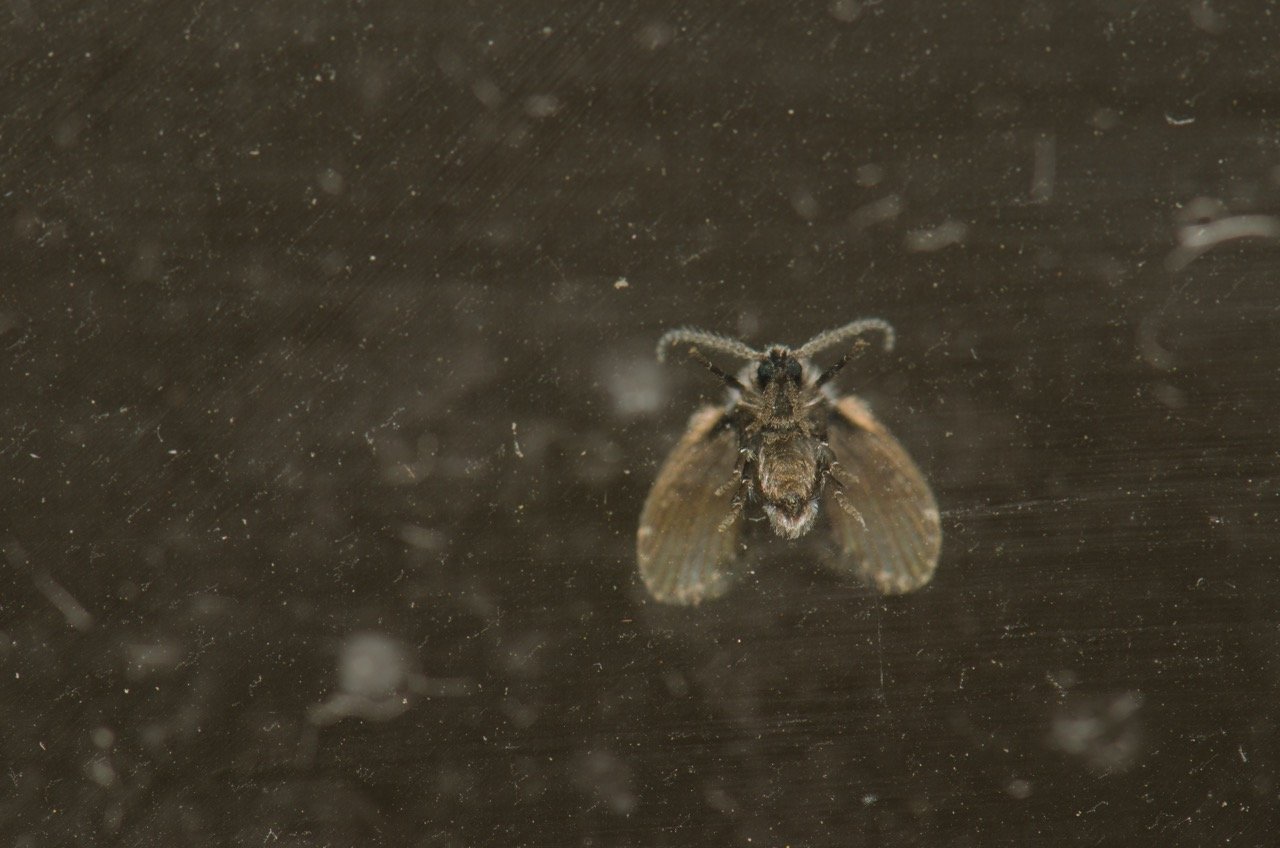
Drain flies are small flies belonging to the family Psychodidae.
They are commonly called moth flies because their broad, hairy wings give them a somewhat moth-like appearance.
Adult drain flies are usually grayish or dark in color and often rest on walls, sinks, tiles, and other surfaces near damp locations.
Unlike many other household flies, drain flies are generally weak fliers.
They may make short, irregular flights when disturbed before settling on a nearby surface.
Their immature stages develop in moist environments containing suitable organic material.
This is why certain household drains and plumbing-related areas may become breeding sites.
Why Are Drain Flies Coming From Your Bathroom Sink?
The most common reason drain flies appear near bathroom sinks is the presence of a suitable breeding environment.
Over time, some drains develop a buildup of organic material along their interior surfaces.
This material may contain soap residue, skin cells, hair, microorganisms, and other debris.
When moisture remains available, the buildup can support the development of drain fly larvae.
Adult flies may then emerge from the drain area and gather on nearby walls or fixtures.
However, finding drain flies near a sink does not automatically prove that the sink drain is the source.
Other nearby locations, including floor drains, shower drains, plumbing leaks, and persistently wet areas, may also support development.
Identifying the actual breeding site is essential for effective control.
What Attracts Drain Flies to Bathrooms?
Drain flies are associated with moisture and organic material.
Bathrooms can provide both conditions, particularly when drains are poorly maintained or plumbing problems remain unresolved.
Organic Buildup Inside Drains
Organic deposits may accumulate along the walls of drainpipes and other plumbing components.
These deposits can provide food and habitat for developing larvae.
Persistent Moisture
Drain fly larvae require moist conditions.
Areas that remain wet for extended periods may support their development when suitable organic material is present.
Infrequently Used Drains
Guest bathrooms, utility sinks, and other fixtures that receive little use may develop conditions favorable to drain flies.
However, an unused drain is not automatically infested.
Plumbing Leaks
Leaks beneath sinks, behind walls, or around plumbing fixtures may create damp environments.
If organic material accumulates in these locations, certain flies may develop there.
Poorly Maintained Floor Drains
Floor drains can collect debris and moisture.
When organic buildup is present, they may become another potential source of drain fly activity.
Are Drain Flies Common in Florida?
Drain flies can occur in homes throughout Florida.
The state’s warm climate and humid conditions may support various insects, but indoor drain fly problems depend heavily on local moisture and organic material.
Even homes with air conditioning may experience activity when suitable breeding sites develop inside plumbing systems or other damp areas.
Drain flies are not limited to a particular season.
If favorable conditions remain available indoors, activity may continue throughout the year.
How Can You Identify Drain Flies?
Drain flies have several characteristics that can help distinguish them from other small flies.
Adults are typically small, with broad wings covered in fine hairs.
Their wings often appear rounded or triangular when the insects are resting.
They commonly remain close to damp surfaces and make short flights when disturbed.
However, other insects can also appear near bathroom sinks.
Fruit flies, fungus gnats, and certain other small flies may be mistaken for drain flies.
Accurate identification matters because different insects have different breeding habitats.
If you are unsure which pest is present, professional identification can help avoid ineffective treatments.
Where Do Drain Flies Lay Their Eggs?
Female drain flies may lay eggs in moist environments containing suitable organic material.
In residential settings, this may include buildup inside drains or other wet locations.
After hatching, larvae feed within the moist material.
They eventually develop into pupae before emerging as adults.
The duration of development depends on environmental conditions, including temperature and available resources.
Because immature stages may remain concealed, homeowners often notice the adults before realizing where the insects are developing.
Can Drain Flies Come From a Clean Bathroom?
Yes.
A bathroom may appear spotless while organic deposits remain inside inaccessible sections of plumbing.
Wiping down counters, cleaning mirrors, and mopping floors does not necessarily remove buildup inside drain components.
Similarly, a bathroom can have a concealed moisture problem even when visible surfaces appear dry.
This is why repeated drain fly sightings should prompt an investigation of potential breeding sites rather than an assumption that ordinary surface cleaning will solve the problem.
Do Drain Flies Come From the Sewer?
Drain flies may develop in suitable organic material associated with plumbing and wastewater environments.
However, seeing drain flies in a bathroom does not automatically mean they are entering directly from a municipal sewer.
In many household situations, the breeding site may be located within the property’s own drain system or another damp area.
Damaged plumbing, leaks, and other drainage problems may contribute to persistent activity.
If you notice sewage odors, backups, or recurring plumbing issues, contact a qualified plumber.
A pest control inspection may help identify the insects, but plumbing repairs should be performed by an appropriate professional.
Are Drain Flies Dangerous?
Drain flies are generally considered nuisance insects rather than pests known for biting people.
They do not behave like mosquitoes or bed bugs.
However, their presence may indicate organic buildup or a persistent moisture condition that deserves attention.
In some circumstances, drain-associated insects may come into contact with microorganisms in unsanitary environments.
That does not mean every drain fly sighting represents a serious health hazard.
The primary concern in most residential cases is locating and correcting the conditions that allow the insects to reproduce.
Do Drain Flies Bite Humans?
Drain flies are not known for biting people.
Their feeding behavior differs from that of blood-feeding insects.
If you are experiencing unexplained bites or skin irritation, do not assume drain flies are responsible.
Other insects or non-insect causes may need to be considered.
Accurate identification is important before choosing any treatment.
Why Are Drain Flies Appearing Every Morning?
Homeowners sometimes notice drain flies resting near sinks early in the day.
This can happen because adult flies remain on nearby walls or fixtures and become more noticeable when the bathroom is used.
Their appearance at a particular time does not necessarily mean they are emerging from the drain only during those hours.
If the same insects appear repeatedly, a breeding site may be present nearby.
Monitoring where they gather can help narrow down the possible source.
How to Find the Source of Drain Flies
Finding the breeding site is one of the most important steps in controlling drain flies.
Begin by identifying where adult insects are most frequently observed.
Inspect accessible drains, plumbing fixtures, and areas where moisture persists.
Look for visible organic buildup, leaks, or drainage problems.
If multiple fixtures are present, consider whether activity is concentrated near one particular location.
Testing a Suspected Drain
One way to investigate a suspected source is to use an appropriate monitoring method near the drain opening.
For example, a small sticky monitoring trap positioned safely near a drain may help determine whether adult flies are emerging in that area.
However, monitoring results are not always conclusive.
Avoid placing materials inside drains or obstructing plumbing.
If the source remains unclear, professional inspection may be necessary.
How to Get Rid of Drain Flies in Your Bathroom Sink
Effective drain fly management focuses on eliminating the breeding material.
Removing adult flies alone may provide temporary relief without stopping new insects from emerging.
1. Inspect the Sink Drain
Examine accessible portions of the drain for visible buildup.
Pay attention to areas where organic residue may accumulate.
If the sink drains slowly or produces unusual odors, a plumbing issue may require attention.
2. Remove Organic Buildup
Appropriate mechanical cleaning can help remove material that supports drain fly development.
Depending on the fixture, this may involve cleaning accessible drain components with suitable tools.
Follow manufacturer guidance and avoid damaging plumbing parts.
3. Check the Sink Overflow
Some bathroom sinks have overflow openings that connect to the drain assembly.
Organic material may accumulate in these passages.
If you suspect buildup in an overflow channel, use a cleaning method appropriate for the fixture or consult a plumbing professional.
4. Inspect Nearby Drains
If activity continues, examine shower drains, floor drains, and other nearby fixtures.
The sink may not be the only potential breeding site.
5. Repair Leaks
Persistent moisture beneath a sink or around plumbing connections may support insects and other problems.
Repair leaks promptly and allow affected materials to dry appropriately.
6. Monitor for Continued Activity
After addressing a suspected breeding site, monitor whether adult sightings decrease.
Some adults may remain temporarily even after the source has been corrected.
If activity persists, another breeding location may still be present.
Does Pouring Boiling Water Down the Drain Kill Drain Flies?
Boiling water is frequently recommended as a home remedy for drain flies.
However, it may not reliably eliminate larvae or remove the organic material that supports development.
Very hot water can also damage certain plumbing materials or fixtures, depending on their construction and condition.
Rather than relying on boiling water, focus on identifying and removing the breeding material through methods appropriate for the plumbing system.
Does Bleach Kill Drain Flies?
Bleach is sometimes used in an attempt to control drain flies.
However, pouring bleach into a drain may not adequately remove the buildup where larvae develop.
It can also create unnecessary chemical exposure risks.
Never mix bleach with other drain cleaners, acids, ammonia, or household cleaning products.
Dangerous chemical reactions may occur.
If drain cleaning is necessary, use products only as directed and consider mechanical cleaning or professional plumbing assistance when appropriate.
Do Vinegar and Baking Soda Work Against Drain Flies?
Vinegar and baking soda are commonly suggested for household drain cleaning.
However, there is limited evidence that this combination reliably eliminates established drain fly breeding sites.
The reaction may produce visible bubbling without removing all the organic deposits supporting larvae.
Persistent infestations generally require locating and removing the actual breeding material.
Home remedies should not replace appropriate plumbing maintenance.
Can Drain Cleaners Eliminate Drain Flies?
Some drain maintenance products may help address organic deposits when used according to their labeling.
However, not every product is suitable for every plumbing system.
Chemical drain cleaners can present hazards and may not reach all breeding sites.
Avoid combining products or applying chemicals without understanding their intended use.
When a drain is severely clogged or repeatedly attracts insects, professional plumbing evaluation may be the safer and more effective option.
Why Do Drain Flies Keep Coming Back?
Recurring drain fly activity usually indicates that suitable breeding conditions remain available.
For example, adult flies may disappear temporarily while larvae continue developing inside organic deposits.
Another possibility is that the original breeding site was never correctly identified.
A homeowner may clean the bathroom sink while the insects are actually developing in a nearby floor drain.
Persistent leaks or drainage problems can also allow favorable conditions to return.
Long-term control depends on correcting the underlying source.
Can Drain Flies Spread to Other Rooms?
Adult drain flies can move away from their breeding sites and appear in nearby rooms.
However, their weak flying ability often keeps them relatively close to suitable habitats.
Finding a drain fly in another room does not necessarily mean a separate infestation is present there.
If insects appear throughout the home, consider whether multiple breeding sites exist or whether another small fly species may be involved.
Professional identification can help clarify the situation.
How to Prevent Drain Flies in Florida Homes
Preventing drain flies involves maintaining plumbing fixtures and reducing persistent organic buildup.
Regularly inspect bathroom sinks, showers, and accessible drains.
Address slow drainage and recurring odors promptly.
Repair plumbing leaks and avoid allowing water-damaged materials to remain wet.
Clean accessible drain components using methods appropriate for the fixture.
In guest bathrooms or other infrequently used spaces, periodically check that plumbing fixtures are functioning correctly.
These habits can help reduce conditions that support drain fly development.
When Should You Call a Pest Control Professional?
Consider professional assistance if drain flies continue appearing after appropriate cleaning and plumbing maintenance.
An inspection may help identify whether the insects are actually drain flies and determine where activity is concentrated.
However, some problems require coordination with a plumber, especially when leaks, damaged pipes, or inaccessible drainage components are involved.
The appropriate response depends on the source of the infestation.
A successful approach addresses both the insects and the conditions that allow them to develop.
Understanding Drain Flies in Your Bathroom Sink
Finding drain flies in bathroom sink areas can be frustrating, especially when the insects return after repeated cleaning.
However, their presence often provides a clue that moisture and organic material may be accumulating somewhere nearby.
The most effective strategy is to identify the breeding site, remove suitable organic buildup, and correct any contributing plumbing problems.
Florida homeowners can reduce recurring activity by maintaining drains, repairing leaks, and monitoring areas where moisture persists.
When the source remains difficult to locate, professional inspection can help determine the next steps.
Contact 911 Home Helps Today
Are tiny flies repeatedly appearing around your bathroom sink, shower, or other drains? 911 Home Helps can help identify the insects, evaluate signs of pest activity, and recommend an appropriate pest management and prevention strategy for your Florida home.