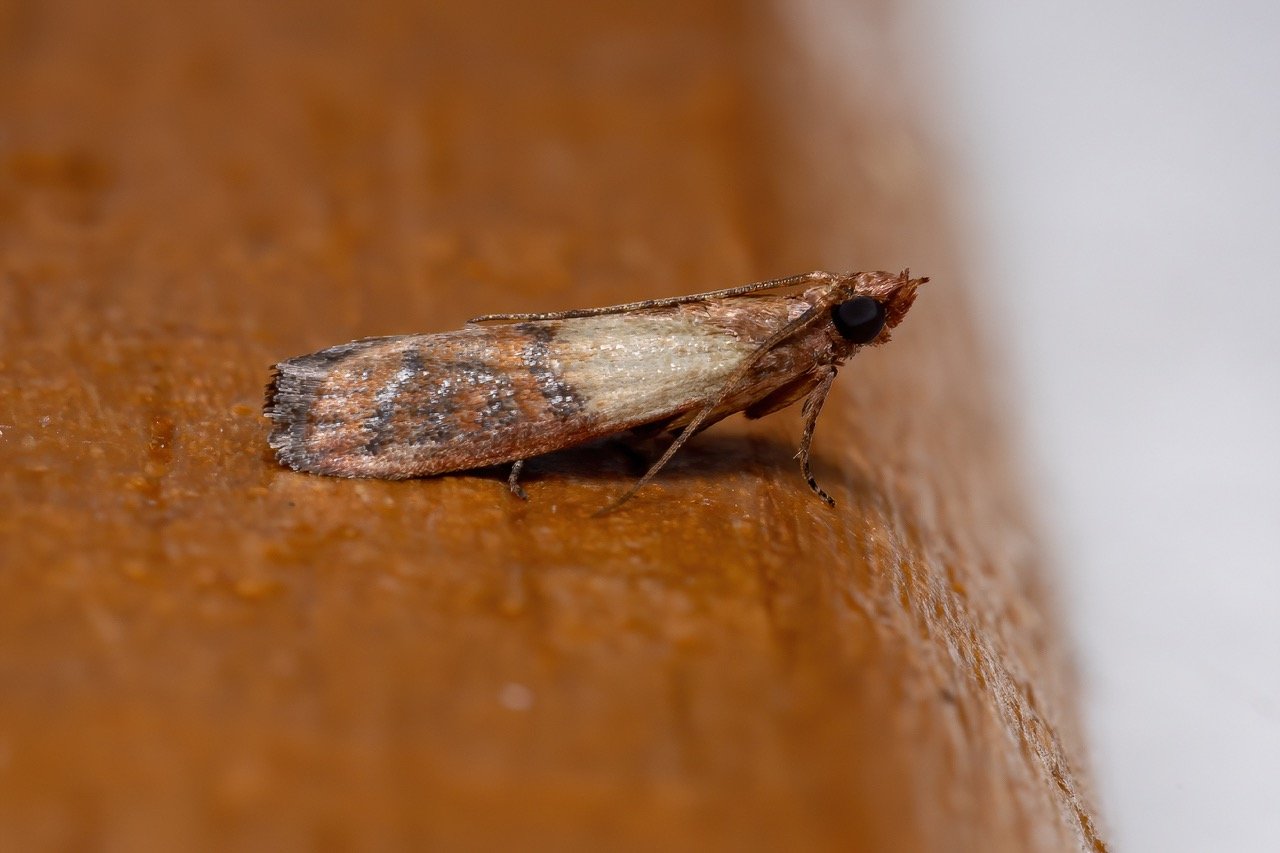
Opening your kitchen cabinet and discovering tiny insects crawling inside a bag of flour or around a container of rice can be an unpleasant surprise.
You may notice small beetles moving across shelves, moths flying near food storage areas, or unusual debris inside packaged products.
These signs may indicate a pantry pest problem.
Pantry pests are insects that infest certain stored foods, including grains, cereals, flour, pasta, nuts, and dried products. Although many of these insects are not considered dangerous in the same way as biting or stinging pests, they can contaminate food and create frustrating household problems.
Understanding how to get rid of pantry pests is especially important when insects begin appearing repeatedly, even after affected packages have been removed.
For Florida homeowners, proper food storage, regular inspections, and early identification can help reduce the likelihood of recurring infestations.
What Are Pantry Pests?
Pantry pests are insects associated with stored food products.
Several species may infest residential kitchens, including certain beetles, weevils, and moths.
Some develop inside grains or seeds, while others feed on processed foods and dry ingredients.
Their appearance and behavior vary depending on the species.
For example, Indianmeal moths are commonly associated with stored food infestations, while certain flour beetles may be found in flour and other grain-based products.
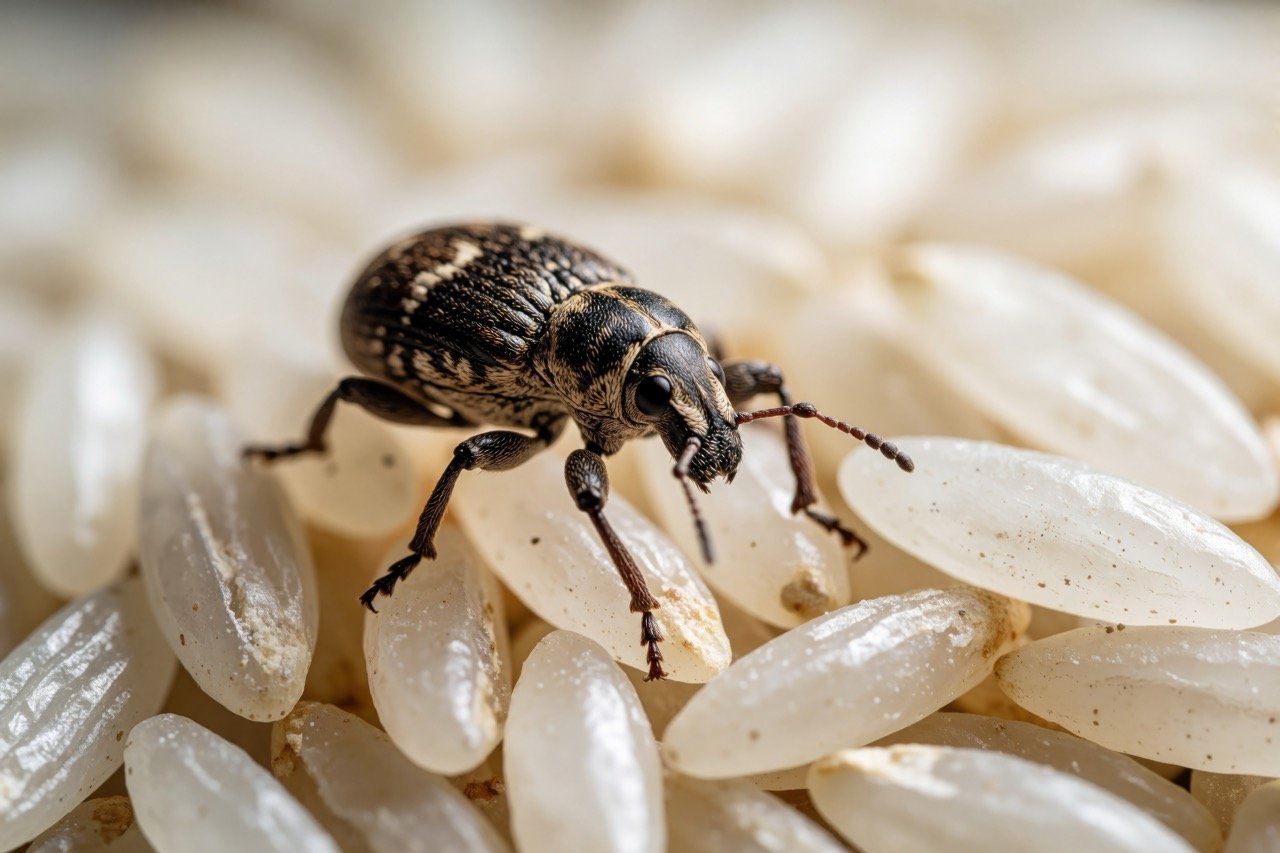
Rice weevils and other grain-infesting insects may develop within suitable whole grains.
Because different species have different habits, identifying the insect can help determine where to look for the source.
Why Are There Pantry Pests in Your Kitchen?
Pantry pests may enter a home through infested food products.
In some cases, eggs or immature insects are already present in packaged goods before the homeowner notices any activity.
Once the product is stored, insects may continue developing and eventually emerge.
Some adult insects can also move between food packages or enter through accessible openings.
However, finding pantry pests does not necessarily mean your kitchen is dirty.
Even well-maintained homes can experience infestations when contaminated products are introduced.
The most important step is locating the affected food source and preventing insects from spreading to other items.
What Foods Attract Pantry Pests?
Different pantry pest species prefer different stored products.
Commonly affected foods include:
- Flour and baking mixes.
- Rice and other grains.
- Breakfast cereals.
- Pasta.
- Nuts and seeds.
- Dried fruit.
- Spices.
- Pet food and birdseed.
- Certain dried beans and legumes.
Not every pantry pest feeds on every product.
Some species prefer whole grains, while others develop in processed foods or broken grain materials.
Inspecting the foods associated with a particular insect can help narrow down the source.
Are Pantry Pests Common in Florida?
Pantry pests can occur in Florida homes throughout the year.
Warm temperatures may support insect development, although indoor conditions and the availability of suitable food are also important.
Air-conditioned kitchens are not necessarily protected from pantry pests.
If infested products are introduced and insects have access to food, development may continue indoors.
This is why proper food storage and routine inspection are useful regardless of the season.
What Are the Signs of a Pantry Pest Infestation?
Pantry pest activity is not always immediately obvious.
In some cases, insects remain inside packages until their populations become noticeable.
Small Insects Inside Food Packages
Finding beetles, weevils, or larvae inside dry food products is a strong reason to inspect the affected item.
The appearance of the insect may help determine which species is involved.
Moths Flying Around Cabinets
Small moths appearing repeatedly near food storage areas may indicate stored-product moth activity.
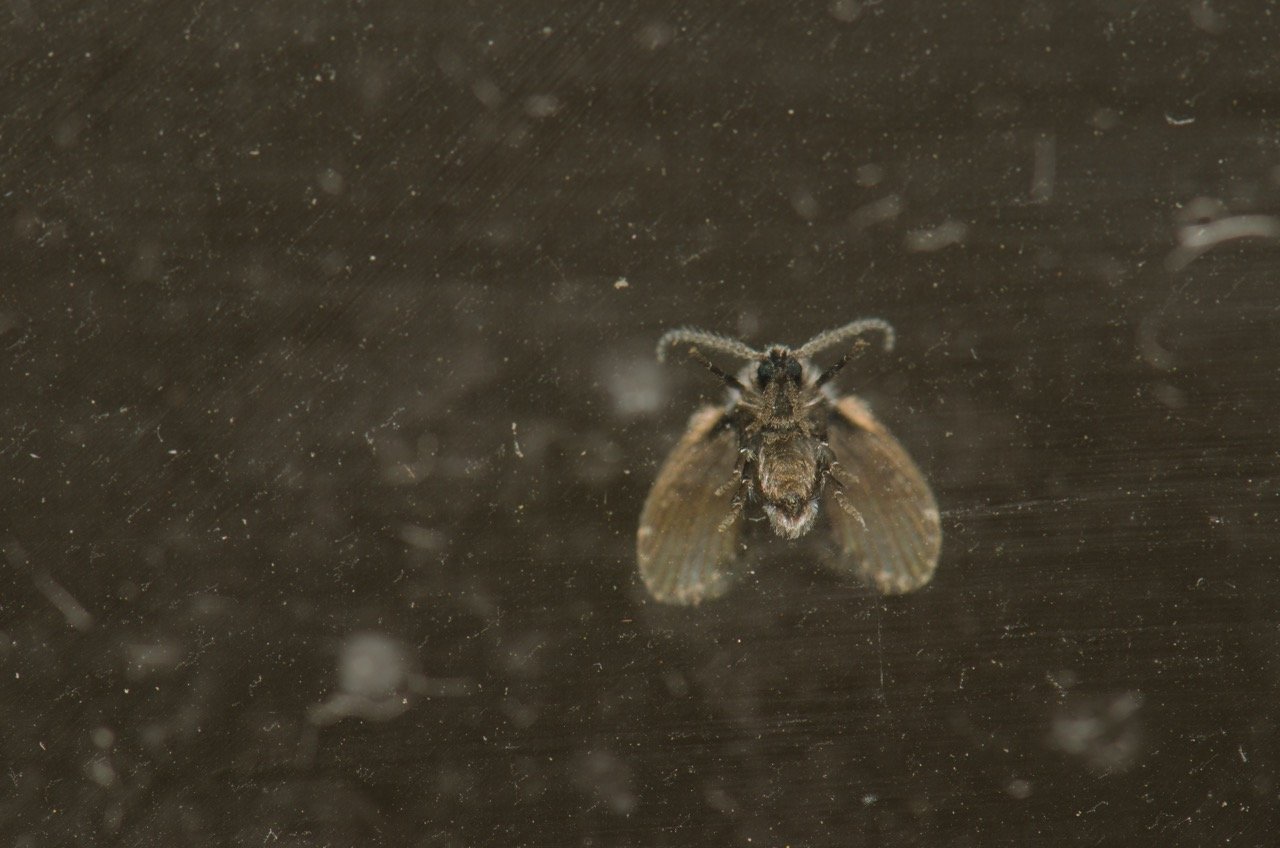
However, not every moth found indoors is a pantry pest.
Webbing Inside Packages
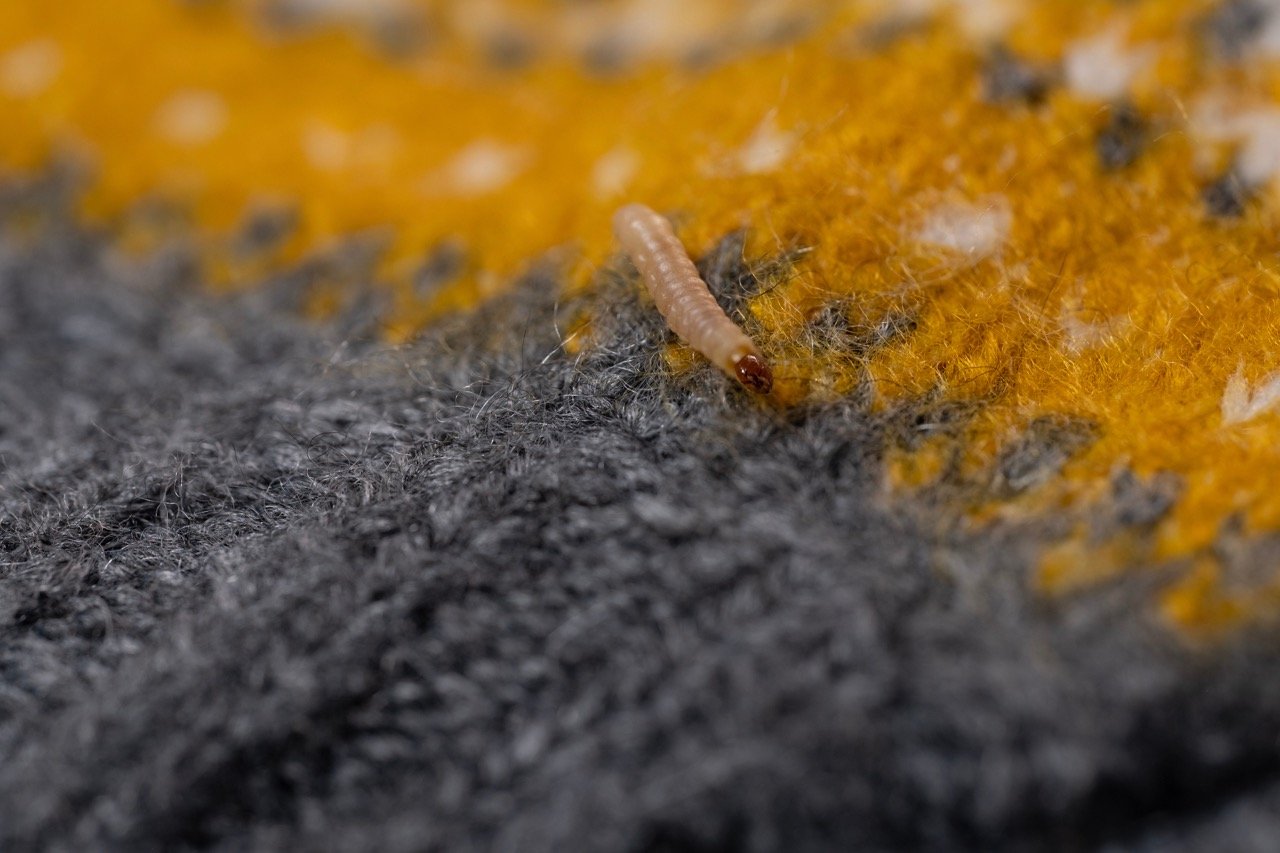
Certain pantry moth larvae produce silk as they feed.
This can create webbing or clumped food material inside affected packages.
Damaged Packaging
Some stored-product insects can exploit small openings or vulnerable packaging.
Torn bags and poorly sealed containers may also allow insects to move between products.
Unusual Debris
Larval skins, insect fragments, and other debris may accumulate inside infested products.
If food appears contaminated, it should not be consumed.
Can Pantry Pests Get Into Sealed Packages?
Some pantry pests can enter packaging that appears closed but is not fully insect-resistant.
Thin cardboard, paper bags, and certain plastic packages may contain small gaps or vulnerable seams.
Some insects may also be present inside a package before it is purchased.
However, a properly sealed, durable container can provide better protection than ordinary paper or cardboard packaging.
Glass, metal, and suitable rigid plastic containers with tight-fitting lids are commonly used for dry food storage.
Are Pantry Pests Dangerous to Humans?
Most common pantry pests are primarily considered stored-food pests rather than insects that bite or sting people.
However, infested food may contain insects, larvae, shed skins, or other contamination.
Food quality may also deteriorate as insect activity continues.
Some individuals may experience irritation or allergic responses associated with insect material.
If you discover an infested product, the safest practical approach is generally to discard it rather than attempt to remove visible insects and continue using the food.
Do Pantry Pests Spread Diseases?
Pantry pests are not typically discussed in the same way as disease-carrying pests such as certain rodents.
However, insects moving through stored food can introduce contamination and reduce product quality.
The level of concern depends on the insect species and the conditions involved.
Homeowners should avoid consuming visibly infested food.
If you have concerns about food safety or symptoms after consuming a questionable product, consult an appropriate healthcare professional.
How to Get Rid of Pantry Pests
Successful pantry pest management requires identifying and removing the source.
Simply killing the insects visible on a shelf may not eliminate eggs or larvae developing inside stored products.
1. Inspect All Dry Food Products
Begin by examining susceptible foods stored in cabinets, drawers, and pantry shelves.
Look for live insects, larvae, webbing, and unusual debris.
Pay attention to older products and packages that have remained undisturbed.
Do not assume that unopened packages are automatically free of insects.
2. Remove Infested Products
Discard food that shows clear signs of infestation.
Place affected items in a securely closed bag before disposing of them.
This can help reduce the chance of insects spreading while the material is being removed.
Avoid transferring visibly infested food into new containers.
3. Empty and Clean Pantry Shelves
After removing affected products, clean accessible shelves and storage areas.
Vacuum corners, cracks, shelf supports, and other places where food debris may accumulate.
Wipe surfaces using cleaning methods appropriate for the cabinet materials.
Dispose of vacuum contents promptly and appropriately.
4. Inspect Nearby Storage Areas
Pantry pests may spread beyond the original package.
Check nearby cabinets, drawers, and containers.
Remember to inspect pet food, birdseed, and other stored dry products that may be kept outside the kitchen.
5. Use Suitable Food Storage Containers
Transfer unaffected dry foods into clean, insect-resistant containers with properly fitting lids.
This can help reduce opportunities for insects to move between products.
Label containers so you can track the contents and purchase dates.
6. Monitor for Continued Activity
After cleaning, watch for additional insects.
A few adults may remain temporarily, but recurring activity can indicate that another infested product has been overlooked.
If insects continue appearing, expand the inspection to other susceptible materials.
Why Do Pantry Pests Keep Coming Back?
Recurring pantry pest problems often indicate that the original source was not completely removed.
For example, homeowners may discard an infested bag of flour while overlooking contaminated birdseed in the garage.
Another possibility is that a new infested product was introduced after the pantry was cleaned.
Certain species may also remain concealed inside packaging.
Successful management depends on identifying all relevant food sources and maintaining suitable storage practices.
Can Pantry Pests Live in Your Walls?
Some adult pantry insects may wander away from infested food and appear on walls or ceilings.
Certain moth larvae may also leave food packages to find protected locations where they can pupate.
However, seeing insects on a wall does not necessarily mean they are feeding or reproducing inside the wall itself.
The primary infestation source is often associated with stored food or another suitable organic material.
If the source cannot be located, professional identification may help determine where to investigate.
Can Pantry Moths Lay Eggs Outside Food Packages?
Adult pantry moths may lay eggs near suitable food sources, depending on the species and available conditions.
Larvae can sometimes move away from food while developing or preparing to pupate.
This is why cleaning shelves and nearby protected spaces can be important.
However, treating every surface with insecticide is not an appropriate substitute for locating infested products.
Source removal remains central to effective management.
Do Pantry Pests Infest Pet Food?
Yes.
Certain pantry pest species can develop in dry pet food, birdseed, and other stored animal feed.
Large bags that remain open for extended periods may be particularly vulnerable.
Store these products in suitable containers and inspect them regularly.
If you notice insects or other contamination, discard affected products appropriately.
Keeping pet food storage areas clean can also help reduce other pest attractants.
Can Pantry Pests Spread to Other Rooms?
Some adult pantry pests can move beyond the kitchen.
Moths may fly into nearby rooms, while certain beetles can crawl across shelves and other surfaces.
However, finding an insect in another room does not necessarily mean a separate infestation is present there.
The original food source may still be located in the pantry, garage, or another storage area.
Inspecting all susceptible stored products is more useful than assuming every room requires treatment.
How Long Does It Take to Eliminate Pantry Pests?
The time required depends on the species, the extent of the infestation, and whether all affected food sources have been identified.
Removing infested products and cleaning storage areas can significantly reduce activity.
However, some insects may remain temporarily in protected locations.
If sightings continue, another source may still be present.
There is no single elimination timeline that applies to every pantry pest problem.
Do Vinegar and Baking Soda Kill Pantry Pests?
Vinegar and baking soda are sometimes recommended as household pest remedies.
However, they are not reliable substitutes for locating and removing infested food.
Cleaning shelves can help remove food residue, but the effectiveness of the overall process depends on eliminating the source.
Household cleaning products should be used according to their intended purpose.
Avoid applying substances directly to food in an attempt to make infested products safe to consume.
Should You Spray Insecticide Inside Your Pantry?
Applying insecticides around food storage areas requires particular care.
Many products are not intended for direct application to food, food-contact surfaces, or areas where contamination could occur.
Never spray pesticides onto stored food.
If treatment is considered, follow all product labeling and applicable safety instructions.
Professional guidance may be appropriate when infestations persist.
In many household cases, removing infested products, cleaning thoroughly, and improving storage practices are the most important steps.
Do Pantry Pest Traps Work?
Certain monitoring traps are designed to attract specific stored-product insects.
For example, pheromone traps may be used to monitor activity from particular pantry moth species.
However, traps are not a complete solution for every pantry pest.
They may capture some adults without eliminating eggs and larvae inside food packages.
Their effectiveness also depends on using the correct trap for the insect involved.
Monitoring tools are most useful when combined with accurate identification and source removal.
How to Prevent Pantry Pests in Florida Homes
Preventing pantry pests begins with regular food storage maintenance.
Inspect dry food products before placing them in cabinets.
Avoid keeping unnecessary quantities of susceptible foods for extended periods.
Use appropriate containers with tight-fitting lids.
Clean food spills and remove accumulated crumbs from shelves.
Rotate stored products so older items are used first.
Periodically inspect pet food and birdseed storage areas.
These practices can help reduce opportunities for stored-product insects to develop unnoticed.
When Should You Call a Pest Control Professional?
Consider professional assistance if pantry pests continue appearing after affected products have been removed and storage areas have been cleaned.
An inspection may be particularly useful when you cannot identify the insect or locate the source.
A professional can help distinguish between pantry moths, grain beetles, weevils, and other stored-product pests.
The appropriate strategy depends on the species and the extent of activity.
In some cases, additional monitoring or targeted management may be recommended.
Protecting Your Kitchen From Pantry Pests
Learning how to get rid of pantry pests begins with understanding where they come from and what allows them to reproduce.
These insects may arrive inside infested products and spread when suitable foods remain accessible.
Although they are usually considered nuisance and stored-food pests, they can contaminate ingredients and cause unnecessary waste.
By inspecting dry foods, removing infested products, cleaning storage areas, and using suitable containers, Florida homeowners can reduce the risk of recurring infestations.
When activity continues despite preventive measures, professional identification can help determine the next steps.
Contact 911 Home Helps Today
Are you finding small beetles, moths, or other insects inside your kitchen cabinets or stored food products? 911 Home Helps can help identify pantry pests, evaluate potential infestation sources, and recommend an appropriate pest control and prevention strategy for your Florida home.