Opening your closet and discovering small holes in your favorite sweater can be frustrating, especially when the clothing has been stored safely for months.
You might notice tiny moths flying around the room, unusual debris near folded garments, or damage to wool clothing that you rarely wear.
These signs could indicate a clothes moth problem.
Although clothes moths are small and often go unnoticed, their larvae can damage certain natural fibers and valuable household textiles.
But why are there clothes moths in your closet, and what can you do to prevent them?
For Florida homeowners, understanding how these insects enter homes, what attracts them, and where they develop is an important step toward protecting clothing and stored belongings.
What Are Clothes Moths?
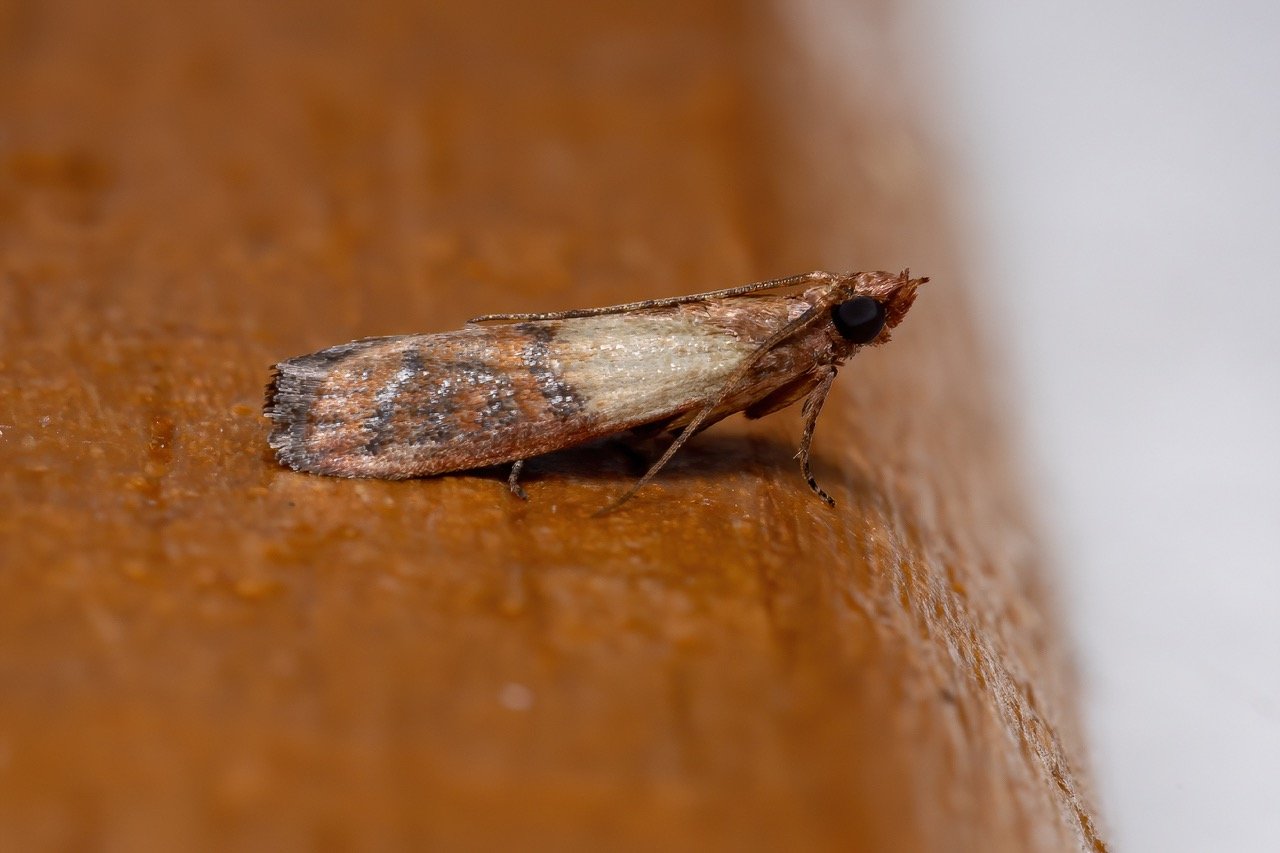
Clothes moths are small insects whose larvae feed on certain animal-derived materials.
Two species commonly associated with fabric damage are the webbing clothes moth and the casemaking clothes moth.
Adult clothes moths are generally small, with narrow wings and relatively subdued coloring.
Unlike many other moth species, they are not particularly attracted to bright lights.
They often prefer dark, undisturbed environments where suitable materials are available.
However, the adult moths are not responsible for most fabric damage.
The larvae are the stage that feeds on vulnerable materials.
Understanding this distinction is important because eliminating visible adult moths does not necessarily remove larvae developing inside clothing or other textiles.
Why Are There Clothes Moths in Your Closet?
Clothes moths may enter homes through accessible openings or arrive inside infested materials.
Secondhand clothing, stored rugs, upholstered furniture, and other susceptible items can sometimes introduce these pests.
Once inside, adult females may lay eggs in locations where developing larvae will have access to suitable food.
Closets are particularly relevant because they often contain clothing made from animal-derived fibers.
They may also provide dark, protected spaces that remain undisturbed for long periods.
However, finding clothes moths does not mean your home is dirty.
Even clean and well-maintained properties may contain materials that support their development.
What Attracts Clothes Moths?
Clothes moths are primarily associated with suitable food sources for their larvae.
Wool and Animal-Derived Fibers
Wool is one of the materials commonly damaged by clothes moth larvae.
Other susceptible materials may include cashmere, fur, feathers, and certain animal-derived textiles.
These materials contain proteins that developing larvae can use as food.
Stored Clothing
Garments that remain undisturbed for extended periods may provide favorable conditions.
Seasonal clothing stored in closets, boxes, or drawers can be especially vulnerable when insects gain access.
Fabric Residue
Body oils, perspiration, and food stains may increase the attractiveness of certain fabrics.
Cleaning garments before storage can help reduce these residues.
Dark and Protected Spaces
Clothes moths often prefer locations that receive little disturbance.
Closets, drawers, and storage containers may provide shelter when susceptible materials are present.
Are Clothes Moths Common in Florida?
Clothes moths can occur in Florida homes, as well as in other parts of the United States.
Florida’s warm climate can support insect activity, but indoor conditions also influence clothes moth development.
Climate-controlled homes may provide relatively stable environments throughout the year.
This means stored clothing can remain vulnerable even when outdoor weather changes.
The presence of suitable materials, access opportunities, and undisturbed storage spaces is often more important than the season alone.
What Are the Signs of Clothes Moths in Your Closet?
Clothes moth activity can be difficult to recognize because larvae may remain hidden within folds, seams, and protected areas.
Several signs may suggest a problem.
Small Holes in Clothing
Irregular holes in wool sweaters, scarves, and other susceptible garments may indicate larval feeding.
However, fabric damage can have several causes.
Ordinary wear, carpet beetles, and other factors may produce similar results.
Larvae on Fabrics
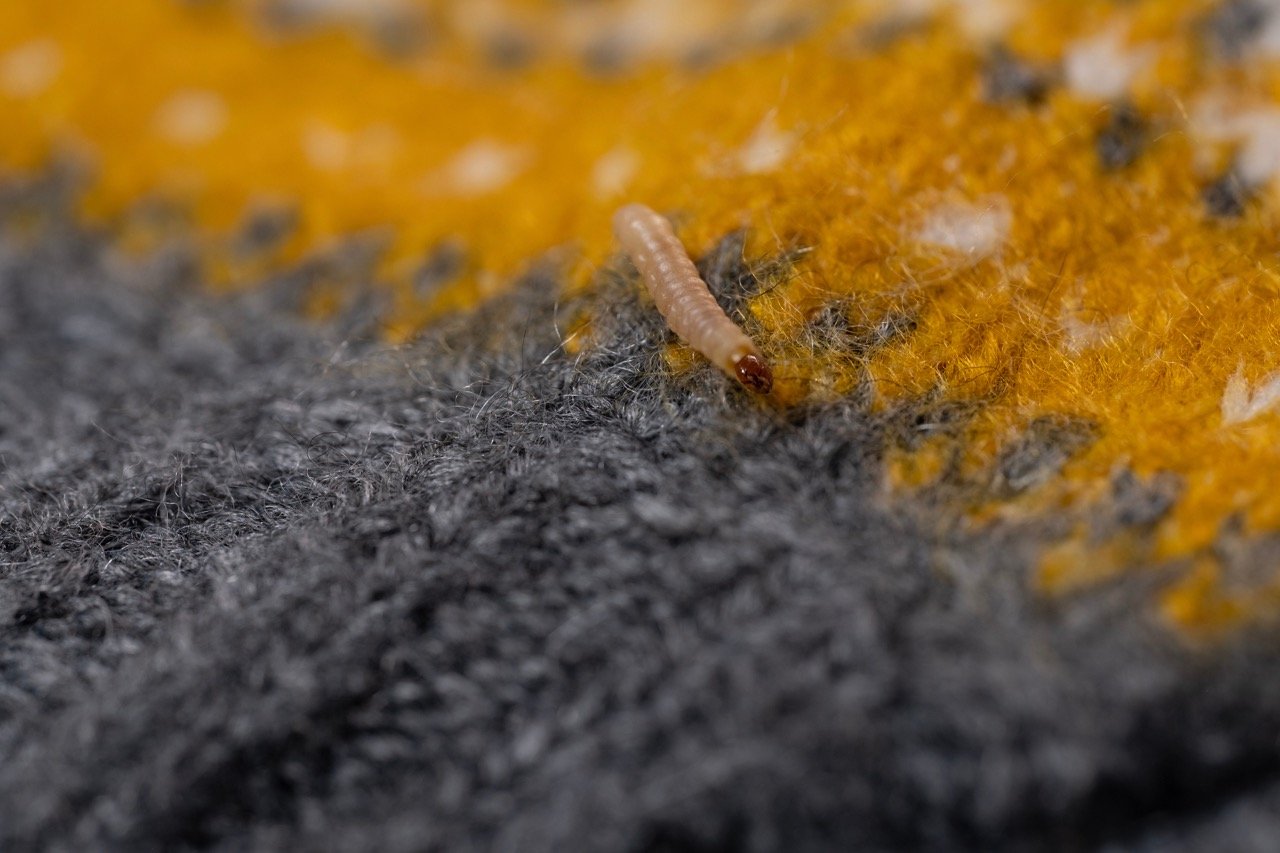
Clothes moth larvae are generally small, pale caterpillar-like insects.
They may be found on or near damaged materials.
Silken Webbing or Cases
Depending on the species, larvae may produce silken webbing or portable cases.
These materials can sometimes be found attached to clothing or nearby surfaces.
Adult Moths
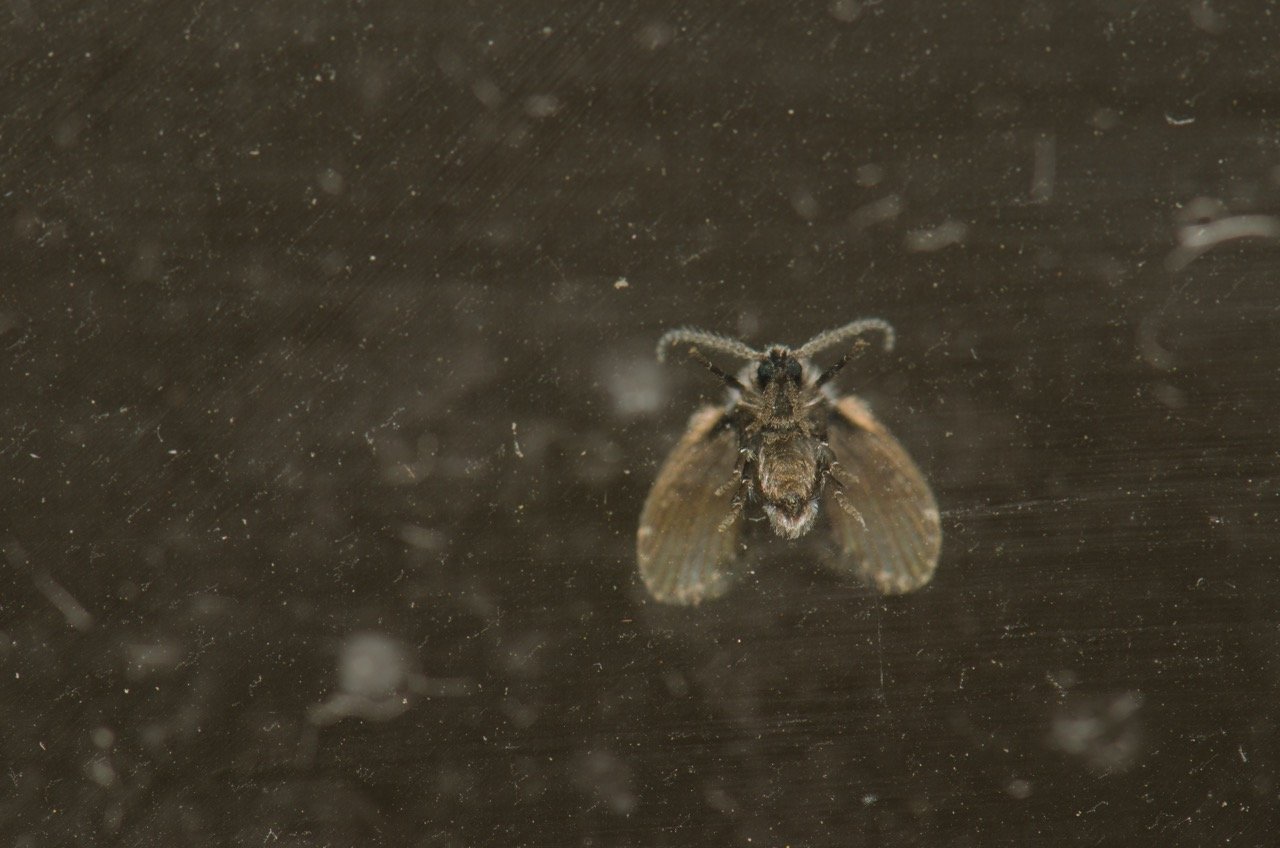
Small moths appearing repeatedly in closets or storage areas may indicate clothes moth activity.
However, not every moth found indoors is a clothes moth.
Accurate identification is important before selecting a management strategy.
Do Clothes Moths Eat All Types of Clothing?
No.
Clothes moth larvae primarily feed on materials containing animal-derived proteins.
Wool, cashmere, fur, and feathers are among the most vulnerable materials.
Clean synthetic fabrics, such as polyester, are generally not suitable food sources.
Cotton is also not a typical primary food source for clothes moth larvae.
However, mixed fabrics containing susceptible fibers or materials contaminated with certain organic residues may be affected.
The risk depends on the fabric composition and surrounding conditions.
Can Clothes Moths Damage Expensive Clothing?
Yes.
Clothes moth larvae may damage valuable garments made from susceptible materials.
Cashmere sweaters, wool coats, and other delicate items can be particularly concerning because repairs may be difficult or expensive.
Damage often becomes noticeable only when clothing is removed from storage.
Regular inspection and appropriate storage practices can help reduce the risk.
For valuable garments, professional cleaning and suitable protective storage may be worthwhile.
Where Do Clothes Moths Hide?
Clothes moth larvae may develop in locations where suitable materials are available and disturbance is limited.
These can include closets, drawers, stored rugs, upholstered furniture, and textile storage containers.
Some infestations may also involve wool carpeting, felt, or other animal-derived materials outside the closet.
This is why focusing only on visible clothing may not resolve every problem.
A thorough inspection should consider other susceptible materials in nearby areas.
Why Do Clothes Moths Prefer Dark Closets?
Many clothes moth species associated with household fabric damage tend to avoid bright, exposed environments.
Dark closets and undisturbed storage areas may provide protected locations for reproduction and larval development.
However, darkness alone does not create an infestation.
The presence of suitable food sources is essential.
A closet containing only clean, unsuitable synthetic materials may offer fewer opportunities for larval feeding.
Can Clothes Moths Live in Carpets?
Yes.
Certain clothes moth larvae may damage carpets and rugs made from susceptible animal-derived fibers.
Wool carpets can be vulnerable, particularly in areas beneath furniture or along edges that receive little disturbance.
However, not every carpet provides suitable food.
Synthetic carpeting is generally less susceptible unless it contains appropriate food sources or animal-derived residues.
If damage appears around carpet edges, professional identification may help distinguish clothes moths from carpet beetles and other causes.
Clothes Moths vs. Carpet Beetles: What’s the Difference?
Clothes moths and carpet beetles are different insects, but their larvae may damage similar materials.
Clothes moth larvae are caterpillar-like and may produce silken webbing or cases.
Carpet beetle larvae are typically covered with hairs or bristles.
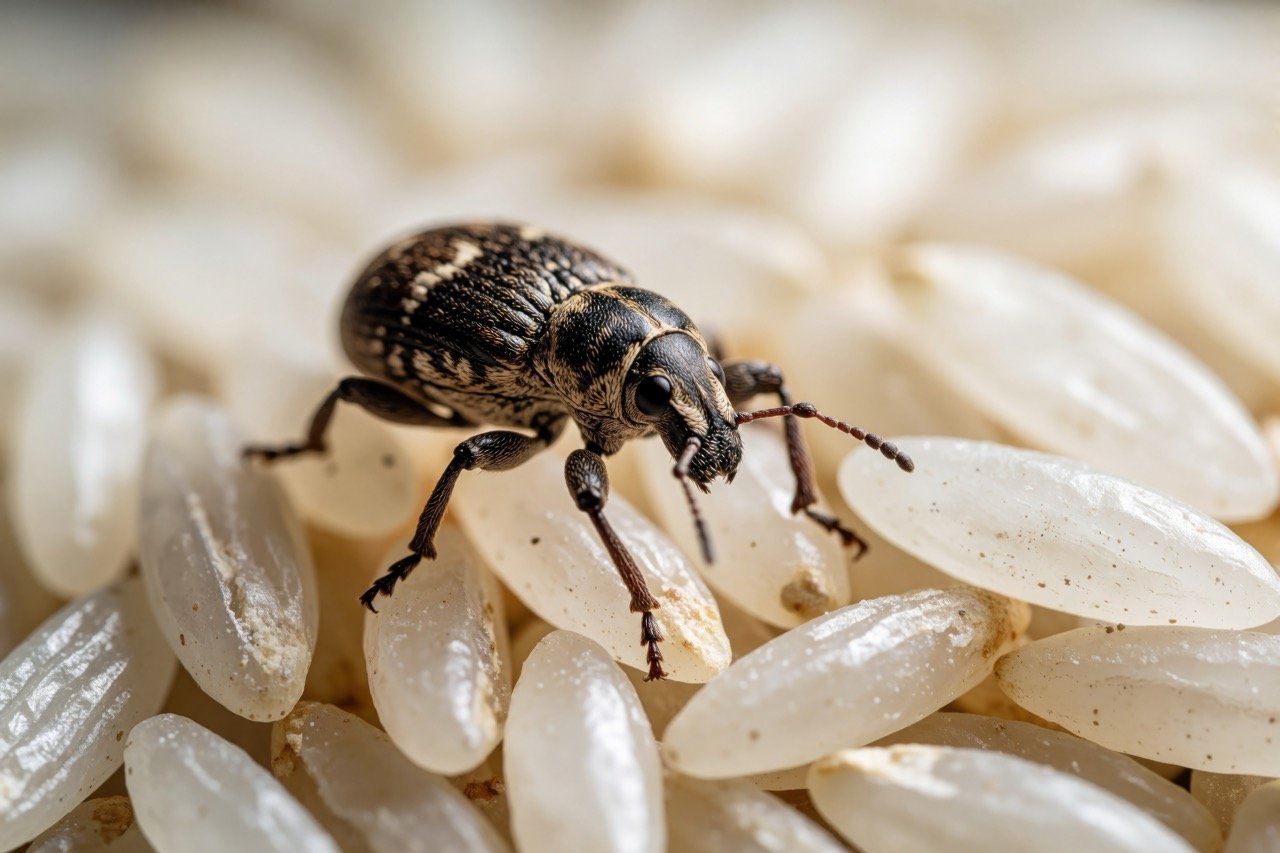
Adult clothes moths are small moths, while adult carpet beetles have the appearance of beetles.
Both pests may be associated with wool, fur, feathers, and certain stored textiles.
Because the resulting damage can look similar, identifying the insect itself is important.
A professional inspection can help determine which pest is responsible.
Are Clothes Moths Dangerous to Humans?
Clothes moths are primarily considered fabric pests.
They are not known for feeding on human blood or behaving like biting household pests.
Their main concern is the damage their larvae can cause to susceptible belongings.
However, not every insect found in a bedroom or closet is a clothes moth.
If you notice unexplained skin irritation or suspect another pest, appropriate identification is necessary.
How to Get Rid of Clothes Moths in Your Closet
Managing clothes moths effectively requires more than removing visible adult insects.
The goal is to locate affected materials, eliminate developing stages, and reduce conditions that allow activity to continue.
1. Inspect Your Clothing
Examine garments made from wool, cashmere, fur, and other susceptible materials.
Look for larvae, webbing, cases, and unexplained damage.
Pay attention to seams, folds, and areas that remain undisturbed.
2. Clean Affected Items
Cleaning can help remove insects and residues that may contribute to activity.
Use methods appropriate for each garment.
Some washable items may tolerate laundering, while delicate fabrics may require professional dry cleaning.
Follow the manufacturer’s care instructions to avoid damaging valuable clothing.
3. Vacuum Closets and Storage Areas
Vacuum accessible shelves, corners, baseboards, and floor areas.
Remove lint, hair, and other debris.
Pay attention to cracks and protected spaces where insects may remain.
Dispose of vacuum contents appropriately after cleaning affected areas.
4. Store Clothing Properly
Clean susceptible garments before long-term storage.
Use suitable containers or garment storage systems that help limit insect access.
Avoid placing infested items into storage with unaffected clothing.
5. Inspect Other Natural-Fiber Materials
If moth activity continues, examine nearby rugs, upholstery, blankets, and other susceptible textiles.
The original source may not be inside the closet itself.
6. Consider Professional Pest Control
Persistent infestations may require a more detailed inspection.
A pest control professional can help identify the species, locate development areas, and recommend appropriate control measures.
Can Washing Clothes Kill Clothes Moths?
Appropriate laundering can help manage clothes moth infestations when the fabric can safely tolerate the cleaning method.
However, effectiveness depends on the washing conditions and the material involved.
Not every garment can be washed at temperatures suitable for insect control.
Delicate wool and cashmere items may require professional cleaning.
Always consider fabric care requirements before attempting treatment.
Does Freezing Clothing Kill Clothes Moths?
Freezing may be used as a management method for certain infested textiles under appropriate conditions.
However, effectiveness depends on factors such as temperature, exposure duration, and whether the entire item reaches the required conditions.
Ordinary household freezing methods may not produce consistent results.
For valuable or delicate items, consult a qualified textile conservation or pest management professional before relying on freezing.
Do Mothballs Work Against Clothes Moths?
Mothballs contain pesticides and must be used strictly according to their labeling.
They are not intended to be placed loosely throughout living spaces or open closets.
Improper use can create exposure risks for people and pets.
Mothballs should never be treated as harmless air fresheners.
Homeowners should prioritize appropriate cleaning, inspection, and protective storage practices.
If a pesticide product is considered, follow all label directions and applicable safety requirements.
Do Cedar Blocks Repel Clothes Moths?
Cedar products are sometimes promoted as clothes moth repellents.
However, their effectiveness may be limited and should not be relied upon as the only method of protection.
The presence of cedar does not guarantee that larvae will be eliminated or that susceptible garments will remain protected.
Proper cleaning, inspection, and suitable storage are more dependable components of prevention.
Can Clothes Moths Return After Cleaning?
Yes.
Clothes moth activity may return if eggs, larvae, or infested materials remain in the home.
For example, cleaning one closet may not address larvae developing in a nearby wool rug.
Adult moths may also be introduced again through infested textiles.
This is why successful management involves identifying the source rather than focusing exclusively on visible insects.
Regular monitoring can help homeowners recognize recurring activity early.
How to Prevent Clothes Moths in Florida Homes
Preventing clothes moths involves protecting susceptible materials and reducing opportunities for insects to remain undisturbed.
Clean clothing before storing it for long periods.
Inspect wool, cashmere, and other animal-derived textiles regularly.
Maintain organized closets and storage areas.
Vacuum accessible corners, shelves, and nearby carpet edges.
Inspect secondhand textiles before introducing them into your home.
If you notice repeated moth activity, investigate the source promptly.
These habits can help reduce the likelihood of extensive fabric damage.
When Should You Call a Pest Control Professional?
Consider professional assistance if you repeatedly discover clothes moth larvae, find ongoing fabric damage, or cannot identify the source of an infestation.
An inspection may also be helpful when multiple closets or storage areas are affected.
A pest control professional can help distinguish clothes moths from carpet beetles and other insects.
The appropriate management strategy depends on the pest species, affected materials, and extent of activity.
Protect Your Clothing From Clothes Moths
Finding clothes moths in your closet can be frustrating, particularly when valuable garments are damaged.
However, understanding their behavior can help homeowners take practical preventive measures.
Clothes moth larvae primarily feed on susceptible animal-derived materials, while adults are more likely to be noticed moving around storage areas.
Regular inspection, appropriate cleaning, and protective storage can help reduce the risk of recurring activity.
When the problem persists, professional identification and targeted management may help protect your clothing and other household textiles.
Contact 911 Home Helps Today
Are you noticing clothes moths, larvae, or unexplained damage to stored fabrics in your Florida home? 911 Home Helps can inspect your property, help identify the source of pest activity, and recommend an appropriate pest control and prevention strategy.