You clean your kitchen, vacuum regularly, take out the trash, and keep your home organized—yet somehow, bugs still show up.
It’s frustrating, and it often leads homeowners to wonder whether they’re doing something wrong. But finding bugs in a clean house doesn’t necessarily mean there’s a sanitation problem.
While food and clutter can attract certain pests, cleanliness is only one part of the equation. Insects and other household pests are also searching for water, shelter, warmth, and protection from outdoor conditions. In Florida, the warm climate, high humidity, and frequent rainfall can make homes attractive to pests regardless of how clean they are.
Understanding what brings pests indoors can help you move beyond constant cleaning and focus on the conditions that may actually be causing the problem.
Can a Clean House Still Have Bugs?
Absolutely.
Even a spotless home can experience pest activity.
Pests don’t evaluate a home based on whether the floors have been vacuumed or the countertops look clean. They’re looking for basic resources that allow them to survive.
Those resources include:
- Food.
- Water.
- Shelter.
- Warmth.
- Suitable nesting areas.
A clean home may still provide one or more of these without the homeowner realizing it.
For example, a tiny plumbing leak beneath a sink can provide moisture for ants or cockroaches even if the rest of the kitchen is perfectly maintained.
Florida’s Climate Makes a Difference
Florida homeowners deal with environmental conditions that naturally support pest populations.
Warm temperatures allow many insects to remain active throughout much of the year, while humidity and rainfall provide abundant moisture.
Pests commonly found around Florida properties include:
- Ants.
- Cockroaches.
- Palmetto bugs.
- Termites.
- Mosquitoes.
- Spiders.
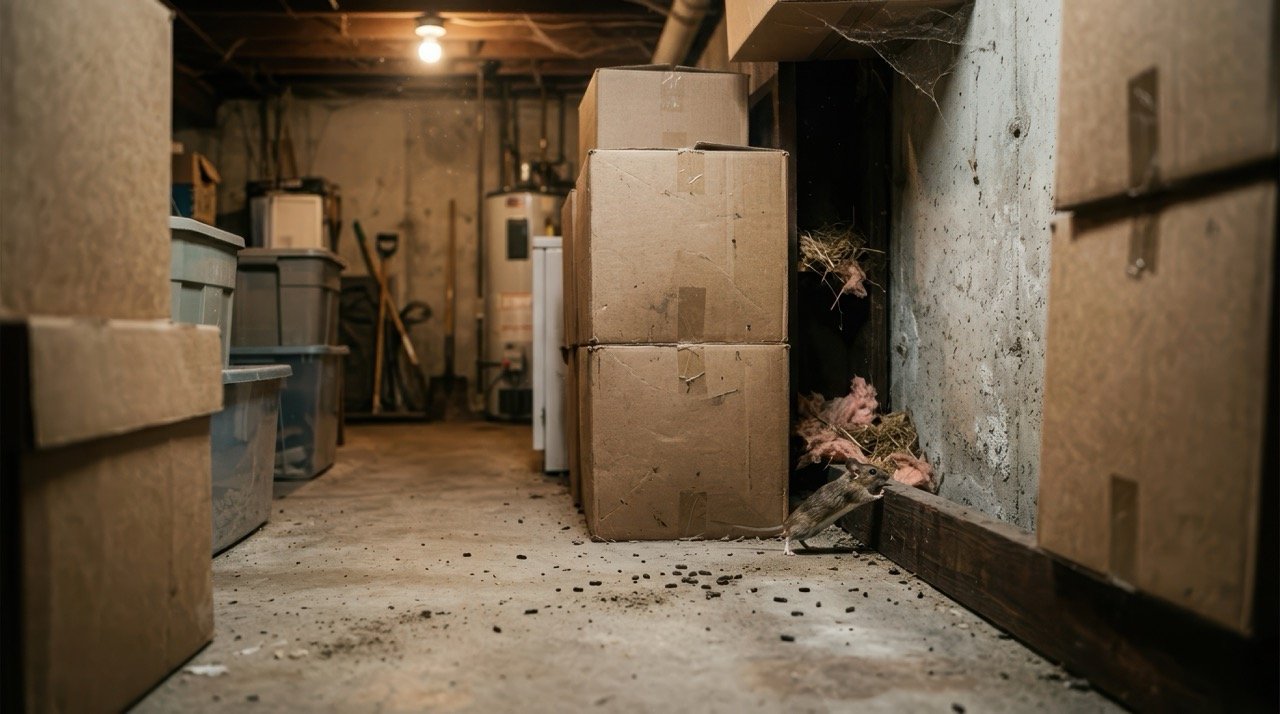
- Rodents.
Your home exists within this environment, which means occasional pest encounters can happen even when you maintain excellent cleaning habits.
The goal of pest prevention is to reduce the opportunities these pests have to move from the outdoor environment into your living space.
Moisture May Be Attracting Pests
One of the biggest pest attractants has nothing to do with dirt.
It’s water.
Many household pests need reliable moisture to survive. Small leaks or damp areas can create ideal conditions without being immediately noticeable.
Check areas around:
- Kitchen sinks.
- Bathroom sinks.
- Toilets.
- Dishwashers.
- Washing machines.
- Water heaters.
- Air conditioning systems.
- Plumbing connections.
Look beneath cabinets for moisture, stains, or signs of slow leaks.
Florida’s natural humidity can also contribute to damp conditions in garages, bathrooms, laundry areas, and other parts of the home.
Tiny Entry Points Give Bugs Easy Access
You can keep your interior spotless and still have bugs if they can easily enter from outside.
Insects can use surprisingly small openings around the structure.
Potential entry points include:
- Gaps beneath doors.
- Damaged weather stripping.
- Window gaps.
- Torn screens.
- Cracks around the foundation.
- Plumbing penetrations.
- Utility openings.
- Exterior vents.
Cockroaches, ants, spiders, and other pests may simply wander indoors through these openings while searching for shelter.
Sealing entry points can sometimes have a greater impact on recurring pest activity than additional cleaning.
Your Landscaping Could Be Bringing Pests Closer
A beautiful yard can unintentionally create favorable pest conditions.
Dense vegetation, mulch, leaf litter, and damp organic materials provide shelter for many insects.
Pests may live around:
- Shrubs.
- Trees.
- Mulch beds.
- Wood piles.
- Fallen leaves.
- Ground cover.
When these areas are located directly against the home, pests have a shorter distance to travel before finding an opening into the structure.
Regular landscaping maintenance can help create separation between outdoor pest habitats and your home.
Rain Can Drive Bugs Indoors
Have you ever noticed more insects inside shortly after a Florida storm?
Heavy rainfall can flood or disturb outdoor nesting and hiding areas, causing pests to relocate.
Ants may move away from saturated soil. Cockroaches may leave flooded outdoor hiding places. Other insects may simply seek a dry, protected environment.
Your home becomes an attractive option.
This is why an increase in pest activity after rain doesn’t necessarily mean something inside your home suddenly attracted them.
Sometimes, outdoor conditions are the trigger.
Food Can Hide in Places You Don’t Notice
Even in a clean home, tiny food sources can remain in areas that aren’t part of everyday cleaning.
Think about what might accumulate:
- Beneath refrigerators.
- Under ovens.
- Behind cabinets.
- Inside toaster trays.
- Around pet feeding areas.
- Beneath furniture.
Pests don’t need a full meal sitting on the counter.
Crumbs, grease residue, pet food, or small spills can provide enough food for insects.
Periodic deep cleaning in less accessible areas can help remove these hidden attractants.
Pet Food Can Attract Pests
Pet owners may unknowingly provide a consistent food source for household pests.
Dry pet food can attract:
- Ants.
- Cockroaches.
- Rodents.
If food remains in bowls throughout the day or bags are stored in accessible locations, pests may take advantage.
Consider storing pet food in sealed containers and cleaning feeding areas regularly.
Water bowls can also provide moisture, although pets obviously need access to fresh water. The goal is simply to keep the surrounding area clean and monitor it for pest activity.
Cardboard and Storage Areas Can Provide Shelter
Your home may be clean but still contain ideal hiding locations.
Cardboard boxes are commonly used in:
- Garages.
- Closets.
- Attics.
- Storage rooms.
They can provide dark, protected environments where certain pests can remain undisturbed.
Reducing unnecessary cardboard and using sealed storage containers for long-term storage can make these spaces easier to maintain and inspect.
Bugs May Be Coming Home With You
Not every pest walks through the front door on its own.
Some are transported indoors on belongings.
Bed bugs, for example, are excellent hitchhikers and can travel on:
- Luggage.
- Clothing.
- Bags.
- Used furniture.
- Personal belongings.
Other pests may arrive in cardboard packages, plants, or other items brought into the home.
This has nothing to do with how clean your property is.
Inspecting certain items before bringing them indoors can help reduce the risk.
Seeing One Bug Doesn’t Always Mean an Infestation
An occasional insect inside your home can happen, particularly in Florida.
A cockroach may wander indoors after heavy rain. A spider may enter through an open door. An ant may discover a tiny food source and begin exploring.
What matters is the pattern.
Pay attention if:
- You see pests repeatedly.
- The number of insects is increasing.
- Activity occurs in several rooms.
- You find droppings, eggs, or shed skins.
- Pests return after DIY treatments.
- You see insects during unusual times of day.
Recurring activity may indicate that pests have found reliable resources or established themselves somewhere around the property.
Why More Cleaning Isn’t Always the Answer
If you already maintain a clean home, cleaning more aggressively may not solve a recurring pest problem.
Instead, think about pest prevention more broadly.
Ask:
- Is there excess moisture?
- Are there structural gaps?
- Is landscaping touching the house?
- Is water collecting outside?
- Are pests entering after storms?
- Are storage areas providing shelter?
Finding the underlying cause is often more effective than simply treating the insects you can see.
How to Make a Clean Home Less Attractive to Bugs
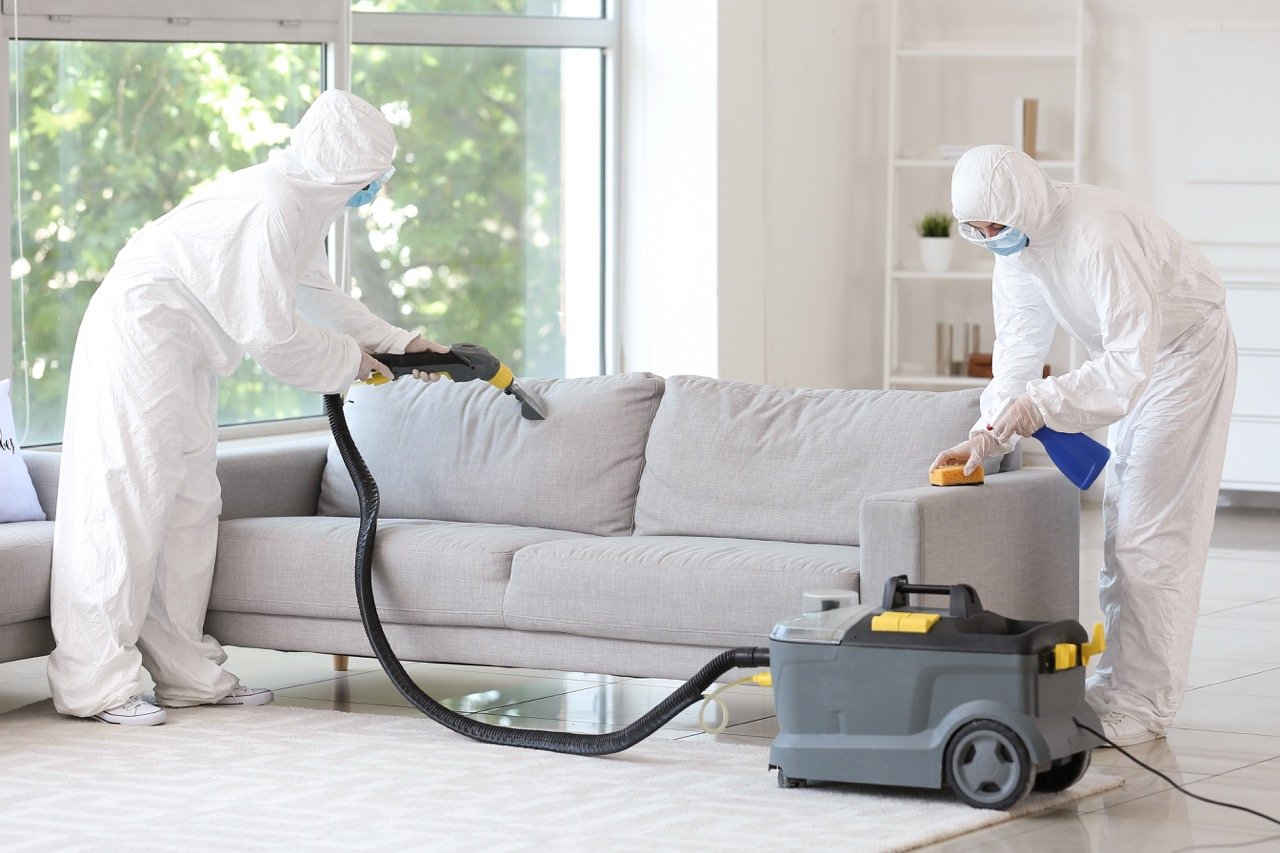
Good sanitation is still an important part of pest prevention, but it works best when combined with other strategies.
Homeowners can:
- Repair plumbing leaks.
- Reduce excess moisture.
- Seal cracks and openings.
- Maintain window and door screens.
- Trim vegetation away from the structure.
- Remove standing water.
- Store food securely.
- Keep garages and storage areas organized.
- Inspect packages and secondhand items.
- Monitor areas where pest activity has occurred.
These steps address food, water, shelter, and access—the major factors that allow pests to thrive.
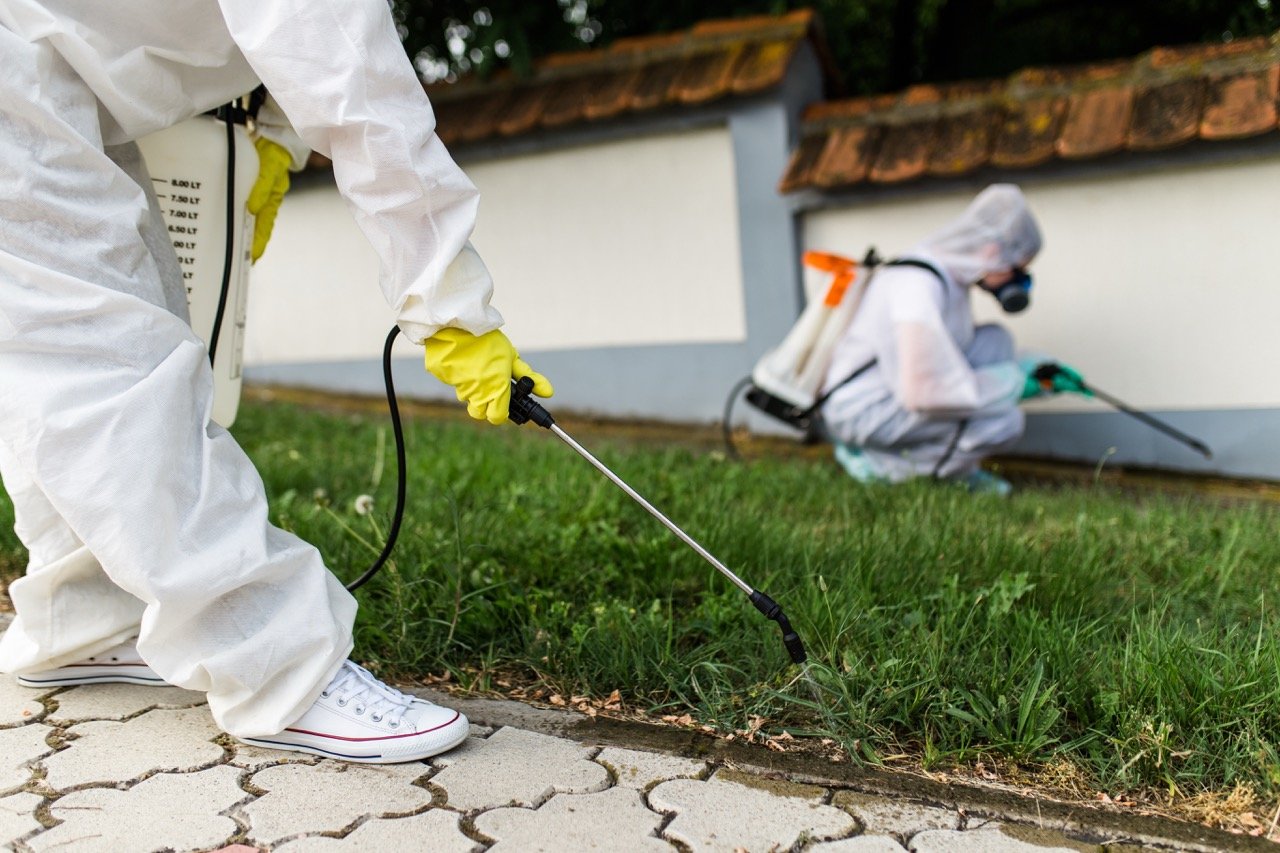
When Should You Call a Pest Control Professional?
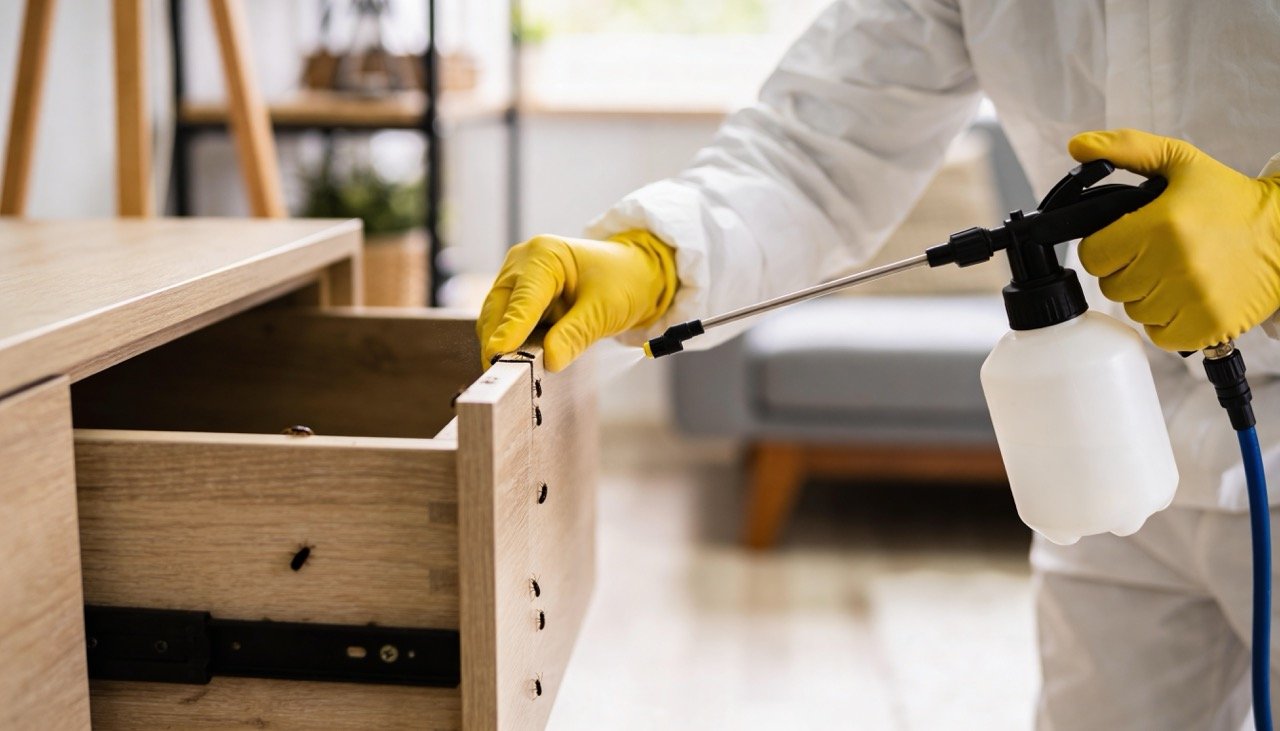
If you continue finding bugs in a clean house despite preventive efforts, it may be time for a professional inspection.
A pest control professional can help determine:
- Which pest is present.
- Where it may be entering.
- What conditions are attracting it.
- Whether an infestation has developed.
- Which treatment strategy is appropriate.
Instead of repeatedly treating visible insects, professional pest management focuses on understanding why the problem is occurring.
A Clean Home Can Still Need Pest Control
Keeping your home clean is one of the best habits for reducing pest activity, but it can’t control Florida’s climate, stop every insect outside, or seal structural gaps on its own.
Moisture, weather, landscaping, small entry points, and even everyday belongings can all explain why you’re finding bugs in a clean house.
If pests continue returning, the solution may not be another round of cleaning. Identifying what they’re looking for—and how they’re getting inside—is the key to creating a more effective prevention strategy.
Contact 911 Home Helps Today
Keeping your home clean but still finding unwanted bugs? 911 Home Helps can help identify what’s attracting pests and where they may be entering your property.
Contact us today to schedule a professional pest inspection and discover customized pest control solutions designed to help keep your Florida home comfortable and protected year-round.