Cardboard boxes are convenient.
We use them for moving, deliveries, holiday decorations, documents, clothes, tools, children’s belongings, and just about everything else we want to put away for later.
The problem is that “later” sometimes turns into years.
Boxes end up stacked in garages, attics, closets, storage rooms, and other quiet areas of the home. Over time, these spaces may become attractive hiding places for unwanted visitors.
So, what pests in cardboard boxes should Florida homeowners be aware of?
The answer isn’t limited to insects that actually eat cardboard.
Boxes can provide darkness, shelter, nesting material, undisturbed hiding areas, and opportunities for pests to move without being noticed.
Understanding how pests interact with cardboard can help you organize storage areas in ways that make activity easier to detect and prevent.
Why Do Pests Like Cardboard Boxes?
A cardboard box can provide several advantages to a pest.
Depending on where and how it’s stored, a box may offer:
- Darkness.
- Shelter.
- Protection.
- Undisturbed space.
- Nesting material.
- Cellulose.
- Access to nearby food or water.
Boxes are especially attractive as hiding areas when they’re stacked tightly together and rarely moved.
A pest can remain behind, beneath, or inside storage for an extended period without being noticed.
Do All Pests Eat Cardboard?
No.
This is an important distinction.
A pest may be found in or around a cardboard box without using the cardboard as food.
Some pests simply use boxes for:
- Shelter.
- Nesting.
- Travel.
- Protection from disturbance.
Others may be interested in materials stored inside.
When investigating pest activity, don’t assume damaged cardboard automatically identifies the pest.
Look for additional evidence.
Can Rodents Hide in Cardboard Boxes?
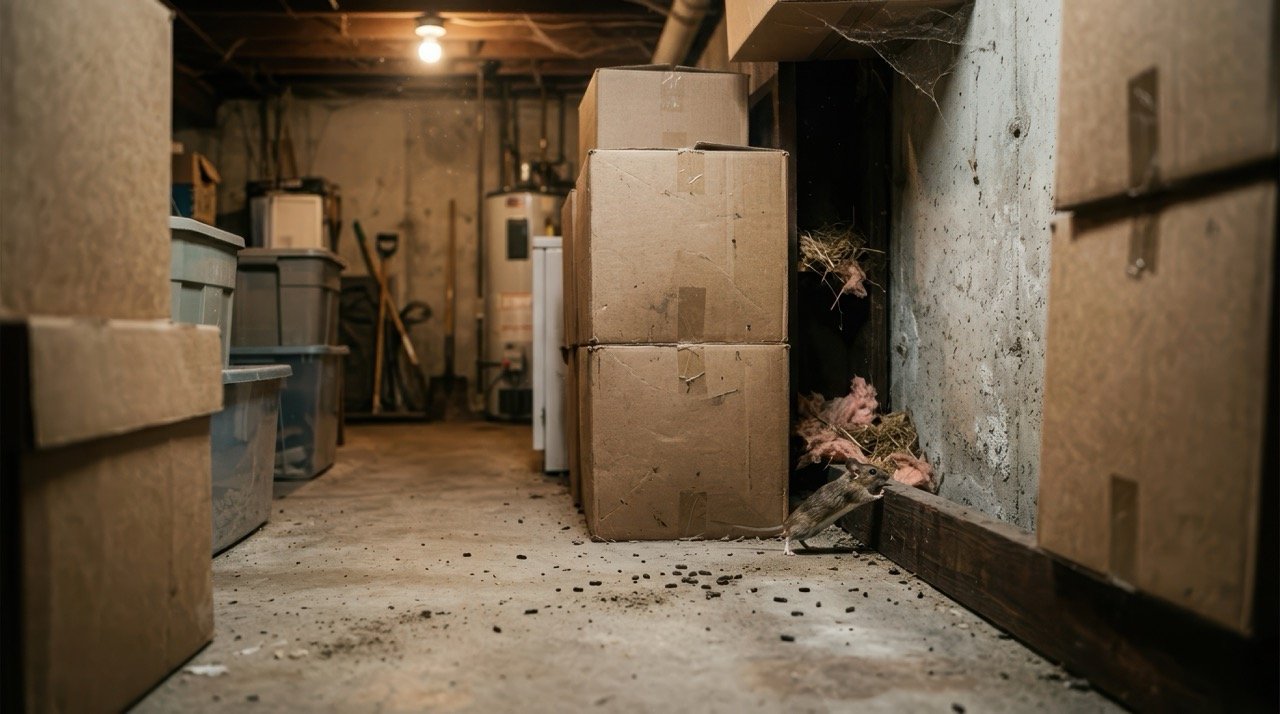
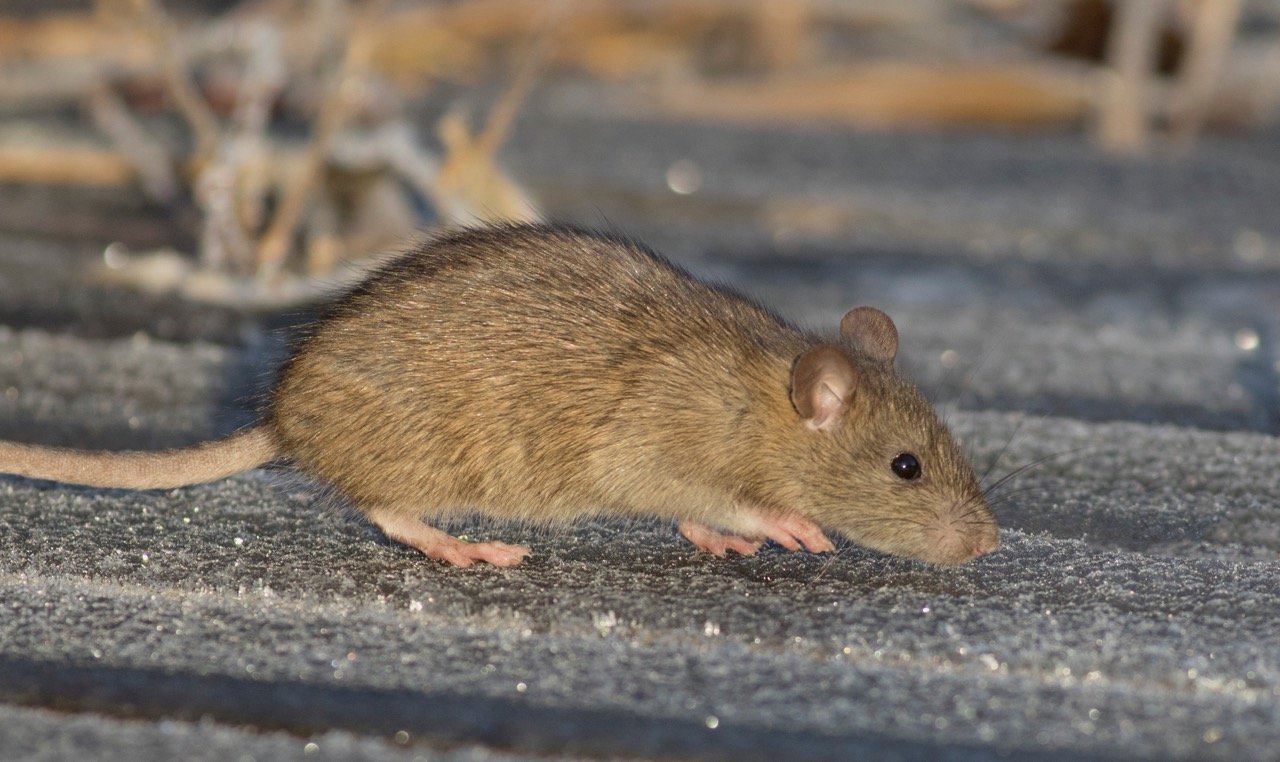
Rats and mice may investigate cluttered storage areas because they provide numerous hiding opportunities.
Cardboard can also be shredded and used as nesting material.
Signs of possible rodent activity around boxes may include:
- Gnawed cardboard.
- Shredded material.
- Droppings.
- Damaged contents.
- Nesting material.
- Scratching sounds.
- Unusual odors.
A single damaged box isn’t enough to confirm rodents, but multiple signs deserve attention.
Why Are Garages With Lots of Boxes Vulnerable?
Garages are common storage areas.
They’re also transitional spaces between outdoors and the interior of the home.
Potential pest entry points may exist around:
- Garage doors.
- Exterior doors.
- Utility penetrations.
- Windows.
- Structural gaps.
Now add stacks of cardboard boxes, pet food, bird seed, garbage, or stored household items.
The result can be an environment offering both access and shelter.
Keeping the garage organized makes pest activity easier to spot.
Can Spiders Hide in Cardboard Boxes?
Spiders may use quiet, protected storage areas as hiding locations.
They may be found:
- Behind boxes.
- Beneath boxes.
- In corners.
- Around shelving.
- Between stored items.
Spiders are also predators.
If storage areas contain other insects, spiders may remain because food is available.
Finding repeated spider activity can therefore be a reason to inspect for broader insect activity rather than focusing exclusively on the spider.
What About Ants?
Ants may travel through storage areas while searching for food, moisture, or nesting opportunities.
A cardboard box itself may not be the main attraction.
The contents could be more important.
For example, boxes that previously contained food or beverages may retain residue.
Storage areas may also contain:
- Pet treats.
- Snacks.
- Sugary residue.
- Food packaging.
If ants appear around boxes, follow their trail when possible.
It may reveal a nearby food or water source.
Can Termites Damage Cardboard?
Cardboard contains cellulose, the material termites consume.
However, finding damaged cardboard doesn’t automatically mean termites are responsible.
If you suspect termite activity, look for additional warning signs appropriate to the type of termite involved.
These may include:
- Mud tubes.
- Termite swarmers.
- Discarded wings.
- Frass.
- Suspicious wood damage.
Professional identification is important before assuming that damage to a cardboard box confirms termites.
Why Moisture Makes Stored Cardboard More Concerning
Cardboard and moisture aren’t a good combination.
Damp boxes can deteriorate and create more favorable conditions for various pest and property problems.
Florida’s humidity makes moisture management particularly important in garages, storage rooms, and other areas without the same environmental control as living spaces.
Check for:
- Plumbing leaks.
- Roof leaks.
- Condensation.
- Water intrusion.
- Poor ventilation.
- Boxes stored directly on damp surfaces.
If a box becomes wet, don’t simply allow it to remain buried beneath the rest of the storage.
Inspect the contents and address the moisture source.
Can Pests Arrive Inside Delivery Boxes?
Sometimes a pest doesn’t enter your home through a crack.
It arrives with something you bring inside.
Packages move through multiple environments before reaching your doorstep.
Most deliveries won’t create a pest problem, but it’s still reasonable to avoid unnecessarily storing shipping boxes inside the home for long periods.
After unpacking:
- Remove the contents.
- Check the box if anything looks unusual.
- Recycle or dispose of unnecessary cardboard.
- Avoid allowing empty shipping boxes to accumulate.
This simple habit also reduces clutter.
What About Moving Boxes?
Moving creates another opportunity for pests to travel with belongings.
Boxes may sit:
- In storage facilities.
- In garages.
- Inside moving trucks.
- In another residence.
- In warehouses.
Before moving old boxes into your new home, inspect them.
Pay particular attention to boxes that have been stored for a long time.
Look at the exterior, seams, bottom, and contents.
If a box is damaged or damp, consider transferring the contents into a clean container.
Can Secondhand Items Bring Pests Into Storage Areas?
Used furniture, books, decorations, and other secondhand belongings should be inspected before being stored or brought into living areas.
The concern isn’t limited to cardboard.
Any object that has spent time in another environment can potentially carry insects or signs of pest activity.
Take a few minutes to inspect items before placing them inside a closet or storage room where they may remain undisturbed.
Are Plastic Storage Bins Better Than Cardboard?
Durable plastic containers can offer several advantages for long-term storage.
Depending on the design, they may:
- Be easier to clean.
- Resist moisture better than cardboard.
- Be more difficult for some pests to enter.
- Make organization easier.
However, plastic bins don’t make a storage room pest-proof.
Rodents may still damage certain materials, and pests can still live around containers if the room provides food, water, shelter, and entry points.
The container is only one part of the strategy.
Should Storage Boxes Be Kept Off the Floor?
Where practical, organized shelving can make storage areas easier to inspect.
When boxes cover an entire floor or are stacked tightly against walls, homeowners may have difficulty seeing:
- Droppings.
- Pest trails.
- Moisture.
- Structural gaps.
- Gnaw marks.
- Other warning signs.
Creating some visibility around stored belongings can make routine monitoring much easier.
Why You Should Avoid Wall-to-Wall Clutter
Imagine trying to inspect a garage where boxes cover every wall from floor to ceiling.
Even if pests are active, the evidence may remain hidden.
Clutter can make it difficult to:
- Find entry points.
- Clean effectively.
- Inspect walls.
- Notice droppings.
- Identify moisture problems.
- Locate nesting activity.
Organization is therefore a practical pest-prevention tool.
You don’t need an empty garage.
You simply need enough access to see what’s happening.
What Should You Avoid Storing in Cardboard?
For long-term storage, consider whether certain belongings would be better protected in more durable containers.
This can be especially useful for:
- Important documents.
- Clothing.
- Linens.
- Seasonal decorations.
- Children’s keepsakes.
- Items vulnerable to moisture.
Food and pet food deserve additional attention.
Store them in appropriate containers rather than leaving them inside ordinary cardboard packaging in a garage.
Inspect Holiday Decorations Before Bringing Them Inside
Holiday decorations may spend most of the year untouched.
Before carrying a storage box directly into your living room, open and inspect it in a well-lit area when practical.
Look for:
- Webs.
- Droppings.
- Damaged materials.
- Insects.
- Nesting material.
This is particularly helpful for items stored in garages, attics, sheds, or other less frequently disturbed spaces.
Don’t Forget the Attic
Attics often become long-term storage areas.
Boxes may remain there for years.
If rodents gain access to an attic, stored cardboard provides additional hiding and nesting opportunities.
If you hear scratching overhead or find damaged boxes, investigate further.
Also remember that attic conditions can be difficult and potentially unsafe to navigate.
Avoid entering areas that aren’t safely accessible.
How Often Should You Check Stored Boxes?
There isn’t one schedule that fits every home.
Instead of ignoring storage areas indefinitely, include them in occasional household inspections.
You may want to check them:
- During seasonal organization.
- Before retrieving decorations.
- After discovering pest activity elsewhere.
- After a leak or moisture problem.
- Before moving.
- When reorganizing the garage.
The key is simply not allowing stored areas to become completely forgotten.
Signs That Pests May Be Hiding Around Your Storage
Watch for:
- Droppings.
- Gnaw marks.
- Shredded cardboard.
- Webs.
- Dead insects.
- Live insects.
- Ant trails.
- Unusual odors.
- Damaged contents.
- Frass or suspicious debris.
One clue may not tell you exactly which pest is responsible.
Multiple signs can provide a clearer picture.
What Should You Do If You Find Pest Evidence in a Box?
Don’t immediately carry the box through the rest of the house.
First, evaluate what you’ve found.
If possible:
- Photograph the evidence.
- Identify whether live pests are present.
- Check nearby boxes.
- Inspect the surrounding floor and walls.
- Look for entry points.
- Check for food or moisture sources.
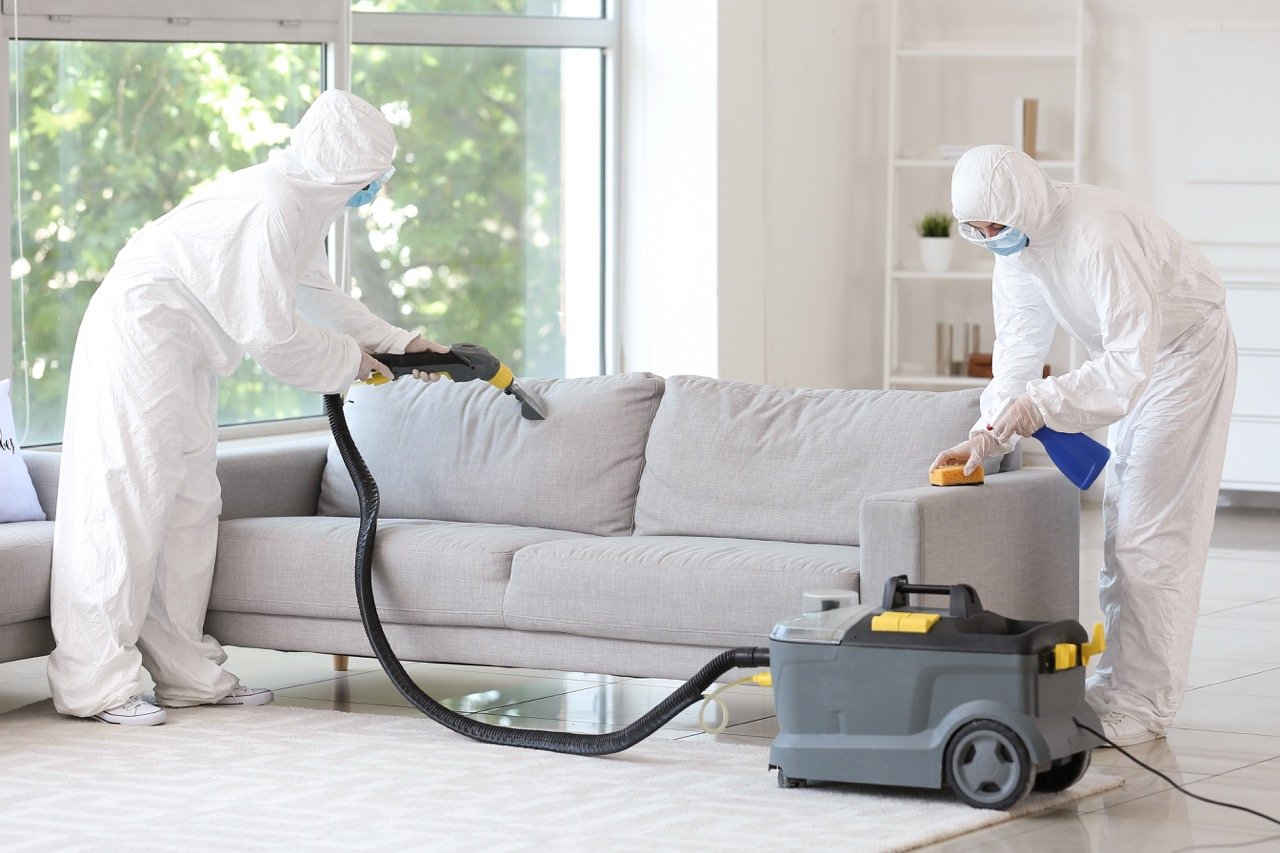
- Clean or transfer belongings appropriately.
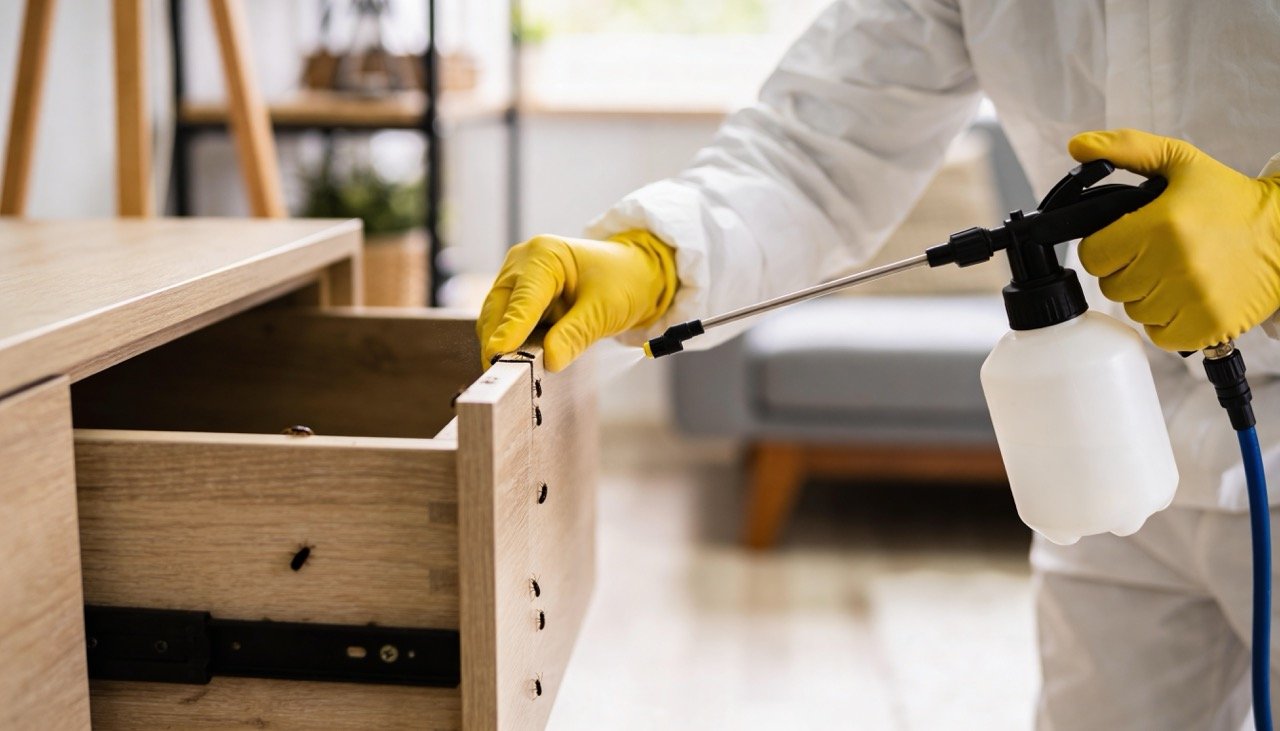
If you find significant activity or can’t identify the pest, professional inspection may be appropriate.
Should You Throw Away Every Cardboard Box?
No.
Cardboard is useful and practical.
The problem isn’t simply owning boxes.
The bigger concern is allowing large amounts of cardboard to accumulate in undisturbed, humid, cluttered areas where pest activity can remain hidden.
For temporary storage or moving, cardboard may be perfectly reasonable.
For belongings you plan to store for years, more durable containers may be worth considering.
How to Make Your Storage Area Less Pest-Friendly
A few simple habits can make a major difference.
Reduce Unnecessary Cardboard
Recycle empty delivery and moving boxes you no longer need.
Keep Storage Organized
Avoid creating inaccessible piles.
Use Shelving
Where appropriate, keep stored items organized and easier to inspect.
Manage Moisture
Repair leaks and investigate damp areas.
Store Food Securely
Don’t leave pet food or edible products exposed.
Inspect Incoming Items
Check deliveries, moving boxes, and secondhand belongings.
Monitor for Pest Evidence
Look for droppings, damage, webs, trails, and suspicious debris.
Check Entry Points
Inspect garage doors, windows, exterior doors, and utility penetrations.
Storage management and structural prevention work best together.
What If Pests Keep Returning to the Storage Area?
If you clean and reorganize but activity returns, there may be an underlying issue.
The pests may have:
- An active entry point.
- A nesting area.
- Access to food.
- Access to moisture.
- Shelter elsewhere in the structure.
At that point, simply replacing cardboard boxes may not solve the problem.
A broader property inspection can help identify what’s supporting the activity.
When Should You Call Pest Control?
Consider professional pest control when:
- You find repeated rodent droppings.
- Boxes are being gnawed or shredded.
- Pest activity continues after cleaning.
- Multiple storage areas are affected.
- You find suspected termite evidence.
- You can’t identify the pest.
- You hear scratching in walls or the attic.
- You’re unable to locate the entry point.
A professional can evaluate both the storage area and the surrounding structure.
Better Storage Can Make Pest Problems Easier to Spot
The biggest issue with pests in cardboard boxes isn’t always the cardboard itself.
It’s what stacks of forgotten boxes can create: quiet, dark, protected areas where pest activity remains hidden.
Cardboard may provide shelter or nesting material, and its contents may provide additional attractions.
Florida’s humidity can make moisture another important consideration.
You don’t have to eliminate cardboard from your home.
Instead, be intentional about how you store belongings.
Reduce unnecessary boxes.
Keep storage areas organized.
Manage moisture.
Inspect belongings before bringing them inside.
And pay attention when you notice damage, droppings, webs, or other signs of activity.
A storage area you can easily inspect is much less likely to hide a pest problem for months without you realizing it.
Contact 911 Home Helps Today
Have you discovered pest activity around cardboard boxes, your garage, attic, or another storage area? 911 Home Helps can inspect your Florida home, identify the pest involved, evaluate potential entry points, and recommend an appropriate pest control and prevention strategy.