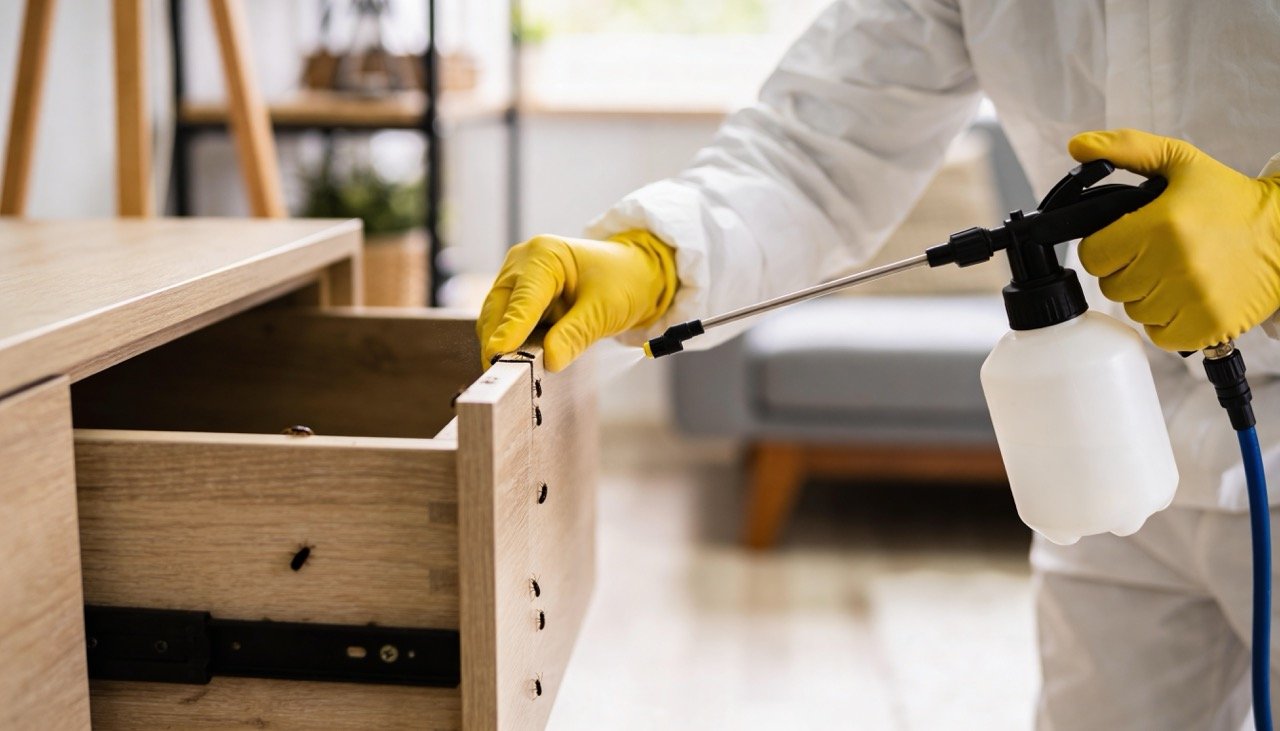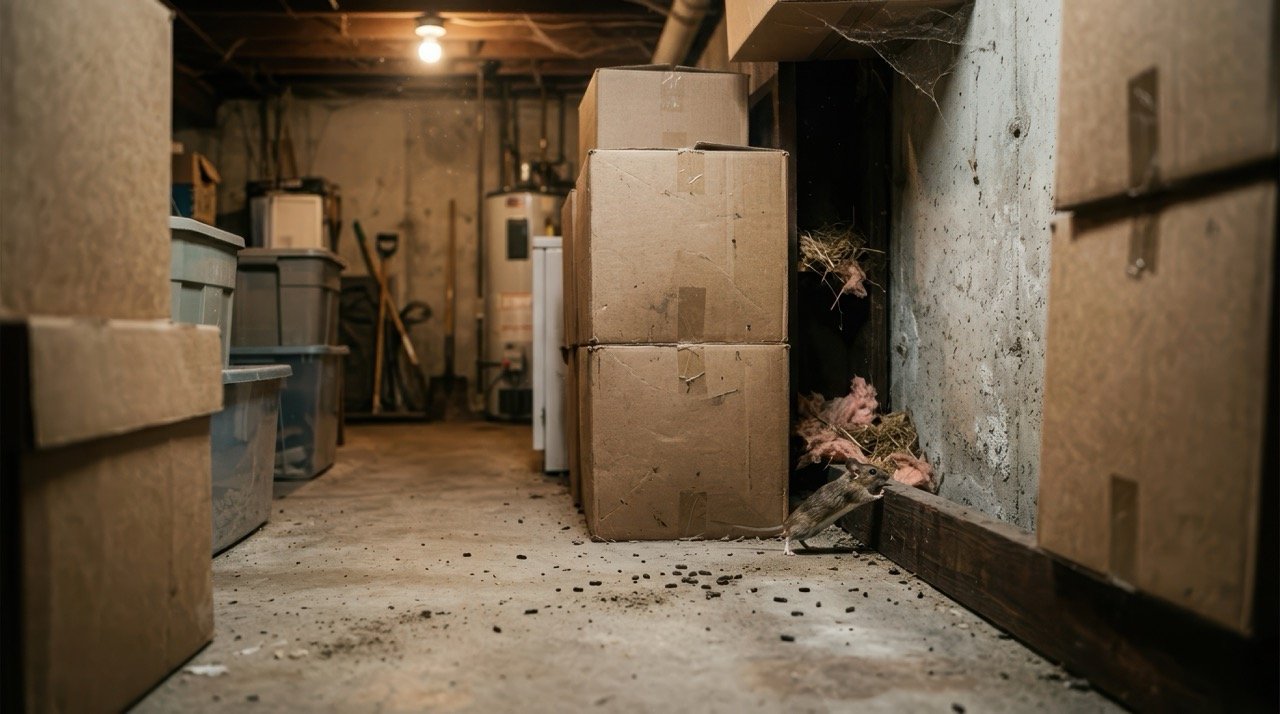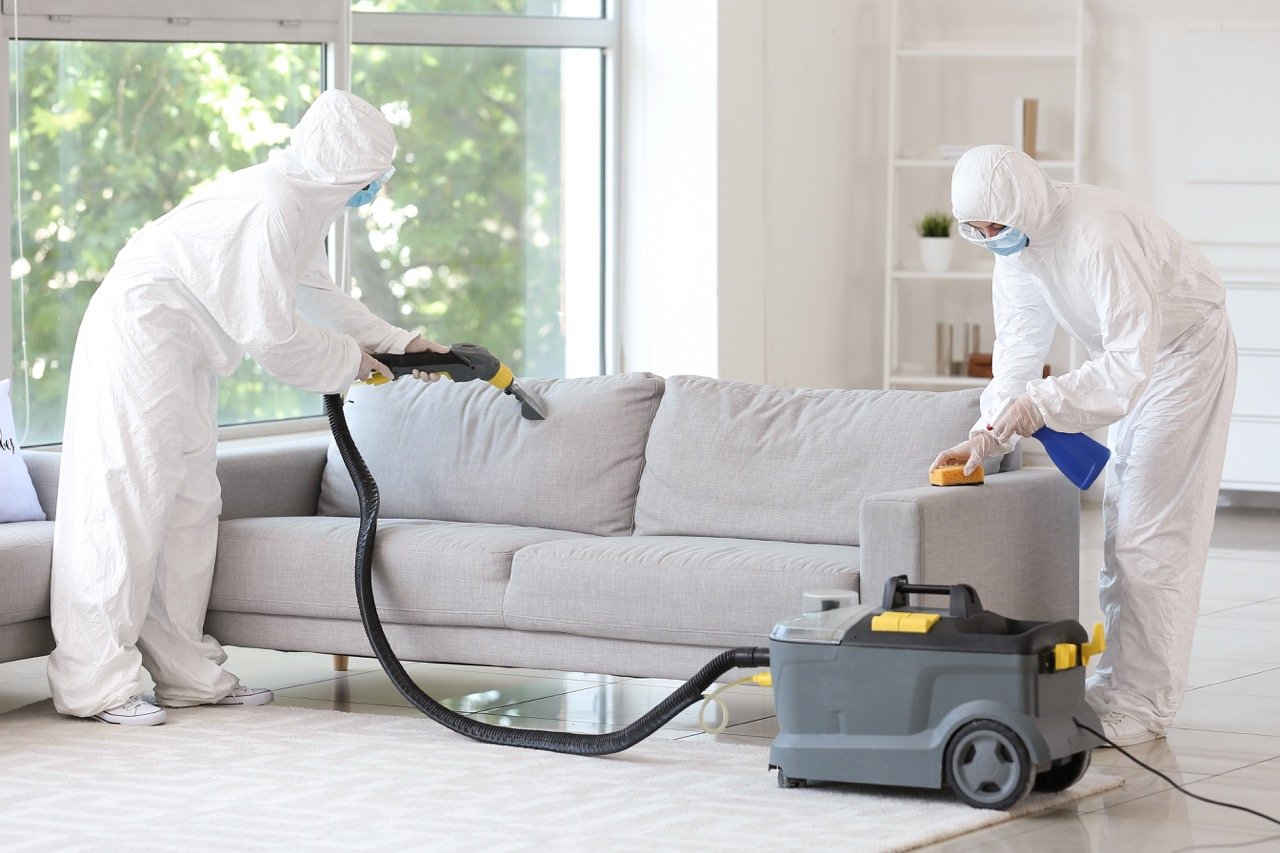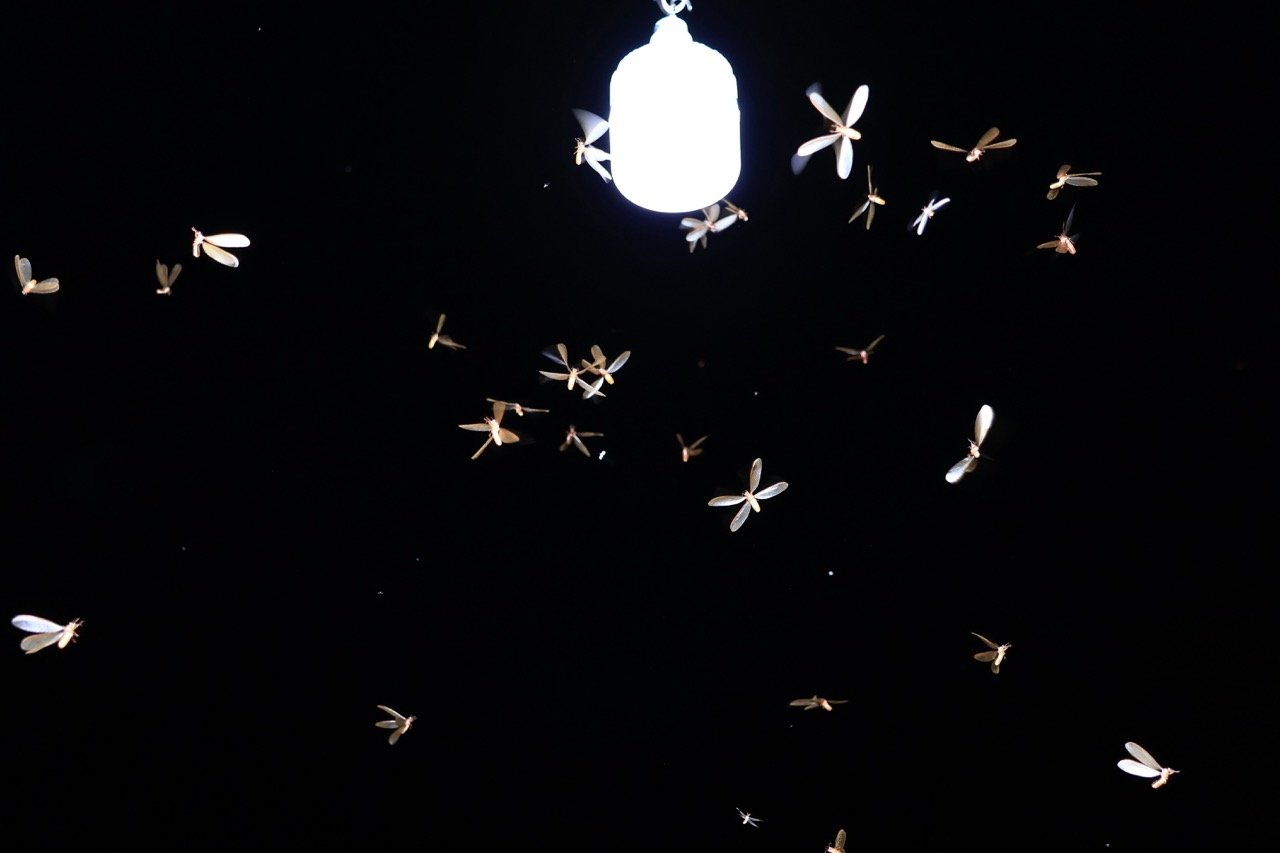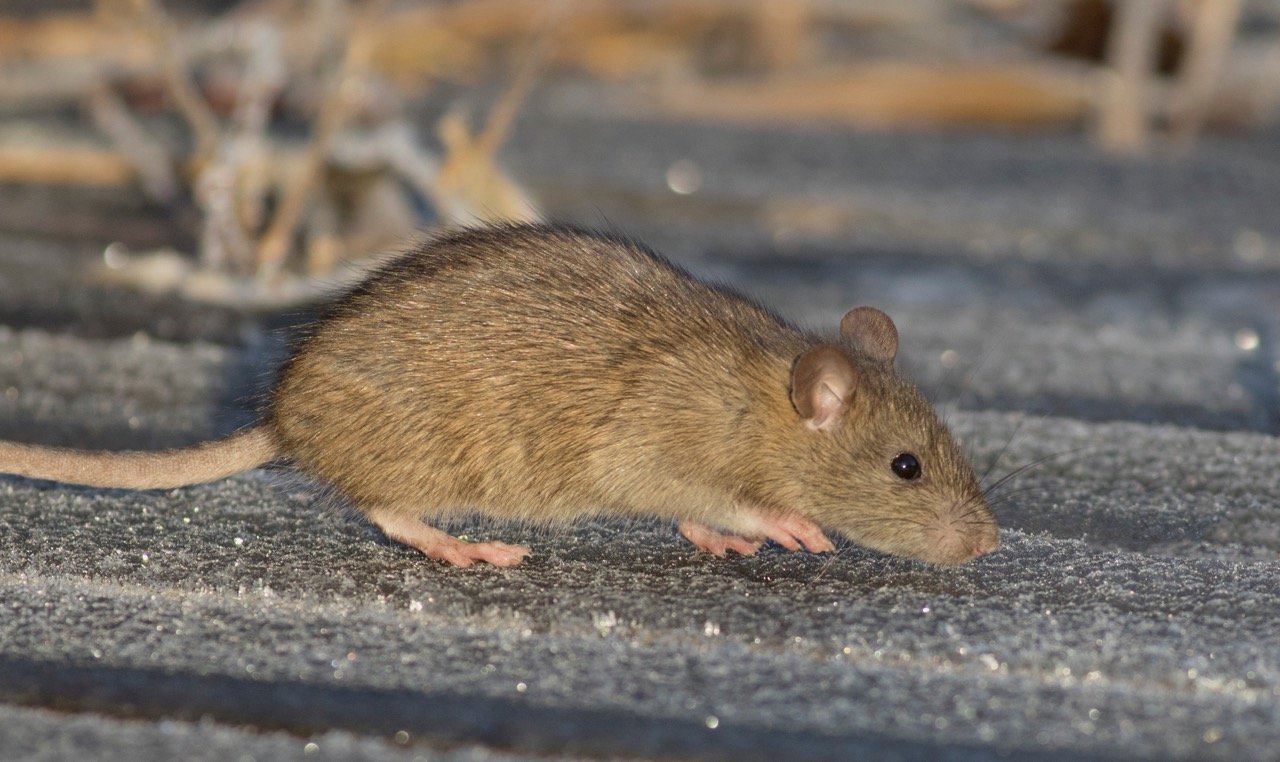
A tenant finds ants in the kitchen. Scratching starts coming from the attic. Mosquitoes make the backyard uncomfortable. Or suspicious termite evidence appears near a window.
Then comes another question:
Who is supposed to deal with it?
When it comes to pest control for rental properties, responsibilities can depend on the circumstances, rental agreement, property conditions, and applicable requirements. Instead of making assumptions, tenants and property owners should communicate early and document what is happening.
Regardless of who ultimately coordinates a particular service, one principle remains important: pest problems are generally easier to manage when they are identified and addressed early.
For Florida rental properties, proactive inspection, good maintenance, clear communication, and appropriate pest control can help prevent a small issue from becoming a recurring problem.
Why Pest Control Matters in Rental Properties
Pests don’t care whether a home is owned, rented, occupied seasonally, or managed as an investment.
They respond to the same basic conditions:
- Food.
- Water.
- Shelter.
- Entry points.
- Environmental conditions.
Rental properties can present additional challenges because different people may be responsible for different aspects of the home.
A tenant may be the first person to notice activity.
A property owner or manager may coordinate structural repairs.
A pest control professional may need access to inspect and treat particular areas.
Communication between everyone involved can therefore be just as important as the pest control service itself.
What Pests Can Affect Florida Rental Properties?
Florida’s climate can support many types of pest activity.
Rental properties may experience issues involving:
- Ants.
- Termites.
- Mosquitoes.
- Rodents.
- Bed bugs.
- Spiders.
- Other insects.
Different pests require different responses.
A few ants near a sink don’t represent the same situation as rodents in an attic or suspected termites in structural wood.
Correct identification is an important first step.
What Should a Tenant Do When They Notice Pests?
Don’t ignore recurring activity.
If you rent a property and notice signs of pests, document what you’re seeing and communicate through the appropriate channel for your rental.
Useful information may include:
- Where the pest was found.
- When activity started.
- How often it occurs.
- Photographs.
- Videos.
- Droppings or other evidence.
- Areas of suspected entry.
- Moisture or maintenance problems nearby.
Specific information is much more useful than simply reporting “there are bugs.”
For example:
“Ants have been appearing every morning underneath the kitchen sink, and there appears to be moisture around one of the pipes.”
That gives the property owner, manager, or pest professional useful context.
Should Tenants Try DIY Pest Control First?
Minor preventive steps such as cleaning food residue, removing standing water, and keeping storage organized can be helpful.
However, repeated DIY treatment without understanding the pest may complicate the situation.
This is particularly true when dealing with:
- Termites.
- Rodents inside structural areas.
- Recurring ant activity.
- Bed bugs.
- Unidentified pests.
If professional treatment may be necessary, communicate the problem before repeatedly applying products throughout the property.
Knowing what has already been used can also be useful information for the pest professional.
What Should Property Owners Watch For?
Property owners and managers should pay attention to recurring reports rather than treating every pest sighting as an isolated event.
Repeated activity can indicate an underlying property condition such as:
- Structural gaps.
- Damaged screens.
- Worn door seals.
- Plumbing leaks.
- Poor drainage.
- Roof vulnerabilities.
- Excessive moisture.
- Landscaping problems.
If different tenants report similar activity over time, a broader inspection may be more useful than repeatedly addressing only the visible pests.
Pest Control Starts With Property Maintenance
Pest prevention and building maintenance often overlap.
Consider a leaking pipe beneath a kitchen sink.
The moisture may attract certain pests.
Pest treatment may address current activity, but if the leak remains, one contributing condition remains too.
The same principle applies to:
- Damaged weatherstripping.
- Holes around utility lines.
- Broken screens.
- Roof damage.
- Drainage problems.
Successful pest management often requires addressing both the pest and the property condition supporting it.
Who Is Responsible for Pest Control in a Rental?
There isn’t one answer that should be applied to every rental situation.
Responsibility can depend on the lease, local requirements, type of property, cause of the pest issue, and other circumstances.
Tenants and property owners should review the applicable rental agreement and requirements rather than relying on assumptions.
From a pest-management perspective, the priority is to communicate quickly enough that the problem can be evaluated.
Delaying action while debating responsibility may allow certain pest problems to become more established.
Why Documentation Is Helpful
Documentation can help everyone understand the situation more clearly.
If you’re a tenant, take photographs when you notice:
- Droppings.
- Damaged materials.
- Termite wings.
- Frass.
- Ant trails.
- Visible insects.
- Entry points.
Property owners may also want to keep records of:
- Pest inspections.
- Previous treatments.
- Structural repairs.
- Termite history.
- Recurring tenant reports.
These records can reveal patterns over time.
Pest Inspections Before a New Tenant Moves In
A vacant property provides a valuable opportunity for inspection.
Before a new tenant brings furniture, boxes, food, and belongings inside, the property is easier to access.
This can be a good time to inspect:
- Kitchens.
- Bathrooms.
- Closets.
- Garages.
- Attics where safely accessible.
- Exterior doors.
- Windows.
- Storage areas.
Property owners can also look for evidence left by previous activity.
Starting a new tenancy with a well-inspected property creates a clearer baseline if pest activity appears later.
Check for Rodent Entry Points
Rodents can create significant problems in rental homes.
Potential entry points may occur around:
- Garage doors.
- Rooflines.
- Vents.
- Utility penetrations.
- Exterior gaps.
- Damaged structural components.
Signs of rodents may include:
- Droppings.
- Scratching sounds.
- Gnaw marks.
- Nesting material.
- Damaged stored items.
If rats or mice are suspected inside the structure, exclusion should be coordinated carefully so animals aren’t simply sealed inside.
Don’t Ignore Scratching in the Attic
A tenant may hear attic activity before a property owner knows anything is wrong.
Reports of scratching or movement overhead deserve investigation.
Rodents may use attics for shelter and nesting.
If activity is confirmed, the inspection should consider both the animals currently present and how they may be entering.
Ground-level inspection alone may not be enough because some rodents can reach roof areas using trees and other exterior structures.
Termites Require Special Attention
Termites can remain hidden while affecting wooden materials.
Tenants and property owners should be aware of potential warning signs such as:
- Termite swarmers.
- Discarded wings.
- Frass.
- Mud tubes.
- Suspicious wood changes.
A tenant who finds discarded wings near a window shouldn’t simply vacuum them away without documenting what was found.
Take photographs and report the evidence.
Professional inspection can help determine whether the insects are termites and whether the property shows signs of current activity.
Keep Termite Treatment Records
For property owners, termite documentation can be especially useful.
Keep available records of:
- Previous inspections.
- Treatment history.
- Areas of previous activity.
- Follow-up recommendations.
If termite evidence appears later, this history can help a professional understand what has already occurred at the property.
It may also be useful when the property changes tenants or management companies.
Ant Problems in Rental Properties
Ants are one of those pests that may appear minor initially but become frustrating when they repeatedly return.
Tenants can help by:
- Cleaning food residue.
- Storing food properly.
- Managing pet food.
- Reporting leaks.
- Monitoring trails.
But recurring ants may also be entering through structural gaps or traveling through concealed areas.
If cleaning alone doesn’t solve the problem, the property may need further inspection.
What About Bed Bugs?
Bed bugs require a different approach from many common household pests.
Because they can travel with luggage, furniture, clothing, and belongings, determining how an issue developed isn’t always straightforward.
If suspected bed bugs are found:
- Document the evidence.
- Avoid moving potentially affected belongings throughout the property unnecessarily.
- Communicate promptly.
- Seek appropriate identification and professional guidance.
Trying multiple random DIY approaches can make an already stressful situation harder to manage.
Mosquitoes Around Rental Homes
For rental properties with yards, patios, or outdoor common areas, mosquito activity may also become a concern.
Inspect for standing water in:
- Plant saucers.
- Buckets.
- Gutters.
- Toys.
- Tarps.
- Outdoor containers.
- Poorly draining areas.
Property maintenance and tenant habits can both affect mosquito conditions.
For example, a drainage issue may require property maintenance, while a forgotten bucket full of rainwater can be emptied immediately.
Storage Areas Need Attention Too
Rental garages and storage areas can become cluttered with:
- Cardboard boxes.
- Furniture.
- Pet food.
- Seasonal decorations.
- Household supplies.
These items can create hiding opportunities and make pest evidence difficult to detect.
Tenants should keep storage reasonably organized, while property owners should make sure structural areas remain maintained and accessible.
What About Multi-Unit Rental Properties?
Pest management can become more complex in buildings containing multiple units.
A pest may move through structural areas or environmental conditions may affect more than one part of the property.
If similar activity is reported in multiple units, a broader evaluation may be appropriate.
Treating one visible location without understanding the larger situation may leave other sources of activity unresolved.
Clear reporting is especially important in these properties.
Preventive Pest Control Can Help Rental Properties
Waiting for a serious infestation isn’t the only approach.
Preventive pest management may include:
- Routine property monitoring.
- Exterior inspections.
- Entry-point evaluation.
- Moisture management.
- Landscaping maintenance.
- Pest identification.
- Professional treatment when appropriate.
For property owners, proactive maintenance can also help reveal structural problems before they become larger issues.
A Simple Pest Prevention Checklist for Tenants
Tenants can contribute to pest prevention through everyday habits.
Keep Food Stored Properly
Avoid leaving open food containers accessible.
Clean Spills and Crumbs
Pay attention to areas beneath appliances and cabinets.
Manage Pet Food
Store larger bags securely and clean feeding areas.
Reduce Clutter
Keep storage areas organized enough to inspect.
Remove Standing Water
Check outdoor containers where applicable.
Report Leaks
Don’t allow plumbing or moisture problems to remain unreported.
Document Pest Activity
Photos and specific locations are useful.
These actions don’t mean every pest problem is caused by tenant behavior. They simply reduce common resources pests may use.
A Pest Prevention Checklist for Property Owners
Owners and managers can focus on the building itself.
Inspect Doors and Windows
Maintain weatherstripping, screens, and obvious gaps.
Check the Roofline
Address damaged vents, soffits, eaves, and other vulnerable areas appropriately.
Maintain Plumbing
Repair leaks and moisture problems.
Manage Exterior Conditions
Monitor drainage and landscaping.
Keep Pest Control Records
Maintain inspection and treatment history.
Respond to Recurring Reports
Repeated pest activity may indicate a larger underlying issue.
The strongest prevention strategy combines occupant habits with property maintenance.
Communication Can Prevent Small Problems From Becoming Bigger
Tenants may hesitate to report a few insects because the issue seems too minor.
Property owners may assume a report represents an isolated event.
Both approaches can delay useful investigation.
Instead, communicate early and specifically.
A small amount of information—where, when, how often, and what the pest looks like—can make the next step much clearer.
What Should Happen Before Professional Pest Control?
When professional service is needed, make sure the pest control company has useful information.
Provide:
- Where activity occurs.
- Photos if available.
- Previous treatment history.
- Known structural problems.
- Areas that may require access.
Depending on the pest and service, occupants may also receive preparation instructions.
Follow those instructions carefully so the property can be evaluated and treated appropriately.
When Should Professional Pest Control Be Considered?
Professional evaluation may be appropriate when:
- Pest activity repeatedly returns.
- Rodents are suspected inside walls or attics.
- Termite evidence is present.
- Bed bugs are suspected.
- Multiple areas of the property are affected.
- The pest cannot be identified.
- Structural entry points are unclear.
- DIY measures haven’t resolved the activity.
The sooner the underlying issue is understood, the easier it is to develop an appropriate management strategy.
Good Pest Control Is a Shared Information Process
Effective pest control for rental properties isn’t simply about someone arriving to spray visible insects.
The process begins with information.
The tenant knows what has been happening inside the home.
The property owner or manager knows the building’s maintenance and treatment history.
The pest professional brings the knowledge needed to identify the pest, evaluate conditions, and recommend an appropriate approach.
When those pieces come together, pest problems are much easier to understand and manage.
For tenants, report problems early.
For property owners, pay attention to patterns and property conditions.
And for everyone involved, avoid allowing a small pest issue to remain unresolved until it becomes a much larger one.
Contact 911 Home Helps Today
Are you dealing with pest activity in a Florida rental property? Whether you’re a tenant, property owner, or property manager, 911 Home Helps can inspect the property, identify pest activity, evaluate potential entry points and contributing conditions, and recommend an appropriate pest control strategy.