Spending time outdoors is one of the many benefits of living in Florida. Whether you’re gardening, playing with your children, relaxing on the patio, or letting your pets explore the backyard, your outdoor space should be somewhere you can enjoy comfortably.
However, ticks can sometimes turn an ordinary afternoon outside into a concern for homeowners.
These small arachnids are often difficult to notice, especially when they are hiding in vegetation or attached to pets. Because some ticks can transmit diseases, recognizing potential tick habitats and taking preventive measures is an important part of maintaining a safer outdoor environment.
If you’re wondering how to check your yard for ticks, understanding where these pests are most likely to be found is a good place to start.
For Florida homeowners, regular inspections, appropriate landscaping practices, and professional pest management when necessary can help reduce tick exposure around residential properties.
What Are Ticks?
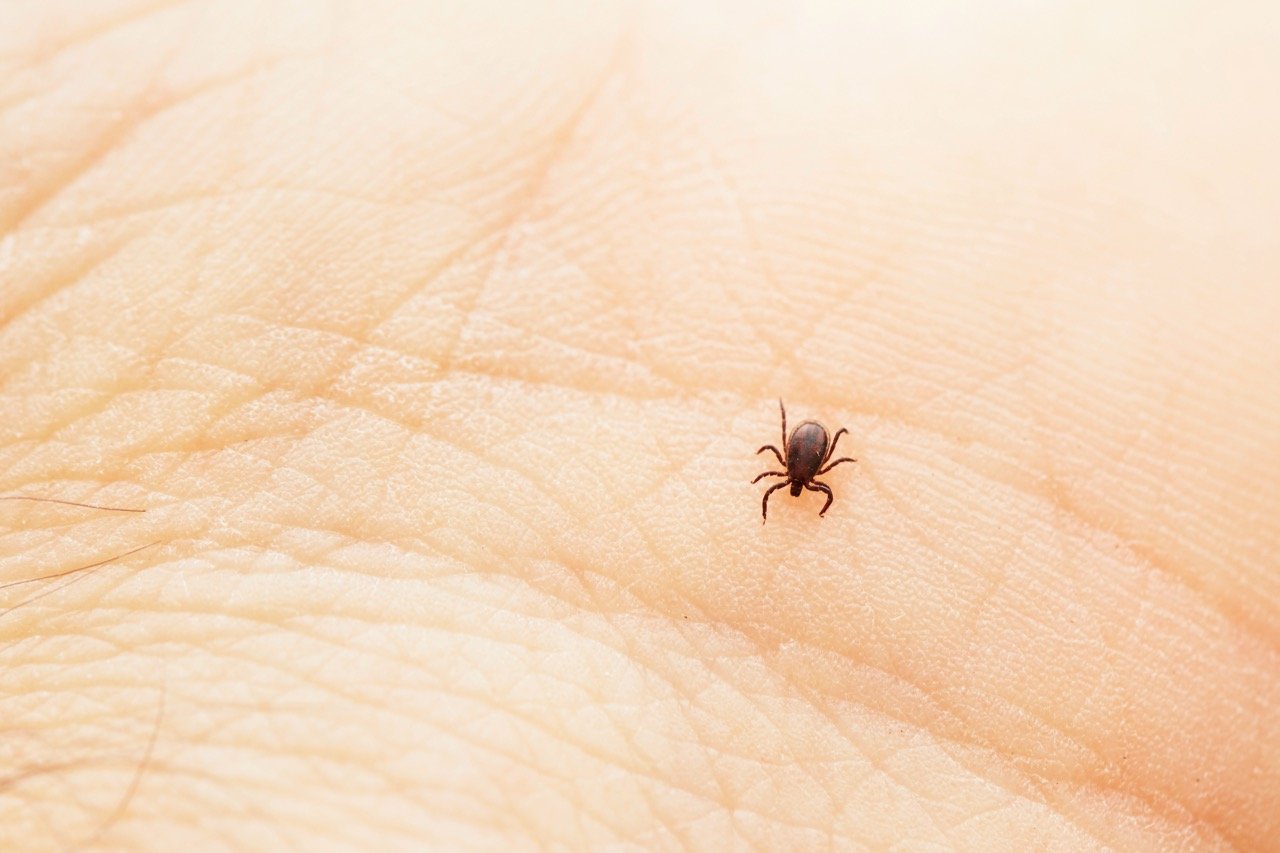
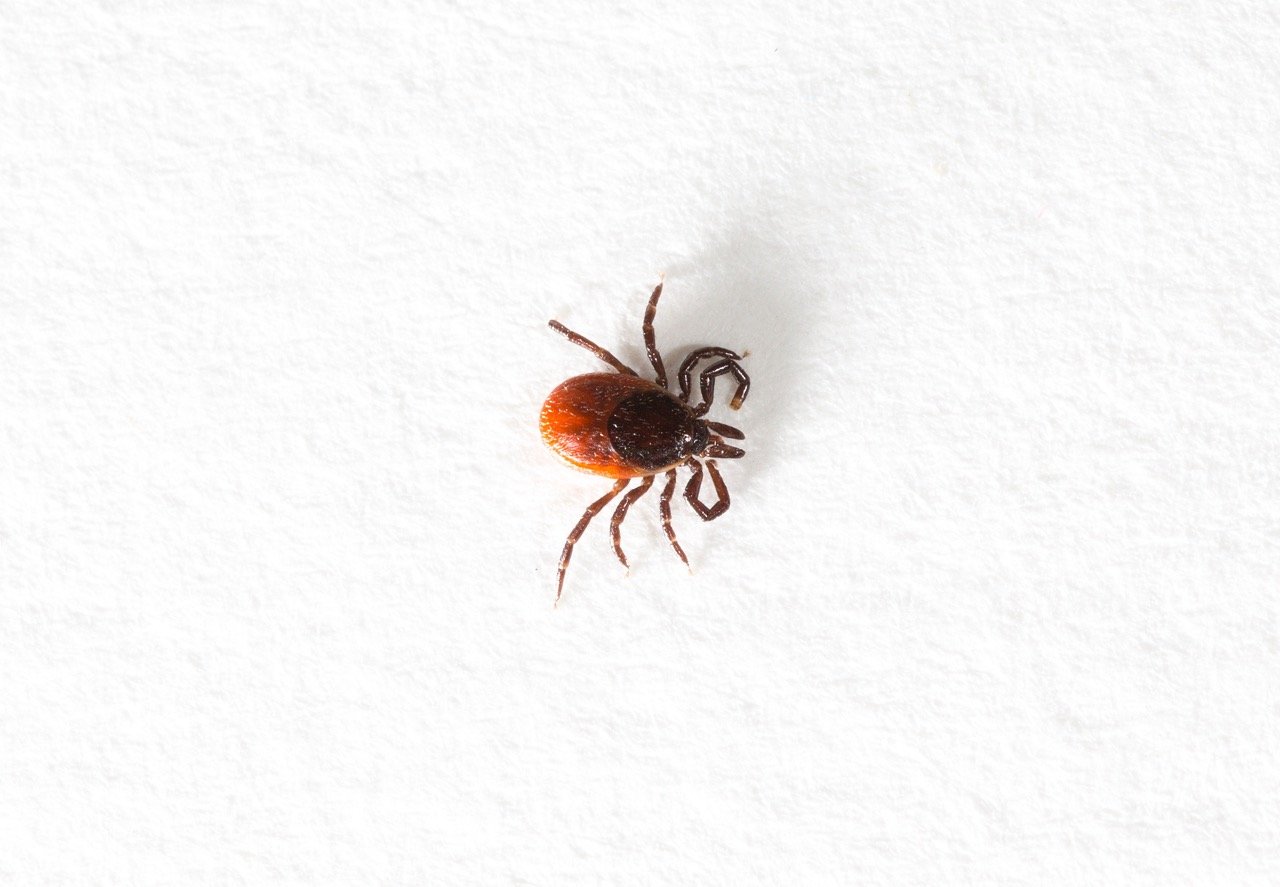
Ticks are small arachnids related to spiders and mites.
Unlike insects, adult ticks have eight legs. They are external parasites that feed on the blood of animals, including mammals, birds, and sometimes reptiles.
Ticks develop through several life stages, including eggs, larvae, nymphs, and adults.
Most species require blood meals during their development, although their feeding patterns vary.
Ticks do not jump or fly. Instead, many species wait on vegetation or other surfaces for a suitable host to pass nearby.
This behavior is commonly called questing.
When a person or animal brushes against the vegetation, the tick may attach and begin searching for a suitable feeding location.
Understanding this behavior can help homeowners identify areas where tick encounters are more likely.
Are Ticks Common in Florida?
Ticks are present throughout Florida, and several species may be encountered in residential and natural environments.
Some species are associated with wildlife and wooded areas, while others may be found around domestic animals or buildings.
Florida’s climate can support tick activity during much of the year, although activity varies depending on the species, location, and environmental conditions.
Warm weather alone does not determine whether a property has ticks.
The presence of suitable animal hosts, vegetation, humidity, and protected habitats can all influence tick populations.
This is why some yards experience more activity than others.
Why Are There Ticks in Your Yard?
Ticks may be introduced into residential landscapes by animals that move through the property.
Wildlife, stray animals, and pets can carry ticks into outdoor spaces.
Depending on the species, ticks may detach from their hosts and continue developing in suitable environments.
Vegetation and sheltered areas can provide protection from excessive heat and drying.
However, finding a tick in your yard does not necessarily mean there is a large infestation.
The level of concern depends on the species, frequency of encounters, and conditions around the property.
How to Check Your Yard for Ticks
Learning how to check your yard for ticks involves recognizing potential habitats and observing where ticks may be encountered.
Because ticks are small and can be difficult to detect, a visual inspection alone cannot guarantee that an area is tick-free.
Still, homeowners can identify conditions that may increase exposure.
1. Inspect Tall Grass and Overgrown Vegetation
Many ticks use vegetation to encounter passing hosts.
Tall grass, weeds, and dense plants may provide suitable locations for certain species.
Pay particular attention to areas where people or pets regularly brush against vegetation.
These contact points can increase opportunities for ticks to attach.
2. Examine the Edges of Your Yard
The transition between maintained lawns and wooded or overgrown areas can be important.
These edges may provide sheltered habitats and routes used by wildlife.
Inspect areas where vegetation becomes dense, especially along fences, trails, and property boundaries.
3. Check Shaded and Protected Areas
Some ticks are sensitive to drying conditions and may be more likely to survive in protected environments.
Shaded areas with vegetation, leaf litter, or other ground cover may provide favorable conditions.
However, habitat preferences vary between species.
4. Look Around Pet Resting Areas
Dogs and other animals may encounter ticks while exploring the yard.
Inspect areas where pets frequently rest, play, or move through vegetation.
If your pet repeatedly picks up ticks, identifying the location of exposure may help guide prevention efforts.
5. Inspect Outdoor Animal Shelters
Kennels, dog houses, and other outdoor animal structures may be relevant to certain tick species.
For example, brown dog ticks can establish populations in kennels and buildings associated with dogs.
Repeated tick activity around these areas may require professional evaluation.
Can You See Ticks in the Grass?
Sometimes.
Adult ticks may be visible on vegetation, but smaller life stages can be much harder to notice.
Their size and coloration can make them blend into the surrounding environment.
Ticks may also remain concealed rather than sitting in exposed locations.
For this reason, failing to see ticks during an inspection does not prove that none are present.
A combination of habitat assessment, pet monitoring, and professional inspection when appropriate provides a more useful picture of potential activity.
How to Identify Ticks in Your Backyard
Ticks generally have flattened bodies before feeding and may become noticeably enlarged after taking a blood meal.
Their appearance varies by species and life stage.
Some have distinctive markings, while others are relatively uniform in color.
Small ticks may be confused with mites or other arthropods.
Because species identification can affect health-related recommendations, avoid making assumptions based only on size or color.
If you find a tick attached to a person or animal, safe removal and appropriate identification are more important than attempting to determine the species from a distance.
What Types of Ticks Are Found in Florida?
Several tick species occur in Florida.
American Dog Tick
The American dog tick may be found in grassy and other suitable outdoor habitats.
It can feed on dogs and humans and is associated with certain tick-borne diseases.
Lone Star Tick
Lone star ticks are found in parts of Florida and may encounter humans and animals in vegetated environments.
They are associated with several health concerns, including alpha-gal syndrome in some individuals following bites.
Brown Dog Tick
Brown dog ticks are strongly associated with dogs.
Unlike many other species, they can establish populations indoors or in kennels under suitable conditions.
Blacklegged Tick
Blacklegged ticks also occur in Florida.
Their habitat use and seasonal activity can differ from those of other tick species.
Because ticks vary in their behavior and potential health significance, accurate identification is useful when evaluating a suspected infestation.
Are Ticks Dangerous to Humans?
Some ticks can transmit pathogens that cause illness.
However, not every tick is infected, and not every tick bite results in disease.
The risk depends on factors such as the tick species, geographic location, pathogen involved, and circumstances of the bite.
Tick bites can also cause local irritation or allergic reactions.
If you develop fever, rash, unusual fatigue, or other concerning symptoms after a tick bite, contact a healthcare professional.
Mention the possible tick exposure, even if you are unsure when the bite occurred.
Are Ticks Dangerous to Dogs?
Yes, ticks can affect dogs.
They may cause skin irritation, and certain species can transmit pathogens associated with illness.
Heavy infestations may also contribute to blood loss.
If your dog frequently encounters ticks, consult a veterinarian about suitable preventive products.
Veterinary guidance is particularly important because different products have different indications and safety requirements.
Never assume a product intended for one animal species is safe for another.
How to Check Your Dog for Ticks After Yard Time
Checking pets after outdoor activities can help detect attached ticks.
Examine the areas around the ears, neck, collar, legs, and paws.
Also check beneath the tail and around other protected parts of the body.
Ticks can attach in many locations, so a thorough inspection is helpful.
If you find a tick, use an appropriate removal method or consult your veterinarian.
Avoid applying household chemicals, essential oils, or heat to an attached tick.
How to Remove a Tick Safely
If a tick is attached to your skin, use clean, fine-tipped tweezers to grasp it as close to the skin’s surface as possible.
Pull upward with steady, even pressure.
Avoid twisting, crushing, or squeezing the tick’s body.
After removal, clean the bite area and your hands.
Do not use petroleum jelly, nail polish, or heat to try to force the tick to detach.
If you cannot remove the tick completely or develop concerning symptoms, seek medical advice.
For ticks attached to pets, consult a veterinarian when assistance is needed.
Can Ticks Live in a Well-Maintained Lawn?
Yes.
Although overgrown vegetation may provide favorable conditions for some tick species, a well-maintained lawn is not guaranteed to be tick-free.
Ticks may be introduced by animals moving through the property.
Certain species may also survive in protected locations around landscaped areas.
Maintaining the yard can help reduce some favorable habitats, but prevention should involve more than mowing alone.
Do Ticks Live in Mulch?
Some ticks may use protected ground-level habitats, including areas with leaf litter or other organic material.
However, not every type of mulch creates the same conditions, and tick habitat preferences vary by species.
Mulch can also serve useful landscaping purposes.
Rather than assuming all mulch attracts ticks, focus on managing vegetation, moisture, wildlife access, and contact with potential tick habitats.
Do Ticks Hide Under Outdoor Furniture?
Ticks are not generally attracted to furniture itself.
However, protected areas around patios, decks, kennels, and outdoor structures may be relevant when animal hosts and suitable environmental conditions are present.
If pets regularly rest beneath furniture or structures, these areas may deserve attention during an inspection.
Repeated sightings should prompt an evaluation of nearby vegetation and possible animal activity.
How to Reduce Ticks in Your Yard
Reducing tick exposure involves making the landscape less favorable for ticks and limiting opportunities for contact.
Keep Grass Maintained
Regular mowing can help reduce dense vegetation where certain ticks may be encountered.
Avoid allowing grass and weeds to become overgrown near frequently used outdoor areas.
Remove Excess Leaf Litter
Accumulated leaves can create sheltered ground-level environments.
Regularly clear unnecessary debris from play areas, walkways, and other heavily used spaces.
Maintain Landscaping Edges
Trim vegetation along paths, fences, and yard boundaries.
Consider creating a clearly maintained separation between recreational areas and dense vegetation.
Manage Wildlife Attractants
Avoid leaving pet food outdoors where it may attract animals.
Secure garbage containers and address conditions that encourage wildlife to remain near the home.
Do not attempt to handle wild animals.
Protect Your Pets
Use veterinarian-recommended tick prevention.
Inspect pets after outdoor activities, particularly when they have been in vegetation.
Consider Professional Pest Control
If ticks are repeatedly encountered, a professional inspection may help identify areas where management efforts should be concentrated.
The appropriate strategy depends on the species, property conditions, and extent of activity.
Do Natural Tick Repellents Work?
Some plant-derived substances are marketed as tick repellents.
However, their effectiveness and duration of protection vary.
Natural origin does not guarantee safety or reliable performance.
Certain essential oils may irritate skin or pose risks to pets.
For personal protection, use an EPA-registered repellent labeled for ticks and follow its instructions.
Permethrin-treated clothing may also provide protection when used according to product labeling, but permethrin products intended for clothing must not be applied directly to skin.
For pets, rely on veterinarian-recommended products.
Can You Spray Your Yard for Ticks?
Some pesticide products are labeled for tick management in outdoor residential environments.
However, treatment should be based on the conditions found on the property.
Blanket applications are not always necessary or appropriate.
A targeted approach may focus on areas where ticks are likely to occur while considering exposure risks to people, pets, and non-target organisms.
Always follow pesticide labeling and applicable regulations.
Professional pest control may be helpful when repeated tick encounters justify treatment.
How Often Should You Check Your Yard for Ticks?
There is no single inspection schedule that applies to every property.
The appropriate frequency depends on factors such as vegetation, wildlife activity, pets, and previous tick encounters.
Homeowners may benefit from checking potential habitats regularly during periods of outdoor activity.
Pets should be inspected after spending time in areas where ticks may occur.
If ticks are repeatedly found, a more detailed property evaluation may be necessary.
Can Ticks Enter Your House?
Yes.
Ticks may enter homes on pets, clothing, or other animal hosts.
Most tick species are primarily associated with outdoor environments, but certain species can establish indoor populations.
Brown dog ticks are particularly relevant because they may reproduce in homes and kennels under suitable conditions.
If you repeatedly find ticks indoors, accurate identification is important.
An indoor infestation may require a different management approach from occasional ticks brought inside after outdoor activities.
How to Prevent Tick Bites While Gardening
Gardening can bring homeowners into direct contact with vegetation and ground-level habitats.
When working in areas where ticks may occur, wear clothing that helps limit skin exposure.
Use an appropriate tick repellent according to its label.
Avoid brushing against dense vegetation when possible.
After outdoor activities, inspect your clothing and body for ticks.
Showering soon after coming indoors may help with tick detection, but it does not replace a thorough tick check.
Pay attention to areas such as behind the knees, around the waist, under the arms, and along the hairline.
When Should You Call a Pest Control Professional?
Consider professional assistance if ticks are repeatedly found on pets or people after spending time in your yard.
An inspection may also be useful when ticks appear indoors or when you suspect activity around kennels and animal resting areas.
A pest control professional can evaluate the property, identify potential tick habitats, and recommend appropriate management measures.
However, professional pest control does not replace personal tick precautions or veterinary prevention.
The most effective approach combines environmental management with protection for people and pets.
Protecting Your Florida Yard From Ticks
Learning how to check your yard for ticks is an important part of reducing unwanted encounters with these parasites.
Ticks may be associated with vegetation, protected ground-level habitats, and animals moving through residential landscapes.
Although no visual inspection can guarantee a completely tick-free property, regular maintenance and awareness can help homeowners identify potential risk areas.
Keeping vegetation managed, removing excess debris, monitoring pets, and using appropriate personal protection can all contribute to prevention.
When tick activity becomes persistent, professional inspection can help determine whether additional management is necessary.
Contact 911 Home Helps Today
Are you finding ticks in your backyard, around your pets’ resting areas, or near outdoor spaces used by your family? 911 Home Helps can inspect your property, evaluate conditions that may support tick activity, and recommend an appropriate pest control and prevention strategy.