Have you ever walked through your garden, touched a plant, and suddenly noticed dozens of tiny white insects flying into the air?
At first, they may look like harmless specks of dust. However, when these insects repeatedly gather beneath leaves and begin affecting the appearance of your plants, you may be dealing with a whitefly infestation.
Whiteflies are common plant pests that can affect ornamental landscaping, vegetables, shrubs, and other vegetation. Although they are small, large populations can weaken plants by feeding on their sap.
For Florida homeowners, finding whiteflies on plants can be especially frustrating because warm conditions may support their development and allow populations to increase quickly.
Understanding why whiteflies appear, how to recognize their activity, and what can be done to reduce infestations is essential for maintaining a healthier garden.
What Are Whiteflies?
Whiteflies are small, sap-feeding insects belonging to the family Aleyrodidae.
Despite their name and appearance, they are not true flies. They are more closely related to aphids, scale insects, and mealybugs.
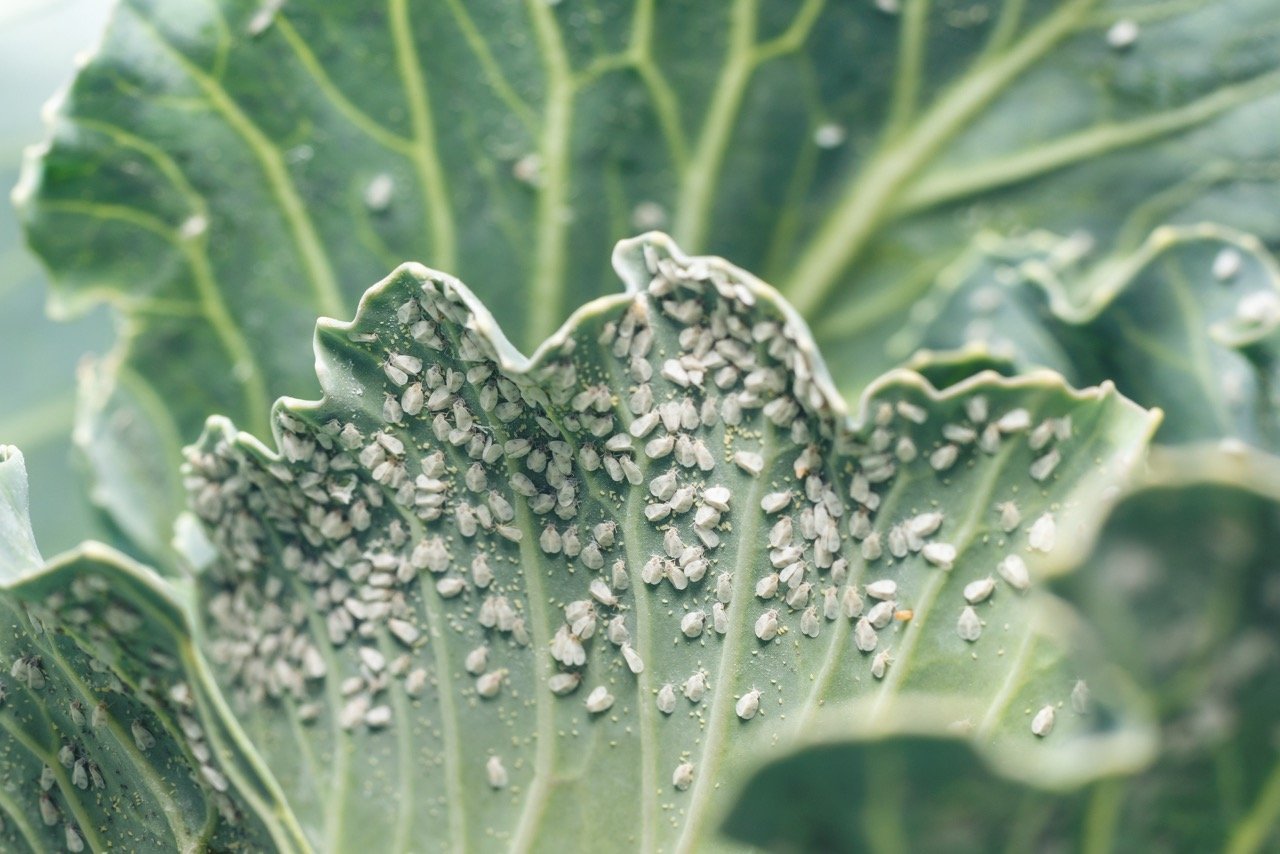
Adult whiteflies are typically small, with pale or white wings that often appear covered in a powdery, wax-like substance.
They are commonly found on the undersides of leaves, where they feed and reproduce.
When disturbed, adults may fly away in small clouds before settling on nearby vegetation.
Immature whiteflies remain attached to plant surfaces during much of their development, making them less noticeable than adults.
Because both adults and immature stages can feed on plant sap, established populations may affect plant health over time.
Why Are Whiteflies Taking Over Your Plants?
Whitefly populations may increase when suitable host plants and favorable environmental conditions are available.
Adult females lay eggs on plant leaves, often on the undersides.
After hatching, immature whiteflies begin feeding on plant sap.
As they develop, they remain associated with the plant until they become adults.
Under favorable conditions, multiple generations may develop over relatively short periods.
This allows populations to increase before homeowners realize how many insects are present.
However, the rate of development varies depending on the whitefly species, temperature, host plant, and other environmental factors.
Are Whiteflies Common in Florida?
Whiteflies are well-known pests of many plants in Florida.
The state’s warm climate supports a variety of whitefly species, some of which affect ornamental landscapes and agricultural crops.
Residential properties may experience whitefly activity on shrubs, trees, garden plants, and other susceptible vegetation.
Certain species can become particularly problematic when large populations develop on commonly planted ornamentals.
However, not every whitefly species affects the same plants.
Accurate identification can help determine which management strategies are appropriate.
What Attracts Whiteflies to Plants?
Whiteflies are primarily attracted to suitable host plants.
Their presence is influenced by plant species, environmental conditions, and the availability of feeding and reproduction sites.
Susceptible Plants
Some whitefly species prefer particular plants, while others feed on a broader range of hosts.
Certain ornamental shrubs, vegetables, and landscape plants may be vulnerable.
New Plant Growth
Tender leaves can provide suitable feeding locations for some sap-feeding insects.
However, whitefly preferences vary by species.
Favorable Temperatures
Warm conditions may support whitefly development and reproduction.
This can be relevant in Florida, where many plants remain actively growing for extended periods.
Infested Nursery Plants
Whiteflies may be introduced into a garden through plants that already contain eggs, immature insects, or adults.
Inspecting new plants before installation can help reduce this risk.
Limited Natural Enemy Activity
Predators and parasitoids can help regulate whitefly populations.
When natural enemies are absent or disrupted, some whitefly populations may increase.
What Plants Are Most Vulnerable to Whiteflies?
Whiteflies can affect a wide variety of plants, depending on the species involved.
Commonly affected plant groups may include ornamental shrubs, vegetables, flowering plants, and certain trees.
Some Florida landscapes experience whitefly problems on ficus hedges and other ornamental plants.
Vegetable gardens may also experience activity on plants such as tomatoes, peppers, and other susceptible crops.
However, the presence of whiteflies on one plant does not mean every nearby species will be affected.
Identifying both the insect and the host plant is important for selecting appropriate control measures.
How to Identify Whiteflies on Plants
Recognizing whiteflies early can help prevent populations from becoming more difficult to manage.
Several signs may indicate their presence.
Tiny White Insects Flying From Leaves
One of the most recognizable signs is a cloud of small white insects flying when a plant is disturbed.
Adult whiteflies often settle back onto leaves shortly afterward.
Insects Beneath Leaves
Whiteflies frequently gather on the undersides of leaves.
Inspecting these surfaces may reveal adults, eggs, or immature stages.
Yellowing Leaves
Heavy feeding can contribute to leaf discoloration and reduced plant vigor.
However, yellow leaves can also result from nutrient deficiencies, watering problems, and other pests.
Sticky Residue
Whiteflies produce honeydew, a sugary substance released during feeding.
This residue may accumulate on leaves and nearby surfaces.
Black Sooty Mold
Honeydew can support the growth of sooty mold fungi.
This may create a dark coating on leaves, branches, or objects beneath affected plants.
Sooty mold does not necessarily invade plant tissue, but heavy coatings can interfere with light reaching the leaf surface.
Do Whiteflies Damage Plants?
Yes.
Whiteflies feed by extracting fluids from plant tissues.
When populations are large, their feeding may weaken plants and contribute to reduced growth, yellowing, and premature leaf drop.
Some whitefly species can also transmit plant viruses.
However, the extent of damage depends on the insect species, host plant, infestation severity, and overall plant health.
A few whiteflies may not cause noticeable damage.
Large or persistent populations are more likely to require management.
Can Whiteflies Kill Your Plants?
Severe whitefly infestations can contribute to significant plant decline.
Heavy feeding may reduce plant vigor, while honeydew and sooty mold can create additional problems.
However, plant death is not an inevitable result of whitefly activity.
Healthy plants may tolerate some feeding, and appropriate management can help reduce damage.
If a plant is declining, consider other possible causes, including irrigation problems, nutrient deficiencies, root issues, and additional pests.
Accurate diagnosis is important before treatment.
Why Are Whiteflies Under the Leaves?
The undersides of leaves provide suitable feeding and egg-laying surfaces for many whitefly species.
These areas may also offer some protection from environmental disturbances.
Because immature whiteflies remain attached to plant tissue during much of their development, inspecting only the upper leaf surfaces can cause homeowners to overlook an infestation.
When checking a suspected plant, carefully examine the undersides of several leaves.
Look for adults, small immature insects, and other signs of feeding.
Do Whiteflies Bite Humans?
Whiteflies are plant-feeding insects.
They are not known for biting humans or feeding on human blood.
Their mouthparts are adapted for extracting fluids from plants.
Although large numbers may be annoying when disturbed, whiteflies are primarily a concern for vegetation rather than direct human health.
If you experience unexplained bites or skin irritation while gardening, another cause may be responsible.
Are Whiteflies Harmful to Pets?
Whiteflies are not generally considered biting pests of dogs or cats.
Their primary activity involves feeding on plants.
However, pesticide products used to manage whiteflies may present risks if applied incorrectly.
Keep pets away from treated areas as required by product labeling.
If you are concerned about exposure to a pesticide or your pet develops symptoms after contact with a treated plant, contact a veterinarian.
Why Do Whiteflies Keep Coming Back?
Recurring whitefly activity may occur when eggs or immature insects remain on affected plants.
Adults may also move between nearby host plants.
Another possibility is that new infested plants have been introduced into the landscape.
Because populations can develop through multiple generations, incomplete management may allow activity to continue.
Repeated applications of inappropriate insecticides may also disrupt natural enemies without providing adequate control.
Long-term management often requires a combination of monitoring, plant care, and targeted treatment when necessary.
How to Get Rid of Whiteflies on Plants
Managing whiteflies begins with identifying the affected plants and evaluating the extent of the infestation.
Not every situation requires chemical treatment.
1. Inspect the Entire Plant
Examine the undersides of leaves, particularly on plants showing yellowing or sticky residue.
Check nearby plants for similar signs.
2. Remove Severely Infested Plant Material
In some situations, pruning heavily affected leaves or branches may help reduce populations.
However, excessive pruning can stress plants.
Use methods appropriate for the plant species and its condition.
3. Use Water Carefully
For certain plants, a directed stream of water may help dislodge some whiteflies.
Avoid using excessive pressure that could damage delicate foliage.
This method may not be appropriate for every plant or infestation.
4. Encourage Natural Enemies
Lady beetles, lacewings, and certain parasitoid wasps can help regulate some whitefly populations.
Avoid unnecessary broad-spectrum pesticide applications that may disrupt beneficial insects.
5. Monitor Population Changes
Inspect affected plants regularly.
Yellow sticky traps may help monitor adult whiteflies in some settings, but they do not eliminate all developmental stages.
6. Consider Professional Treatment
Persistent or severe infestations may require targeted pest management.
The appropriate treatment depends on the whitefly species, host plant, and site conditions.
For landscape infestations, a qualified professional can help determine whether treatment is necessary and which options are appropriate.
Does Neem Oil Work Against Whiteflies?
Neem-based products are sometimes used in plant pest management.
Their effectiveness depends on the formulation, application method, insect stage, and plant involved.
Products should be used only when labeled for the intended application.
Some plants may be sensitive to oil-based treatments, particularly under certain environmental conditions.
Always follow label instructions and test for plant sensitivity when recommended.
Neem products should not be assumed to provide complete control of an established infestation.
Does Insecticidal Soap Kill Whiteflies?
Certain insecticidal soaps are labeled for controlling whiteflies.
These products generally require appropriate contact with susceptible insect stages.
Because whiteflies often occur beneath leaves, coverage can influence results.
However, insecticidal soaps may cause plant injury if used incorrectly or under unsuitable conditions.
Follow product labeling carefully.
Repeated applications may be necessary in some situations, but they should never exceed label directions.
Can Vinegar Get Rid of Whiteflies?
Vinegar is frequently suggested as a homemade garden pest remedy.
However, household vinegar is not a reliable or appropriately labeled whitefly treatment.
Applying vinegar directly to leaves may damage plant tissues.
Homeowners should avoid using unverified mixtures that could injure valuable landscaping.
Proper identification and plant-safe management methods are more dependable.
Do Whiteflies Spread From Plant to Plant?
Yes.
Adult whiteflies can move between suitable host plants.
Their movement may allow populations to establish on nearby vegetation.
However, the ability to infest a particular plant depends on the whitefly species.
Not every species can reproduce successfully on every plant.
When an infestation is discovered, inspecting nearby susceptible plants can help identify additional activity.
Can Whiteflies Infest Indoor Plants?
Yes.
Whiteflies may affect certain indoor plants, especially when infested plants are brought inside.
Greenhouses and other protected growing environments can also support whitefly populations.
Because indoor plants are often close together, insects may move between suitable hosts.
Inspect new plants before placing them near an existing collection.
If whiteflies are present, isolate the affected plant when practical and use appropriate management methods.
How to Prevent Whiteflies in Your Florida Garden
Prevention begins with regular plant inspections and appropriate landscape maintenance.
Check new plants before introducing them into the garden.
Inspect the undersides of leaves periodically.
Maintain irrigation and fertilization practices appropriate for each plant species.
Avoid excessive nitrogen fertilization, which may encourage tender growth attractive to some sap-feeding pests.
Support beneficial insects by avoiding unnecessary pesticide applications.
Remove heavily infested plant material when appropriate.
These practices can help reduce opportunities for whitefly populations to develop unnoticed.
Are Whiteflies Worse During Florida’s Warm Weather?
Warm conditions can support whitefly development, but population patterns vary by species.
Plant growth, rainfall, natural enemies, and other environmental factors can influence activity.
Some species may remain active for extended periods in Florida.
However, whitefly problems should not be attributed to temperature alone.
Regular monitoring is useful whenever susceptible plants are present.
When Should You Call a Pest Control Professional?
Consider professional assistance when whiteflies repeatedly damage valuable landscaping or when infestations spread across multiple plants.
Professional evaluation may also be useful when you cannot identify the insect species or when previous treatments have not reduced activity.
A qualified pest management professional can assess plant conditions, identify likely causes, and recommend an appropriate strategy.
For specialized plant health concerns, a horticultural professional or local Extension service may also provide valuable guidance.
Protecting Your Plants From Whiteflies
Finding whiteflies on plants can be frustrating, especially when the insects return after repeated cleaning or treatment attempts.
These small, sap-feeding pests can multiply under favorable conditions and affect a variety of ornamental and garden plants.
Their feeding may contribute to yellowing, reduced plant vigor, honeydew accumulation, and sooty mold.
However, early identification and appropriate management can help limit damage.
Florida homeowners can reduce whitefly problems by inspecting plants regularly, maintaining suitable growing conditions, protecting beneficial insects, and using targeted treatments when necessary.
When infestations become persistent, professional evaluation can help determine the most effective next steps.
Contact 911 Home Helps Today
Are whiteflies affecting the plants, shrubs, or landscaping around your Florida home? 911 Home Helps can help evaluate pest activity around your property and discuss appropriate prevention and management options for your outdoor spaces.