Key Takeaways
● Old houses offer ideal hiding spots for roaches due to numerous cracks, voids, and outdated plumbing.
● A comprehensive approach that combines deep cleaning, sealing entry points, and targeted treatments delivers the best results for roach elimination.
● Do-it-yourself (DIY) pest control methods provide targeted solutions for common roach species in older homes, tailored to their unique behaviors and habitats.
● Professional intervention becomes necessary when infestations persist despite thorough DIY efforts, particularly in homes with structural challenges.
● 911 Home Helps provides professional roach control tailored to older properties in Miami-Dade County, including free inspections, targeted treatments, and add-on services like sanitation and insulation for long-term protection.
How to Get Rid of Roaches in an Old House?
Getting rid of roaches in an old house requires a targeted approach that accounts for cracks, wall voids, aging plumbing, and hidden entry points common in vintage properties. These structural features create ideal hiding and breeding areas that standard treatments often miss.
The most effective strategy combines deep cleaning, sealing gaps, boric acid or bait treatments, and monitoring. When infestations persist or spread, professional roach control may be necessary to fully eliminate the problem and protect your home long term.
In this article, you will learn the most effective DIY methods for older homes, signs your infestation requires professional help, and what to expect from expert roach control services designed specifically for historic and aging properties.
911 Home Helps: Miami’s Most Trusted Pest Control Experts!
Family-Owned Excellence | 4.9★ Google Rating

Protect Your Home & Family: Comprehensive pest elimination for homes and businesses in Miami-Dade and Broward Counties. From termites to mosquitoes, we deliver fast, effective solutions with honest pricing and clear communication every step of the way.
Why Choose Us:
- ✓ Free inspection and consultation, no obligations
- ✓ Tent & tentless termite treatments (Drywood, Subterranean & Formosan)
- ✓ Comprehensive rodent, roach, and mosquito control
- ✓ TAP Insulation for year-round energy savings
- ✓ Family-owned with trained, certified technicians
Your home deserves protection you can trust. We’re local, fast, and always transparent.
Essential Supplies to Gather Before You Start
Before launching your roach control plan, assemble a full set of tools and products designed specifically for roach control in older homes.
At minimum, you’ll need: quality roach bait stations (gel baits work exceptionally well); boric acid powder for dusting in cracks and crevices; food-grade diatomaceous earth for a non-toxic barrier treatment; a good caulk gun and silicone sealant for exclusion work; and sticky traps for monitoring.
Additionally, gather cleaning supplies, including a vacuum with a crevice attachment, microfiber cloths, and a degreaser that cuts through the food residue that attracts roaches. Having these supplies ready before you begin ensures you can implement multiple control methods simultaneously, which significantly increases your chances of success.
5 Most Effective DIY Methods & Tips for Old Homes
1. Deep Cleaning Strategies That Actually Work
Roaches in old houses thrive on the accumulated grime and food particles that collect in hard-to-reach areas. Traditional surface cleaning simply won’t cut it when dealing with entrenched infestations.
Start by completely emptying cabinets and drawers, then clean them thoroughly, paying special attention to corners and cracks where food particles tend to accumulate. Remove all appliances from the walls and clean behind and underneath them. These areas often harbor significant roach populations due to warmth, moisture, and abundant food particles.
For wooden elements common in vintage houses, use a mild wood cleaner to remove grime without damaging finishes. In bathrooms, address any moisture issues around sinks, tubs, and toilets. Even minute leaks create water sources that sustain roach populations in otherwise dry environments.
Don’t overlook the importance of decluttering during your deep cleaning process. Old newspapers, cardboard boxes, and paper bags provide ideal roach harborage and breeding sites. Remove these materials from your home or store them in sealed plastic containers.
The goal of your cleaning isn’t just aesthetic; you’re systematically eliminating the environmental conditions that allow roaches to thrive in your older home.
2. Finding & Sealing Hidden Entry Points
Older homes typically have numerous entry points that modern construction techniques would have eliminated. Identifying and sealing these access routes is crucial for long-term roach control.
Begin by inspecting your home’s foundation for cracks and gaps where exterior walls meet the foundation. Pay special attention to areas where utility lines enter your home because these penetrations often have gaps that provide easy access for roaches. Inside, focus on plumbing penetrations under sinks, behind toilets, and around shower fixtures.
Use appropriate sealants based on the location and material you’re addressing. For exterior applications, use a weather-resistant silicone caulk or expandable foam designed for outdoor use. For interior cracks, standard silicone caulk works well for most applications.
In areas where wood has shrunk or warped over time (common in older homes), you may need to use wood filler before applying caulk. For large gaps around pipes, consider using copper mesh as a base filler before applying caulk to create a barrier that roaches cannot chew through.
3. Boric Acid Treatments for Wood Structures
Boric acid offers unique advantages in older homes with extensive wooden structural elements. This powder-form insecticide acts as both a stomach poison when ingested by roaches and an abrasive to their exoskeletons.
Apply boric acid in a thin layer in areas where roaches travel, but people and pets don’t: behind wooden wainscoting, under cabinet toe kicks, inside wall voids, and between floor joists in basements or crawl spaces.
In older homes with wooden subfloors, boric acid can be lightly dusted between floorboards to create an invisible barrier that kills roaches as they travel through structural elements.
4. Essential Oil Barriers That Repel Roaches
Essential oils create effective repellent barriers that discourage roaches from entering treated areas. Peppermint, eucalyptus, and tea tree oils are particularly effective, with cypress and cedarwood oils offering additional benefits for older homes due to their wood-preserving properties.
Create a spray solution by adding 15–20 drops of essential oil to a cup of water and a tablespoon of vodka (which helps the oils mix with water). Spray this solution along baseboards, window frames, door thresholds, and other potential entry points, refreshing the application every few days.
In historic homes with original woodwork, test the solution on an inconspicuous area first to ensure it doesn’t affect finishes.
5. Sticky Traps for Monitoring & Control
Sticky traps serve a dual purpose in your roach control strategy: they capture roaches that walk across them and help you monitor the extent and location of your infestation.
Place traps along walls, in corners, and near suspected entry points to create a comprehensive monitoring system. In older homes with original features like radiators, built-in cabinetry, or decorative moldings, sticky traps can be particularly valuable for detecting whether these architectural elements harbor roaches.
Check traps regularly and note which ones catch the most roaches; this information indicates high-traffic areas where you should focus additional control efforts. For historic homes with limited access to wall voids or other structural spaces, sticky traps placed near suspected harborages can help compensate for areas you cannot directly treat.
Replace traps every 2–3 weeks, or when they are full, and maintain this monitoring system even after roach activity appears to have ceased to prevent reinfestation.
When to Call the Professionals & What to Expect
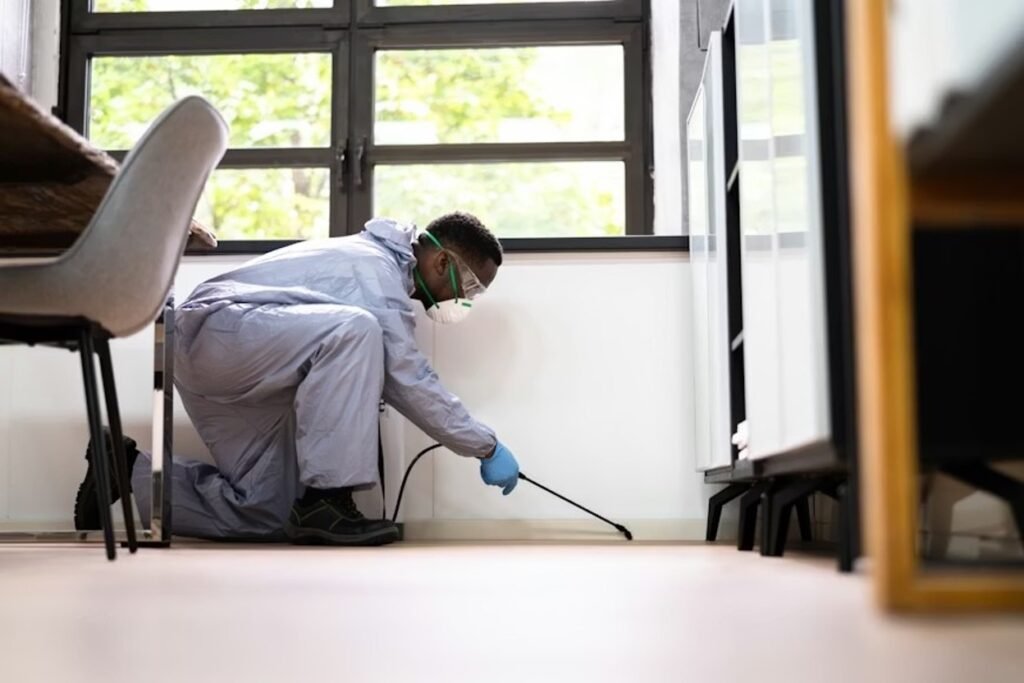
Signs Your DIY Efforts Aren’t Enough
Even the most thorough DIY approach has its limits, especially in older homes where roaches have access to deep structural hiding spots that store-bought products can’t reach. If you’ve been putting in consistent effort but the problem persists, watch for these warning signs that it’s time to bring in professional help:
● Daytime roach sightings: Roaches are nocturnal by nature. If you’re seeing them out in the open during the day, it typically means the colony has grown so large that available hiding spaces are overcrowded, forcing roaches into exposed areas to find food and shelter.
● Egg cases in structural features: Discovering roach egg cases (oothecae) tucked into original woodwork joints, behind baseboards, or within plaster cracks means roaches are actively breeding inside your home’s structure, not just passing through.
● A persistent musty or oily odor: Large roach populations produce a distinct, lingering smell caused by their pheromones and droppings. If certain rooms continue to carry this odor despite regular cleaning, a sizable hidden colony is likely nearby, often beneath original flooring or within wall cavities.
● Droppings reappearing after cleaning: Finding roach droppings on countertops, shelves, or along baseboards shortly after cleaning indicates an active, reproducing population that surface-level treatments aren’t controlling.
● Infestations spreading across multiple rooms or floors: Roaches confined to one area can often be managed with targeted DIY methods. But when you start noticing activity in different rooms or on separate floors, it’s a strong sign that roaches are using your home’s internal pathways, such as plumbing chases, balloon-framed walls, or ductwork, to move freely throughout the structure.
If any of these signs sound familiar, professional intervention isn’t just about convenience; it’s about properly addressing health risks while preserving your home’s structural and historical integrity.
Roach Control Methods Used by Professionals
Professional exterminators use advanced techniques that go far beyond what’s available over the counter. Here are the most common methods they deploy in older homes:
● Gel bait applications: Professional-grade gel baits are strategically placed in cracks, crevices, and wall voids where roaches travel and nest. These baits create a chain reaction as poisoned roaches contaminate others in the colony.
● Insect Growth Regulators (IGRs): These chemicals disrupt the roach reproductive cycle by preventing nymphs from maturing into breeding adults, effectively collapsing the population over time.
● Residual spray treatments: Long-lasting liquid insecticides are applied along baseboards, entry points, and harborage zones to create a lethal barrier that remains active for weeks.
● Dust insecticides in wall voids: Using specialized equipment, technicians inject insecticide dust into wall cavities, behind electrical outlets, and into structural gaps that are inaccessible with surface treatments.
● Fumigation: For severe, deeply embedded infestations in older homes, whole-structure fumigation may be necessary to eliminate roaches hiding in inaccessible areas, such as balloon-framed walls and sealed cavities.
● Integrated Pest Management (IPM): This comprehensive approach combines chemical treatments with exclusion measures, sanitation recommendations, and ongoing monitoring to eliminate roaches and prevent their return.
What to Look for in a Pest Control Company
When selecting professional help for your historic home, prioritize companies with specific experience treating older properties. Look for pest control services such as 911 Home Helps that understand the unique challenges of period construction and employ technicians trained in preservation-sensitive pest management.
The ideal company will conduct a thorough inspection of your home’s historical features before proposing a treatment plan, identify original construction elements that may harbor roaches, and recommend approaches that won’t damage irreplaceable architectural details.
Companies that offer integrated pest management (IPM) approaches typically provide the best solutions for older homes, as they combine targeted chemical treatments with mechanical and preventative measures tailored to your home’s specific construction style and era.
Get Rid of Roaches in Your Old House with Help from 911 Home Helps
At 911 Home Helps, we understand the unique pest control challenges posed by older homes across Miami-Dade County. Our experienced technicians start with a free inspection to locate hidden harborage areas and identify exactly what you’re up against.
From there, we deploy targeted treatments that reach deep into the cracks, crevices, and structural gaps that make old houses so vulnerable. We also offer add-on sanitation and insulation services to seal your home against future invasions, all without compromising its original character.
Stop sharing your home with roaches. Call 911 Home Helps today and let our team protect your older home from roaches for good.
Schedule Your Free Inspection Today→
Frequently Asked Questions (FAQs)
How long does it take to get rid of roaches in an old house?
Complete elimination may take 2–3 months of consistent treatment in an older home, longer than in modern construction.
This extended timeline is due to the numerous hiding places in vintage properties, including multiple layers of wall coverings, original woodwork with accumulated cracks, stone foundations with numerous entry points, and aging plumbing with additional access points.
Why do old houses attract more roaches than newer homes?
Older homes provide everything roaches need: abundant entry points through cracked foundations and deteriorated mortar, moisture from aging pipes and poor drainage, warmth from outdated insulation, and countless undisturbed hiding spots within wall voids, under layers of flooring, and behind original woodwork.
Modern homes are built with tighter sealing, vapor barriers, and pest-resistant materials that older properties simply lack.
Will renovating my old house help solve a roach problem?
Renovation can be a golden opportunity to address chronic roach issues if pest prevention is built into the plan. Effective steps include sealing pipe penetrations during plumbing updates, installing physical barriers in open wall voids, replacing deteriorated sill plates, and upgrading cabinetry with roach-resistant designs.
However, renovations conducted without pest prevention can worsen infestations by disturbing hidden colonies and creating new harborage areas from construction debris.
How can 911 Home Helps treat roaches in my older home?
911 Home Helps specializes in roach control for all property types across Miami-Dade County, including older homes with challenging structural layouts. Our process begins with a free inspection to identify species, locate harborage areas, and assess entry points unique to your property’s construction.
We then apply targeted treatments to reach roaches in hard-to-access areas, such as wall voids, crawl spaces, and behind built-in features. Our add-on sanitation and insulation services provide an extra layer of long-term protection. Call us at (786) 269-6959 to get started.
*Disclaimer: Results may vary depending on the severity of the infestation and the property’s condition. Pricing varies by service type and property size. Contact 911 Home Helps for a free inspection and personalized quote.